
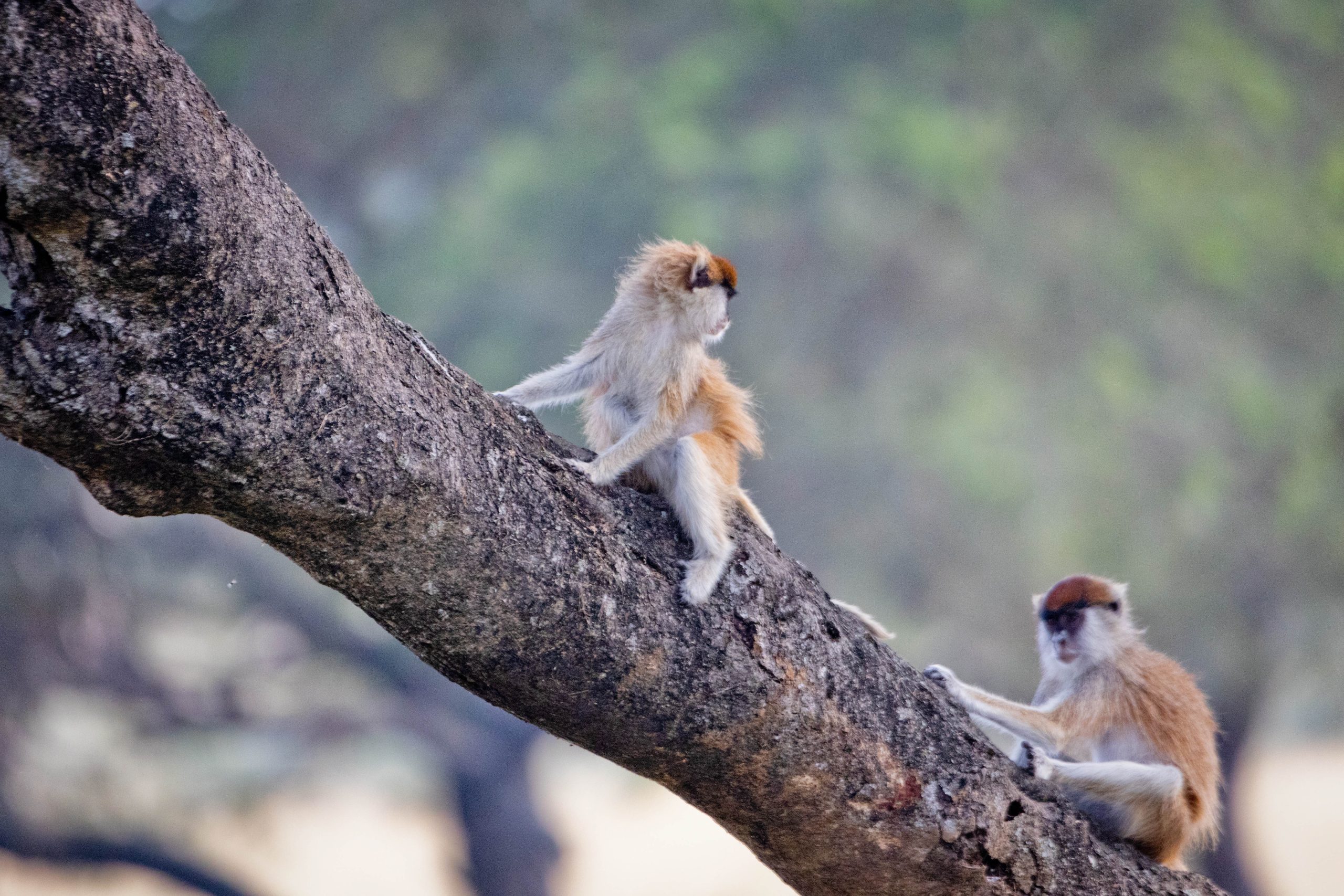
Educational Safari Tours for Schools and University Groups
Educational safari tours give students the opportunity to learn beyond the classroom by exploring wildlife, ecosystems, conservation projects, local cultures and historical sites across East Africa. For schools, colleges and universities, these journeys connect academic subjects with real experiences, helping learners understand how the natural environment works and how people interact with it.
A well-planned educational safari is more than a sightseeing trip. It combines guided activities, field observations, discussions and practical assignments that support learning objectives. Students studying biology can observe animal behaviour and habitats, geography students can examine landscapes and ecosystems, while environmental science learners can investigate conservation challenges and sustainable resource management.
East Africa offers a wide range of destinations suitable for educational travel. Uganda provides opportunities to study primates, wetlands, forests and savannah ecosystems. Kenya and Tanzania are known for their wildlife reserves and migration systems, while Rwanda offers mountain gorilla conservation, volcanic landscapes and forest ecology. With suitable planning, schools and universities can select destinations that match their curriculum, group age, budget and academic interests.
What Are Educational Safari Tours?
Educational safari tours are organised trips designed to combine travel with structured learning. They allow students to observe natural environments, interact with qualified guides and educators, and explore topics that may otherwise remain theoretical in the classroom.
Unlike a conventional holiday, an educational safari begins with clear learning objectives. Teachers and tour planners identify the subjects students need to explore, then select destinations and activities that support those goals. The itinerary may include national park visits, wildlife observation, conservation education, cultural experiences, environmental fieldwork and discussions with relevant professionals.
For younger pupils, the focus may be on identifying animals, understanding habitats, learning about environmental protection and developing curiosity about nature. Secondary school students can explore food chains, biodiversity, ecosystems, geography and human impacts on the environment. University groups may undertake more advanced activities involving field observation, research methods, conservation policy, tourism management or community development.
The exact programme depends on the institution’s requirements. Some schools need a single-day educational excursion, while others prefer a multi-day trip involving several national parks and learning sites. Universities may require longer field courses with specialist facilitators, supervised assignments and opportunities to collect observations for academic projects.
The most effective programmes balance educational activities with rest, recreation and safe travel arrangements. Students learn more when they have enough time to ask questions, discuss what they observe and reflect on their experiences.
Why Schools Should Organise Educational Safaris
Educational safaris can make classroom subjects more meaningful by allowing students to see concepts in real environments. A lesson about ecosystems becomes easier to understand when learners observe how animals, plants, water and soil interact within a natural habitat.
For biology students, seeing animals and their habitats can help explain adaptation, feeding behaviour, reproduction and ecological relationships. Geography students can study landforms, drainage systems, vegetation zones and the effects of human activity on landscapes. Environmental science students can explore pollution, habitat loss, climate pressures and conservation strategies.
These trips also encourage observation and critical thinking. Students may be asked to record species, compare habitats, discuss the relationship between tourism and conservation or identify environmental challenges affecting a destination. Such activities help learners develop the ability to ask questions, interpret evidence and communicate their findings.
Group travel can support teamwork and communication. Students share observations, complete assignments together and learn to cooperate while following a schedule. They also develop practical skills such as time management, responsible behaviour in public places and respect for different communities.
Educational safaris can be valuable for teachers as well. Field experiences provide examples that can be used in later classroom lessons, projects and examinations. Photographs, field notes and student presentations can help connect the journey with the wider curriculum after the group returns to school.
Educational Safari Destinations in Uganda
Uganda offers a diverse range of learning environments within a relatively compact country. Students can explore wildlife reserves, tropical forests, wetlands, lakes, cultural sites and conservation facilities. The choice of destination depends on the academic subject, the group’s age and the time available.
Uganda Wildlife Conservation Education Centre in Entebbe
The Uganda Wildlife Conservation Education Centre in Entebbe is a useful destination for school groups interested in wildlife, animal habitats and conservation education. Students can learn about different species, their ecological roles and the challenges involved in protecting wildlife.
Guided educational visits can help learners understand animal behaviour, conservation status and the importance of suitable habitats. The centre also provides opportunities for discussions about wildlife rescue, environmental responsibility and the role of education in conservation.
For schools based in Kampala and surrounding areas, Entebbe can be a practical choice for a day trip. Teachers can organise pre-visit lessons about selected animal groups and ask students to record observations during the visit.
Schools should contact the centre in advance to confirm group arrangements, available educational activities, current fees and any special requirements. Booking ahead helps the institution plan the visit and ensure that the activities are appropriate for the learners.
Queen Elizabeth National Park
Queen Elizabeth National Park is suitable for students studying ecology, zoology, geography and conservation. Its varied habitats include savannah, wetlands, forests and water systems that support a wide range of wildlife.
Game drives provide opportunities to observe animals such as elephants, buffaloes, antelopes and, in suitable circumstances, lions. Students can investigate how animals use different habitats and how access to water, food and shelter influences their distribution.
A boat trip along the Kazinga Channel can add another learning dimension. Students may observe hippos, waterbirds and other wildlife while considering the importance of aquatic ecosystems. Guides can explain how water systems support wildlife and local livelihoods.
The park also provides opportunities to discuss human-wildlife conflict, protected-area management and the relationship between tourism and conservation. Teachers can organise group discussions about the benefits and challenges of protecting large wildlife areas while nearby communities depend on land and natural resources.
Murchison Falls National Park
Murchison Falls National Park offers opportunities to study savannah ecology, river systems, wildlife behaviour and landscape processes. The Victoria Nile flows through the park before passing through a narrow gorge at Murchison Falls, creating a striking example of the relationship between water, rock and landforms.
Students can observe wildlife during game drives and learn how different species adapt to their habitats. Depending on the itinerary and conditions, a boat trip on the Nile may provide additional opportunities to observe hippos, crocodiles and birds.
The falls can support geography lessons about erosion, river processes and the influence of water on landscapes. Biology students can examine the relationship between vegetation, animal distribution and available resources.
A multi-day visit allows time for guided activities, field notes and group discussions. Schools should account for road travel, park entry arrangements, accommodation and the supervision required for students of different ages.
Kibale National Park
Kibale National Park is particularly valuable for students interested in primate ecology, tropical forests and biodiversity. The forest supports chimpanzees and several other primate species, making it a useful setting for learning about animal behaviour, forest habitats and conservation.
Students can explore how forest ecosystems support different species and why habitat protection is important for long-term survival. Guided activities may explain the relationship between primates, food resources, forest structure and human activities around protected areas.
Chimpanzee tracking is subject to park regulations, permit availability and applicable age requirements. Schools should confirm these conditions before including the activity in an itinerary. Where tracking is unsuitable, alternative forest education activities may provide valuable learning opportunities.
A visit to Kibale can also support discussions about habitat fragmentation, sustainable land use and the importance of maintaining connections between forest areas.
Bwindi Impenetrable National Park
Bwindi Impenetrable National Park is internationally known for mountain gorilla conservation and its rich forest biodiversity. It can be an important destination for university groups studying primates, ecology, conservation biology and sustainable tourism.
Students can learn about the ecological significance of tropical forests, the protection of endangered species and the responsibilities associated with wildlife tourism. Guided discussions may also examine how conservation programmes interact with nearby communities.
Gorilla trekking is governed by strict regulations, permit requirements and age restrictions. It may not be appropriate for every school group, particularly younger pupils. Institutions should verify the current requirements before considering the activity and explore other educational options when necessary.
A well-designed visit should explain that wildlife conservation involves more than protecting individual animals. It also includes habitat management, research, community participation, responsible tourism and long-term planning.
Educational Safari Destinations in Kenya and Tanzania
Kenya and Tanzania offer extensive opportunities for wildlife observation and environmental learning. Their national parks and conservation areas are suitable for groups studying animal behaviour, migration, biodiversity, geography and conservation management.
Maasai Mara National Reserve in Kenya
The Maasai Mara provides a valuable setting for studying savannah ecosystems and wildlife interactions. Students may observe elephants, giraffes, zebras, antelopes and predators, depending on the location and conditions during their visit.
The reserve is also associated with the Great Migration, when large herds of wildebeest and other grazing animals move through parts of the wider Serengeti ecosystem in response to seasonal conditions. The exact timing and location of wildlife movements vary, so sightings cannot be guaranteed.
Teachers can use the Mara to explore predator-prey relationships, food webs, animal movement, habitat requirements and the effects of seasonal rainfall. Discussions can also address protected-area management, tourism revenue and the challenges of balancing conservation with the needs of surrounding communities.
Where appropriate, cultural learning activities can complement the wildlife programme. These should be organised respectfully with community participation and clear explanations of how the experience benefits local hosts.
Serengeti National Park in Tanzania
Serengeti National Park is one of East Africa’s best-known wildlife destinations and provides opportunities to study large mammal populations, grassland ecosystems and seasonal migration.
Students can learn how rainfall, vegetation and water availability influence the movement of grazing animals. Observing wildlife can also help explain how predators, herbivores and scavengers contribute to ecological relationships.
University groups may examine topics such as conservation policy, ecosystem monitoring, tourism management and the challenges of protecting wildlife across large landscapes. Teachers can prepare students to compare the Serengeti with other ecosystems they have studied.
Because the park covers an extensive area, the itinerary should be designed carefully. Travel distances, accommodation locations and the time needed for field activities can influence how much students are able to observe.
Ngorongoro Conservation Area in Tanzania
The Ngorongoro Conservation Area offers opportunities to study geology, wildlife ecology and the relationship between conservation and human land use. Its volcanic landscapes and crater environment provide a distinctive setting for geographical observation.
Students can investigate how landforms influence vegetation, water distribution and animal habitats. Wildlife observation may also support lessons about biodiversity, feeding relationships and the management of protected areas.
The conservation area can help university groups explore the complexity of managing landscapes where wildlife conservation and human activities intersect. Such discussions should recognise the perspectives and rights of local communities rather than treating people simply as obstacles to conservation.
Amboseli National Park in Kenya
Amboseli National Park is well known for its elephants and views towards Mount Kilimanjaro. It can be particularly useful for students studying wildlife ecology, water availability and the relationship between ecosystems and surrounding landscapes.
Students may observe elephant herds and learn about their social behaviour, feeding patterns and habitat requirements. The park also offers opportunities to discuss how seasonal water availability affects wildlife distribution.
Teachers can use the destination to explore the importance of wildlife corridors and the challenges of maintaining ecological connectivity in areas where settlements, agriculture and other land uses continue to develop.
Educational Safaris for University Groups
University educational safaris often require more detailed academic planning than general school excursions. Students may need to complete field assignments, gather observations, attend specialist talks or investigate questions connected to their degree programmes.
The itinerary should therefore be developed in collaboration with lecturers or academic coordinators. The university can identify learning objectives, while the tour planner helps arrange transport, accommodation, access to suitable sites and communication with relevant local professionals.
Biology and Zoology Field Studies
Biology and zoology students can use safari destinations to study animal behaviour, habitat use, biodiversity and ecological relationships. Field observations may include recording visible species, comparing habitat types or documenting behavioural patterns under the guidance of qualified educators.
Activities must follow park regulations and avoid disturbing wildlife. Students should not approach animals independently, collect biological samples or conduct research without the necessary permissions.
The programme should also explain the limitations of field observations. A short visit may reveal useful patterns, but it cannot automatically support broad conclusions about an entire species or ecosystem. Students should learn to distinguish between direct observations, interpretations and questions that require further research.
Environmental Science and Conservation
Environmental science students can examine issues such as habitat degradation, pollution, climate pressures, invasive species and human-wildlife conflict. A well-planned programme may include discussions with conservation professionals, guided observations and comparisons between different land-use systems.
Students can investigate how protected areas are managed and consider the social, economic and ecological factors that influence conservation decisions. They may also explore the role of tourism in financing conservation and supporting local employment.
Field assignments should be designed around achievable objectives. For example, students might compare visible land-use patterns around two sites or record evidence of human activity along an approved route. Any formal research involving people, sensitive information or wildlife must follow the relevant ethical and legal requirements.
Geography and Geology
East Africa offers a wide variety of landscapes, including volcanic mountains, rift valleys, lakes, wetlands, forests and savannah plains. These environments provide opportunities for geography and geology students to connect classroom theory with direct observation.
Students can study landforms, drainage patterns, vegetation zones, erosion and the relationship between physical geography and human settlement. Visits to places such as Murchison Falls, the Ngorongoro Conservation Area or the Great Rift Valley can help illustrate geological and geomorphological processes.
Lecturers can prepare field questions before departure and ask students to record observations during the journey. Follow-up reports and presentations can then connect the field experience with academic concepts.
Tourism, Hospitality and Community Development
Educational safaris can also support students studying tourism management, hospitality, business and development studies. Learners can examine how tour operators organise itineraries, how lodges manage guest services and how tourism interacts with conservation and local economies.
Where access is agreed in advance, discussions with tourism professionals can explain booking procedures, transport logistics, guiding standards, customer service and destination management.
Students can also explore questions about local employment, supply chains, cultural representation and the distribution of tourism revenue. These subjects benefit from balanced discussion that considers both the opportunities and the challenges associated with tourism development.
How to Design a Curriculum-Based Safari
The strongest educational safari programmes begin with clear learning outcomes. Before choosing destinations, teachers and lecturers should identify what students need to understand, observe or demonstrate by the end of the trip.
The next step is to select destinations and activities that support those outcomes. A biology group may prioritise forest ecology and wildlife observation, while a geography class may need a programme focused on landscapes, drainage systems and land use.
Age and educational level should influence the pace and complexity of the itinerary. Younger pupils may benefit from shorter activities, simple observation tasks and frequent breaks. University students may be able to complete longer field sessions, specialist discussions and structured assignments.
The programme should include preparation before departure. Students can learn about the destinations, review relevant concepts and receive guidance on field notes, responsible wildlife viewing and appropriate conduct during community visits.
During the safari, guides and teachers should explain how each activity relates to the learning objectives. Students should have time to ask questions, record observations and discuss what they see rather than moving continuously from one attraction to another.
After returning, learners can complete reports, presentations, posters or group projects. These activities help reinforce the educational value of the trip and give teachers an opportunity to assess what students have learned.
Safety and Supervision for Student Safari Groups
Safety planning is essential when organising educational travel for children, teenagers or university students. Schools and institutions should establish clear responsibilities before departure and confirm that every activity is appropriate for the group.
The plan should cover transport, accommodation, supervision, emergency contacts, medical needs and communication procedures. Teachers should know who is responsible for each group, while students should understand the rules they must follow during the trip.
Transport should be arranged through reliable providers, and vehicles should be suitable for the route and group size. Long journeys should include appropriate rest stops, while the schedule should allow enough time for meals and recovery between activities.
Accommodation should be selected according to the ages and needs of participants. Institutions should confirm room arrangements, supervision procedures, security measures and access to assistance. Special requirements, including accessibility and dietary needs, should be communicated before booking.
Wildlife activities require particular care. Students must follow instructions from park staff and guides, remain in designated areas and avoid approaching, feeding or provoking animals. Walking activities should only take place where they are permitted and under the required supervision.
For activities such as gorilla trekking or chimpanzee tracking, schools must check the applicable age limits, health guidance, permit requirements and physical demands. An alternative activity should be available if a student cannot participate.
Institutions should also confirm that appropriate travel insurance is in place and understand what it covers. For international trips, this includes checking entry requirements, passports, visas and any relevant health documentation.
Budgeting for Educational Safari Tours
The cost of an educational safari depends on the destination, number of students, duration, accommodation category and activities included. A day trip within Uganda will usually have a different cost structure from a multi-day international programme involving several national parks.
Common expenses include transport, accommodation, meals, park entry fees, activity charges, guiding services and educational sessions. Some destinations require additional permits for activities such as gorilla trekking or chimpanzee tracking.
Group size can influence the price per student. Sharing transport and accommodation arrangements may reduce some costs, although larger groups may require additional vehicles, guides or supervisors. Schools should also account for the cost of accompanying teachers and any specialist facilitators.
A clear quotation should specify what is included and what must be paid separately. Institutions should ask about deposits, payment deadlines, cancellation conditions and how changes to group numbers affect the final cost.
Budget-conscious schools can consider destinations closer to their location, shorter trips, school-hostel arrangements or educational visits that do not require expensive specialist permits. A well-planned local excursion can still deliver meaningful learning when the activities are connected to clear academic objectives.
It is better to select a manageable itinerary with suitable learning opportunities than to include too many destinations and leave insufficient time for meaningful observation.
Responsible Tourism and Respect for Local Communities
Educational safari tours should teach students to respect wildlife, local communities and the environments they visit. The purpose is not only to learn about conservation but also to understand how travel decisions affect people and places.
Students should follow the guidance of local hosts, ask permission before photographing individuals and respect cultural practices. Community visits should be organised with appropriate consent and clear expectations about the purpose of the activity.
Schools should avoid activities that treat local people as attractions or encourage intrusive behaviour. Cultural learning is more meaningful when it involves respectful exchange, accurate information and recognition of the knowledge and experiences of community members.
Environmental responsibility should also be part of the programme. Students can learn to minimise waste, avoid disturbing wildlife, remain on authorised routes and use water and other resources responsibly.
Where appropriate, institutions can ask tour operators how their programmes support local employment, conservation initiatives and community businesses. However, these claims should be assessed carefully rather than accepted solely on the basis of promotional statements.
By discussing both the benefits and challenges of tourism, educators can help students develop a more balanced understanding of conservation and sustainable development.
Choosing the Right Educational Safari Operator
The tour operator plays an important role in the success of an educational safari. Schools and universities should choose a provider with experience organising group travel and the ability to explain how the itinerary supports the institution’s learning objectives.
Ask whether the operator has arranged trips for similar age groups or academic programmes. Confirm how transport, accommodation, guiding, park access and special activities will be managed. For university field studies, ask whether the provider can coordinate with relevant local experts and help identify any permissions required for research.
A detailed itinerary should include travel times, activities, accommodation arrangements, meals and time for educational sessions. It should also identify the responsibilities of teachers, guides and other staff.
Safety documentation is another important consideration. Ask what risk assessments are available, how emergencies will be handled and what arrangements exist if an activity is cancelled or a participant becomes unwell.
Schools should request a written quotation and review the payment and cancellation terms before committing funds. It is also useful to confirm the process for communicating changes and obtaining assistance during the trip.
The best operator is not necessarily the one offering the lowest price. Reliability, transparent communication, appropriate supervision and a clear educational plan are essential when travelling with students.
Preparing Students Before Departure
Preparation helps students get more from an educational safari. Teachers should explain the purpose of the trip, introduce the destinations and provide information about the activities they will undertake.
Students can research selected animals, ecosystems, geographical features or conservation issues before travelling. This gives them background knowledge and helps them prepare relevant questions for guides and educators.
A field notebook is useful for recording observations, questions and reflections. Depending on the academic level, students may also use worksheets, maps, species identification guides or photography assignments.
Teachers should explain expectations concerning behaviour, punctuality, safety and respect for local communities. Students should understand that a safari is an educational experience and that their conduct affects the group and the people hosting them.
Parents and guardians should receive the necessary information about the itinerary, accommodation, transport and emergency procedures when minors are involved. Institutions should also collect relevant consent forms and communicate any essential medical or accessibility requirements through appropriate procedures.
Good preparation reduces confusion during the trip and gives students more time to focus on learning.
Making the Most of the Experience After the Safari
The educational value of a safari should continue after the group returns home. Follow-up activities allow students to organise their observations, compare experiences and connect field learning with classroom subjects.
Students can prepare reports about wildlife behaviour, ecosystem differences, geographical features or conservation challenges. Group presentations allow learners to share their findings and consider how their observations relate to the questions introduced before departure.
Teachers may also ask students to evaluate the trip. They can identify which activities were most useful, what surprised them and which questions remain unanswered. This reflection encourages critical thinking and helps institutions improve future educational programmes.
Universities may use field notes as part of coursework where appropriate, subject to the requirements of the academic programme. However, a short educational visit should not be treated as a substitute for a formal research study when the latter requires a defined methodology, ethical approval or specialised data collection.
Schools can use photographs, maps and student presentations to create classroom displays or educational projects. These materials can also help other learners understand the destination and encourage future participation in environmental education.
Taking Learning Beyond the Classroom
Educational safari tours offer schools and universities a practical way to connect academic subjects with the natural world. Students can observe wildlife, explore landscapes, learn about conservation and gain a better understanding of the relationship between people and the environment.
East Africa provides a wide range of options, from day visits to wildlife education centres in Uganda to extended field programmes in the Maasai Mara, Serengeti, Ngorongoro and other protected areas. The most suitable destination depends on the curriculum, group size, age of the participants, available budget and learning outcomes.
A successful programme combines careful planning, appropriate supervision, qualified guidance and activities designed around clear educational goals. Students should have time to observe, ask questions, discuss their findings and reflect on what they have learned.
When educational objectives guide the itinerary, a safari becomes more than a trip away from school. It becomes an opportunity for learners to build knowledge, develop practical skills and understand the importance of protecting wildlife, respecting local communities and caring for the environment.




No comment