
Safari for photographers: how to choose a tour that gives you time
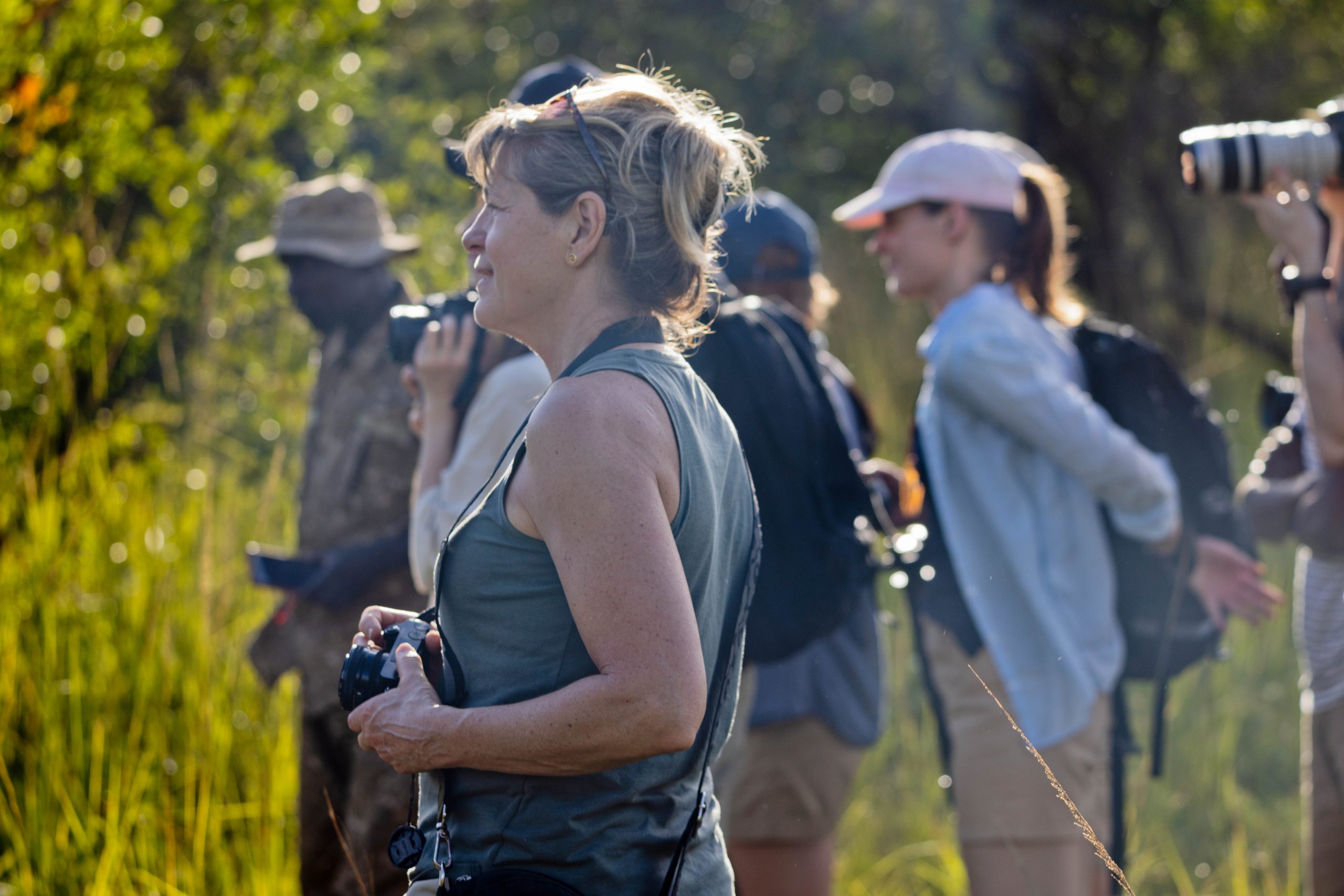
a photography safari is different from a conventional wildlife tour because success depends on more than seeing animals. photographers need time to wait for behaviour, adjust camera settings, work with the light, and find the right angle without being rushed to the next destination.
a lion resting beneath a tree may provide an excellent portrait, but the opportunity becomes more interesting when the animal stands, yawns, interacts with its cubs, or begins moving through the grass. capturing those moments often requires patience. a good photographic safari gives you the freedom to remain at a sighting, anticipate what might happen next, and take advantage of changing conditions.
Kenya, Tanzania, Uganda, and Rwanda offer different opportunities for wildlife, bird, landscape, and primate photography. however, choosing the right destination is only part of the planning process. the vehicle, guide, itinerary, group size, accommodation location, and daily schedule can have a greater effect on your photographs than purchasing another camera lens.
if photography is your main reason for travelling, choose a tour designed around time in the field rather than one that simply lists many parks and wildlife species. the right arrangement allows you to spend longer in productive locations, work during the best available light, and return home with a stronger collection of images.
What makes a photographic safari different?
a conventional safari generally aims to provide a broad wildlife experience. the guide searches for animals, stops when interesting sightings occur, and continues through the park to explore other areas. this works well for travellers who want to see a variety of wildlife during a limited holiday.
a photography-focused safari follows a different rhythm. the guide considers the direction of the light, the position of the animal, the background, and the possibility of interesting behaviour. rather than moving immediately after taking a few photographs, the group may remain at a sighting while waiting for a better opportunity.
for example, you might find a leopard resting on a branch in the late afternoon. a general game drive may spend several minutes observing it before continuing. a photography-focused tour may wait for the leopard to turn its head, stretch, climb down, or become active as the light changes.
the same principle applies to elephants, birds, primates, and other wildlife. the objective is not simply to record that an animal was present. it is to create photographs that communicate its behaviour, character, environment, or relationship with other animals.
a genuine photographic tour should therefore offer flexibility, a suitable vehicle, a guide who understands photography, and an itinerary that allows enough time for opportunities to develop.
Choose a private vehicle whenever possible
the vehicle is one of the most important decisions when booking a photography safari. even an excellent guide can find it difficult to accommodate several passengers who have different interests and different ideas about how long to stay at a sighting.
on a shared game drive, one traveller may want to photograph a lion for another twenty minutes while another passenger wants to continue searching for elephants. the driver must balance everyone’s expectations, and photographers may have to accept less time than they would prefer.
a private vehicle gives you much greater control over the pace of the day. you can discuss the subjects you want to photograph, request a change of position when permitted, and spend more time at a promising sighting without having to negotiate with unrelated passengers.
this flexibility is particularly valuable when photographing animal behaviour. wildlife rarely follows a predictable schedule, and the most interesting moment may happen long after the first photograph has been taken.
a private vehicle also provides more room for camera equipment. you can keep your main lens ready, store spare batteries and memory cards safely, and change equipment without disturbing other passengers.
if a fully private vehicle is outside your budget, consider a small photographic group with a maximum of three or four photographers, depending on the vehicle layout. the important point is to have sufficient space and compatible expectations among the people sharing the drive.
before booking, ask whether the vehicle is genuinely private or simply described as photography-friendly. confirm how many passengers will travel in it and whether the operator can guarantee enough room for everyone to photograph comfortably.
Check the vehicle’s photography features
not all safari vehicles are equally suitable for photography. a standard four-wheel-drive vehicle may be perfectly adequate for wildlife viewing, but a dedicated photographic vehicle can provide better shooting positions and more practical support.
look for a vehicle with an unobstructed view from the seats, enough space to handle camera bodies and long lenses, and a roof or side arrangement that allows you to photograph without glass obstructing the view.
some vehicles have open sides or specialised camera supports. others use a pop-up roof that allows passengers to stand for a wider view. both designs have advantages, depending on the subject, the terrain, and the style of photography you prefer.
a pop-up roof is useful for observing wildlife across open grasslands and photographing animals at a distance. however, shooting from a higher position can make an animal appear smaller against the landscape or create a steep downward angle.
an open-sided vehicle may provide a lower shooting position and a clearer view of the subject’s surroundings. this can be useful when photographing elephants, antelopes, and other animals against a clean background. the design is not automatically better in every situation, so consider the kind of photographs you want to produce.
ask whether the vehicle has beanbags or other suitable supports for long lenses. a beanbag resting on a vehicle frame can help reduce camera movement, particularly when using a heavy telephoto lens.
other useful features include charging points, secure equipment storage, comfortable seating, and enough space to move between shooting positions safely. these details become more important when you spend several hours in the vehicle each day.
also ask whether the guide can position the vehicle for the light and background, within the rules of the park or conservancy. a suitable vehicle helps, but good positioning is still a matter of judgement and experience.
Choose a guide who understands photography
a wildlife guide and a photographic guide may have overlapping skills, but they do not necessarily approach every sighting in the same way.
a knowledgeable wildlife guide understands animal behaviour, habitats, tracks, calls, and likely movement patterns. these skills are essential because photographers need to find subjects before they can photograph them.
a guide with photographic experience also understands why the position of the sun, the angle of the vehicle, and the background can change the quality of an image. they may recognise that a small adjustment in position could remove a distracting branch, improve the light on an animal’s face, or create a cleaner background.
you do not always need a professional photographer to lead the tour. an experienced driver-guide who understands photography and is willing to accommodate it can be an excellent choice, especially for travellers who want to improve their skills without joining an intensive workshop.
if you want technical instruction, ask whether the tour includes a dedicated photographic guide or a professional photographer who provides coaching. confirm whether this person accompanies you throughout the safari or only joins selected activities.
before departure, explain what you hope to achieve. you might want to photograph birds in flight, capture animal behaviour, improve your exposure settings, or create wider images that show wildlife within its habitat.
a useful guide will listen to those priorities and help you work towards them without promising specific sightings or photographs. wild animals remain unpredictable, and no guide can guarantee that an animal will behave in a particular way.
Look for a flexible daily schedule
photographers need to work with the available light. in many east african destinations, early morning and late afternoon provide softer light than the middle of the day, although cloud, dust, weather, and habitat can create useful photographic conditions at other times.
a photography-focused tour should allow early departures when appropriate and provide opportunities to remain in the field during the late afternoon. the exact schedule depends on park opening hours, conservancy rules, weather, and the location of the accommodation.
early morning is often productive because temperatures are cooler and some animals are still active after the night. soft light can bring out the texture of fur, feathers, grass, and landscape features without the harsh shadows common around midday.
late afternoon offers another opportunity to work with warm light. elephants moving through dust, giraffes crossing open ground, or birds returning to roosts can produce compelling images when the lighting and background are favourable.
ask whether your tour can accommodate longer morning and afternoon drives. some packages follow fixed schedules designed around meals and general sightseeing. others allow packed breakfasts, flexible lunch arrangements, and longer periods in the field.
midday can be useful for resting, cleaning equipment, charging batteries, backing up images, and reviewing photographs. if your accommodation has a comfortable shaded area, this break can help you prepare for the next drive.
the key is not to spend every available minute driving. it is to organise the day so that you have enough time in productive locations when conditions are promising.
Choose fewer destinations and stay longer
one of the most common mistakes when planning a photographic safari is trying to visit too many parks in a short period. a long itinerary may appear attractive because it includes several famous destinations, but frequent transfers can reduce the time available for photography.
every transfer requires packing, checking out, travelling, checking in, and settling into a new location. if the journey involves a domestic flight, there may also be baggage restrictions and time spent waiting at the airport.
a slower itinerary allows you to learn the landscape, return to productive areas, and spend more than one morning searching for particular subjects. it also gives you a better chance to photograph different lighting conditions and behaviours at the same location.
for a trip of about a week, consider focusing on one or two wildlife regions rather than trying to cover an entire country. a longer journey can accommodate additional destinations, but each should contribute something meaningful to your photographic goals.
for example, a Kenya itinerary could combine Amboseli for elephants and landscape photography with the Masai Mara for predators and open savannah scenes. a Tanzania itinerary might combine Tarangire’s baobab landscapes with the Serengeti’s extensive plains.
if birds are your main interest, you may prefer to spend longer around wetlands, lakes, forests, or other habitats where birdlife is productive. moving between several ecosystems can be worthwhile, but only when the additional travel justifies the time involved.
ask how many nights you will spend at each camp and how much of each day will be used for transfers. do not judge an itinerary only by the number of parks it includes.
Select destinations according to your subjects
the best destination depends on what you want to photograph. a place known for elephants may be ideal for wildlife portraits and landscape compositions, while a wetland or forest may offer better opportunities for birds or primates.
The Masai Mara in Kenya
the Masai Mara is a strong choice for photographers interested in big cats, large herbivores, open grasslands, and dramatic wildlife interactions.
lions, cheetahs, leopards, elephants, giraffes, and many other species inhabit the wider ecosystem. the annual wildebeest migration also attracts photographers hoping to capture large herds and river crossings.
migration activity varies with seasonal rainfall and animal movements. if river crossings are your priority, choose travel dates and accommodation locations carefully, and understand that the herds may not be at the expected crossing point when you arrive.
consider a camp in a private conservancy if it suits your budget and photographic interests. some conservancies permit activities or vehicle positioning that are restricted in the main reserve, but the rules differ between properties and locations.
do not assume that off-road driving, night drives, or unrestricted access to wildlife are available everywhere. confirm the specific rules for the area you intend to visit.
Amboseli National Park in Kenya
Amboseli is particularly attractive to photographers interested in elephants and wide landscape compositions. when the weather is clear, Mount Kilimanjaro can form a dramatic background behind wildlife.
the park includes open plains, seasonal wetlands, and areas of woodland. these habitats provide different opportunities for photographing animals in their environment.
mountain views depend on cloud cover, so they cannot be guaranteed. a flexible schedule helps because early morning conditions may offer a clearer view than later in the day.
The Serengeti in Tanzania
the Serengeti offers vast grasslands, rocky outcrops, riverine areas, and woodland. it is well suited to photographers interested in predators, herd behaviour, wildlife portraits, and landscapes.
because the ecosystem is extensive, choosing the right camp location is important. different areas become productive at different times of year, particularly for travellers following the wildebeest migration.
a photography-focused itinerary should consider the distance between the camp and the subjects you want to photograph. spending several nights in the right region can be more productive than changing locations frequently.
Queen Elizabeth National Park in Uganda
Queen Elizabeth National Park offers savannah wildlife, wetlands, crater lakes, and varied landscapes. it can be suitable for photographers interested in elephants, buffaloes, antelopes, birds, and other wildlife.
the park’s different habitats create opportunities for both close wildlife images and wider environmental photographs. the Kazinga Channel is also a notable location for photographing water-associated wildlife and birds during a boat excursion.
if your priority is bird photography, ask whether the itinerary includes enough time for boat trips and stops in suitable habitats. the best schedule will depend on your target species and the season.
Bwindi Impenetrable National Park in Uganda
Bwindi is an important destination for photographers interested in mountain gorillas and forest scenery. however, gorilla photography differs substantially from photographing animals in open savannah.
forest conditions can be dark, humid, and visually complex. vegetation may obstruct the view, and the gorillas can move through dense undergrowth. a fast lens, reliable autofocus, and an understanding of your camera’s low-light performance can be particularly helpful.
gorilla trekking is regulated, and visitors must follow the instructions of guides and rangers. you cannot remain indefinitely with a gorilla family to wait for a perfect photograph. viewing time and group arrangements are subject to the applicable rules.
if gorillas are your main photographic subject, plan around the trekking experience rather than assuming you can control where the animals move or how long they remain in view.
Ask how long the tour allows you to stay at a sighting
this is one of the most useful questions to ask before booking. a tour may advertise wildlife photography without providing a clear answer about the time available at each sighting.
ask whether the guide can remain with an animal while it is resting, feeding, interacting, or moving through the landscape, provided that park rules and animal welfare considerations allow it.
some sightings may last only a few minutes because the animal moves away or conditions become unsuitable. others may offer opportunities to remain longer. the guide should be able to explain how the tour balances patience with safety, legal requirements, and the interests of other visitors.
also ask how the guide decides when to move on. a good photographic experience is not simply about remaining at every animal for as long as possible. it involves judging whether the light, behaviour, position, and background offer a worthwhile opportunity.
if you are travelling with a shared group, clarify whether all passengers are expected to photograph the same subject and how decisions are made when interests differ.
a private tour generally provides greater flexibility, but it does not guarantee that every sighting will be ideal. weather, animal behaviour, vehicle access, and conservation rules still shape what is possible.
Understand park rules and off-road restrictions
photographers sometimes assume that a guide can drive anywhere to achieve a better angle. this is not the case. national parks, reserves, and conservancies have rules governing vehicle movement, stopping, and access to wildlife.
some areas require vehicles to remain on designated tracks, while certain private conservancies may allow limited off-road driving under specific conditions. the rules can vary within the same wider ecosystem.
these restrictions influence the kind of photographs you can create. a vehicle may not be allowed to approach an animal from the ideal direction, even when the light would improve from another angle.
a responsible guide works within the rules and avoids disturbing wildlife for the sake of a photograph. this may mean accepting a less dramatic angle or waiting for the animal to move naturally into a better position.
ask your operator which activities are permitted in the areas included in your itinerary. if off-road access is important to you, request clear information about where it is allowed rather than relying on a general promise.
respecting these rules protects habitats, supports responsible tourism, and helps ensure that wildlife photography does not interfere with the animals or other visitors.
Choose accommodation that supports photography
the location and facilities of your accommodation can influence how much time you spend photographing wildlife.
a camp close to productive areas may allow earlier access to the places you want to explore and reduce the time spent driving between the lodge and the park. however, proximity alone does not guarantee better sightings, so consider the wider location and access arrangements.
look for practical facilities such as secure camera storage, reliable charging options, comfortable spaces for cleaning equipment, and enough room to organise your gear. these features become particularly useful when you are carrying several lenses, camera bodies, batteries, and accessories.
some lodges offer wildlife hides or viewing areas where guests can photograph animals without using a vehicle. these can provide a useful alternative during the middle of the day or on an afternoon when you want a break from driving.
if a hide is important to your trip, ask which species are commonly seen there, whether access is included in the accommodation rate, and whether you need to reserve a time slot. wildlife visits are never guaranteed, even at a well-positioned hide.
you should also check meal arrangements. fixed breakfast or dinner times can conflict with good light or a productive sighting. ask whether packed meals or flexible dining arrangements are possible.
a comfortable lodge is valuable, but the best choice is one that supports the way you want to spend your time in the field.
Prepare the right camera equipment
you do not need the most expensive camera to enjoy a photography safari. familiarity with your equipment, good field technique, and enough time with wildlife often matter more than having the newest camera body.
a telephoto zoom lens is useful for photographing distant animals without approaching them too closely. a lens covering a broad range of focal lengths can be practical when subjects move between open ground and thicker vegetation.
a wider lens is useful for landscapes, animals within their habitats, and scenes that include dramatic skies or mountain backgrounds. bird photographers may also benefit from longer focal lengths, depending on the species and their distance from the vehicle.
if you have two camera bodies, you can keep different lenses mounted and reduce the need to change lenses in dusty conditions. however, two bodies are not essential for every traveller.
bring spare batteries, memory cards, and a reliable method of backing up photographs. storage fills quickly when you photograph bursts of action or capture several versions of the same scene.
dust protection is particularly important during dry-season game drives. keep your camera covered when it is not in use, and avoid changing lenses unnecessarily in dusty conditions.
a beanbag or another suitable support can help steady a heavy lens on a vehicle frame. ask the operator whether supports are provided before packing your own.
most importantly, practise with your camera before departure. learn how to adjust exposure, change autofocus settings, and follow a moving subject without spending valuable time searching through menus.
Plan around light, not only animal sightings
photography is strongly influenced by light. a common mistake is to focus entirely on finding a particular species while ignoring the conditions in which you will photograph it.
early morning and late afternoon often provide softer light and longer shadows. these conditions can reveal texture in an animal’s coat, create depth in a landscape, and reduce the harsh contrast that often occurs around midday.
however, the best light depends on the subject and the image you want. backlighting can create a rim of light around an animal, while overcast conditions can be useful for portraits in open shade. dramatic clouds may improve a landscape photograph even when direct sunlight is absent.
talk to your guide about the kind of photographs you want to make. if you are interested in silhouettes, the guide may look for a suitable horizon. if you want detailed portraits, you may prefer light that illuminates the animal’s face without creating deep shadows.
patience also matters when working with backgrounds. a slight change in the vehicle’s position may remove distracting vegetation or place the animal against open sky. this should only be done when it is safe and permitted.
do not expect every drive to produce perfect conditions. changing weather and animal movements are part of wildlife photography, and flexibility helps you make use of opportunities when they arise.
Consider the best season for your subjects
seasonal timing can influence wildlife distribution, vegetation, road conditions, bird activity, and the appearance of the landscape. the best dates depend on the species and style of photography you want.
in some savannah areas, the drier months can make animals easier to see because vegetation is thinner and wildlife may gather around remaining water sources. dusty conditions can also create dramatic light, particularly when herds move across open ground.
the greener periods can provide rich colours, dramatic skies, and opportunities to photograph young animals or migratory birds in suitable locations. however, rain may affect access, visibility, and travel schedules.
if the wildebeest migration is your priority in Kenya or Tanzania, plan around the broad seasonal movement of the herds. the exact location of the migration changes with rainfall and grazing conditions, so no fixed date guarantees a river crossing or a particular wildlife encounter.
for gorilla photography in Uganda or Rwanda, seasonal conditions can influence trekking difficulty, trail conditions, and the amount of light reaching the forest floor. the gorillas themselves remain wild animals, and their movements cannot be predicted precisely.
ask a knowledgeable operator to match your dates to your target subjects. avoid choosing travel dates based only on a general statement that one month is the best time for all wildlife photography.
Budget for the time and services you need
a photography-focused safari can cost more than a standard tour because it may involve a private vehicle, a specialist guide, longer game drives, or a smaller group.
the extra cost can be worthwhile if photography is the main purpose of your journey. a private vehicle gives you greater control over the schedule and time spent at sightings, while a specialist guide may help you make better use of the available conditions.
if your budget is limited, consider sharing a vehicle with a small group of photographers who have similar interests. agree on the style of photography and the pace of the tour before booking.
you can also reduce costs by focusing on fewer destinations, choosing comfortable mid-range accommodation, and avoiding unnecessary domestic flights. a slower route may offer more photographic time while reducing transfer expenses.
compare tour quotations carefully. check whether the price includes park fees, accommodation, meals, private vehicle use, guide services, airport transfers, and any specialist photographic equipment.
if you want a balloon flight, private boat excursion, or access to a photographic hide, ask whether it is included or charged separately. these extras can add significantly to the final cost.
do not choose a tour solely because it advertises the lowest price. a cheaper package may use shared vehicles, fixed game-drive times, or a route that leaves little time for photography. compare what you will actually be able to do during the trip.
Questions to ask before booking
before paying a deposit, ask the operator specific questions about the arrangements. clear answers will help you distinguish a genuine photographic safari from a conventional tour that simply welcomes camera users.
ask whether the vehicle will be private, how many passengers it carries, and whether there is enough room for your camera equipment. confirm whether beanbags, charging points, or other photographic supports are available.
ask how flexible the game drives are and whether you can stay at a promising sighting when conditions allow. check the departure times, expected duration of drives, and whether packed meals are available when you want to remain in the field.
find out whether your guide has experience working with wildlife photographers. if technical coaching is important, confirm who provides it and whether it is included in the price.
ask how many nights you will spend at each destination and how much time will be lost to transfers. request a clear itinerary rather than relying only on a list of parks.
finally, discuss your photographic priorities before confirming the booking. tell the operator whether you are mainly interested in mammals, birds, primates, landscapes, or action photography. the more clearly you explain your goals, the easier it is to choose a suitable route.
A sample seven-day photography safari
a seven-day itinerary can provide a useful photographic experience if it focuses on a limited number of destinations and avoids unnecessary transfers. the following example illustrates how to organise time rather than prescribing one fixed route.
Days 1 and 2: arrive and begin photographing
arrive at your first safari destination, settle into camp, and discuss your photographic priorities with the guide. use the first afternoon to become familiar with the vehicle, camera supports, and local landscape.
the following morning, leave early when permitted and focus on wildlife in suitable light. rather than trying to photograph every species, identify promising subjects and allow time to observe their behaviour.
Days 3 and 4: return to productive areas
continue exploring the same wildlife region. returning to areas where animals were active previously may provide new opportunities, although sightings are never guaranteed.
use the middle of the day to rest, back up images, charge batteries, and prepare equipment. discuss what worked during the morning drive and what you would like to try during the afternoon.
Days 5 and 6: explore a different habitat or subject
if travel time permits, move to a second location that offers a meaningful change in photographic opportunities. this might mean moving from open plains to woodland, wetlands, or a different savannah ecosystem.
avoid choosing the second destination simply to increase the number of parks on your itinerary. it should offer subjects or landscapes that complement the first part of the trip.
Day 7: final drive and departure
if your schedule allows, enjoy a final morning game drive before departing. leave sufficient time for the transfer and airport procedures, especially if you are connecting to an international flight.
this type of itinerary can be adapted to Kenya, Tanzania, or Uganda. the specific route should depend on your dates, target species, budget, and available transport connections.
Common mistakes photographers should avoid
one mistake is assuming that an expensive camera automatically leads to better photographs. equipment is useful, but patience, light, positioning, and familiarity with the camera are equally important.
another is trying to visit too many destinations. excessive travel reduces time in the field and can leave you tired before the most productive drives.
some travellers book a shared vehicle without checking how decisions are made at sightings. this can create frustration when other passengers want to move on before the photographer has finished.
it is also unwise to assume that guides can break park rules to obtain a better angle. responsible photography respects wildlife, other visitors, and the regulations of the area.
finally, avoid measuring the success of the safari only by the number of species photographed. a small collection of strong images that capture behaviour, atmosphere, or a meaningful wildlife interaction can be more satisfying than hundreds of rushed snapshots.
Choose a tour that puts photography first
the best photography safari is built around the time, access, and support needed to make good images. a private or small-group vehicle, a guide who understands photography, flexible game drives, and longer stays in productive locations are often more valuable than adding another destination to the itinerary.
start by deciding what you want to photograph, then choose a region and season that suit those interests. check the vehicle layout, confirm the daily schedule, and ask exactly how much freedom you will have to remain at a sighting.
Kenya and Tanzania are excellent choices for savannah wildlife, predators, elephants, and wide landscapes. Uganda offers opportunities for birdlife, savannah wildlife, and forest primates, while Rwanda can be suitable for gorilla photography and other wildlife experiences under regulated viewing conditions.
wherever you go, remember that wildlife photography requires patience and respect for the animals. no operator can guarantee a particular encounter, but a well-designed tour can give you more opportunities to work with the conditions and make the most of each sighting.
choose the tour that gives you time to observe, wait, compose, and photograph. that is the difference between a safari where you simply take pictures and one that is genuinely designed around photography.



No comment