
Can you see lions, elephants and leopards in one day on safari?
Seeing lions, elephants and leopards in a single day is one of the most exciting possibilities of an African safari. These three animals are among the most sought-after wildlife sightings, but they behave differently, occupy different habitats and are not always easy to find at the same time. Elephants may gather near water or move through open woodland, lions often rest during the heat of the day, and leopards can remain hidden in trees, dense vegetation or rocky areas for hours.
The good news is that seeing all three during one day is possible in several East African national parks. The likelihood depends on the destination, season, time spent in the park, wildlife movements and the experience of your guide. Some travellers encounter all three during a single morning and afternoon of game driving, while others may need several days before finding a leopard.
If your time is limited, choosing the right park and planning your game drives carefully can make a significant difference. Uganda, Kenya and Tanzania all offer opportunities to search for these animals, although the landscape, wildlife density and overall safari experience vary between destinations.
Is it realistic to see all three animals in one day?
Yes, it is realistic, but it is never guaranteed. Lions, elephants and leopards occur in several East African parks, and some destinations have suitable habitats and established populations of all three. However, the animals do not follow a schedule designed around visitors.
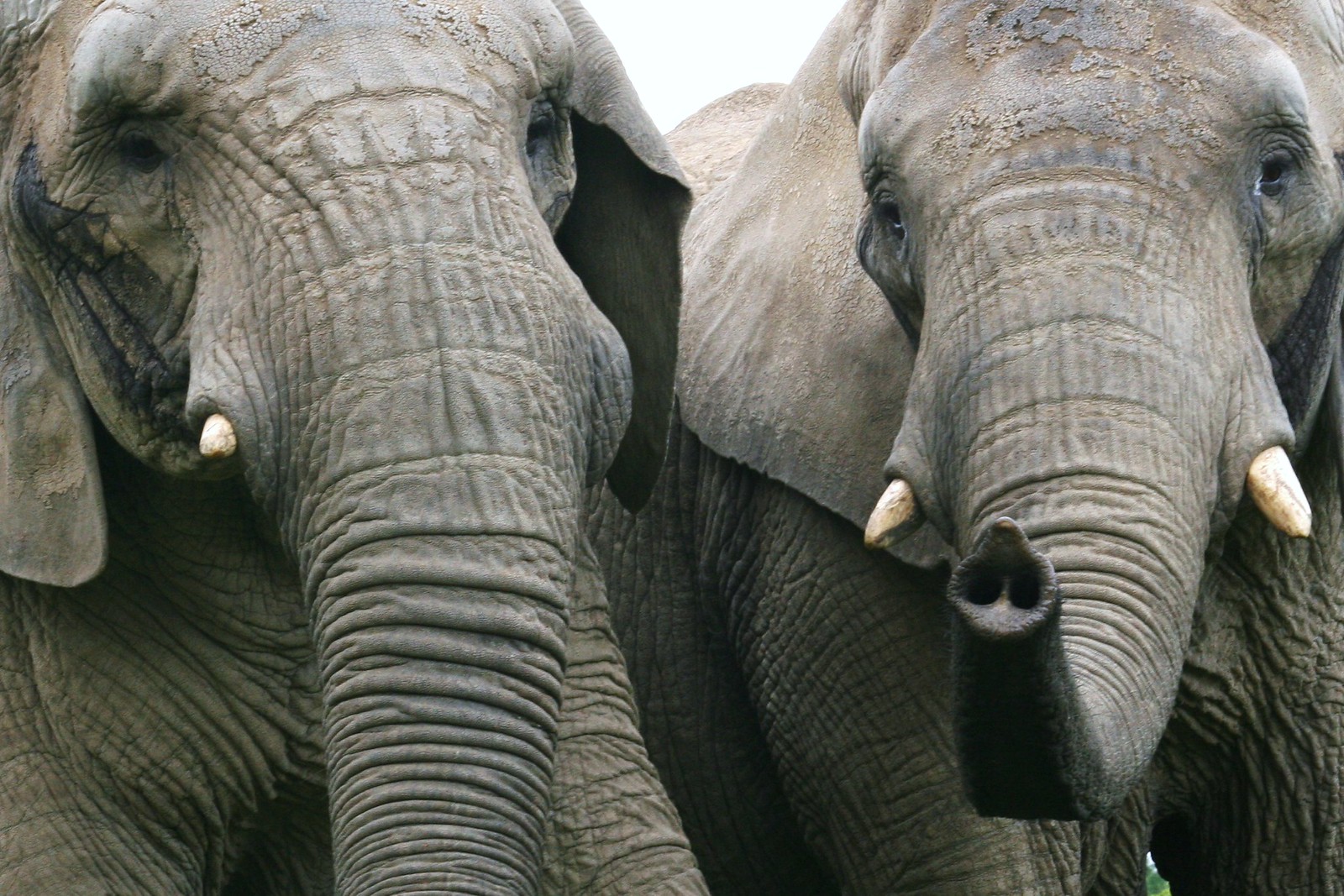
Elephants are often easier to locate than leopards because they are large, travel in visible herds or family groups, and may use recognisable routes between feeding areas and water sources. A guide might find them crossing a track, feeding among trees or gathering near a river.
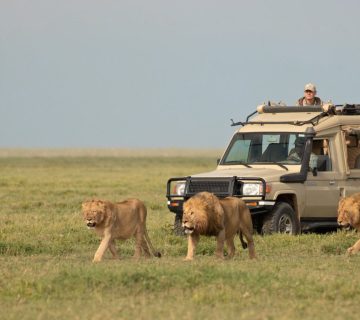
Lions can also be relatively straightforward to find in parks with healthy populations and open landscapes. They may rest beneath trees, lie beside roads or gather around a recent kill. Early morning is often productive because lions may still be active after hunting at night. However, they can also spend long periods sleeping in tall grass or shaded areas.
Leopards usually require more patience. They are solitary, elusive cats that use vegetation, trees and rocky terrain for concealment. Their spotted coats blend into their surroundings, making them difficult to detect even when they are relatively close. A leopard may rest on a branch, move quietly through thick vegetation or disappear before a vehicle reaches the area.
The challenge is therefore not simply finding three species that live in the same park. It is finding them during the hours available for your game drives.
A full day in a suitable national park gives you a better opportunity than a short morning excursion. Starting early, remaining in the park during productive viewing periods and returning for an afternoon drive can improve your chances without guaranteeing a particular sighting.
Which East African parks offer the best opportunities?
Several parks are worth considering if your main goal is to see lions, elephants and leopards during one safari day. The most suitable choice depends on your starting location, travel schedule, budget and willingness to spend time searching for wildlife.
Queen Elizabeth National Park, Uganda
Queen Elizabeth National Park is one of Uganda’s leading wildlife destinations. Its savannah plains, woodland, crater lakes and extensive wetland habitats support elephants, lions, leopards, buffaloes, antelopes and numerous bird species.
The Kasenyi Plains are popular for game drives because their open grasslands provide opportunities to search for lions and grazing animals. Elephants may also be seen in different sections of the park, depending on their movements and the availability of food and water.
Leopards occur in the park but can be difficult to spot, especially in areas with dense vegetation. A guide who understands local wildlife patterns can help identify promising locations and recognise signs that a leopard may be nearby.
Queen Elizabeth is a practical option for travellers who want to combine traditional game drives with other wildlife experiences. Boat trips along the Kazinga Channel provide opportunities to see hippos, crocodiles, elephants near the shoreline and a wide range of waterbirds. However, a boat trip does not replace the game drives needed to search for lions and leopards.
If you have only one day, focus on game drives in suitable wildlife areas and discuss your priorities with your guide before entering the park. Travellers staying nearby have more time for early starts and late-afternoon viewing than those attempting a long return journey from a distant town.
Murchison Falls National Park, Uganda
Murchison Falls National Park offers expansive savannah landscapes, riverine woodland and the Victoria Nile, creating habitats for a wide range of wildlife.
Elephants are frequently encountered in suitable sections of the park, while lions can be found in areas where prey animals are available. Leopards are also present, although sightings are less predictable because they are secretive and often active during quieter periods.
The northern sector is particularly popular for game drives across open savannah. Its landscape can make it easier to scan for large mammals than heavily forested environments. Guides may look for lions near resting places or areas where antelopes gather, while elephants may be encountered along tracks, feeding grounds and woodland edges.
The park also offers boat trips on the Nile, where visitors can observe hippos, crocodiles and waterbirds. Depending on the location and animal movements, elephants may be seen near the riverbanks. For travellers focused on spotting all three target species, however, a well-planned game drive remains essential.
One important consideration is the size of Murchison Falls National Park. Travelling between different areas can take considerable time, and road conditions may affect how much ground you cover. If your priority is to see lions, elephants and leopards in one day, choose accommodation and a game-drive route that minimise unnecessary transfers.
Maasai Mara National Reserve, Kenya
The Maasai Mara is one of East Africa’s best-known safari destinations and offers excellent opportunities to search for lions, elephants and leopards.
Its open grasslands support substantial populations of grazing animals, which provide food for predators. Lions are a major attraction, and visitors may encounter individual males, females with cubs or larger prides. Elephants are also present, often moving across grasslands and woodland.
Leopards are among the reserve’s most sought-after animals. They may rest in trees, move along riverbanks or remain concealed in thick vegetation. Some areas offer particularly promising habitats, but no location guarantees a sighting.
The reserve’s wildlife concentrations can make it a strong option for travellers with limited time, especially when staying close to the areas they plan to explore. An early start gives you more time to search before the midday heat, while an afternoon drive provides another opportunity to locate animals that were difficult to find earlier.
The Great Migration can add to the spectacle during the appropriate season, bringing large herds of wildebeest and zebras into the wider ecosystem. Nevertheless, the migration is not necessary for seeing the Big Five or for searching for these three species. Resident wildlife remains an important part of the Maasai Mara experience throughout the year.
Serengeti National Park, Tanzania
Serengeti National Park offers extensive savannah, woodland, rocky outcrops and river systems that support large numbers of herbivores and predators.
Lions are a major attraction, and elephants can be found in several parts of the ecosystem. Leopards inhabit suitable areas, including riverine woodland where trees provide cover and resting places.
The Serengeti’s large size is both an advantage and a challenge. Its extensive wildlife habitat offers many opportunities, but animals are spread across a vast area and their locations change. Spending one day in the park can produce impressive sightings, although covering too much ground in search of every species may waste valuable viewing time.
Your guide should select a practical area based on recent wildlife information, the season and your accommodation location. Rather than driving long distances between unrelated sightings, it may be more productive to explore a suitable area thoroughly.
The central Serengeti is a popular base for general wildlife viewing, while other areas may be more appropriate depending on the time of year. If you have only one day, staying near the intended game-drive area is particularly important.
Akagera National Park, Rwanda
Akagera National Park is Rwanda’s principal savannah wildlife destination. Its grasslands, woodland, lakes and wetlands support elephants, lions, leopards, giraffes, buffaloes, antelopes and many bird species.
The park offers opportunities to see all three target animals, although sightings vary with wildlife movements and conditions. Lions have been reintroduced to the ecosystem, and leopard sightings are possible but not assured. Elephants may be encountered in suitable habitats during game drives.
Akagera is an appealing option for travellers who want a savannah safari while visiting Rwanda, particularly when combining wildlife viewing with other parts of the country. However, the park’s size and the distance between some areas mean that route planning matters.
For a one-day visit, an early departure and a full day devoted to the park provide the best opportunity to search for different species. Visitors should also remember that the park’s lakes and wetlands support a different range of wildlife, so not every part of the day needs to focus exclusively on large mammals.
Why leopards are usually the hardest to find
If you see elephants and lions but cannot find a leopard, you are experiencing one of the most common challenges of wildlife viewing. Leopards are naturally secretive, and their behaviour makes them harder to observe than many larger mammals.
Unlike elephants, which may travel in groups, leopards usually live and hunt alone. They can move quietly through vegetation, remain hidden during daylight hours and use trees or rocky areas as resting places. Their coat patterns provide effective camouflage, especially in dappled sunlight.
A leopard may be present in the area without being visible from the road. Even experienced guides can drive through suitable habitat without seeing one. The animal may be resting out of sight, hunting elsewhere or moving through a part of the park that visitors cannot access.
Guides look for clues such as tracks, alarm calls from other animals, unusual bird activity and reports from other vehicles. These signs can help direct the search, but they do not prove that a leopard will appear.
The best approach is to remain patient and avoid expecting every sighting to happen quickly. When a leopard is found, spend time observing it if park rules and other visitors allow. Watching its behaviour can be more rewarding than rushing away to search for another species.
What time should you start your game drive?
An early morning start is one of the most useful decisions you can make when attempting to see several major wildlife species in a single day.
Many safari operators aim to enter the park around sunrise or as early as park rules permit. Temperatures are generally cooler, the light can be excellent for photography, and some predators may still be moving after their nocturnal activities.
Lions may be found returning from a hunt or resting in open areas. Elephants may be feeding or travelling between habitats. Leopards can be active during early hours, although their behaviour varies and they may remain hidden throughout the morning.
After the morning drive, you can take a break for breakfast or lunch, depending on the itinerary and camp arrangements. Some visitors choose to remain in the park with a packed lunch, allowing more time to explore without returning to their accommodation.
The afternoon game drive provides another opportunity to search for animals. As temperatures begin to fall, wildlife may become more active. Elephants may move towards water or feeding areas, while lions may start preparing for evening activity. Leopards can also move during late afternoon, though sightings remain unpredictable.
A full day does not mean driving continuously without rest. Allow time for meals, bathroom breaks and safe travel between viewing areas. Your guide can help balance the need to search for wildlife with the practical limits of the day.
Does the season affect your chances?
Seasonal conditions influence wildlife viewing, but the effect differs between parks and ecosystems.
During drier periods, vegetation may become thinner and animals may concentrate around remaining water sources. These conditions can make some species easier to locate. Dry roads may also allow vehicles to travel more efficiently between viewing areas.
However, the dry season often attracts more visitors, particularly in popular parks. Several vehicles may gather around a well-known sighting, and busy areas can affect the sense of privacy some travellers seek.
During rainy periods, landscapes can become greener, and many animals benefit from fresh vegetation. Birdwatching may be particularly rewarding, and photography can produce beautiful images of wildlife against lush scenery. On the other hand, tall grass and dense vegetation can make animals harder to see, while muddy roads may slow travel.
There is no single season that guarantees sightings of lions, elephants and leopards across all East African parks. Local rainfall, water availability, prey movements and individual animal behaviour all influence what you encounter.
When planning a one-day safari, consider the destination’s seasonal conditions and ask a knowledgeable local operator which areas are likely to provide suitable viewing opportunities during your travel dates.
How an experienced guide improves your chances
A knowledgeable guide can make a substantial difference to the quality of a short safari. Their role involves much more than driving between locations. They interpret the landscape, recognise animal behaviour and use information about recent sightings to plan the day.
Guides may notice tracks that an inexperienced visitor would overlook or recognise alarm calls that suggest a predator is nearby. They also understand where certain animals are commonly encountered and how seasonal conditions affect their movements.
Local knowledge is especially valuable when searching for leopards. A guide may know which habitats are suitable for the species, where animals have recently been reported and how to search without disturbing them.
Communication is equally important. Tell your guide that seeing lions, elephants and leopards is your priority, but remain open to other sightings. A safari may also reveal buffaloes, giraffes, zebras, hippos, crocodiles, antelopes and interesting birdlife.
Responsible guiding means respecting park regulations and wildlife behaviour. A good guide will not promise a sighting, chase an animal recklessly or encourage actions that disturb wildlife. They will explain what is realistic and adjust the route according to the conditions.
Can you see all three animals on a budget safari?
Yes. Seeing lions, elephants and leopards is not limited to luxury safaris. Travellers can choose budget, mid-range or luxury accommodation depending on their preferences and available funds.
The important factors are the destination, the time available for game drives, the location of the accommodation and the quality of guiding. A well-planned budget safari can provide excellent wildlife viewing if it allows sufficient time in a suitable park.
Budget travellers may save money by sharing a safari vehicle, travelling during quieter periods, choosing simpler accommodation or joining a small-group tour. These options can reduce the cost per person while preserving access to experienced guides and established wildlife areas.
However, avoid choosing accommodation based on price alone. A very distant camp may require additional transfers and leave less time for game drives. Likewise, an itinerary that includes several parks in a single day may involve too much driving and too little wildlife viewing.
Compare the total package price and confirm what it includes. Ask whether park entry fees, game drives, meals, transport and accommodation are covered. If a private vehicle is important to you, confirm whether it is included or charged separately.
For a short safari, spending your budget on a suitable park location and enough time for wildlife viewing may be more useful than choosing a higher accommodation category far from the action.
What if you only have one day?
If you have just one day, keep the itinerary focused. Choose a park where all three species occur, stay as close as practical to the game-drive area and arrange an early start.
Avoid trying to visit several distant parks in a single day. Travelling between destinations can consume hours that would be better spent observing wildlife. Instead, work with a local operator to select a route based on the park’s size, recent sightings, seasonal conditions and your starting point.
A practical day may begin with an early morning game drive, followed by a breakfast or lunch break and an afternoon drive. The guide can search different habitats during each session and adjust the route according to what has already been seen.
Be realistic about expectations. If you find elephants early in the morning, that is a valuable sighting. If lions appear later, enjoy the opportunity rather than immediately leaving in pursuit of a leopard. The goal is to experience wildlife responsibly, not to turn the day into a race between sightings.
If seeing all three animals is especially important, consider extending your safari to two or more days. An additional morning or afternoon gives you another opportunity to search, especially for elusive leopards.
Is one day enough for a Big Five safari?
The traditional African Big Five are lions, leopards, elephants, rhinoceroses and African buffaloes. They were historically grouped by the difficulty hunters faced when pursuing them on foot, but today the term is commonly used in wildlife tourism.
Seeing lions, elephants and leopards in one day means you have encountered three members of the Big Five. Finding rhinos and buffaloes as well may be possible in some parks, but it depends on the destination and the animals’ locations.
Some parks are better known for particular species than others. Rhino populations are limited to specific conservation areas, and their distribution differs across East Africa. Travellers who want to see all five should choose their destination carefully and confirm whether rhinos are present and viewable.
A one-day Big Five attempt can be exciting, but it is difficult to guarantee all five sightings within a short period. A multi-day itinerary provides more flexibility and reduces pressure to find every species on a single game drive.
It is also worth remembering that the Big Five are not the only measure of a successful safari. Observing a herd of elephants interacting, watching a lion pride resting together or seeing a leopard moving through its natural habitat can make the day memorable even if another species remains unseen.
Planning your safari for the best possible wildlife experience
Seeing lions, elephants and leopards in one day is possible in several East African parks, including Queen Elizabeth National Park and Murchison Falls National Park in Uganda, the Maasai Mara in Kenya, the Serengeti in Tanzania, and Akagera National Park in Rwanda.
Your chances depend on the wildlife present, the season, the time spent in the park and the quality of the guiding. Elephants and lions may be relatively straightforward to locate in suitable areas, while leopards usually require more patience and luck.
For travellers with limited time, the best strategy is to select one suitable park, arrange an early start, allow a full day for game drives and stay close enough to avoid unnecessary transfers. If you can extend your trip, an additional day gives you more opportunities to explore different habitats and search for elusive animals.
Most importantly, treat wildlife sightings as opportunities rather than guarantees. A responsible safari operator can help you make informed choices, plan realistic routes and enjoy the animals you encounter without disturbing them.



No comment