
Planning a Safari With Mobility Limitations: Parks, Lodges and Vehicles That Work
A safari in Africa can be an unforgettable experience, even when walking long distances, climbing stairs, standing for extended periods, or moving across uneven ground is difficult. Travellers with mobility limitations can enjoy elephants crossing the savannah, lions resting beneath acacia trees, hippos gathering along riverbanks, and birds moving through wetlands. The key is to choose destinations, accommodation, vehicles, and activities that suit individual needs rather than assuming every safari requires strenuous walking.
East Africa offers several possibilities for travellers who need additional mobility support. Uganda has national parks where wildlife can be viewed from a vehicle, boat excursions along major waterways, and lodges overlooking beautiful landscapes. Kenya and Tanzania offer extensive safari regions with private game drives and a range of accommodation styles. Rwanda provides opportunities to combine city stays with wildlife viewing in Akagera National Park.
However, accessibility varies considerably between properties and destinations. A luxury lodge may have steep paths between guest rooms and restaurants. A safari vehicle may have high steps that make boarding difficult. A boat cruise may involve a narrow gangway, while a park road may become rough after heavy rain. These practical details can determine whether a safari feels comfortable or exhausting.
Planning a successful trip begins with understanding your mobility requirements and communicating them clearly to your safari operator. You should know how much walking an activity involves, whether a room has step-free access, how you will enter the vehicle, and what assistance is available when moving between locations. With suitable arrangements, realistic expectations, and enough time to rest, a safari can offer a rewarding wildlife experience without unnecessary physical strain.
Understanding Your Mobility Requirements
Mobility limitations affect people in different ways. Some travellers walk independently but struggle with steep slopes or stairs. Others use walking sticks, walkers, wheelchairs, or mobility scooters. Some can transfer into a vehicle seat with assistance but need a wheelchair for longer distances. Others may need to remain seated for most activities or require frequent breaks to manage discomfort and fatigue.
These differences influence which destinations and services are appropriate. A traveller who uses a cane may be comfortable at a lodge with short, firm pathways. Someone who uses a wheelchair may require a level entrance, sufficiently wide doorways, an accessible bathroom, and transport that accommodates the wheelchair or provides a safe transfer arrangement.
Before booking, consider the activities you can comfortably manage. Think about how far you can walk on level ground, whether you can manage a few steps, how long you can sit in a vehicle, and whether you need to elevate your legs or change position regularly. Also consider whether rough surfaces, heat, humidity, or prolonged travel affect your comfort.
There is an important difference between completing an activity once and repeating similar movements throughout the day. You might manage a short walk from your room to the restaurant but find it tiring to make the same journey several times. A room near the main facilities or a lodge that provides transport around its grounds could make the experience much easier.
If your mobility limitations relate to a medical condition, recent surgery, balance problems, or a risk of falls, consult your healthcare professional before booking activities that involve physical exertion, rough terrain, or long periods of sitting. Your clinician can help you assess whether the proposed travel and activities are suitable.
When speaking with a safari operator, explain your practical requirements clearly. Instead of saying only that you have limited mobility, specify whether you need a ground-floor room, a level-access shower, assistance entering vehicles, shorter game drives, or step-free access to dining areas. This allows the operator to recommend arrangements based on your actual needs.
Choosing Safari Parks That Work Well
The best safari destination is not necessarily the most famous one. It is the place where the wildlife experience, road conditions, accommodation, transport, and available activities fit your mobility requirements.
Vehicle-based wildlife viewing can be suitable for many travellers who cannot walk long distances. Boat cruises, selected birdwatching experiences, and scenic drives can provide additional variety. However, no national park should automatically be described as fully accessible. Roads, toilets, viewing areas, boats, and lodges vary, even within the same destination.
Queen Elizabeth National Park in Uganda
Queen Elizabeth National Park is worth considering if you want wildlife viewing combined with a boat excursion. Its savannah landscapes support elephants, buffaloes, antelope, and numerous bird species. Lions and leopards may also be seen, although sightings depend on wildlife movements and are never guaranteed.
One of the park’s best-known experiences is a boat cruise along the Kazinga Channel, which connects Lake Edward and Lake George. The channel attracts hippos, waterbirds, and other wildlife along its banks. Watching animals from the water can provide an excellent alternative to spending the entire day on game drives.
Boat access needs to be checked in advance. Some vessels require passengers to step down from a dock or cross a narrow gangway. The landing surface may be uneven, and seating arrangements may not suit every traveller. Ask the operator to explain the exact boarding process and whether assistance is available.
Lodge selection is equally important. Some properties have rooms close to the restaurant and reception, while others have steep paths, stairs, or extensive grounds. Request a room near the facilities you plan to use and confirm whether staff can help with transport around the property.
A comfortable itinerary might include several nights in one location, a short game drive on selected days, and a boat cruise when suitable arrangements are confirmed. Staying in one area reduces the need to pack and change accommodation repeatedly.
Murchison Falls National Park in Uganda
Murchison Falls National Park offers wildlife drives, Nile boat excursions, and dramatic river scenery. Many animals can be observed from a safari vehicle, making it an appealing option for travellers who prefer to avoid long walks.
The Nile boat cruise below Murchison Falls can provide opportunities to see hippos, crocodiles, waterbirds, and elephants near the riverbanks. The trip may involve less walking than a hiking excursion, but boarding conditions should be checked before booking.
The waterfall viewpoints require separate consideration. Some approaches involve uneven surfaces, stairs, or walking over rough ground. If you have difficulty walking, ask your operator which viewpoints can be reached comfortably and whether the proposed route includes steps or slopes.
The park is large, and some journeys between accommodation and activities can take considerable time. Choosing a lodge in a convenient location can reduce the amount of driving required each day. Confirm whether the property has accessible rooms and practical transport between guest areas and communal facilities.
For travellers who experience discomfort on rough roads, discuss the vehicle and planned route before confirming the trip. A private vehicle can provide more control over the length of game drives, but it does not automatically guarantee a smooth ride.
Akagera National Park in Rwanda
Akagera National Park offers savannah wildlife viewing in Rwanda, with opportunities to see elephants, buffaloes, giraffes, zebras, antelope, and a variety of birds. Most game viewing takes place from a vehicle, which can work well for travellers who cannot walk long distances.
A private safari vehicle can help you manage the pace of the day. You may be able to arrange shorter drives, stop for refreshments where suitable, and return to your lodge when you need a rest. The exact options depend on park regulations, road conditions, and the location of your accommodation.
Some park roads are rough or corrugated, which may cause discomfort for travellers with back pain, joint problems, or sensitivity to vibration. Ask your operator about the planned routes, expected journey times, and the availability of a vehicle with comfortable seating and suitable suspension.
Akagera can also be combined with a stay in Kigali. This provides an opportunity to rest before or after the safari and may offer easier access to hotels, restaurants, and medical services than a remote park. However, accessibility varies between city properties, so room and entrance arrangements should still be confirmed.
Maasai Mara in Kenya
Kenya’s Maasai Mara is famous for its open grasslands, predators, elephants, and large herds of plains animals. Much of the wildlife viewing takes place from a vehicle, so a visit may be suitable for travellers with mobility limitations if the transport and accommodation meet their requirements.
The location of your camp or lodge can make a substantial difference. A property near the areas you intend to explore may reduce daily driving and allow more time for wildlife viewing. Some camps, however, have uneven paths, raised walkways, tents with steps, or rooms reached by sloping ground. These features can become particularly difficult after rain.
Ask the property to describe the complete route from the vehicle drop-off point to your room, restaurant, lounge, and other facilities. If you use a wheelchair, request photographs and measurements of entrances, bathroom doors, shower areas, and pathways.
A private vehicle can provide greater flexibility than a shared safari, especially if you need frequent breaks or want to return to camp early. Confirm that the actual vehicle is appropriate for your mobility requirements rather than assuming that every private safari vehicle has accessible boarding.
Serengeti National Park in Tanzania
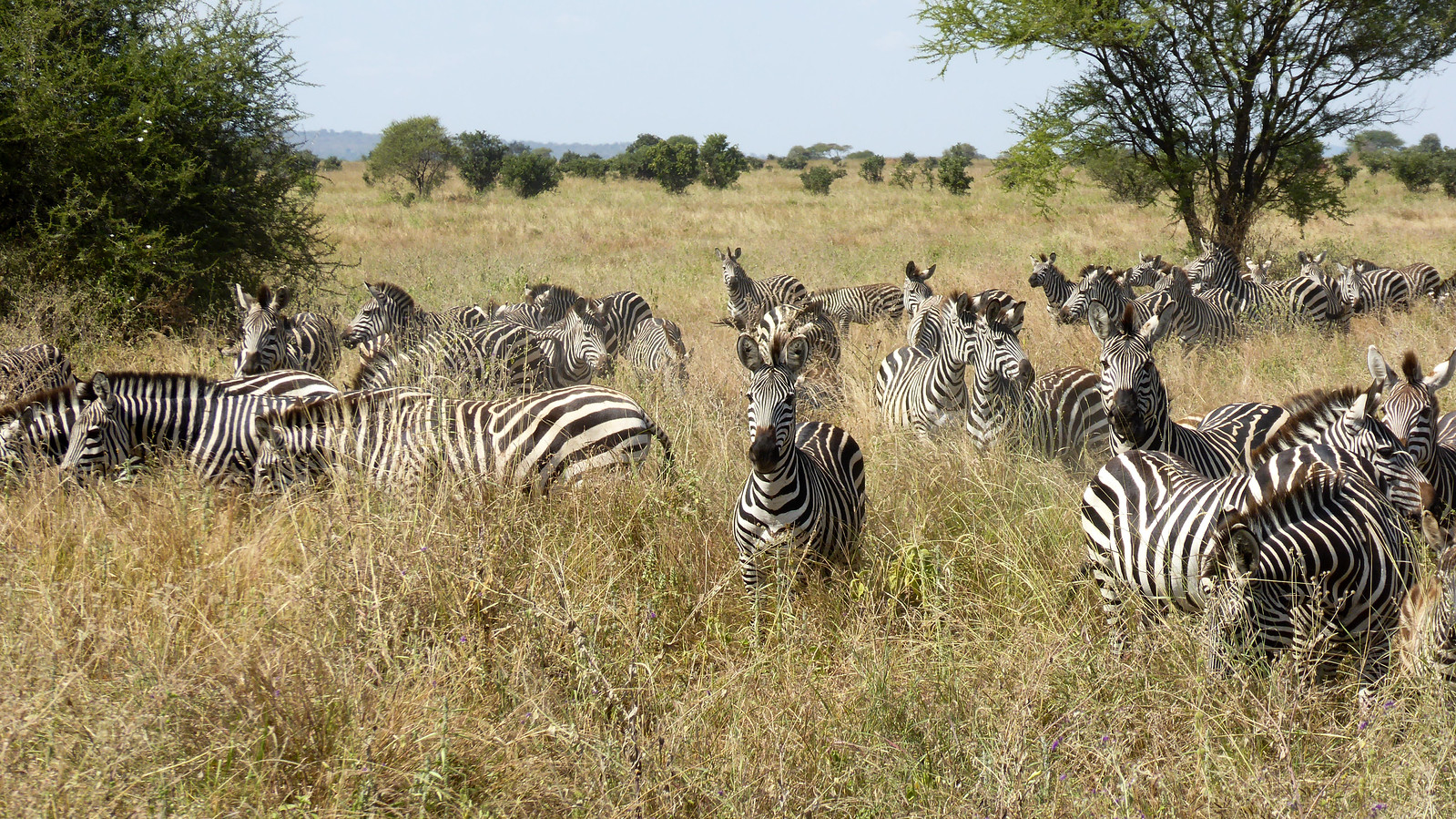
The Serengeti offers expansive landscapes and excellent opportunities to observe wildlife, including lions, elephants, giraffes, and large herds of wildebeest and zebra. Most game viewing takes place from a safari vehicle, making the destination worth considering for travellers who prefer to avoid strenuous walking.
The main challenge can be the distance between different regions of the park. Travelling between camps may involve several hours on rough roads, and a packed itinerary can become tiring even when little walking is required.
Consider staying in one region for several nights instead of trying to cover the entire park. This reduces repeated packing and transfers while allowing you to enjoy multiple game drives from a convenient base.
Domestic flights can reduce road travel, but small aircraft have baggage restrictions and may involve steps or other boarding challenges. If you use a wheelchair or require assistance, confirm arrangements with the airline and safari operator before purchasing tickets.
The best itinerary is one that balances wildlife viewing with manageable transfers. You do not need to visit several regions of the Serengeti to enjoy an exceptional safari.
Selecting a Lodge With Suitable Accessibility Features
Accommodation can determine how comfortable your safari feels from morning to evening. A lodge may have beautiful views and excellent service but still be unsuitable if guests must climb stairs to reach their rooms or walk across uneven ground to access meals.
The word “accessible” is not used consistently across the tourism industry. One property may use it to describe a room on the ground floor, while another may offer step-free entrances, accessible bathrooms, and wider doorways. Ask for specific information about the facilities you need.
Entrances, Paths, and Room Location
Ask how you will travel from the vehicle drop-off point to your room. Some lodges have level entrances and firm pathways. Others require guests to climb stairs or walk along sloping, gravel-covered, or grassy paths.
If you use a wheelchair or walker, confirm that pathways are sufficiently wide, firm, and stable. Sand, loose stones, mud, and thick grass can make movement difficult. A path that is manageable in dry weather may become slippery during rain.
Room location also matters. Request accommodation close to reception, the restaurant, and other facilities you expect to use. If the lodge offers a shuttle cart, confirm whether it can accommodate your mobility aid, how frequently it operates, and whether you can request transport when needed.
If a specific accessible room is essential, ask the lodge to confirm the room type in writing. Do not rely solely on a general statement that the property welcomes travellers with disabilities.
Bathrooms and Shower Access
Bathrooms require particular attention because slippery surfaces and raised shower thresholds can increase the risk of falls. If you need a level-access shower, grab rails, a shower seat, or a raised toilet seat, ask whether these features are available in the actual room assigned to you.
Request photographs of the bathroom and ask about the shower entrance, available floor space, door width, and position of the toilet. If you use a wheelchair, confirm whether there is enough room to manoeuvre and transfer safely.
Some safari properties have bathrooms with steps, narrow entrances, or raised shower platforms. A spacious bedroom does not necessarily mean the bathroom is accessible.
Do not assume that staff can install safety equipment at short notice. Confirm essential requirements before paying a deposit, especially when travelling to a remote lodge with limited facilities.
Beds, Lighting, and Room Comfort
Bed height can affect how easily you get in and out of bed. If a low bed is difficult to use, ask whether the lodge can provide a suitable alternative. Very high beds can also create problems for travellers with balance difficulties.
Good lighting is useful when moving around at night. Ask whether the bathroom route is well lit and whether light switches are easy to reach from the bed. Clear pathways and a bedside lamp can reduce unnecessary movement in the dark.
If you use powered mobility equipment or medical devices, confirm charging arrangements. Some remote camps have limited electricity or scheduled power availability. If your equipment depends on regular charging, this should be discussed before booking.
A comfortable room is not simply a luxury. It provides a reliable place to rest between activities and can make the entire trip easier to manage.
Choosing the Right Safari Vehicle
Safari vehicles are often designed for rough roads rather than easy access. Many have high ground clearance and several steps, which can be difficult for travellers with limited knee movement, balance problems, or reduced strength.
Ask your operator about the exact vehicle that will be used. Find out how high the entry step is, whether handholds are available, and whether a stable step or suitable transfer aid can be provided. If you use a wheelchair, explain whether you can transfer into a standard seat or need to remain in your chair during the drive.
Why a Private Vehicle Can Help
A private safari vehicle offers greater control over the day’s schedule. You can arrange shorter drives, take breaks where appropriate, and return to the lodge when you need to rest. Your guide can also adapt the outing to your interests and comfort.
Private transport does not automatically mean accessible transport. A standard 4×4 may still have high steps, narrow doors, and limited space for mobility equipment. Confirm the vehicle’s actual features before making a booking.
If you use a wheelchair, walker, or other mobility aid, ask how it will be stored and secured during the drive. Folding wheelchairs may fit in some vehicles, but larger or powered equipment can require substantial space. Confirm the dimensions, weight, and handling requirements in advance.
Ramps, Lifts, and Transfer Assistance
Specialist accessible safari vehicles are available in some destinations, but supply varies between operators and locations. Some vehicles have ramps or lifts, while others rely on transfers into a standard seat. These arrangements are not interchangeable.
If a ramp or lift is essential, request confirmation that the equipment is fitted to the specific vehicle assigned to your trip. Ask whether it can safely accommodate your wheelchair’s dimensions and weight and whether staff are trained to operate it.
If you transfer from a wheelchair into a vehicle seat, discuss a safe transfer method with your healthcare professional or mobility specialist. Do not assume that a driver or guide can safely lift you manually. The required equipment and trained assistance should be arranged in advance.
Ask how your mobility aid will be stored and whether it will remain accessible at stops. Equipment that is essential for moving around should not be packed where it becomes difficult to retrieve.
Seating and Ride Comfort
Rough safari roads can produce significant vibration. This may be uncomfortable for travellers with back pain, joint problems, or sensitivity to movement.
Ask about seat cushioning, legroom, handholds, and whether you can change position during the drive. If you need to elevate a leg or maintain a particular sitting position, explain this before the vehicle is assigned.
Your operator may be able to plan shorter outings or choose routes with smoother surfaces where possible. However, park roads vary, and some destinations have limited opportunities for suitable rest stops. Discuss the realistic travel conditions rather than relying on general assurances.
Low-Walking Safari Activities
Game drives are not the only way to experience East African wildlife. Boat cruises, selected birdwatching activities, scenic drives, and some cultural visits can add variety without requiring extended walking.
A boat cruise along the Kazinga Channel in Uganda, for example, can provide excellent wildlife viewing from the water. Nile excursions in Murchison Falls National Park offer opportunities to see hippos, crocodiles, and birds. In suitable locations, birdwatching can be enjoyed from a lodge garden or a vehicle.
However, an activity with limited walking is not automatically accessible. Boat boarding may involve steep steps, a narrow gangway, or an unstable landing. Toilets may not be available onboard, and seating may lack the support you need.
Before booking a cruise, ask where the boat departs, how passengers reach the dock, whether there are steps, and whether staff can provide suitable assistance. If you use a wheelchair, confirm whether the chair can be taken onboard and whether there is enough space to position it safely.
Birdwatching is often a good option for travellers who enjoy a slower pace. A knowledgeable guide can help identify birds from a vehicle, lodge terrace, garden, or suitable viewing point. If the proposed activity involves a trail, ask about its length, surface, slope, and available resting places.
Cultural visits can also work well when the venue has vehicle access close to the activity area and suitable facilities. Confirm walking distances, toilet access, and whether seating is available throughout the visit.
Choose activities that genuinely interest you. There is no need to fill the itinerary with excursions simply because they require less walking.
Gorilla Trekking and Mobility Limitations
Mountain gorilla trekking in Uganda and Rwanda requires additional planning because it takes place in forest terrain that can be steep, muddy, slippery, and uneven. It is substantially different from a short walk around a lodge.
The time needed to reach a gorilla family varies because gorillas move freely through the forest. Some treks are shorter than others, but no itinerary can guarantee that the terrain will be easy or that the walk will take a particular amount of time.
Travellers with significant mobility limitations should discuss their requirements with the relevant park authority and a specialist safari operator before paying for permits. Ask whether any suitable support arrangements are available, what the terrain may involve, and what alternatives exist if the trek proves unsuitable.
Porters can assist with carrying bags and may provide support where the terrain allows, but they should not be treated as a guarantee that every trail will be manageable. Any specialised assistance involving carrying or mobility support must be arranged through authorised providers and assessed for safety.
A medical consultation may help you decide whether the planned physical effort is appropriate. Consider the possibility of slippery slopes, the need to maintain balance, the weather, and the difficulty of reaching medical assistance quickly if you become unwell.
If the available arrangements cannot meet your needs safely, consider a safari focused on savannah wildlife, boat excursions, birdwatching, scenic lodges, and cultural experiences. You can have a memorable trip without undertaking a demanding forest trek.
Planning Transfers and International Flights
Travel days can be more tiring than the safari activities themselves. Airport queues, transfers, long periods of sitting, steps into vehicles, and rough roads can accumulate into a demanding journey.
Where possible, avoid changing accommodation every night. Staying for several nights in one location reduces packing and unpacking and gives you time to settle into the property. It also allows the guide to organise activities around your comfort.
Domestic flights can reduce long road journeys, but small aircraft may have strict baggage restrictions and limited boarding assistance. Inform the airline or flight operator about your mobility requirements well before departure. Confirm whether your equipment can be transported, whether batteries require special handling, and how boarding and disembarking are managed.
Airport assistance should be arranged through the airline or relevant airport service. If you need help moving between check-in, security, boarding gates, and the aircraft, request it in advance.
Consider spending the first night in a city hotel after a long international flight rather than immediately driving to a remote national park. An overnight stay near the departure airport can also make the return journey less stressful.
If you need frequent stops, discuss them before the route is finalised. Toilets, suitable rest areas, and safe stopping points may be limited in remote areas. A realistic transfer schedule is more valuable than an ambitious itinerary that leaves little time for rest.
Packing Mobility Aids and Essential Equipment
Pack according to the equipment you use in everyday life. If you rely on a cane, walker, wheelchair, brace, transfer aid, or other mobility support, consider how it will be used at airports, lodges, vehicle stops, and activity departure points.
If you use a wheelchair, consider the surfaces you will encounter. Lodge paths and safari roads may be uneven, sandy, or muddy, so a chair designed mainly for smooth indoor floors may not work well everywhere. Discuss the proposed itinerary with your mobility equipment provider if you are unsure whether your equipment is suitable.
Bring essential spare parts, charging equipment, cushions, or tools, subject to airline restrictions. Keep important equipment instructions accessible and label mobility aids clearly. Photographs and written descriptions can help if an item is delayed or damaged during transit.
Comfortable footwear with good grip is useful even if you only plan short walks. Loose gravel, wet decks, and uneven paths can create slip hazards. Clothing should suit the climate and allow comfortable movement when entering and leaving vehicles.
Keep prescription medication and essential medical supplies in your hand luggage. If you need a particular cushion or support device during long drives, confirm that it can be accommodated in the vehicle.
Review your travel insurance to understand whether mobility equipment is covered for loss, damage, repair, or replacement. Standard baggage cover may not be sufficient for specialised equipment.
Budgeting for an Accessible Safari
A safari planned around mobility needs may cost more than a standard group tour, depending on the destination and the services required. Private vehicles, specialist accessible transport, carefully selected accommodation, extra nights, and dedicated assistance can increase the total price.
Private transport is often one of the main additional costs. Sharing a vehicle can reduce expenses, but it may limit your ability to take breaks or return to the lodge when needed. Compare the price difference against the flexibility and comfort a private arrangement provides.
Specialist accessible vehicles may be limited in number, so availability can influence the itinerary and price. If a ramp-equipped vehicle or particular transfer aid is essential, book early and confirm the exact arrangement in writing.
Accessible accommodation may also have limited availability. Ask whether the property has a room designed for your needs or is simply offering a ground-floor room. Confirm bathroom facilities, entrance access, and the distance to communal areas before paying.
Other expenses may include airport assistance where chargeable, mobility equipment transport, extra luggage, domestic flights, and additional nights to reduce travel pressure. Include these costs in the initial budget rather than treating them as last-minute additions.
Request a written quotation that identifies accommodation, room type, transport, vehicle arrangements, meals, park fees, activities, assistance services, and exclusions. Ask what happens if a promised accessibility feature is unavailable on arrival. Clear written arrangements reduce the risk of discovering that the trip cannot be delivered as expected.
Health Preparation and Travel Insurance
Travel insurance is important for all safari travellers, but policy details deserve particular attention when mobility limitations or existing medical conditions are involved. Check whether the policy covers declared pre-existing conditions, emergency treatment, evacuation from remote locations, trip interruption, and the activities included in your itinerary.
If you use a wheelchair or other mobility equipment, ask whether the policy covers loss, damage, repair, or replacement. Obtain written clarification from the insurer if the equipment is essential to your independence.
Arrange a medical review if your mobility limitations relate to a health condition or if the trip involves long flights, rough roads, high temperatures, or strenuous activities. Your healthcare professional can advise on medication, movement during flights, hydration, and precautions suited to your circumstances.
Carry a concise medical summary, a medication list, emergency contacts, and details of any serious allergies. Keep this information secure but accessible to a travel companion if you may need assistance.
Ask your operator about medical facilities near each remote destination and how emergency support works. A lodge may have staff trained in basic first aid without having a doctor or advanced treatment facilities onsite. Find out what evacuation arrangements are available and how the operator would respond if you needed urgent medical attention.
Remote safari areas may be far from hospitals, so realistic planning is essential. The aim is not to avoid every remote destination but to understand the arrangements before deciding where to travel.
Questions to Ask Before Booking
Before paying a deposit, ask the safari operator to confirm the details that will affect your daily comfort. Request the names of the proposed lodges, the exact room categories, and a description of the route from the vehicle to the room and dining areas.
Ask which vehicle will be used and how you will board it. If you use a wheelchair, confirm whether it can be transported, whether you will transfer into a standard seat, and whether specialist equipment is required. Do not assume that a private vehicle is automatically accessible.
Clarify how long each transfer and game drive is expected to take. Ask whether you can shorten an outing, return to the lodge early, or skip an activity without affecting the rest of the group. If boat trips are included, confirm the boarding process and the assistance available.
Request written confirmation of essential accessibility features. If you need a level-access shower, grab rails, a ramp, or a vehicle lift, the itinerary should not rely on an unverified promise.
Finally, review the payment terms, cancellation policy, and arrangements for changes caused by weather, road conditions, or transport disruptions. An operator who answers practical questions clearly is better placed to plan a safari that meets your needs.
Designing a Safari Around Comfort and Wildlife
A successful safari with mobility limitations does not have to include every park or activity. It should focus on the wildlife experiences you value most and the practical arrangements that allow you to enjoy them.
You might spend several nights in Queen Elizabeth National Park, combining vehicle-based wildlife viewing with a boat cruise. You could choose Akagera for a shorter Rwanda safari or stay in one region of Kenya’s Maasai Mara for several days of game drives. Tanzania’s Serengeti may suit you if you select a convenient camp and limit long road transfers.
Allow time to rest between activities. Choose accommodation that minimises unnecessary walking, use a vehicle that you can enter safely, and make sure the itinerary leaves room for changes. If an activity proves unsuitable, having alternatives means you can continue enjoying the trip without feeling that the entire holiday has been disrupted.
Most importantly, treat accessibility as a central part of the planning process rather than a detail to resolve after booking. Accurate information about paths, bathrooms, vehicles, transfers, and assistance can make the difference between a stressful trip and a comfortable one.
East Africa offers remarkable wildlife and landscapes for travellers with different physical abilities. With careful destination selection, suitable accommodation, realistic travel times, and a safari operator who understands your requirements, mobility limitations do not automatically prevent you from experiencing Africa’s wildlife. The right safari is the one that lets you enjoy the journey safely, comfortably, and at your own pace.


No comment