
Shoulder Season Safaris: How Much Can You Really Save?
Understanding Shoulder Season in East Africa
A safari in East Africa can be expensive, especially when you travel during the busiest months of the year. Accommodation rates rise, popular lodges fill quickly, and international flights may cost more around major holidays. However, travellers who adjust their departure dates can sometimes enjoy a similar wildlife experience at a lower overall cost. This is where shoulder season becomes worth considering.
Shoulder season refers to the periods between the busiest travel months and the quieter low season. In East Africa, these periods vary by destination, rainfall patterns, school holidays, and wildlife activity. For many safari destinations, shoulder-season travel falls around March, May, October, and November, although the exact pattern differs between Uganda, Rwanda, Kenya, and Tanzania.
The potential savings come from several areas. Lodges may reduce their nightly rates, tour operators may have more flexibility with packages, and flights can sometimes be cheaper outside major holiday periods. You may also have more accommodation choices and find it easier to arrange private transfers or activities around your preferred dates.
However, shoulder season does not automatically mean a cheap safari. Some lodges maintain their rates throughout the year, and flights can remain expensive when demand is high. A luxury property may offer only a small discount, while a mid-range lodge could reduce its prices significantly. The final amount you save depends on where you travel, the length of your stay, the type of accommodation you choose, and the activities included in your itinerary.
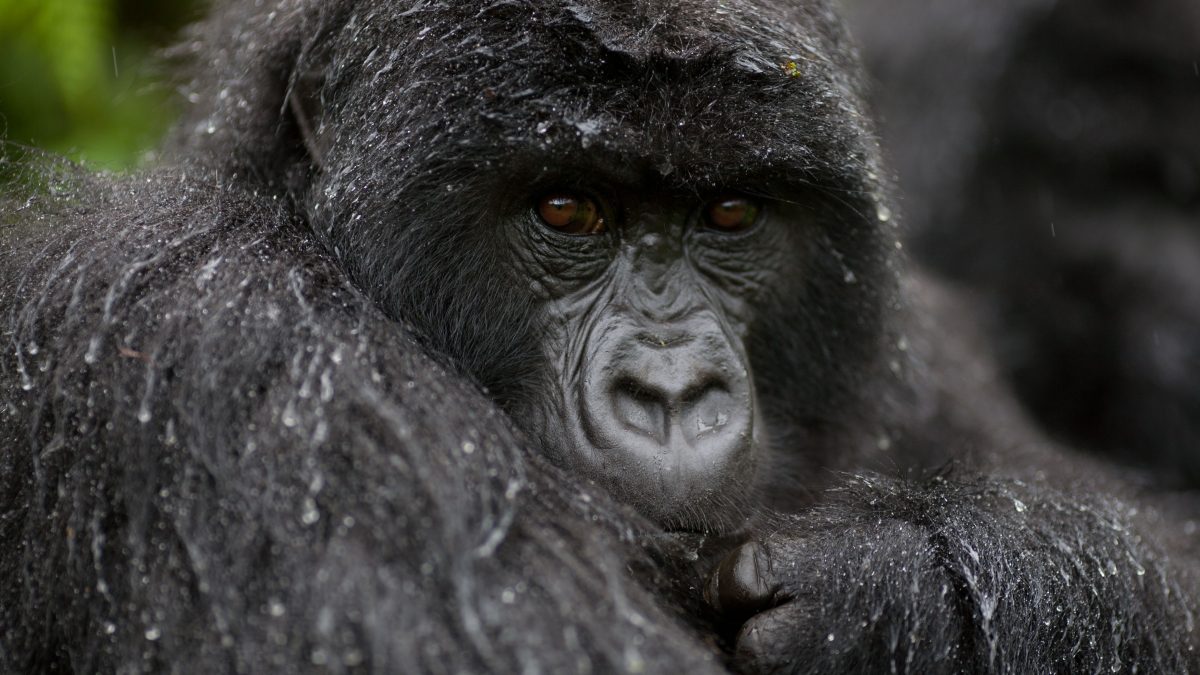
For travellers planning gorilla trekking, the calculation is slightly different. Gorilla permits in Uganda and Rwanda are controlled by the relevant authorities, and their standard prices should not be assumed to fall simply because you travel during a quieter month. Your biggest savings may come from accommodation, transport, flights, and the overall structure of your safari rather than from the permit itself.
How Much Can You Really Save During Shoulder Season?
A reasonable planning estimate is that some travellers may save around 10% to 25% on selected accommodation and safari package costs by travelling during shoulder season. Larger discounts can occasionally appear on particular properties or promotional packages, while other bookings may show little or no difference. These percentages are illustrative planning ranges, not guaranteed market-wide discounts.
The distinction between saving on part of a trip and saving on the entire holiday is important. Suppose your safari package costs $3,000 per person during peak season. If accommodation and selected services make up most of the flexible costs, a shoulder-season reduction might bring the package down by a few hundred dollars. It would be misleading to assume that every component, including flights, park fees, permits, and private guiding, will receive the same percentage reduction.
Consider a hypothetical five-night safari for two people. During peak season, accommodation costs $250 per room per night, giving a total of $1,250 for five nights. If the same property offers a 20% shoulder-season discount, the nightly rate becomes $200 and the total becomes $1,000. The saving is $250 across the stay.
That is a meaningful reduction, but it does not necessarily make the entire safari 20% cheaper. If flights, park fees, permits, fuel, transfers, and other expenses remain unchanged, the overall percentage saving will be lower.
A useful way to calculate the real benefit is to compare the total cost of two complete itineraries. Use the same number of nights, accommodation category, activities, transport arrangements, and meal plan. Change only the travel dates. This reveals whether shoulder season genuinely offers better value or whether a cheaper room rate is offset by other expenses.
Why Accommodation Often Provides the Biggest Savings
Accommodation is one of the most flexible components of a safari budget. Hotels, tented camps, and safari lodges may use seasonal pricing based on expected occupancy. When fewer visitors are travelling, some properties lower their rates to attract bookings.
The difference can be substantial for travellers staying several nights in the same region. A reduction of $40 per room per night saves $200 over five nights. A reduction of $100 per night saves $500 over the same period. For a couple or family, these savings can help pay for a guided nature walk, an extra night in a national park, or a more comfortable transfer.
Luxury lodges can sometimes offer attractive shoulder-season packages, but travellers should compare the full terms. A lower nightly rate may apply only to selected room categories, require a minimum stay, or exclude certain services. Some properties offer reduced rates on meals and activities, while others simply lower the room price.
Mid-range accommodation can be especially useful for budget-conscious travellers. A comfortable lodge outside the busiest areas may cost less than a premium property overlooking a popular wildlife viewing location. During shoulder season, you may have more options in both categories, allowing you to choose a property that suits your budget without sacrificing the activities that matter most.
Budget accommodation can also provide savings, but the cheapest room is not always the most economical choice. If a low-priced hotel is far from the park entrance, you may spend more on transport or lose valuable time travelling each morning. Compare location, meals, transfer costs, and the time required to reach your activities before deciding.
How Shoulder Season Affects Flights
International flights are another possible source of savings, although airfares depend on much more than the season. Airline competition, booking lead time, departure city, connections, baggage rules, and school holidays can all influence the final price.
Travelling outside Christmas, New Year, Easter, and major summer holiday periods may improve your chances of finding a lower fare. However, there is no reliable rule that a flight to Entebbe or Kigali will always be cheaper in October than in August. Prices change frequently, and a route with limited competition may remain expensive throughout the year.
Flexibility is particularly useful when comparing departure dates. If you can leave on a Tuesday rather than a Saturday, or travel a few days earlier or later, you may find a better fare. It is worth checking the cost of arriving in one city and departing from another if your itinerary includes both Uganda and Rwanda, provided the extra transfers and border arrangements make sense.
Do not focus on the headline ticket price alone. Check baggage allowances, connection times, airport changes, overnight layovers, and ticket-change conditions. A cheap ticket with a long overnight connection may require an extra hotel night. A restrictive ticket may also become expensive if weather or road conditions force you to adjust your schedule.
For gorilla trekking, confirm your permit date before purchasing a non-refundable flight. The savings from a discounted ticket can disappear quickly if you have to change it because your preferred permit date is unavailable.
Uganda Shoulder Season Safaris: Where the Savings Come From
Uganda offers several safari experiences that can work well during shoulder season, including gorilla trekking in Bwindi Impenetrable National Park, chimpanzee trekking in Kibale Forest, wildlife viewing in Queen Elizabeth National Park, and game drives in Murchison Falls National Park.
During wetter months, some accommodation providers may offer lower rates or promotional packages. The exact savings depend on the lodge and dates, so ask for a seasonal quotation rather than assuming every property reduces its prices.
In Bwindi, accommodation close to a popular trekking sector may have different prices from lodges farther away. The sector shown on your permit determines where you need to report for the trek, so choosing a cheaper lodge without checking its location can increase transport costs. A good shoulder-season itinerary balances accommodation rates with convenient access to the trekking point.
Gorilla permit costs are a major part of many Uganda itineraries. These permits are regulated, so travellers should not budget on the assumption that shoulder-season travel automatically means a discounted permit. Instead, look at the flexible parts of the trip, including the number of nights, accommodation category, road transfers, and optional activities.
Travellers combining gorilla trekking with Queen Elizabeth National Park may find that a carefully planned route helps control costs. For example, arranging the order of park visits to reduce unnecessary driving can save fuel, driver time, and additional overnight stays. The best route depends on the permit sector, arrival airport, and the parks included.
Murchison Falls National Park can also fit a shoulder-season safari. Game drives, boat trips, and visits to the falls are available according to the relevant park and activity arrangements. Rain may affect road conditions and wildlife viewing, but it does not mean that the park becomes inactive. Planning with an experienced local operator can help you select suitable accommodation and allow enough time for transfers.
Rwanda Shoulder Season Safaris: Is It Cheaper?
Rwanda can offer savings on accommodation and selected safari services during quieter periods, but the overall cost of a gorilla trekking trip remains strongly influenced by the permit and the level of accommodation.
Volcanoes National Park is the country’s principal mountain gorilla trekking destination. Its location relatively close to Kigali makes it practical for travellers with limited time, and this can reduce the number of nights needed compared with a longer overland itinerary in Uganda.
However, a shorter trip is not automatically cheaper in every situation. Rwanda’s accommodation prices can be high around Volcanoes National Park, especially at luxury properties. If you choose a premium lodge, the cost of two or three nights may still represent a large share of the total budget.
Travellers who want to reduce costs can compare different accommodation categories, arrange airport transfers efficiently, and avoid adding unnecessary hotel nights in Kigali. A well-planned itinerary can also include cultural visits or time around Lake Kivu if the extra days fit the budget.
As in Uganda, check the current permit requirements and official prices before making your budget. Do not assume that the permit itself will become cheaper simply because you choose a shoulder-season date.
Kenya and Tanzania: Wildlife Safaris During Quieter Months
Kenya and Tanzania have different seasonal patterns because rainfall, animal movements, and visitor demand vary across their large safari regions. Shoulder season can provide good value, but the best travel dates depend on the wildlife experience you want.
In Kenya, travellers visiting the Maasai Mara may find different accommodation prices before or after the busiest migration periods. Some camps use seasonal rates, and the difference between high-season and lower-season accommodation can be significant. However, the Great Migration is not a single event that occurs across the entire ecosystem on one fixed date. Herd movements depend on rainfall and grazing conditions, so travellers should not choose a date based only on a generic calendar.
In Tanzania, the Serengeti, Ngorongoro Conservation Area, Tarangire, and other destinations have their own demand patterns. A lower-priced period may be attractive for general wildlife viewing, while travellers hoping to see a particular stage of the wildebeest migration need to plan around likely herd locations and accept that nature does not follow an exact timetable.
Rain can affect access to some remote camps and unpaved roads. If you are considering a quieter month, ask whether the camp operates throughout your travel period, whether all planned activities are available, and whether road transfers may take longer. A slightly higher accommodation rate at a well-positioned property can offer better overall value if it reduces driving time or improves access to wildlife areas.
Does Rainy Weather Ruin a Shoulder-Season Safari?
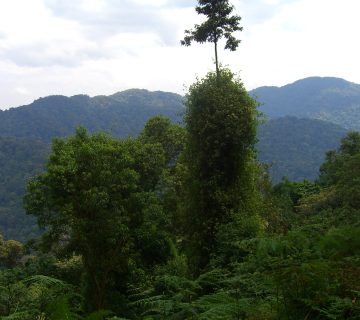
No. Rain can change the rhythm of a safari, but it does not automatically make the experience poor. In fact, shoulder season can offer lush scenery, dramatic skies, fresh vegetation, and excellent photographic conditions.
In forest destinations such as Bwindi, rain is part of the environment throughout the year. Trails can become slippery and muddy, and trekking may require more physical effort. Visitors should bring waterproof clothing, sturdy hiking boots with good grip, and a small daypack that protects cameras and other equipment.
In savannah parks, rain may make some tracks harder to navigate. Wildlife can be less concentrated around permanent water sources because temporary pools and seasonal vegetation become available. This can change where animals are seen and how long a game drive takes. Some days may offer excellent sightings, while others require more patience.
Birdwatching can be rewarding during periods when migratory species are present, depending on the location and exact dates. Green landscapes also create a different photographic style from the dry-season setting. Instead of dusty plains and sparse vegetation, you may encounter rich colours, reflections, and cloud formations.
The key is to choose the right expectations. If your priority is comfortable road travel and the easiest possible trekking conditions, a drier period may suit you better. If you want better value, green scenery, and a quieter atmosphere, shoulder season may be a sensible compromise.
Will You See Fewer Tourists?
Shoulder season can mean fewer visitors at some lodges and destinations, but the difference varies. A national park may be quiet on certain dates and busy on others, particularly around public holidays, school breaks, or major events.
Fewer visitors can improve the feeling of space at a lodge, make dining and check-in more relaxed, and provide more choice when selecting accommodation. It may also be easier to arrange a private vehicle or request a particular departure time.
However, lower visitor numbers do not guarantee private wildlife sightings. Gorilla trekking operates under specific rules, and the experience is determined by the authorised group arrangements and the gorilla family assigned to the trek. Game drives depend on animal movements, guide decisions, road access, and conditions in the park.
A quieter lodge can be a benefit in itself, especially for travellers who prefer peaceful surroundings. But if you are visiting to see a particular animal or migration stage, focus on the timing and location of that experience before prioritising crowd levels.
How to Calculate Your Actual Savings
The simplest way to compare peak and shoulder season is to create two quotations for the same itinerary. Keep the destination, number of travellers, accommodation category, number of nights, activities, and transport arrangements as similar as possible.
Start with international flights, then add permits and park fees. Include accommodation, meals, vehicle hire, fuel, driver-guide costs, transfers, and any domestic flights. Add optional activities and a realistic allowance for personal spending. Finally, compare the totals rather than looking at a single discount.
For example, imagine a seven-day safari for two people costs $6,000 during peak season. Suppose a shoulder-season quotation reduces accommodation and selected package services by $600, while flights cost $100 less per person. The total saving would be $800, reducing the trip cost to $5,200, or approximately 13.3%.
These figures are only an illustration, not a current market quotation. Your actual result could be smaller or larger. If permit costs remain unchanged and accommodation represents a small share of your package, the overall reduction may be modest. If your trip includes several nights at properties with strong seasonal discounts, the savings may be greater.
Also check whether a quotation includes the same services. A cheaper package that excludes meals, park transfers, or airport collection may cost more once you add those items. Ask for a written breakdown and compare like with like.
When Shoulder Season May Not Be the Best Choice
The cheapest month is not necessarily the right month for every traveller. If you have a very specific wildlife goal, such as seeing a particular stage of the Great Migration, seasonal location may matter more than a lower room rate. The same applies if your holiday dates are fixed by school calendars or work commitments.
Travellers with limited mobility should consider how rain affects walking trails, roads, and access to lodges. Gorilla trekking can be physically demanding in any month, and muddy conditions may add difficulty. Discuss your fitness level and any concerns with your operator before booking.
Shoulder season may also be less suitable for an itinerary with several tight connections. If heavy rain could delay road travel, leaving too little time between activities can create unnecessary stress. Extra buffer nights might reduce the apparent savings, but they can also make the trip safer and more comfortable.
Finally, check that the experiences you want are operating on your dates. Some seasonal camps close during parts of the year, and certain activities may be affected by weather or road conditions. A lower rate is useful only if the accommodation and services meet your needs.
How to Book a Better-Value Shoulder-Season Safari
Start planning several months before departure, especially if your itinerary includes gorilla trekking or other activities with limited daily capacity. Ask operators to compare dates across a flexible window, such as a week before and after your preferred departure date.
Request quotations from reputable local operators and check that each includes the same accommodation standard, meals, permits, transport, and activities. Verify the operator’s credentials and confirm the status of any permit before paying for non-refundable flights.
If you are travelling as a couple or family, ask whether a private vehicle is included and how the cost changes with the number of passengers. A private vehicle may provide flexibility, while a suitable shared arrangement can lower the cost per person. Make sure the arrangement meets your expectations before accepting a lower price.
Look at the complete route. An itinerary that avoids unnecessary backtracking may save more than a small discount on one hotel. In Uganda, for example, the correct order of Bwindi, Queen Elizabeth National Park, and other destinations depends on the trekking sector and your entry point. In Kenya and Tanzania, distances between parks can also have a significant impact on fuel, driving time, and accommodation needs.
Before confirming, review the cancellation policy, deposit schedule, payment currency, and any seasonal restrictions. Keep enough money available for unexpected expenses, and avoid committing to a trip based on a promotional rate that does not match your travel dates.
The Best Way to Decide Whether Shoulder Season Is Worth It
Shoulder-season travel is most attractive when you have some flexibility, want to control accommodation costs, and are comfortable with the possibility of rain. It can be particularly appealing for longer safaris because even a modest nightly reduction can add up across several destinations.
The strongest value comes from balancing price with the experience you want. A lower lodge rate is helpful, but it should not force you into a poor location, an exhausting route, or dates that do not suit your main wildlife goal.
For gorilla trekking, treat permit availability and official permit pricing as separate from accommodation discounts. For classic wildlife safaris, compare the expected seasonal wildlife experience with the savings offered by camps and lodges. For any destination, use complete quotations and realistic travel timings to judge the difference.
If your dates are flexible, ask for both peak-season and shoulder-season options before making a decision. You may find that moving the trip by a few days or choosing a different lodge saves enough to extend the safari, upgrade a room, or add another wildlife activity without increasing your overall budget.


No comment