
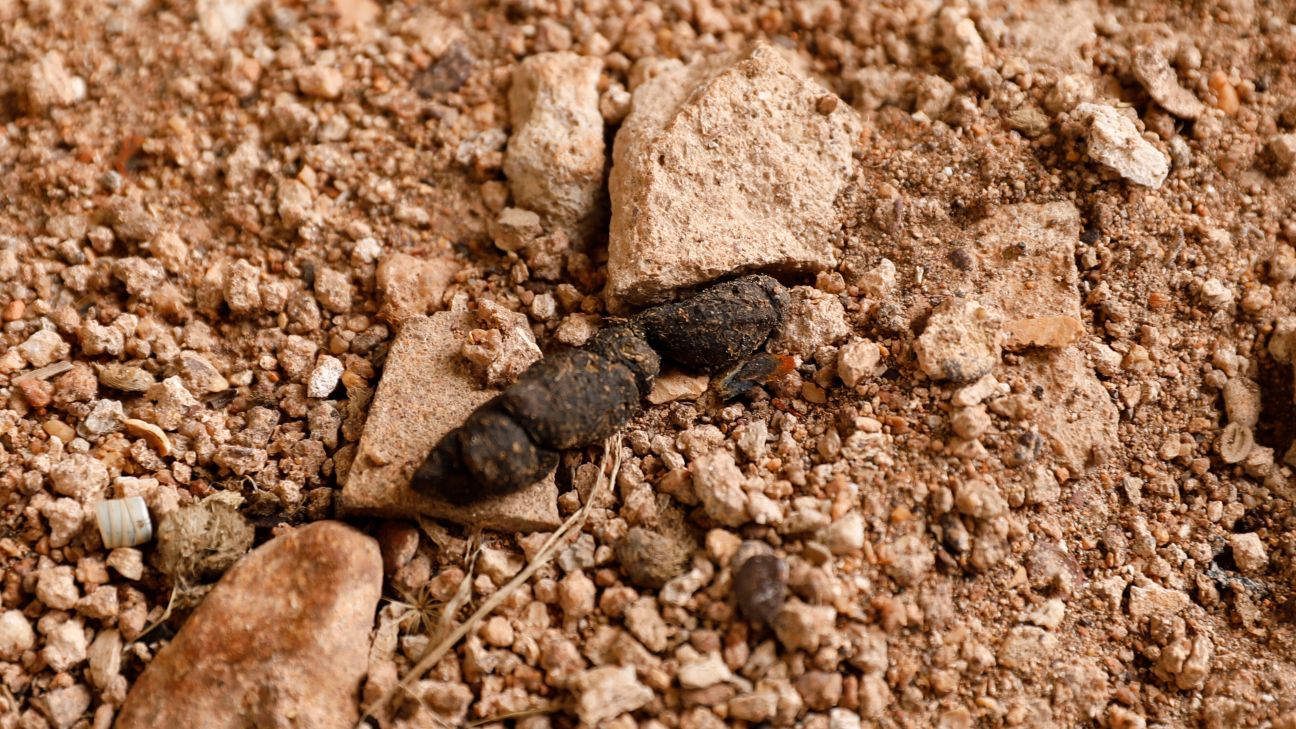
What Animal Droppings Tell Your Guide
When you go on an African safari, you probably expect your guide to look for lions, elephants, giraffes, buffaloes and other wild animals. What may surprise you is how often an experienced guide stops to examine something most people would rather avoid: animal droppings. Scattered along dusty tracks, beneath trees or beside watering holes, these natural signs provide valuable information about wildlife.
Animal droppings on safari can help your guide identify which animals have visited an area, what they have been eating and whether they may still be nearby. Their size, shape, colour and contents all provide clues. For experienced wildlife trackers, even a small pile of dung can reveal something about animal behaviour.
Understanding these signs makes your safari more interesting, especially in national parks across Uganda, Kenya, Tanzania and Rwanda, where animals often remain hidden in grasslands, forests and thick vegetation.
Why Safari Guides Examine Animal Droppings
During a morning game drive in Queen Elizabeth National Park, your guide might suddenly slow down near a pile of elephant dung. You may wonder why the vehicle has stopped when there are no elephants in sight.
Your guide is checking whether elephants have recently passed through the area.
Droppings form part of what wildlife trackers call spoor, which includes footprints, feeding marks, broken branches and other signs animals leave behind.
An experienced guide examines several details before making a judgement:
- Size and shape: Different animals produce different types of droppings.
- Colour: Changes may provide clues about diet and exposure to weather.
- Moisture: Fresh droppings are often wetter than older ones.
- Contents: Grass, seeds, hair and bone fragments can suggest what an animal has eaten.
- Location: Droppings near water, feeding areas or animal paths can indicate movement patterns.
However, your guide will rarely rely on dung alone. Footprints, weather conditions and the surrounding vegetation help confirm what happened.
1. Elephant Droppings Reveal Feeding Habits and Movement
Elephant dung is among the easiest wildlife droppings to recognise during an African safari.
It usually appears as large, rounded masses containing partially digested vegetation. Because elephants consume substantial quantities of grasses, leaves, branches, bark and fruits, their droppings often contain visible plant fibres.
While travelling through Murchison Falls National Park or Queen Elizabeth National Park, your guide may examine elephant dung to understand what the animals have recently eaten.
For example, visible seeds can suggest that elephants have been feeding on fruits, while coarse fibres may indicate a diet containing grasses and woody plants.
Fresh elephant dung can also suggest recent activity in the area.
Your guide may then check nearby footprints, broken branches and feeding marks to establish the likely direction of movement.
Elephants play another important role through their droppings. Seeds that pass through their digestive systems can germinate after being deposited elsewhere, helping plants spread through the landscape.
2. Lion Droppings Can Reveal What They Have Eaten
Finding a lion is often one of the most exciting experiences on an African safari.
However, lions spend considerable periods resting, sometimes hidden beneath bushes or among tall grasses.
Their droppings provide useful evidence of their presence.
Lion scat may contain hair, bone fragments and other remains from animals they have eaten. Its appearance varies depending on the prey consumed and how recently the droppings were deposited.
A guide who finds suspected lion droppings may examine nearby footprints and signs of feeding activity.
In areas such as the Serengeti, Maasai Mara and Queen Elizabeth National Park, these combined clues can help guides identify locations where lions have been active.
However, scat alone cannot reliably tell a guide exactly when a lion passed or whether it remains nearby.
Your guide must consider several signs before deciding whether to continue searching.
3. Buffalo Droppings May Indicate Herd Activity
African buffaloes commonly move in groups, although older males may spend time alone or in smaller groups.
Their dung often appears as soft, rounded deposits, similar in general appearance to domestic cattle dung.
During a game drive, finding numerous buffalo droppings along a track may indicate that several animals have passed through or spent time feeding nearby.
A guide can examine the surrounding grass, hoofprints and resting areas to understand the herd’s recent activity.
This information is particularly important during walking safaris.
Buffaloes can be dangerous when surprised at close range, especially in thick vegetation.
If your guide discovers fresh signs of buffalo activity ahead, they may choose a different walking route.
The aim is to observe wildlife safely without disturbing the animals.
4. Giraffe Droppings Show Where They Have Been Feeding
Giraffes produce relatively small, rounded pellets that may seem surprising for animals of their size.
Their digestive systems help process the leaves and other vegetation they browse.
Giraffe droppings can sometimes be found beneath acacia trees and other feeding areas.
When your guide notices these pellets, they may inspect nearby branches for evidence of browsing.
Giraffes use their long necks and tongues to reach leaves that many other grazing animals cannot access.
In Uganda’s Murchison Falls National Park or Kenya’s savannah reserves, giraffe dung combined with browsing signs can indicate where these animals have recently been feeding.
It also gives your guide an opportunity to explain the difference between browsers and grazers.
Browsers mainly feed on leaves and woody vegetation, while grazers obtain much of their food from grasses.
5. Hippopotamus Droppings Reveal Activity Around Water
Hippos spend much of the daytime in rivers, lakes and other water bodies.
At night, they commonly leave the water to graze on surrounding grasslands.
One unusual characteristic of hippopotamuses is how they distribute their dung.
Hippos may rapidly move their tails while defecating, scattering dung across nearby surfaces. This behaviour can play a role in communication and territorial displays.
During a boat safari along the Kazinga Channel or Nile River, your guide may point out signs of hippo activity near the water.
Droppings on riverbanks, combined with tracks and grazing paths, can help explain where hippos move between water and land.
Hippos are powerful and potentially dangerous animals. Visitors should never approach their trails or resting areas without appropriate guidance.
6. Hyena Droppings Can Contain Bone Remains
Hyenas have powerful jaws and digestive systems capable of processing substantial amounts of bone.
As a result, their droppings sometimes become pale or almost white when dry because of their high calcium content.
This makes some hyena scat noticeably different from other carnivore droppings.
If your guide discovers pale scat along a game track, they may look for hyena footprints or other evidence before identifying the animal responsible.
Hyenas are both hunters and scavengers. Their feeding behaviour helps remove animal remains from the environment.
You may encounter signs of spotted hyenas while exploring the Serengeti, Maasai Mara or other savannah wildlife areas.
Their droppings provide an interesting opportunity to understand how predators and scavengers contribute to natural processes.
7. Antelope Droppings Help Guides Identify Grazing Areas
Antelopes such as impalas, Uganda kobs, topis and gazelles often produce small pellets.
Although these droppings can appear similar, experienced guides consider their size, arrangement, surrounding habitat and nearby hoofprints when identifying the likely species.
In Queen Elizabeth National Park, for example, concentrations of Uganda kob droppings may suggest regular use of particular grazing grounds.
Your guide might also explain how some antelope species use repeated defecation sites as part of territorial behaviour.
However, accurately identifying an antelope species from pellets alone can be difficult.
Guides therefore examine several environmental clues rather than relying on a single characteristic.
How Guides Estimate the Age of Animal Droppings
One of the most interesting parts of wildlife tracking is determining whether an animal passed recently.
Fresh dung often looks moist, while older droppings tend to dry, crack or change colour.
However, these changes depend on environmental conditions.
For example, elephant dung deposited during hot, dry weather may lose moisture relatively quickly. The same dung in a cool, shaded location may remain moist for longer.
Rainfall can also make older droppings appear wet again.
Your guide considers:
- Moisture and general appearance.
- Exposure to direct sunlight.
- Recent rainfall and local weather.
- Insect activity around the droppings.
- Nearby footprints and feeding signs.
These observations help estimate whether the animal passed recently or some time earlier.
They do not provide an exact clock time.
What Droppings Tell Guides About Animal Diets
Animal droppings provide useful evidence of feeding habits.
Herbivores such as elephants, buffaloes and zebras mainly consume plant material. Their dung may contain recognisable grass, leaves, seeds and other vegetation.
Carnivores such as lions and leopards consume meat, and their scat may contain fur or fragments of bone.
Omnivorous animals can produce droppings containing a mixture of plant and animal remains.
Guides can use this information to explain the relationships between wildlife, vegetation and seasonal food availability.
Scientists also analyse animal droppings to study diets and, through specialised laboratory methods, investigate parasites, hormones and other aspects of wildlife health.
A safari guide cannot reliably diagnose an animal’s health simply by looking at its dung.
Why Animal Droppings Are Important to the Environment
Animal droppings support many forms of life in African national parks.
One of the most interesting examples involves dung beetles.
These insects feed on dung, bury portions of it and sometimes roll it into balls.
Their activities help return nutrients to the soil, support decomposition and redistribute seeds.
Some insects also use dung as a place to lay eggs, while other small organisms depend on it for food.
Elephant dung is particularly valuable to many dung beetle species.
Therefore, even after a large animal moves away, its droppings continue supporting other organisms.
This is part of the natural recycling of nutrients that keeps wildlife habitats functioning.
What You Can Learn During a Guided Walking Safari
A guided walking safari provides an excellent opportunity to learn about animal tracking.
Unlike a vehicle safari, walking allows you to observe smaller details along paths, beneath trees and beside animal tracks.
Your guide may explain how footprints, dung, feeding marks and sounds provide information about wildlife activity.
You can ask questions such as:
- Which animal probably left these droppings?
- What do they suggest about its diet?
- How do you judge whether the signs are fresh?
- Which other tracks help confirm the species?
- How do these droppings benefit the environment?
Never handle animal droppings with bare hands. They can contain harmful microorganisms and parasites. Observe them from a safe distance and follow your guide’s instructions.
Where to Experience Wildlife Tracking in East Africa
You can learn about animal signs during game drives and authorised guided walks in several East African wildlife destinations.
| National Park or Reserve | Country | Wildlife Tracking Opportunities |
|---|---|---|
| Queen Elizabeth National Park | Uganda | Lions, elephants, buffaloes and Uganda kobs |
| Murchison Falls National Park | Uganda | Elephants, giraffes, buffaloes and hippos |
| Lake Mburo National Park | Uganda | Zebras, impalas, buffaloes and other herbivores |
| Serengeti National Park | Tanzania | Lions, hyenas, wildebeest and elephants |
| Maasai Mara National Reserve | Kenya | Lions, hyenas, elephants and grazing herbivores |
| Akagera National Park | Rwanda | Elephants, buffaloes, hippos and antelopes |
Tracking opportunities depend on wildlife movements, park rules, seasonal conditions and the availability of qualified guides.
Final Thoughts: Every Wildlife Sign Has Something to Teach You
The next time your safari guide stops beside animal droppings, pay attention. What appears ordinary may reveal which animals recently passed through the area, what they were eating and how they use their habitat.
Experienced guides combine these clues with footprints, vegetation, weather conditions and years of field knowledge.
Learning about animal droppings on safari helps you appreciate wildlife even when the animals themselves remain out of sight.
Whether you are exploring Uganda’s Queen Elizabeth National Park, Kenya’s Maasai Mara or Tanzania’s Serengeti, wildlife tracking can add another interesting dimension to your African safari experience.
A good safari is about understanding the animals and their environment, not simply finding them.



No comment