
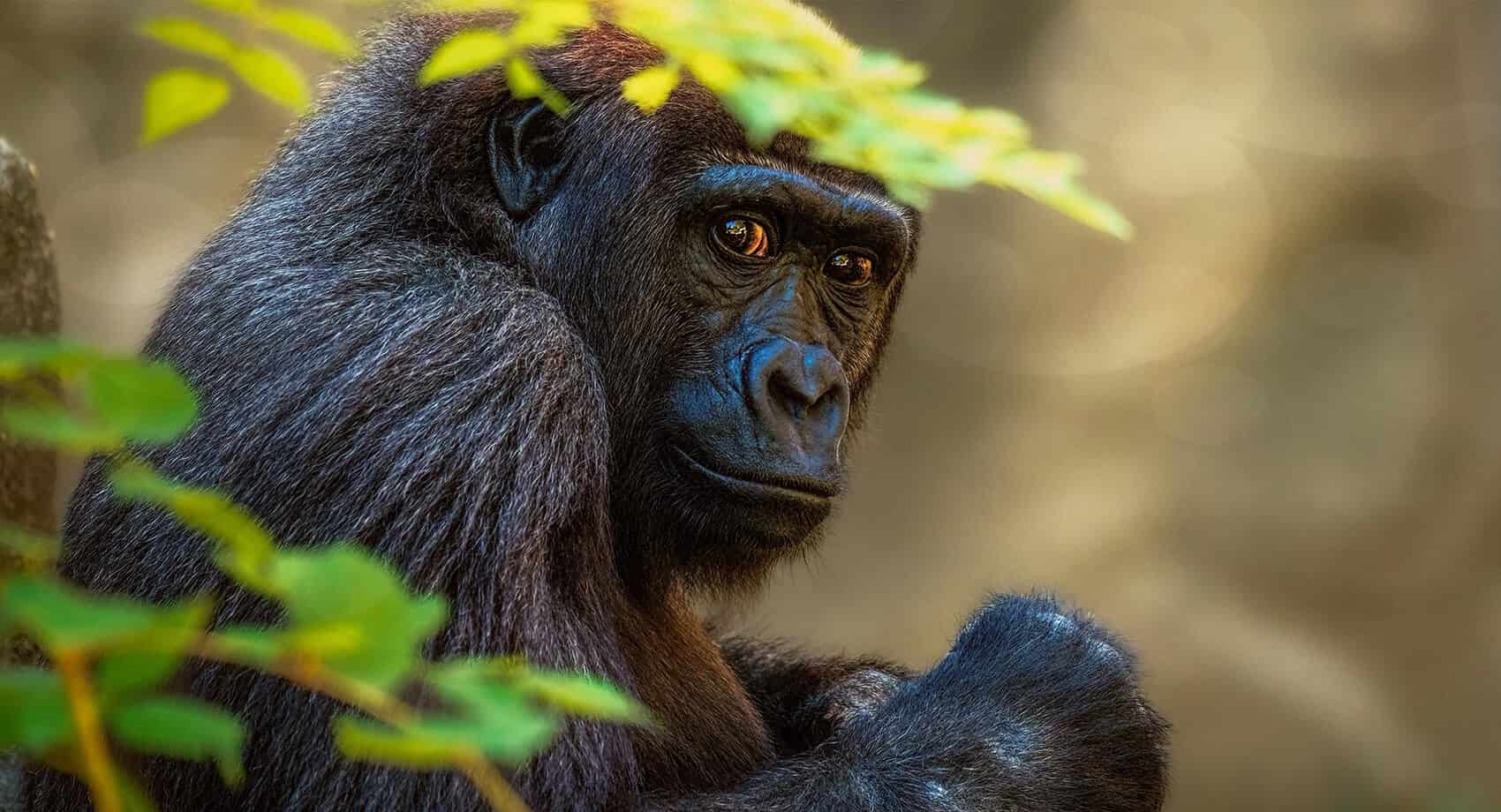
How Far in Advance Should You Book a Gorilla Permit and Flights Together?
Planning Your Gorilla Trekking Safari Around Permit Availability
A gorilla trekking safari requires more planning than an ordinary holiday because the number of visitors allowed to see mountain gorillas each day is limited. You may find a suitable flight to Uganda or Rwanda, choose a beautiful forest lodge, and prepare your travel dates, only to discover that permits are no longer available for the day you want to trek. This is why the booking order matters.
For most travellers, the safest approach is to begin planning six to twelve months before the safari, particularly when travelling during the busiest months or when dates cannot easily change. A lead time of three to six months may work for many trips, especially outside peak periods, but it offers less flexibility if you want a particular trekking sector, lodge, flight schedule, or group arrangement.
The most important principle is to secure the gorilla permit before committing to non-refundable international flights. Your flight determines when you arrive in East Africa, but your permit determines the day you must be in the right park. Once the trekking date is confirmed, you can build the rest of the itinerary around it.
Uganda and Rwanda both offer mountain gorilla trekking, but their booking systems, travel distances, accommodation choices, and permit arrangements differ. Uganda’s main trekking destinations are Bwindi Impenetrable National Park and Mgahinga Gorilla National Park. In Rwanda, visitors trek in Volcanoes National Park. Choosing your destination early helps you estimate how much time you need and prevents costly changes later.
The Ideal Booking Timeline
Nine to Twelve Months Before Travel
Booking nine to twelve months in advance is a sensible choice for travellers planning a safari during popular holiday periods, especially if they have fixed dates. This is particularly useful for families, couples travelling on a special occasion, photographers, and groups who need several permits for the same day.
The dry-season months of June through September are popular for gorilla trekking in both countries. December through February also attracts many visitors seeking relatively drier conditions. These periods can bring stronger demand for permits, international flights, and sought-after lodges. A specific lodge or room category may sell out even when some permits remain available.
Starting early gives you time to compare Uganda and Rwanda, discuss your preferred trekking experience with a reliable tour operator, and decide whether to combine gorilla trekking with other activities. In Uganda, you might add a safari in Queen Elizabeth National Park, a visit to Lake Bunyonyi, or a journey to Kibale Forest for chimpanzee trekking. In Rwanda, you might combine Volcanoes National Park with Kigali, Lake Kivu, or Akagera National Park.
If you are travelling with six or eight people, early planning becomes even more valuable. Each trekker needs a permit, and the number of available permits on a given date is limited. A group may struggle to find enough places together if it waits until the final weeks.
At this stage, identify your preferred trekking date and ask for a permit availability check. Do not assume that an operator’s general itinerary or a flight booking means a permit has already been secured. Request clear confirmation of the permit status and the payment terms before proceeding.
Six to Nine Months Before Travel
Six to nine months ahead is a strong planning window for many travellers who want a good balance of choice and flexibility. It is often enough time to coordinate permits, accommodation, international flights, domestic transfers, and additional wildlife activities without leaving every decision until the last minute.
If your travel dates are flexible by a few days, tell your tour operator. Moving the trek by one day may open up more permit options or make it easier to find accommodation at your preferred price. Flexibility can be especially helpful during July, August, Christmas, New Year, and other busy travel periods.
Once the permit date is confirmed, compare flight routes and arrival times. For Uganda, international visitors generally arrive at Entebbe International Airport before travelling by road or domestic flight towards the gorilla trekking region. The drive to Bwindi can take many hours, depending on the trekking sector, road conditions, traffic, and overnight stops. It is usually wise to arrive in Uganda at least a day before trekking and often two days before if the itinerary involves a long road journey or a connection that could be disrupted.
For Rwanda, travellers generally arrive at Kigali International Airport. Volcanoes National Park is closer to Kigali than Bwindi is to Entebbe, making the transfer more manageable. Even so, arriving the day before the trek is a safer plan than landing on the morning of the activity. Delays, baggage problems, immigration queues, and road conditions can affect the schedule.
Three to Six Months Before Travel
Three to six months before departure can be suitable for many individual travellers, particularly during less busy periods. However, this should not be treated as a guarantee that every date, trekking sector, lodge, or flight combination will still be available.
If you are travelling in March, April, May, October, or November, you may find that demand is lower than during the busiest dry-season periods. Rainfall is more likely during these months, and forest trails can be muddy, but gorilla trekking continues throughout the year. A traveller who is comfortable with wet conditions and has flexible dates may have more choices.
The risk is waiting until you have found the cheapest flight before checking the permit. A discounted ticket can look attractive, but it may have strict change fees or be non-refundable. If the permit is unavailable for your dates, you could end up paying to change flights or losing part of the ticket value.
At this stage, confirm the permit first, then book flights that fit the trekking schedule. If you are using a tour operator, ask for a written breakdown of what has been reserved, what has been paid, and which bookings remain provisional.
One to Three Months Before Travel
Booking one to three months ahead can still work, but you need greater flexibility. You may find permits and flights, particularly in quieter periods, but your preferred trekking date or accommodation could already be sold out.
This short lead time is not ideal for a large group, a special celebration, or a safari with a tightly planned itinerary. It is also less suitable if you need connecting flights from several countries, want specific airlines, or plan to combine gorilla trekking with multiple national parks.
If you are already within this window, do not assume the trip is impossible. Ask a reputable operator to check actual permit availability before making any non-refundable payment for flights. Be prepared to consider different dates, alternative lodges, another trekking sector, or a different country. If the permit is available, arrange the remaining bookings promptly and allow enough time between international arrival and the trek.
Less Than One Month Before Travel
Last-minute gorilla trekking can sometimes be arranged, but it depends entirely on genuine permit availability and the flexibility of your travel plans. You may find an opening caused by changing demand, but you should never rely on a cancellation or assume that a place will appear.
Before buying a flight, confirm the permit, the park, the trekking date, the transfer arrangements, and the accommodation. A low airfare is not a good deal if you cannot secure the activity that is the main reason for your trip.
If you already have flights, contact a licensed operator or the relevant official reservation service immediately. Share your arrival date and the number of people travelling, and ask which permit dates are genuinely available. You may need to change the length of your stay or travel to a different trekking region.
Why the Gorilla Permit Should Come Before the Flight
International flights operate on airline schedules, while gorilla permits are allocated for specific trekking dates. These are two separate systems. Booking one does not reserve the other.
A permit is tied to the person and the date of the trek. It is not simply a general park ticket that can be used whenever you arrive. If your flight lands two days after your confirmed permit date, the problem may be much more serious than a late hotel check-in. You could miss the activity altogether, depending on the applicable rules and whether any change is permitted.
The best sequence is to choose your destination, check permit availability, secure the permit, and then book flights that allow you to reach the park in time. After that, reserve accommodation and transfers that match the confirmed itinerary.
There are cases where it makes sense to hold a refundable flight reservation while a permit is being checked. However, do not confuse a temporary flight hold with a confirmed permit. Before paying a non-refundable fare, establish exactly what has been secured and what could still change.


No comment