
Human-Wildlife Conflict: Elephants, Crops and Community Solutions
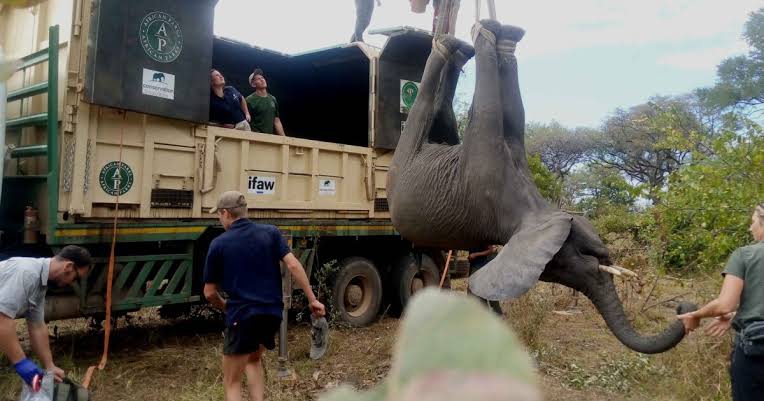
Communities living near Uganda’s protected areas frequently experience genuine conflict with wildlife, elephants raiding crops representing one of the most significant, economically damaging examples of this ongoing challenge affecting both community livelihoods and conservation outcomes. Human-wildlife conflict involving elephants, crops and community solutions reveals this genuinely complex challenge and emerging solutions, this understanding helping visitors appreciate conservation’s genuine complexity beyond simply wildlife protection in isolation.
Key Highlights
- Elephant crop raiding represents genuine, significant economic damage for affected farmers
- Expanding human settlement increases contact between communities and wildlife territory
- Traditional deterrent methods often prove only partially effective against determined elephants
- Innovative solutions increasingly combine community benefit with genuine conflict reduction
- Compensation schemes attempt addressing economic losses communities actually experience
- Long-term conservation success genuinely requires addressing this conflict meaningfully
Why Elephant Crop Raiding Causes Genuine Economic Damage
Elephant crop raiding represents genuine, significant economic damage for affected farmers, elephants’ considerable size and appetite mean a single nighttime raid can destroy a farming family’s entire harvest, representing genuinely devastating economic loss for subsistence farmers whose livelihood depends directly on that specific harvest.
Why This Economic Impact Deserves Genuine Visitor Understanding
Visitors should understand that elephant crop raiding represents genuinely severe economic consequence for affected families, rather than simply minor inconvenience, this understanding helping visitors appreciate conservation’s genuine human cost dimension alongside simply appreciating elephants’ impressive wildlife presence during their safari.
Expanding Settlement Increasing Contact
Expanding human settlement increases contact between communities and wildlife territory, Uganda’s growing population increasingly expands agricultural activity into areas bordering protected wildlife habitat, this expansion genuinely increasing contact and resulting conflict between human communities and wildlife populations throughout the broader region.
Partially Effective Traditional Deterrent Methods
Traditional deterrent methods often prove only partially effective against determined elephants, methods like fires, noise-making and basic fencing provide some deterrent value but often prove only partially effective against genuinely determined, intelligent elephants, this partial effectiveness explaining ongoing search for more genuinely effective solutions.
Why Partial Effectiveness Drives Continued Solution Innovation
Traditional deterrent methods’ genuine limitations against intelligent, determined elephants explain continued innovation in this particular conservation challenge area, communities and conservation organisations continuing to develop and test new approaches given traditional methods’ acknowledged partial effectiveness alone.
Innovative Solutions Combining Community Benefit
Innovative solutions increasingly combine community benefit with genuine conflict reduction, emerging approaches like beehive fences specifically combine genuine elephant deterrent effectiveness with additional community economic benefit through honey production, this combined approach representing genuinely promising innovation beyond simply deterrent-focused solutions alone.
Compensation Schemes Addressing Economic Losses
Compensation schemes attempt addressing economic losses communities actually experience, various compensation programmes attempt providing affected farmers some financial recognition for crop losses, these schemes’ effectiveness varying considerably, but representing genuine attempt addressing the economic reality communities experiencing wildlife conflict actually face.
Why Compensation Schemes Face Genuine Implementation Challenges
Compensation programmes face genuine implementation challenges, including accurate loss assessment and timely payment, these challenges sometimes limiting programme effectiveness despite genuine good intention, visitors should understand this complexity rather than assuming compensation alone fully resolves the underlying conflict challenge.
Long-Term Conservation Success Requiring Meaningful Resolution
Long-term conservation success genuinely requires addressing this conflict meaningfully, conservation organisations increasingly recognise that sustainable wildlife protection requires genuinely addressing human-wildlife conflict rather than treating community livelihood impact as separate from core conservation work, this integrated understanding representing important conservation philosophy evolution.
How Visitors Can Support Conflict Resolution Efforts
Visitors should consider supporting organisations and community programmes specifically working on human-wildlife conflict resolution, this support helping advance genuinely promising solutions beyond what government or conservation organisation funding alone might achieve, visitors genuinely interested in comprehensive conservation should research these particular support opportunities.
Understanding Elephant Memory and Learned Behaviour
Visitors should understand that elephants’ genuinely remarkable memory and learning capability means they often return repeatedly to previously successful raiding locations, this behavioural pattern explaining why one-time deterrent measures sometimes prove insufficient against elephants who’ve learned specific crop locations offer reliable, substantial food sources.
Why Elephant Intelligence Specifically Complicates This Challenge
Elephants’ genuine cognitive sophistication, including excellent memory and problem-solving capability, makes them particularly challenging to deter through simple, static measures, this intelligence requiring correspondingly sophisticated, often evolving deterrent strategies rather than one-time, static solutions.
Early Warning Systems and Community Alert Networks
Visitors should understand that some communities have developed early warning systems and alert networks specifically helping farmers respond quickly to approaching elephants, these community-based systems sometimes incorporating mobile phone networks or other communication technology to spread alerts rapidly when elephant movement toward farmland is detected.
Why Early Warning Systems Add a Genuinely Valuable Response Dimension
Rapid community response following early detection genuinely improves outcomes compared to discovering crop damage only after an elephant raid has already occurred, these warning systems adding a valuable proactive dimension beyond simply passive deterrent measures alone.
Land-Use Planning as a Longer-Term Solution Approach
Visitors should understand that longer-term solutions increasingly include thoughtful land-use planning specifically designing buffer zones and agricultural patterns that genuinely reduce human-wildlife contact opportunities, this planning-based approach addressing the underlying spatial conflict driver rather than simply managing symptoms after contact has already occurred.
Why This Conflict Sometimes Creates Tension Around Conservation Itself
Visitors should understand that human-wildlife conflict sometimes creates genuine community resentment toward conservation efforts themselves, particularly when communities bear conflict’s economic cost while perceiving limited direct benefit from wildlife protection, this tension representing a genuine conservation challenge requiring thoughtful, honest acknowledgment rather than simple dismissal.
Why This Tension Deserves Honest Acknowledgment Rather Than Dismissal
Community resentment toward conservation stemming from genuine unaddressed economic conflict represents a legitimate concern deserving honest acknowledgment, conservation organisations increasingly recognising that sustainable long-term protection requires genuinely addressing this tension rather than simply expecting community tolerance regardless of genuine economic cost borne.
Frequently Asked Questions
How significant is elephant crop raiding’s economic impact?
Genuinely severe, a single nighttime raid can destroy a subsistence farming family’s entire harvest.
Why does human-wildlife conflict continue increasing?
Expanding human settlement increasingly borders wildlife habitat, genuinely increasing contact and resulting conflict.
Do traditional deterrent methods fully solve this problem?
No, methods like fires and noise-making provide only partial effectiveness against determined elephants.
What are beehive fences and how do they help?
These combine genuine elephant deterrent effectiveness with community economic benefit through honey production.
Do compensation schemes fully resolve community economic losses?
Not entirely, these programmes face genuine implementation challenges despite representing good-faith attempts.
Can visitors support human-wildlife conflict resolution efforts?
Yes, research and support organisations specifically working on this particular conservation challenge dimension.
Why Tourism Revenue Sharing Addresses Part of This Challenge
Visitors should understand that tourism revenue sharing programmes, directing some park income toward surrounding communities, represent one attempt addressing human-wildlife conflict’s underlying tension by providing communities genuine, tangible benefit from wildlife presence that might otherwise represent purely economic burden through crop raiding alone.
Why Revenue Sharing Helps Rebalance the Conservation Equation
Revenue sharing programmes attempt rebalancing conservation’s community cost-benefit equation, communities receiving genuine tangible benefit from wildlife presence potentially experiencing less resentment toward conservation despite ongoing crop-raiding challenges, this rebalancing representing genuine attempt addressing conservation’s community relationship dimension.
Asking Your Guide About Local Human-Wildlife Conflict Dynamics
Visitors genuinely interested in understanding this challenge more deeply should ask their guide about specific local human-wildlife conflict dynamics within their particular region, guides often possessing genuine knowledge about current community relationships, specific conflict patterns and local mitigation efforts that add meaningful, current context beyond general understanding alone.
Why Local Guide Knowledge Adds Genuinely Current, Specific Context
General understanding of human-wildlife conflict benefits considerably from guides’ genuine current, local knowledge of specific regional dynamics, visitors should actively seek this particular local context, this engagement helping transform abstract conservation understanding into concrete, locally relevant knowledge.
Why This Challenge Extends Beyond Elephants to Other Species
Visitors should understand that while elephants represent perhaps the most prominent example, human-wildlife conflict extends to various other species too, including primates raiding crops and predators occasionally threatening livestock, this broader pattern meaning conflict resolution efforts must address multiple species-specific dynamics rather than focusing exclusively on elephant-related challenges alone.
Why This Topic Deserves Honest Discussion Within Safari Tourism
Visitors should appreciate operators and guides who discuss human-wildlife conflict honestly and thoroughly, rather than presenting an overly simplified, purely celebratory conservation narrative, this honest engagement helping visitors develop genuinely informed understanding of conservation’s full, complex reality beyond simply appreciating impressive wildlife encounters alone.
Why Supporting Research Into New Solutions Matters
Visitors should understand that ongoing research continues developing and testing new human-wildlife conflict mitigation approaches, supporting organisations engaged in this research helps advance genuinely promising solutions beyond currently established methods, this ongoing innovation representing an important dimension of comprehensive conservation support beyond simply funding existing programmes alone.
Why This Complexity Makes Conservation Genuinely Compelling
Visitors should appreciate that this genuine complexity, balancing wildlife protection against community livelihood needs, makes conservation work considerably more intellectually compelling than simplified narratives might suggest, this appreciation helping visitors engage more meaningfully with conservation as a genuinely nuanced, ongoing human endeavour rather than a simply settled, static achievement.
Recommended Safaris
Understanding human-wildlife conflict adds genuine depth to appreciating conservation’s full complexity. Ready to plan your trip? Reach our team through our Book Now page and we’ll help with the details.





No comment