
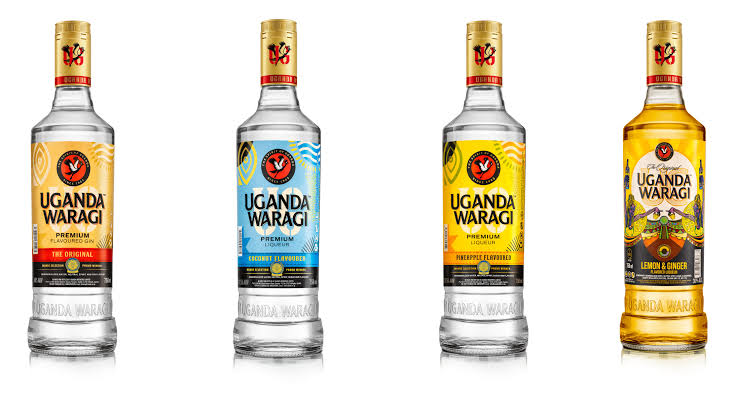
Waragi: The History and Taste of Uganda’s Gin
Long before international gin brands arrived in Uganda, local distillers had already developed their own genuinely distinctive spirit from banana beer, a traditional drink whose name itself derives from “war gin,” a nod to its considerable potency and historical production circumstances. Waragi, Uganda’s distinctive gin, has evolved from informal traditional distillation into both a respected commercial product and continued traditional practice, representing genuinely significant cultural and economic territory within Uganda’s broader drinking culture.
Key Highlights
- Waragi traditionally derives from distilled banana beer, reflecting Uganda’s broader banana-based culinary heritage
- The name likely originates from “war gin,” referencing historical production circumstances and potency
- Commercial waragi brands have achieved significant market success both within Uganda and internationally
- Traditional, informally distilled waragi continues alongside regulated commercial production
- Waragi features prominently in Ugandan social and celebratory drinking culture
- Quality and safety vary considerably between commercial and informally produced traditional versions
From Banana Beer to Distilled Spirit
Waragi traditionally derives from distilling tonto, Uganda’s traditional banana beer, the distillation process concentrating this base beverage into a considerably stronger spirit that reflects the country’s broader deep cultural and agricultural relationship with bananas as a foundational crop. This banana-based origin distinguishes waragi from gin traditions elsewhere globally, which typically derive from grain-based spirits, giving Ugandan waragi a genuinely distinctive base ingredient reflecting specifically local agricultural resources and traditional distillation knowledge developed independently from European gin-making traditions.
Why Bananas Made Sense as a Base Ingredient
Given bananas’ abundance and central importance within Ugandan agriculture and cuisine more broadly, using this readily available crop as a distillation base reflected genuinely practical traditional resourcefulness, local distillers developing techniques suited to locally abundant ingredients rather than importing foreign base materials.
The Name’s Likely Origin
Waragi’s name most likely derives from “war gin,” a reference connecting the spirit to historical production circumstances, possibly tied to periods of political instability or simply reflecting the drink’s considerable, sometimes genuinely formidable potency compared to more diluted commercial alcoholic beverages. This etymology, while not definitively documented with complete historical certainty, captures something genuinely essential about waragi’s reputation for strength, the name itself serving as an informal warning about the spirit’s considerable alcoholic potency, particularly within less regulated traditional production contexts.
A Name That Reflects Genuine Potency
Whatever its precise historical origin, waragi’s name has become permanently associated with its genuine reputation for strength, an association that continues shaping how both Ugandans and visitors approach this distinctive spirit’s consumption today.
Commercial Waragi’s Market Success
Commercial waragi brands have achieved genuinely significant market success both within Uganda and increasingly across international markets, these regulated, professionally produced versions offering considerably more consistent quality and safety than informal traditional distillation while still maintaining connection to waragi’s distinctive traditional character and identity. This commercial success demonstrates genuine potential for traditional African spirits to achieve broader market recognition when produced with appropriate quality control and professional marketing, waragi’s journey from informal traditional drink to internationally recognised brand offering an interesting case study in beverage industry development.
Why Commercial Production Matters for Safety
Commercial waragi production involves considerably more rigorous quality control and safety standards than informal traditional distillation, making branded commercial products a genuinely safer choice for visitors specifically concerned about product consistency and safety compared to unregulated traditional alternatives.
Traditional Waragi: Continued Informal Production
Despite commercial alternatives’ availability, traditional, informally distilled waragi continues being produced across various Ugandan communities, this traditional production maintaining genuine cultural continuity even as it exists somewhat outside formal regulatory oversight that governs commercial alcoholic beverage production more broadly. This continued traditional production reflects genuine cultural persistence, informal waragi distillation representing established local knowledge and practice that many communities maintain despite the availability of regulated commercial alternatives now widely accessible throughout the country.
Genuine Safety Considerations With Traditional Versions
Visitors should exercise genuine caution with informally produced traditional waragi, quality and safety varying considerably depending on specific production methods and conditions, making commercial, properly regulated brands generally the safer choice for visitors unfamiliar with evaluating traditional production quality independently.
Waragi in Ugandan Social Culture
Waragi features prominently within Ugandan social and celebratory drinking culture, the spirit commonly consumed during celebrations, social gatherings and everyday social drinking contexts across considerable segments of Ugandan society. This social prominence means understanding waragi offers genuine insight into broader Ugandan social and celebratory culture, the spirit’s consumption patterns and social contexts reflecting wider cultural attitudes toward alcohol, celebration and social bonding within contemporary Ugandan society.
Common Ways Waragi Is Consumed
Waragi is commonly consumed either straight or mixed with various mixers, including local sodas or fruit juices, this flexibility in consumption style reflecting genuine versatility that has likely contributed to the spirit’s broad, sustained popularity across different social contexts and personal preferences.
Comparing Waragi to International Gin
While sharing the gin category designation, waragi differs meaningfully from international gin traditions in both base ingredient and typical production method, offering genuinely distinctive flavour characteristics that differentiate it clearly from more internationally familiar London Dry or other established gin styles visitors might otherwise expect. This distinctiveness makes waragi genuinely worth trying specifically for its unique character rather than expecting a direct equivalent to international gin styles, the spirit occupying its own distinct position within the broader global gin category rather than simply representing a regional variation on familiar international styles.
Trying Waragi as a Visitor
Visitors interested in trying waragi should seek out reputable commercial brands available at hotels, bars and licensed retailers, ensuring genuine quality and safety while still experiencing this distinctively Ugandan spirit’s unique character and cultural significance. Approaching waragi with genuine respect for its potency, moderating consumption appropriately, ensures a positive first experience with this notable Ugandan spirit rather than an overwhelming introduction that might otherwise colour a visitor’s overall impression unfavourably.
The Distillation Process Explained
Traditional waragi distillation involves heating fermented banana beer within simple stills, often constructed from basic materials including metal drums and condensing tubes, the resulting vapour collected and cooled to produce a considerably more concentrated, potent spirit than the original fermented beer base. This relatively simple distillation technology, while requiring genuine skill and experience to execute safely and effectively, represents accessible traditional technology that many communities have maintained and passed down across generations without requiring industrial-scale equipment or facilities.
Why Distillation Skill Matters for Safety
Proper distillation technique genuinely matters for both product quality and safety, poorly executed traditional distillation potentially producing dangerous contaminants, making experienced, skilled distillers considerably more reliable than inexperienced informal producers attempting the process without adequate traditional knowledge.
Waragi’s Role in Ugandan Export Identity
Beyond domestic consumption, successful commercial waragi brands have increasingly pursued export markets, positioning Ugandan waragi as a distinctive national product capable of representing the country’s spirits industry internationally alongside other African nations’ own distinctive traditional beverages gaining global market recognition. This export ambition reflects broader confidence in waragi’s genuine market appeal beyond purely domestic Ugandan consumption, the spirit’s distinctive character offering genuine differentiation within increasingly crowded global spirits markets seeking authentic, distinctive regional products.
Competing in Global Spirits Markets
Successfully competing in international spirits markets requires waragi producers to maintain consistent quality while preserving the distinctive character that differentiates their product from generic international gin, a genuine balancing act between broader market appeal and authentic traditional identity.
Regional Variations in Preparation
Different regions across Uganda have developed their own subtle variations in traditional waragi preparation, some communities incorporating specific additional flavouring ingredients or using particular banana varieties believed to produce superior results, these regional variations reflecting genuinely accumulated local knowledge passed down through generations of traditional distilling practice. This regional diversity means waragi’s character can vary meaningfully depending on specific origin, a nuance that experienced local drinkers often recognise and discuss with genuine appreciation for these subtle regional distinctions within the broader traditional category.
Why Local Knowledge Shapes Regional Character
Generations of accumulated local distilling knowledge have produced genuinely distinct regional waragi characteristics, communities developing particular techniques and ingredient choices that reflect both locally available resources and inherited traditional preferences passed down through established distilling practice.
A Spirit Worth Approaching With Curiosity
Visitors willing to approach waragi with genuine curiosity rather than simple caution alone discover a spirit carrying considerable cultural depth, its banana-based origins and distinctive history offering a genuinely memorable taste of Uganda beyond more conventional drinking options available during a typical visit, a small but meaningful window into the country’s broader agricultural and social heritage.
Frequently Asked Questions
What exactly is waragi actually made from in traditional preparation?
Traditionally distilled from tonto, Uganda’s banana beer, giving it a genuinely distinctive base compared to grain-based international gins.
Why is it called waragi?
The name likely derives from “war gin,” referencing historical production circumstances and the spirit’s considerable potency.
Is traditional or commercial waragi safer to drink?
Commercial, regulated brands generally offer considerably more consistent quality and safety than informally produced traditional versions.
How is waragi typically consumed?
Either straight or mixed with local sodas and fruit juices, reflecting genuine flexibility across different social drinking contexts.
Does waragi taste like international gin brands?
No, its banana-beer base gives it genuinely distinctive flavour characteristics quite different from grain-based London Dry style gins.
Recommended Safaris
Trying waragi adds genuine cultural flavour to any Uganda itinerary’s evening relaxation. Ready to explore this distinctive spirit for yourself? Reach our team through our Book Now page and we’ll plan it around your dates.






No comment