
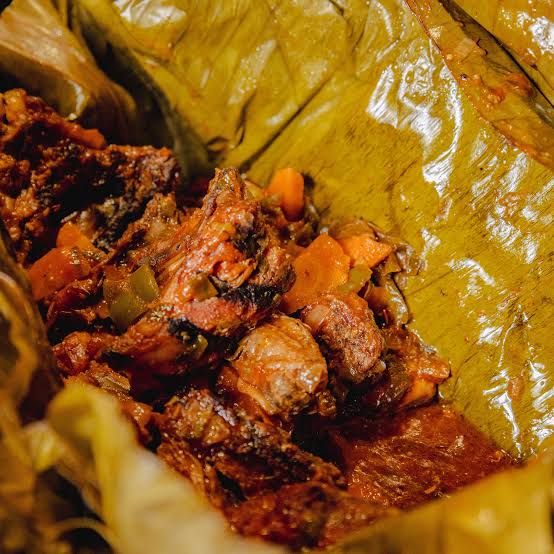
Luwombo: Buganda’s Royal Banana-Leaf Stew
Legend holds that luwombo was invented specifically for a Buganda king who grew tired of food tasters handling his meals, the banana-leaf wrapping allowing dishes to arrive sealed and genuinely untouched until the exact moment of serving. Luwombo, Buganda’s distinctive royal banana-leaf stew, continues carrying this regal association today, remaining one of Uganda’s most celebrated and ceremonially significant traditional dishes.
Key Highlights
- Luwombo originated within Buganda’s royal court, reportedly addressing genuine security concerns around food tampering
- The dish involves steaming meat, chicken or groundnut sauce sealed tightly within fresh banana leaves
- Banana leaf wrapping imparts a genuinely distinctive, subtle flavour impossible to replicate through other cooking methods
- Luwombo remains a centrepiece dish at Ugandan weddings and other significant ceremonial occasions
- Multiple variations exist, including chicken, beef, groundnut and mushroom-based versions
- Preparing proper luwombo requires genuine skill and time investment, reflecting its special-occasion status
A Dish Born From Royal Security Concerns
According to widely shared traditional accounts, luwombo originated specifically to address genuine security concerns within Buganda’s royal court, the Kabaka reportedly growing wary of poisoning attempts and ordering that his food be sealed within banana leaves before and during cooking, ensuring no one could tamper with the contents between preparation and actual serving. This origin story, whether precisely historically accurate in every detail or evolved through generations of oral tradition, captures something genuinely important about luwombo’s enduring association with royal prestige and ceremonial significance within broader Ganda culinary culture.
Why This Origin Story Resonates
Whether entirely historically precise or not, this security-focused origin story has become deeply embedded within luwombo’s cultural identity, the dish’s protective banana-leaf wrapping serving as a permanent, delicious reminder of this distinctive royal culinary history.
How Luwombo Is Actually Prepared
Preparing proper luwombo involves carefully wrapping seasoned meat, chicken or groundnut sauce within fresh banana leaves, creating a tightly sealed package that then steams slowly, the banana leaves imparting a genuinely distinctive, subtle earthy flavour that no other cooking vessel or method can quite replicate. This slow steaming process, typically taking considerable time compared to faster cooking methods, allows flavours to develop and meld genuinely thoroughly within the sealed banana leaf package, producing a dish with depth and complexity that reflects the care and patience its proper preparation demands.
Why Banana Leaves Matter So Much to the Flavour
The specific flavour banana leaves impart during steaming represents a genuinely essential element of authentic luwombo, attempts to recreate the dish using other wrapping materials or cooking vessels consistently falling short of capturing this distinctive, subtle taste that experienced cooks and diners immediately recognise as essential to proper luwombo.
A Centrepiece at Weddings and Ceremonies
Luwombo remains a genuine centrepiece dish at Ugandan weddings and other significant ceremonial occasions, its royal historical association and labour-intensive preparation making it a fitting choice for celebrations warranting particularly special, honoured culinary treatment. This continued ceremonial prominence means luwombo carries genuine cultural weight beyond simple deliciousness alone, serving dishes at a wedding or other significant celebration communicating genuine respect and importance attached to the specific occasion being honoured.
Why Luwombo Suits Celebratory Occasions
Luwombo’s labour-intensive preparation and royal historical association make it a genuinely appropriate choice for honouring significant occasions, the dish’s preparation effort itself communicating respect and care toward guests and the celebration being marked.
Variations Worth Exploring
Beyond the classic chicken version, luwombo variations include beef, groundnut sauce, mushroom and various combination preparations, each offering genuinely distinct flavour profiles while maintaining the essential banana-leaf steaming technique that defines the dish’s fundamental preparation method. This variety means visitors can sample multiple luwombo versions across different meals or establishments, each variation offering its own particular appeal while sharing the same fundamental cultural and culinary heritage connecting all versions back to the dish’s royal origins.
The Groundnut Sauce Version
Groundnut sauce luwombo offers a genuinely rich, nutty flavour profile particularly popular among vegetarian diners or those simply seeking variety beyond the classic meat-based preparations, the groundnut sauce’s natural creaminess pairing particularly well with the banana leaf’s distinctive steaming flavour.
Where to Try Authentic Luwombo
Visitors seeking authentic luwombo should look specifically for traditional Ugandan restaurants rather than more internationally oriented establishments, local eateries typically offering considerably more authentic preparation methods and flavour profiles than venues catering primarily toward international visitor expectations and preferences. Asking local guides or hotel staff for specific restaurant recommendations ensures genuinely authentic luwombo experiences, local knowledge proving particularly valuable for identifying establishments that maintain traditional preparation standards rather than simplified versions aimed at less adventurous palates.
The Time and Skill Required
Proper luwombo preparation requires genuine skill and considerable time investment, experienced cooks carefully managing the steaming process to ensure thorough cooking while preserving the banana leaf’s distinctive flavour contribution, a balance requiring accumulated practical experience rather than simple recipe-following alone. This preparation complexity explains why luwombo remains somewhat less common as an everyday meal compared to simpler Ugandan dishes, its special-occasion status reflecting genuine practical reality around the time and skill its proper preparation demands.
Why Luwombo Isn’t Typically Everyday Food
The considerable time and skill luwombo preparation requires naturally positions it as special-occasion food rather than everyday sustenance, a practical reality that reinforces rather than diminishes the dish’s genuine ceremonial and celebratory cultural significance.
Experiencing Luwombo as a Visitor
Visitors genuinely interested in experiencing authentic Ugandan culinary culture should actively seek out luwombo during their visit, ideally through a traditional restaurant or, where possible, a community cooking experience that demonstrates the dish’s preparation firsthand. This direct culinary experience offers genuine insight into Ugandan food culture extending well beyond simple taste alone, understanding luwombo’s preparation and cultural significance adding considerable depth to appreciating this distinctive national culinary treasure.
Pairing Luwombo With Traditional Sides
Luwombo traditionally accompanies matoke, steamed and mashed green bananas forming a genuinely essential staple carbohydrate across much of Ugandan cuisine, the mild, slightly starchy matoke providing an ideal neutral base that allows luwombo’s rich, developed flavours to take genuine centre stage within the overall meal. This pairing represents a thoughtfully balanced culinary combination, matoke’s subtle character complementing rather than competing with luwombo’s considerably more complex, slow-developed flavour profile achieved through the banana leaf steaming process.
Why Matoke Makes the Ideal Accompaniment
Matoke’s relatively neutral flavour and satisfying texture make it a genuinely ideal accompaniment for luwombo’s richer, more complex taste, the pairing allowing diners to fully appreciate the stew’s distinctive banana-leaf-infused flavour without competing culinary elements diminishing its impact.
The Cultural Importance of Sharing Luwombo
Beyond its specific preparation and flavour, luwombo carries genuine social significance through how it’s traditionally shared, large gatherings often featuring multiple luwombo packages served communally, reinforcing the dish’s association with celebration, togetherness and honoured hospitality toward guests and family. This communal serving tradition reflects broader Ugandan cultural values around shared meals and collective celebration, luwombo’s preparation and serving format naturally suiting the kind of large, significant gatherings where its special-occasion status finds most fitting, meaningful expression.
Why Communal Serving Enhances the Experience
Sharing luwombo communally during celebrations reinforces genuine social bonds and collective participation in marking significant occasions, the dish’s preparation format naturally lending itself to this kind of meaningful, shared celebratory dining experience rather than individual, solitary consumption.
Learning to Make Luwombo Yourself
Some lodges and cultural tourism programmes now offer hands-on cooking classes specifically teaching luwombo preparation, giving genuinely interested visitors direct experience with the banana leaf wrapping technique and traditional seasoning approaches that define authentic preparation. These cooking experiences offer considerably deeper engagement than simply eating the finished dish alone, participants gaining genuine appreciation for the skill and patience proper luwombo preparation demands through direct, hands-on practice under experienced guidance.
Why Hands-On Experience Deepens Appreciation
Actually attempting the banana leaf wrapping technique yourself, however imperfectly on a first attempt, provides genuine insight into the skill and care experienced cooks bring to proper luwombo preparation, transforming simple appreciation into considerably deeper understanding of this dish’s genuine culinary complexity.
A Dish That Rewards Genuine Curiosity
Visitors willing to seek out authentic luwombo, ask questions about its preparation and history, and approach the dish with genuine curiosity rather than simple casual sampling consistently report considerably more meaningful, memorable culinary experiences than those treating it as just another item on a long list of foods to try during their visit.
Finding Luwombo Beyond Uganda’s Borders
Ugandan diaspora communities abroad often maintain luwombo preparation as a cherished cultural practice, meaning visitors from countries with established Ugandan communities may find opportunities to sample this dish even before travelling, a worthwhile preview for anyone wanting a preliminary taste ahead of experiencing the full depth of properly prepared luwombo on location in Uganda itself.
Frequently Asked Questions
Why specifically is luwombo traditionally wrapped in banana leaves?
According to tradition, this practice originated to prevent food tampering within Buganda’s royal court, while also imparting distinctive flavour.
What meats are typically used in luwombo?
Chicken is most common, though beef, groundnut sauce and mushroom variations also exist, each offering distinct flavour profiles.
Why is luwombo associated with weddings specifically?
Its royal historical association and labour-intensive preparation make it a fitting, honoured choice for significant celebratory occasions.
Can vegetarians enjoy luwombo?
Yes, groundnut sauce and mushroom-based versions offer genuinely satisfying vegetarian alternatives to the classic meat preparations.
Where should I go to try authentic luwombo?
Traditional local Ugandan restaurants typically offer more authentic preparation than venues catering primarily toward international visitors.
Recommended Safaris
Trying luwombo adds genuine culinary depth and royal history to any Uganda itinerary. Ready to explore this remarkable dish for yourself? Reach our team through our Book Now page and we’ll plan it around your dates.






No comment