
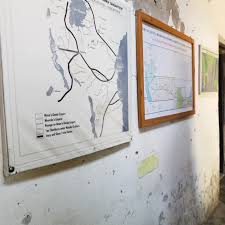
The Slave Trade Routes of East Africa: Bagamoyo and Its History
The very name Bagamoyo, meaning roughly “lay down your heart” in Kiswahili, carries genuinely devastating historical weight, reportedly referencing the moment enslaved people realised they had reached their final departure point from the African mainland with no realistic hope of ever returning home. Bagamoyo and East Africa’s slave trade routes represent one of the region’s most historically significant and genuinely sobering heritage sites, demanding honest confrontation rather than comfortable historical avoidance.
Key Highlights
- Bagamoyo served as East Africa’s principal slave trading port during the nineteenth century
- The town’s name itself carries devastating meaning tied to enslaved people’s final departure from the mainland
- Caravan routes stretched deep into the African interior, bringing captives to Bagamoyo’s coastal holding sites
- Zanzibar’s slave market, connected directly to Bagamoyo’s trade, operated as East Africa’s largest
- The trade’s abolition came gradually through the nineteenth century following considerable international pressure
- Bagamoyo’s preserved historical sites now serve as genuine memorial and educational resources today
Bagamoyo: East Africa’s Principal Slave Port
Bagamoyo served as East Africa’s principal slave trading port throughout much of the nineteenth century, its strategic coastal location making it the primary departure point connecting the extensive interior caravan trade routes with onward shipping to Zanzibar’s major slave market and beyond. This port’s considerable historical significance reflects its central position within an extensive, genuinely devastating human trafficking network that extended deep into the African interior, Bagamoyo functioning as the critical bottleneck through which this entire trade necessarily passed before reaching Zanzibar and international markets.
Why Bagamoyo’s Specific Location Mattered
Bagamoyo’s position directly across from Zanzibar island, combined with natural harbour features suited to the period’s shipping needs, made it genuinely strategically essential to the broader slave trading network operating across East Africa during this historical period.
The Devastating Meaning Behind the Name
Bagamoyo’s name, generally translated as meaning roughly “lay down your heart,” is widely understood to reference the moment enslaved people reached this coastal point and confronted the genuine finality of their situation, understanding they faced permanent separation from their homeland with no realistic prospect of ever returning. This etymology, whether reflecting precise historical linguistic accuracy or evolved cultural memory, captures something genuinely essential about the profound human suffering this specific location witnessed, the name itself serving as a permanent linguistic memorial to this devastating history.
A Name That Demands Historical Reflection
Understanding this name’s devastating meaning transforms simply passing through or visiting Bagamoyo into a considerably more weighted historical experience, the town’s very name refusing to let visitors forget the genuine human suffering connected to this specific location’s history.
Caravan Routes From the Deep Interior
The slave trade’s caravan routes extended remarkably deep into the African interior, reaching areas including parts of what is now the Democratic Republic of Congo, with captives forced to march enormous distances under genuinely brutal conditions before ever reaching Bagamoyo’s coastal holding facilities. These caravan routes represent a genuinely vast geographic scope of human suffering, the trade’s reach extending considerably further into the continental interior than many people today initially realise, affecting communities across an enormous swathe of Central and East Africa.
The Brutal Reality of the March
Historical accounts document genuinely horrific mortality rates during these forced marches, considerable numbers of captives dying from exhaustion, disease and brutal treatment before ever reaching the coast, a sobering reality that complicates any narrative focusing purely on the trade’s final coastal and maritime dimensions alone.
Zanzibar’s Connection to Bagamoyo
Zanzibar’s slave market, operating as East Africa’s largest, maintained direct operational connection to Bagamoyo, captives transported across the narrow channel separating the mainland from the island before being sold onward into considerably wider international trafficking networks extending across the Indian Ocean region. This direct Bagamoyo-Zanzibar connection meant the two locations functioned essentially as a single integrated trafficking system, Bagamoyo serving the mainland collection and departure function while Zanzibar operated as the primary commercial marketplace and further distribution point.
Understanding the Full Trafficking System
Appreciating Bagamoyo’s history requires understanding its integrated relationship with Zanzibar’s slave market, the two locations functioning as connected components within a single broader trafficking system rather than entirely independent historical sites deserving separate consideration.
Gradual Abolition Through International Pressure
The East African slave trade’s abolition came only gradually throughout the nineteenth century, considerable international pressure, particularly from British anti-slavery efforts, eventually forcing formal trade restrictions and closure of major markets including Zanzibar’s, though actual enforcement and complete elimination proved genuinely slower and more complicated than formal abolition declarations alone might suggest. This gradual, contested abolition process reflects genuine historical complexity, formal legal change not immediately translating into complete practical elimination of trafficking activity, which continued in various diminished forms for additional years following initial formal restrictions.
Why Abolition Took Considerable Time
Despite formal abolition declarations, enforcement challenges and continued economic incentives meant actual elimination of East African slave trading activity took considerably longer than formal legal changes alone suggest, illustrating the genuine gap between official policy and actual historical practice during this transitional period.
Bagamoyo’s Preserved Historical Sites
Today, Bagamoyo preserves several historically significant sites connected to this difficult history, including former holding areas and buildings directly connected to the trade’s operation, these preserved locations serving genuinely important memorial and educational functions for visitors seeking honest engagement with this history. This preservation effort reflects deliberate choice to confront rather than obscure this difficult chapter, Tanzania maintaining these sites specifically to ensure the history receives ongoing acknowledgment and educational attention rather than being allowed to fade from public memory and awareness.
The Old Fort and Other Key Sites
Bagamoyo’s Old Fort and other preserved colonial and trade-era structures offer visitors tangible physical connection to this history, guided tours providing essential historical context that helps visitors understand both the trade’s mechanics and its genuinely devastating human cost.
Why Visiting Bagamoyo Matters
Visiting Bagamoyo and genuinely engaging with this difficult history serves important educational purposes beyond simple tourism, helping visitors develop fuller understanding of East Africa’s complete historical narrative rather than a selectively comfortable version focusing purely on wildlife and natural beauty while omitting this genuinely significant human history. This kind of honest historical engagement reflects a broader pattern of difficult heritage tourism increasingly recognised as valuable globally, direct confrontation with historical atrocity generally producing more meaningful understanding than avoidance or minimisation ever could achieve.
The Scale of Human Suffering Involved
Historical estimates suggest the East African slave trade affected genuinely staggering numbers of people across its decades of operation, scholarly research continuing to refine understanding of the trade’s full scope even as the fundamental reality of massive, systematic human suffering remains well established beyond reasonable historical dispute. This scale means Bagamoyo’s history connects to an enormous, genuinely tragic chapter in human history, the specific site serving as a tangible, geographically concentrated representation of suffering that affected communities across an extraordinarily wide geographic area throughout the broader region.
Why Precise Numbers Remain Difficult to Establish
Historical record-keeping limitations and the trade’s often deliberately obscured nature make precise casualty and victim numbers genuinely difficult to establish with complete confidence, though continuing historical research has steadily improved scholarly understanding of the trade’s genuine scale and impact across the region.
Missionary Involvement and Complicated Legacies
Christian missionaries, including those who later established Bagamoyo’s Catholic mission, played genuinely complicated historical roles connected to this period, some actively working against the slave trade while the broader colonial context within which missionary activity occurred carries its own separate complexities worth honest acknowledgment rather than simplified celebration. Understanding this complicated missionary legacy requires genuine historical nuance, avoiding both uncritical celebration of anti-slavery missionary efforts and complete dismissal of genuine efforts some individuals made within an undeniably complex, ethically fraught broader colonial historical context.
Why Historical Nuance Matters Here
Bagamoyo’s broader history, including missionary involvement, resists simple heroic or purely condemnatory narratives, genuine historical understanding requiring acknowledgment of real complexity rather than forcing this difficult period into oversimplified categories of purely villainous or purely heroic historical actors.
Bagamoyo as UNESCO-Recognised Heritage
Bagamoyo’s historical significance has received recognition on UNESCO’s tentative World Heritage list, reflecting international acknowledgment of the site’s genuine importance for understanding this critical period of African and global history, though formal full inscription status involves an ongoing process still working through established heritage recognition procedures. This international recognition effort reflects broader global acknowledgment that sites connected to the transatlantic and East African slave trades deserve genuine heritage protection and educational attention, comparable to recognition extended to other globally significant historical atrocity sites.
Why International Recognition Matters
UNESCO recognition, even at tentative list stage, helps ensure Bagamoyo receives appropriate international attention and preservation support, acknowledging this site’s significance extends genuinely beyond purely local or national historical interest into broader global historical importance.
Frequently Asked Questions
What does the name Bagamoyo actually mean?
Roughly “lay down your heart,” widely understood to reference enslaved people’s realisation of permanent separation from their homeland.
How far did the slave trade’s caravan routes extend?
Remarkably deep into the interior, reaching areas including parts of what is now the Democratic Republic of Congo.
How was Bagamoyo connected to Zanzibar’s slave market?
Captives were transported across the channel from Bagamoyo to Zanzibar, functioning as one integrated trafficking system.
When did the East African slave trade actually end?
Formal abolition came gradually through the nineteenth century under international pressure, though full enforcement took considerably longer.
What can visitors see in Bagamoyo today?
Preserved historical sites including the Old Fort, offering guided tours providing essential context about this difficult history.
Recommended Safaris
Visiting Bagamoyo adds genuine historical depth and honesty to understanding East Africa’s complete story. Ready to explore this significant heritage for yourself? Reach our team through our Book Now page and we’ll plan it around your dates.





No comment