
Giraffe Centre Nairobi: Meeting the Rothschild’s Giraffes
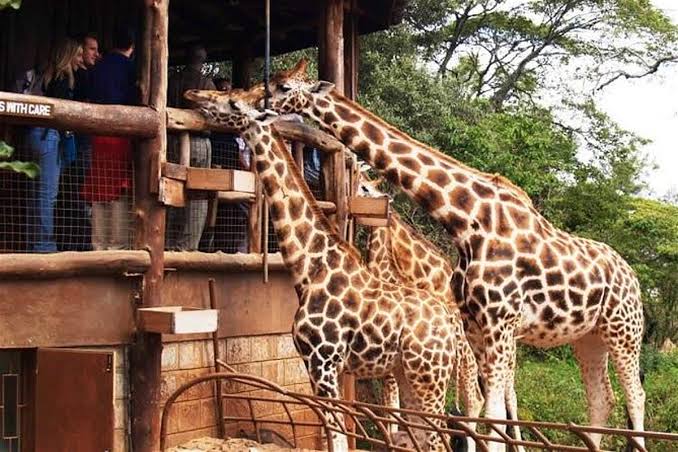
Few wildlife encounters in Kenya let you look an animal directly in the eye, but the Giraffe Centre in Nairobi does exactly that, raising its platform to the height of a giraffe’s head so visitors can hand-feed Rothschild’s giraffe, one of the most endangered giraffe subspecies in Africa, from just inches away.
Key Highlights
- The Giraffe Centre sits roughly 16 kilometres from Nairobi’s central business district
- Founded in 1979, it functions as both a conservation breeding programme and a public education centre
- Visitors feed Rothschild’s giraffe from an elevated platform positioned at the animal’s eye level
- Rothschild’s giraffe ranks among the most endangered giraffe subspecies in Africa
- The centre sits a short drive from the David Sheldrick Wildlife Trust, making the two a natural pairing
- Proceeds support conservation education for Kenyan schoolchildren alongside the breeding programme itself
Why the Giraffe Centre Exists
Founded in 1979, the Giraffe Centre was established specifically to protect the Rothschild’s giraffe, a subspecies that had declined to critically low numbers in the wild by the time the centre’s founders began their breeding and conservation programme. What began as a dedicated rescue and breeding effort has since grown into both a genuine conservation success story and one of Nairobi’s most popular visitor attractions, combining practical species protection with public education in a single working facility.
A Subspecies in Genuine Danger
Rothschild’s giraffe, distinguished from other giraffe subspecies by its distinctive white “socks” and lack of markings below the knee, ranks among the most endangered giraffe populations anywhere in Africa, making the centre’s breeding and conservation work genuinely significant to the subspecies’ survival rather than simply a visitor attraction built around giraffes generally.
The Eye-Level Feeding Platform
The Giraffe Centre’s signature experience is its elevated wooden feeding platform, raised specifically to bring visitors to eye level with the giraffes themselves, an genuinely intimate encounter unlike any standard safari sighting from inside a vehicle at a distance. Visitors hand-feed the giraffes specially provided food pellets, often finding themselves at genuinely close range, close enough to appreciate details of the animals’ long, dark, prehensile tongues and distinctive facial features that a typical game drive sighting never reveals.
A Genuinely Memorable Encounter for All Ages
This close, hands-on format makes the Giraffe Centre a particularly strong choice for families with children, offering a safe, controlled wildlife encounter considerably more interactive than most standard safari activities, while still representing a genuine, working conservation facility rather than a purely entertainment-focused petting zoo.
Conservation Breeding and Education
Beyond its visitor-facing feeding platform, the Giraffe Centre operates an active breeding programme specifically focused on sustaining and growing the Rothschild’s giraffe population, with young giraffes born at the centre eventually released into protected habitats elsewhere in Kenya as part of the subspecies’ broader wild recovery. This breeding work represents the centre’s core conservation mission, with the visitor experience itself serving as both an important revenue source and a genuine educational tool supporting that mission.
Supporting Kenyan Environmental Education
Revenue generated through visitor fees directly supports environmental education programmes for Kenyan schoolchildren, extending the centre’s conservation mission beyond the giraffes themselves into broader public awareness and the next generation of Kenyan conservationists.
Combining With Other Nairobi Attractions
The Giraffe Centre sits a short drive from the David Sheldrick Wildlife Trust, making the two a natural, efficiently combined pairing for visitors spending a day exploring Nairobi’s conservation-focused attractions before or after a broader Kenya safari itinerary. Many travellers combine both stops within a single morning, given their proximity and complementary focus on hands-on wildlife conservation encounters.
A Natural Addition to a Nairobi Stopover
Given Nairobi’s role as the entry and exit point for most Kenya safari itineraries, the Giraffe Centre offers a genuinely worthwhile way to use time that might otherwise be spent purely on logistics, transforming a transit day into one with real wildlife and conservation content.
Planning Your Visit
Getting There
The centre’s location roughly 16 kilometres from central Nairobi makes it easily reachable by taxi or ride-hailing app, a straightforward addition to a Nairobi-based day regardless of whether you’re arriving or departing the city.
Best Time to Visit
The centre operates during standard daytime visiting hours, and arriving earlier in the day generally means both cooler temperatures and a calmer, less crowded feeding platform experience, particularly during Kenya’s peak tourism season.
Giraffe Manor: A Related but Separate Experience
Visitors researching Nairobi’s giraffe encounters often come across Giraffe Manor, an adjacent luxury boutique hotel famous for its own resident giraffes that occasionally poke their heads through guest room windows at breakfast. While genuinely connected to the same Rothschild’s giraffe conservation story and located near the Giraffe Centre itself, Giraffe Manor operates as a separate, considerably more expensive overnight accommodation experience rather than the Giraffe Centre’s day-visit conservation and feeding format.
Understanding the Distinction Before You Book
Travellers specifically wanting the hands-on feeding platform experience covered in this guide should book the Giraffe Centre directly, while those seeking an overnight luxury stay with giraffes visiting at breakfast should research Giraffe Manor separately, given the significant difference in cost, format and advance booking requirements between the two.
How Giraffes Communicate and Behave
A Giraffe Centre visit offers genuine opportunity to observe giraffe behaviour up close that a standard distant safari sighting rarely reveals, the animals’ distinctive methods of social interaction, their surprisingly dexterous use of that long, dark tongue to grasp food, and the subtle body language giraffes use to communicate within their social groups. Knowledgeable centre staff and guides are typically on hand to explain these behavioural details directly, adding genuine educational depth beyond the simple feeding experience itself.
A Close-Up Lesson in Giraffe Anatomy
Visitors consistently report being struck by details rarely appreciated from a standard safari vehicle distance, the sheer length and flexibility of a giraffe’s tongue, the texture of its coat, and the animal’s genuinely enormous scale when encountered at true eye level rather than viewed from below in a passing vehicle.
A Model for Conservation Through Tourism
The Giraffe Centre’s combination of genuine species conservation, public education and a financially sustainable visitor experience has made it a frequently cited example of how tourism revenue can directly fund meaningful conservation outcomes rather than existing as a separate, disconnected activity. This model, breeding programme funded substantially through visitor fees rather than external donations alone, has proven durable since the centre’s 1979 founding, a track record spanning multiple decades of sustained conservation impact.
Nature Trails Beyond the Feeding Platform
Beyond the signature elevated feeding experience, the Giraffe Centre maintains nature trails through the surrounding indigenous forest, offering visitors the chance to extend their visit with a walk through genuine Kenyan woodland habitat, home to various bird species and smaller wildlife alongside the resident giraffes themselves. These trails add a worthwhile dimension for visitors wanting more than a brief feeding-platform stop, a chance to experience the centre’s broader forest setting at a more relaxed, exploratory pace.
A Worthwhile Addition for Nature Enthusiasts
Birdwatchers and visitors with a general interest in Kenyan forest ecology find genuine additional value in these trails, a quieter, less crowded complement to the more popular feeding platform experience most visitors prioritise.
Photography Tips for the Feeding Platform
The elevated platform’s eye-level positioning makes for genuinely striking close-up photography, a considerably different angle than any standard safari photography opportunity given how rarely visitors get this physically close to large wildlife anywhere else in Kenya. Morning visits generally offer the most favourable lighting conditions for photography, before the midday sun becomes harsh, and arriving earlier also means a quieter platform with fewer other visitors competing for the best positioning.
Why a Brief Stop Carries Genuine Weight
Despite requiring just an hour or so, a Giraffe Centre visit carries meaningfully more conservation and educational substance than its brief duration might suggest, a direct encounter with a genuinely endangered subspecies, a working breeding programme with a real multi-decade track record, and a model that’s directly informed conservation tourism approaches elsewhere in Kenya. For travellers with limited time in Nairobi, few stops deliver this much genuine conservation content in such a compact visit.
Frequently Asked Questions
Is the Giraffe Centre suitable for young children?
Yes, the controlled, safe feeding format makes it a genuinely strong choice for families, offering an interactive wildlife encounter accessible to a wide range of ages.
What makes Rothschild’s giraffe different from other giraffe subspecies?
They’re distinguished by distinctive white “socks” and a lack of markings below the knee, and rank among the most endangered giraffe subspecies in Africa.
Can I combine a Giraffe Centre visit with the Sheldrick Elephant Orphanage?
Yes, the two sit a short drive apart and are commonly visited together within a single day.
Does my visit genuinely support conservation, or is it purely a tourist attraction?
Visitor fees directly fund the centre’s breeding programme and environmental education work, making it a genuine, working conservation facility alongside its visitor experience.
How much time should I set aside for a visit?
An hour or so is generally sufficient to enjoy the feeding platform and learn about the centre’s conservation work without feeling rushed.
Recommended Safaris
The Giraffe Centre pairs naturally with the David Sheldrick Wildlife Trust and a wider Nairobi stopover. Ready to add this genuinely close wildlife encounter to your Kenya itinerary? Reach our team through our Book Now page and we’ll plan it around your dates.

No comment