
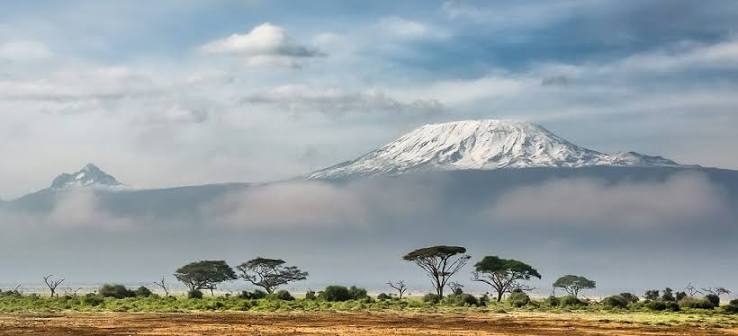
Chyulu Hills: Green Hills of Africa and Lava Caves
Ernest Hemingway immortalised these rolling volcanic hills in his 1935 book “Green Hills of Africa,” and nearly a century later, Chyulu Hills remains one of Kenya’s most visually striking and geologically young landscapes, a chain of ash cones and craters formed within the last few hundred years, hiding one of the longest lava tube caves on Earth beneath its grassy slopes.
Key Highlights
- Chyulu Hills inspired Ernest Hemingway’s 1935 book “Green Hills of Africa”
- The hills consist of hundreds of small ash cones and craters, among the youngest geological formations on Earth at roughly 400 to 500 years old
- Leviathan Cave, a 12-kilometre lava tube beneath the hills, is the longest of its kind in Africa
- The cave maintains a steady 18 degrees Celsius year-round, with ceilings reaching 40 metres in sections
- Chyulu Hills National Park sits between Tsavo West and Amboseli, forming part of a connected ecosystem
- The hills offer genuinely distinctive scenery and activities unavailable at Kenya’s more famous savanna parks
Hemingway’s Green Hills of Africa
Ernest Hemingway’s 1935 book “Green Hills of Africa,” a non-fiction account of a Kenya hunting safari, drew its title directly from these volcanic hills, cementing their place in literary history decades before most of Kenya’s safari circuit achieved international fame. The evocative, enduring name has stuck precisely because it so accurately describes what visitors still see today, rolling, grass-covered volcanic cones rising from the surrounding plains, genuinely distinct from the flatter savanna terrain typical of Kenya’s better-known parks.
A Literary Landmark Worth Understanding
Visitors familiar with Hemingway’s work find genuine added meaning in standing within the actual landscape that inspired one of his most significant non-fiction works, a literary dimension relatively few African safari destinations can claim with this level of direct, documented connection.
Among the Youngest Geological Formations on Earth
Remarkably, the Chyulu Hills rank among the most recently formed geological features anywhere on the planet, the ash cones and craters that make up the range dating to roughly just 400 to 500 years old, a geological blink of an eye compared to most of Earth’s mountain ranges. This volcanic youth explains the hills’ distinctively smooth, rounded profile, erosion simply hasn’t had the geological time to carve the sharper features found on older volcanic formations elsewhere.
Hundreds of Individual Cones and Craters
Rather than a single dominant peak, Chyulu Hills consists of hundreds of individual small cones and craters strung together across the range, creating a genuinely distinctive, almost undulating landscape when viewed from a distance, a visual signature unmatched by any other Kenyan landscape.
Leviathan Cave: Africa’s Longest Lava Tube
Beneath the hills’ grassy surface lies Leviathan Cave, stretching more than 12 kilometres and ranking as the longest lava tube in Africa, formed when a cooling crust solidified over a flowing lava stream before the molten rock beneath eventually drained away, leaving a hollow basalt tunnel behind. Sections of the cave reach ceiling heights of up to 40 metres, and the interior maintains a remarkably steady 18 degrees Celsius year-round, a genuinely striking underground environment considering the warm, dry conditions typical of the surrounding surface landscape.
Exploring the Cave System
Guided visits into sections of Leviathan Cave offer visitors a genuinely different kind of safari activity, exploring a hollow volcanic tunnel system rather than viewing wildlife from a vehicle, a distinctive adventure activity unavailable at almost any other East African safari destination.
Part of a Connected Ecosystem
Chyulu Hills National Park sits positioned between Tsavo West and Amboseli National Parks, forming part of a single larger, connected ecosystem that allows wildlife movement across this wider stretch of southern Kenya. This connectivity matters directly for larger-ranging species, elephants in particular moving between these protected areas according to seasonal needs, meaning Chyulu’s conservation value extends well beyond its own specific boundaries.
A Natural Extension of Amboseli and Tsavo Safaris
Given its position between two of Kenya’s most visited parks, Chyulu Hills works naturally as an add-on to a broader itinerary already including Amboseli or Tsavo West, adding genuinely distinctive scenery and activities to a trip otherwise built around more standard savanna game viewing.
Wildlife and Activities Beyond the Cave
Beyond its headline geological attractions, Chyulu Hills supports a range of wildlife moving through the broader Tsavo-Amboseli ecosystem, and the region offers horseback safaris and walking activities across the hills themselves, a genuinely different pace and perspective than standard vehicle-based game drives elsewhere in the connected ecosystem.
Views of Kilimanjaro
On clear days, the Chyulu Hills offer striking views toward Mount Kilimanjaro, adding a further scenic dimension to what’s already one of Kenya’s most visually distinctive landscapes, a worthwhile photography opportunity for visitors timing their visit around favourable weather conditions.
Planning Your Visit
Getting There
Chyulu Hills is reachable by road from Nairobi or as part of a broader itinerary connecting Amboseli and Tsavo West, making it a realistic addition to an existing southern Kenya safari route rather than requiring dedicated separate travel.
Visiting Leviathan Cave Safely
Cave visits should always be arranged through experienced local guides familiar with the specific tunnel sections safe for visitor access, given the genuine technical and safety considerations involved in exploring any extensive underground lava tube system.
The Hills as a Natural Water Catchment
Beyond their striking visual appeal, the Chyulu Hills serve a genuinely critical ecological function as a major water catchment area, porous volcanic rock absorbing rainfall and slowly releasing it as groundwater that feeds springs across a considerable distance, including some that ultimately supply water as far as Mzima Springs in Tsavo West. This hydrological role gives the hills significance well beyond their scenic and geological interest, functioning as a genuine ecological engine sustaining wildlife and vegetation across a much wider area than the hills’ own visible footprint.
Why This Matters for the Wider Ecosystem
Understanding the Chyulu Hills’ role as a water catchment helps explain why conservation of this specific landscape carries significance extending well beyond the hills themselves, protecting this porous volcanic terrain directly sustains water availability for wildlife and communities across a considerably broader stretch of southern Kenya.
A Conservation Area Managed Through Partnership
Conservation across the Chyulu Hills landscape involves a combination of national park protection and private conservancy partnerships with local Maasai communities, a layered management approach similar to the model seen at other East African conservation success stories. This partnership-based structure has helped protect the hills’ genuinely unique ecology while maintaining meaningful community benefit from the land, part of why the Chyulu Hills have remained such a well-preserved, relatively undeveloped landscape despite their considerable scenic and literary fame.
Low-Impact Tourism as a Deliberate Choice
Tourism infrastructure across the Chyulu Hills remains deliberately limited and low-impact compared to Kenya’s more heavily developed safari circuits, a conscious choice reflecting the area’s conservation priorities and genuinely contributing to the sense of untouched wilderness that continues to define a visit here nearly a century after Hemingway’s book first brought the hills to international attention.
Where to Stay in the Chyulu Hills
A small number of lodges and camps operate within and around the Chyulu Hills, generally positioned toward the higher end of Kenya’s accommodation spectrum, reflecting both the area’s exclusive, low-density tourism model and the genuinely spectacular scenery many properties are specifically designed to showcase. Staying within the hills themselves, rather than simply passing through from Amboseli or Tsavo, gives visitors proper time to explore Leviathan Cave and the surrounding landscape without rushing.
A Genuinely Different Kind of Safari Lodge Setting
Properties positioned on the hills’ slopes offer a meaningfully different setting than the flat savanna lodges typical elsewhere in Kenya, elevated views across the surrounding plains and, on clear days, Kilimanjaro itself, a genuinely distinctive lodge experience worth the premium for travellers prioritising scenery alongside wildlife viewing.
What to Pack for a Chyulu Hills Visit
Given the hills’ elevated terrain, temperatures run noticeably cooler than the surrounding lowland plains, particularly in the mornings and evenings, making layered clothing a genuinely practical packing choice alongside standard safari essentials. For visitors planning to enter Leviathan Cave, sturdy closed shoes with good grip, a reliable torch or headlamp, and a light jacket suited to the cave’s steady cooler interior temperature round out the specific gear worth bringing beyond a standard game-drive packing list.
Why Chyulu Hills Rewards Travellers Seeking Something Different
Many Kenya first-timers build an itinerary entirely around the Maasai Mara and Amboseli’s classic savanna game viewing, understandably given their fame, but travellers who make room for the Chyulu Hills come away with something genuinely different: a literary landscape, a geological rarity, and an underground adventure none of Kenya’s more famous parks can offer. For a second Kenya trip, or simply travellers wanting their itinerary to include more than standard game drives, the Chyulu Hills deliver a meaningfully distinctive addition well worth the detour.
Frequently Asked Questions
Is Leviathan Cave safe to explore for an average visitor?
Yes, when visited with experienced local guides familiar with safe accessible sections, though it’s not a casual, unguided activity given the cave’s scale and technical nature.
How do the Chyulu Hills connect to Amboseli and Tsavo?
They form part of a single connected ecosystem positioned between the two parks, allowing wildlife movement across the wider landscape.
Why are the Chyulu Hills considered geologically unusual?
They rank among the youngest geological formations on Earth, roughly 400 to 500 years old, explaining their distinctively smooth, rounded profile.
Can I see Mount Kilimanjaro from the Chyulu Hills?
Yes, on clear days the hills offer striking views toward Kilimanjaro.
Is horseback riding available in the Chyulu Hills?
Yes, horseback safaris are offered in the region, a distinctive alternative to standard vehicle-based game drives.
Recommended Safaris
Chyulu Hills pairs naturally with a wider Amboseli and Tsavo West itinerary. Ready to add this literary, geologically unique landscape to your Kenya safari? Reach our team through our Book Now page and we’ll plan it around your dates.

No comment