
Rongai Route: A Complete Guide
The Rongai Route genuinely stands apart from every other Kilimanjaro path by approaching from the mountain’s dry, remote northern side near the Kenyan border, a considerably less-trafficked direction that trades some of the southern routes’ dramatic scenery for genuine solitude and noticeably drier, more predictable trekking conditions throughout the climb.
Why the Rongai Route Genuinely Offers Kilimanjaro’s Driest, Most Reliable Weather
Because the mountain’s northern slopes genuinely sit in a rain shadow relative to the wetter southern and western approaches, Rongai climbers genuinely experience considerably less rainfall even during the shoulder seasons, making it a genuinely popular choice for climbers attempting Kilimanjaro during the shorter rains period when routes like Machame and Lemosho become noticeably wetter.
This rain-shadow effect genuinely results from the prevailing moisture-bearing winds dropping most of their rainfall on the mountain’s southern and eastern slopes before reaching the considerably drier north, a genuine meteorological pattern that makes Rongai the route operators most often recommend to climbers whose travel dates fall during a less predictable weather window elsewhere on the mountain during that particular time of year.
How Rongai’s Remote Trailhead Genuinely Makes It Kilimanjaro’s Quietest Route
The Rongai trailhead sits considerably further from Moshi than any other route’s starting point, near the village of Nale Moru close to the Kenyan border, and this genuine remoteness means Rongai typically sees the lowest climber traffic of any established Kilimanjaro route, a genuinely different experience from the sometimes crowded lower camps on Machame during peak season.
Guides genuinely describe Rongai’s early camps as some of the quietest on the entire mountain, with some nights seeing only a handful of other tents at a campsite that might host dozens of groups on a comparable Machame or Lemosho night during high season. This considerably lower traffic genuinely means climbers spend less time queuing at narrow trail sections or waiting for camp facilities, a practical advantage beyond the simple appeal of quiet surroundings.

Why Rongai’s One-Directional Ascent Genuinely Differs From Every Other Major Route
Unlike Machame, Lemosho, and Umbwe, which genuinely climb and descend via the same general southern circuit, Rongai genuinely ascends from the north and then descends via the Marangu route on the mountain’s southeastern side, meaning climbers genuinely see two completely different faces of Kilimanjaro rather than retracing familiar terrain on the way down.
This one-directional structure genuinely means Rongai climbers experience considerably more overall scenic variety across a single trip than routes that retrace their own path, since the descent through Marangu’s forest zone reveals an entirely different ecological transition than the drier northern slopes climbers ascended through only days earlier.
How Rongai’s Gentler Gradient Genuinely Suits Climbers New to High-Altitude Trekking
Rongai’s overall gradient genuinely climbs more gradually than Machame’s steeper southern approach, without the Barranco Wall’s hands-on scrambling section, making it a genuinely appealing choice for climbers who want a physically demanding but technically straightforward path to the summit.
Guides genuinely recommend Rongai to first-time high-altitude trekkers specifically for this reason, since a gentler daily gradient means less cumulative joint and muscle strain heading into summit night, when energy reserves genuinely matter more than they do on any other single day of the climb.
Why Rongai Genuinely Passes Through Considerably Different Terrain Than the Southern Routes
The route’s early stages genuinely cross pine forest and open moorland rather than the dense rainforest southern routes traverse, and this drier ecological profile genuinely means less mud underfoot during the trek’s early days, a practical advantage climbers who have struggled with waterlogged trails on other routes genuinely appreciate.
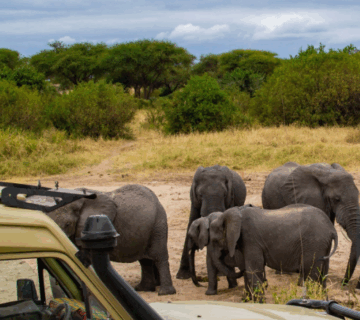
Rongai’s proximity to the Kenyan border also genuinely means the route’s lower slopes occasionally offer wildlife sightings, including buffalo and elephant tracks, uncommon on Kilimanjaro’s more heavily trafficked southern approaches where decades of foot traffic have pushed larger wildlife further from the trail, a genuine reminder that the mountain’s forest reserve still supports considerable resident wildlife populations.
How Summit Night on the Rongai Route Genuinely Unfolds
Rongai climbers genuinely summit via Gillman’s Point rather than Stella Point, joining the same final ridge walk to Uhuru Peak that Marangu climbers use, a genuinely different final approach than the Stella Point route shared by Machame and Lemosho climbers, though comparably demanding in terms of overall distance and elevation gain.
Summit night genuinely begins around midnight from Kibo Hut, and the ascent to Gillman’s Point genuinely involves a series of steep, loose scree switchbacks that many climbers rate as physically demanding in a different way than the more sustained but less technically loose terrain Machame and Lemosho climbers encounter en route to Stella Point. From Gillman’s, the final walk along the crater rim to Uhuru Peak genuinely takes a further hour to ninety minutes, passing close to the mountain’s remaining glacier fields along the way.
Why Choosing Rongai Genuinely Suits Climbers Prioritising Seclusion Over Southern-Route Scenery
Given its considerably quieter camps and drier trekking conditions, Rongai suits climbers who value genuine solitude and predictable weather over the more dramatic, greener scenery routes like Machame and Lemosho genuinely offer along their southern approaches. Climbers weighing this trade-off against Kilimanjaro’s neighbouring peak can review our Kilimanjaro vs Mount Kenya comparison for how the two mountains’ overall trekking character genuinely differs.
Repeat Kilimanjaro guides often describe Rongai as the route best suited to climbers who have already summited via a busier southern route and want a genuinely different second experience of the mountain, rather than simply repeating the same scenery and crowd levels a second time.
Best Time of Year to Climb the Rongai Route
Rongai’s genuine rain-shadow advantage makes it a particularly strong option during shoulder-season windows when other routes become wetter. See our best time to climb Kilimanjaro guide for how these seasonal windows compare across all of the mountain’s routes.
How Rongai Compares to the Machame and Lemosho Routes
Where our Machame Route guide and Lemosho Route guide both cover southern and western approaches through considerably wetter, greener terrain, Rongai’s genuine northern approach offers the mountain’s driest, quietest, and gentlest gradient among the main established routes, a distinctly different trade-off for climbers weighing scenery against seclusion.
Why Training Specifically for Rongai’s Gentler but Longer Days Genuinely Matters
Given Rongai’s genuinely more gradual daily elevation gain spread across a longer overall distance, training that builds sustained walking endurance genuinely prepares climbers more effectively than short, intense workouts alone. See our high-altitude training guide for a genuinely structured preparation approach.
What to Pack for the Rongai Route
Given the route’s genuinely drier conditions, waterproofing matters somewhat less on Rongai than on the southern routes, though summit-night cold-weather layering remains just as critical. See our altitude sickness prevention guide for how proper acclimatisation pacing and hydration genuinely reduce your summit-night risk. Climbers weighing group size and cost options should also see our luxury vs budget Kilimanjaro climbing guide for how equipment quality and camp comfort genuinely differ between service tiers.
Dust genuinely becomes more of a factor on Rongai’s drier trail than on the southern routes’ typically damper ground, meaning a buff or bandana to cover the nose and mouth during windier stretches genuinely earns its place in a Rongai packing list even though it rarely features prominently on Machame or Lemosho equipment guides.
Why Porters Genuinely Remain Essential Even on Rongai’s Quieter Trail
Rongai’s remote northern trailhead genuinely means porter logistics matter just as much here as on any other route, with teams carrying tents, food, and equipment across the route’s considerable distance. Climbers researching group logistics can review our Kilimanjaro group tour guide for how porter teams and group sizes genuinely scale on a typical Rongai departure.
Combining a Rongai Route Climb With a Wider Tanzania Safari
A Rongai summit pairs naturally with a wider Tanzania safari circuit afterward, or an extension to Arusha National Park, genuinely one of the most convenient parks to combine with a Kilimanjaro descent given its short drive from Kilimanjaro International Airport.
Frequently Asked Questions
Why is the Rongai Route drier than other Kilimanjaro routes?
Its northern approach genuinely sits in a rain shadow relative to the wetter southern and western routes.
Is the Rongai Route easier than Machame?
Its gentler gradient and lack of technical scrambling make it genuinely more approachable for climbers new to high-altitude trekking.
Does the Rongai Route descend the same way it ascends?
No – climbers genuinely descend via the Marangu route, seeing two distinctly different sides of the mountain.
Is the Rongai Route less crowded than Machame or Lemosho?
Yes – its remote northern trailhead genuinely gives it the lowest climber traffic of Kilimanjaro’s main established routes.
Which summit point does the Rongai Route use?
Rongai climbers genuinely summit via Gillman’s Point rather than the Stella Point route used by Machame and Lemosho.
Ready to Plan Your Kilimanjaro Climb?
Whether the Rongai Route’s genuine seclusion, its drier weather, or how it compares to Kilimanjaro’s other routes is your priority, our team can help you plan the right itinerary. Get in touch with our team below today and let’s start planning your complete Kilimanjaro climb together.

No comment