
Machame Route: A Complete Guide
The Machame Route, genuinely nicknamed the “Whiskey Route” for its considerably tougher terrain compared to the gentler Marangu path, has become Kilimanjaro’s most popular ascent specifically because its longer, more gradual acclimatisation profile genuinely delivers meaningfully higher summit success rates than the mountain’s shorter, faster alternatives.
Why the Machame Route Genuinely Delivers Higher Summit Success Rates Than Shorter Routes
Standard six-to-seven-day Machame itineraries genuinely build in considerably more gradual altitude gain than the five-day Marangu route, and because acclimatisation, not physical fitness alone, genuinely determines most summit failures, this extra time on the mountain translates into measurably higher completion rates, commonly cited in the 85-90% range for seven-day itineraries versus considerably lower rates on compressed five-day climbs.
How the “Climb High, Sleep Low” Principle Genuinely Shapes the Machame Itinerary
The route’s genuinely distinctive Lava Tower day, where climbers ascend to roughly 4,600 metres before descending back down to camp at a considerably lower elevation, exists specifically to apply the climb-high-sleep-low acclimatisation principle, a single day that genuinely does more for summit-night readiness than almost any other stretch of the itinerary.
This deliberate up-and-down profile genuinely distinguishes Machame from routes that simply gain altitude steadily each day, and guides genuinely consider it one of the most valuable acclimatisation days available on any Kilimanjaro route, precisely because it stresses the body’s altitude response before summit night without the irreversible commitment a continuous ascent would represent.

Why the Machame Route Genuinely Offers Kilimanjaro’s Most Dramatic Scenic Variety
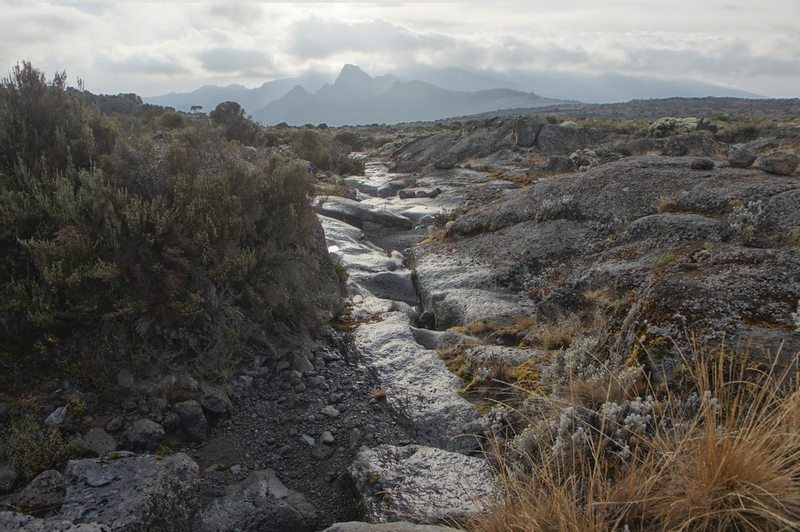
Machame genuinely passes through all five of Kilimanjaro’s distinct ecological zones, rainforest, heather-moorland, alpine desert, arctic summit zone, and back down, in a single continuous route, meaning climbers genuinely experience a considerably wider range of landscapes than shorter or more direct routes typically offer within the same trip.
The rainforest zone alone genuinely spans the first full day, with colobus monkeys, turacos, and dense montane vegetation lining the trail, before giving way to the considerably starker heather-moorland zone where giant lobelia and groundsel plants, species found almost nowhere else on Earth outside East Africa’s high-altitude zones, genuinely dominate the landscape.
How the Barranco Wall Genuinely Becomes the Route’s Signature Challenge
The Barranco Wall, a roughly 300-metre near-vertical rock scramble climbers tackle on the morning after Lava Tower, genuinely requires hands-on scrambling rather than simple walking, and while it looks considerably more intimidating from below than it proves in practice, it remains genuinely the most physically engaging single obstacle most climbers encounter anywhere on the mountain. Climbers who found the wall’s exposure unsettling often ask how it compares to Mount Rwenzori’s considerably more technical, glacier-crossing terrain, which genuinely demands a different skill set entirely.
Porters and guides genuinely navigate the wall daily during peak season, and the queue that often forms at its base has become something of a Kilimanjaro rite of passage, a genuinely sociable pinch point where climbers from different routes and itineraries briefly share the same challenging stretch of trail.
Why Machame’s Camping-Only Structure Genuinely Differs From the Marangu Route
Unlike Marangu, which genuinely offers hut accommodation each night, Machame is a camping-only route, meaning climbers genuinely sleep in tents at every stop, a considerably more immersive but also more physically demanding experience that requires a full camping equipment setup carried by the route’s porter teams.
This camping structure genuinely means climbers experience the mountain’s changing weather considerably more directly than hut-based routes allow, from cold nights at higher camps to the sound of rain on tent canvas during the shoulder seasons, an immersive quality many repeat Kilimanjaro guides genuinely rate as part of what makes Machame memorable beyond the summit itself.
How Summit Night on the Machame Route Genuinely Unfolds
Summit night genuinely begins around midnight from Barafu Camp, a deliberately timed departure that puts climbers on the crater rim around sunrise, when genuinely calmer wind conditions and the psychological lift of watching dawn break over the African plains below combine to make the final push considerably more manageable than a daytime ascent would be.
The summit push genuinely covers around 1,200 vertical metres over roughly six to eight hours of steady, switchbacking ascent, making it genuinely the most physically and mentally demanding single stretch of the entire climb, considerably harder than any of the preceding acclimatisation days combined.
Temperatures during this stretch genuinely drop well below freezing, commonly into the minus-15 to minus-20 degrees Celsius range with wind chill factored in, meaning proper cold-weather layering genuinely matters more here than at any other point on the mountain. Reaching Stella Point on the crater rim genuinely marks the psychological turning point of the climb, with a further hour or so of comparatively gentle walking along the rim remaining to reach Uhuru Peak, Kilimanjaro’s true summit and the highest point in Africa.
Why Choosing the Right Operator Genuinely Matters More on Machame Than Fitness Alone
Because altitude sickness, not physical fitness, genuinely causes most Machame summit failures, an operator’s pacing philosophy, guide-to-climber ratio, and willingness to genuinely slow the itinerary for a struggling climber matters considerably more to your actual summit odds than how many hours you spent training beforehand. Operators who genuinely add an extra acclimatisation night, most commonly an additional day around the Karanga Valley camp, typically see measurably better completion rates among their clients than those running the tightest possible schedule.
Best Time of Year to Climb the Machame Route
Machame genuinely climbs well across most of Kilimanjaro’s two dry-season windows, though conditions and crowding genuinely vary noticeably between them. See our best time to climb Kilimanjaro guide for how these seasonal windows compare in detail.
How Machame Compares to the Lemosho and Rongai Routes
Where Machame genuinely approaches from the south with its dramatic Barranco Wall scramble, the Lemosho route genuinely begins further west with a considerably longer, quieter approach through pristine forest, and Rongai genuinely climbs from the mountain’s drier northern side, meaning each route genuinely offers a distinctly different week on the mountain despite sharing the same summit. Our Kilimanjaro vs Mount Kenya comparison covers how Kilimanjaro’s routes stack up against East Africa’s other major high-altitude trek entirely.
Why Training Specifically for Machame’s Terrain Genuinely Improves Your Odds
Given the Barranco Wall’s scrambling demands and the considerable daily elevation gain Machame requires, training that genuinely combines cardiovascular endurance with hands-on scrambling practice and long, loaded hikes genuinely prepares climbers more effectively than generic gym fitness alone. See our high-altitude training guide for a genuinely structured preparation approach.
Most guides genuinely recommend building toward back-to-back long hiking days carrying a loaded daypack in the months before departure, since the cumulative fatigue of consecutive multi-hour trekking days genuinely matters more for Machame’s seven-day structure than short, intense single workouts, which train a considerably different fitness profile than sustained multi-day trekking demands.
What to Pack for the Machame Route
Layered clothing spanning rainforest humidity to summit-night arctic cold matters considerably more on Machame than on any single-climate trek, given the route’s genuine five-zone ecological range. See our altitude sickness prevention guide for how proper acclimatisation pacing and hydration genuinely reduce your summit-night risk. Climbers weighing group size and cost options should also see our luxury vs budget Kilimanjaro climbing guide for how equipment quality and camp comfort genuinely differ between service tiers.
Why Porters Genuinely Make the Machame Experience Possible
Machame’s camping-only structure genuinely depends on considerable porter support, commonly a team of three to four porters per climber, carrying tents, food, and equipment between camps each day, and choosing an operator that genuinely follows fair porter welfare standards, proper pay, appropriate load limits, and adequate gear, matters considerably to the ethics of your climb. Climbers researching group logistics can review our Kilimanjaro group tour guide for how porter teams and group sizes genuinely scale together on a typical Machame departure.
Combining a Machame Route Climb With a Wider Tanzania Safari
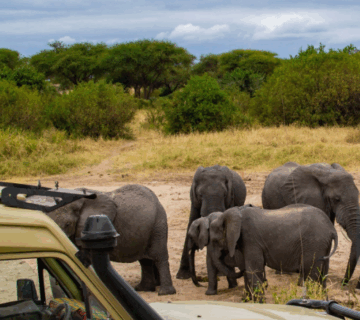
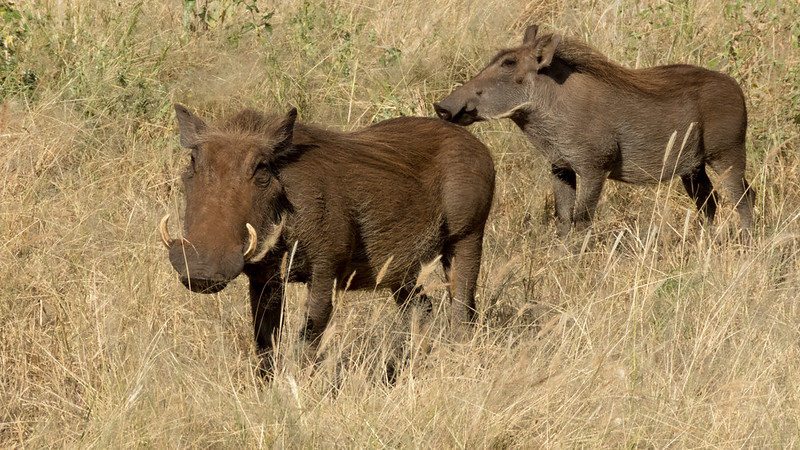
A Machame summit pairs naturally with a wider Tanzania safari circuit afterward, letting climbers genuinely recover at lower altitude while transitioning into the considerably different pace of game drives across the northern circuit’s flagship parks, or an extension to Arusha National Park, genuinely one of the most convenient parks to combine with a Kilimanjaro descent given its short drive from Kilimanjaro International Airport.
Frequently Asked Questions
Why is the Machame Route called the “Whiskey Route”?
Its considerably tougher terrain compared to the gentler Marangu “Coca-Cola Route” earned it the nickname among guides and climbers.
How many days does the Machame Route take?
Most operators genuinely run six-to-seven-day itineraries, with the extra day significantly improving acclimatisation and summit success rates.
Is the Barranco Wall dangerous?
It requires hands-on scrambling but is genuinely considered safe with an experienced guide; it looks harder from below than it proves in practice.
Does the Machame Route have huts?
No – it’s a camping-only route, unlike the Marangu Route which offers hut accommodation each night.
What is the Machame Route’s summit success rate?
Seven-day itineraries are commonly cited in the 85-90% range, considerably higher than shorter five-day climbs.
Ready to Plan Your Kilimanjaro Climb?
Whether the Machame Route’s dramatic scenery, its higher summit success rate, or how it compares to Kilimanjaro’s other routes is your priority, our team can help you plan the right itinerary. Get in touch with our team below today and let’s start planning your complete Kilimanjaro climb together.

No comment