
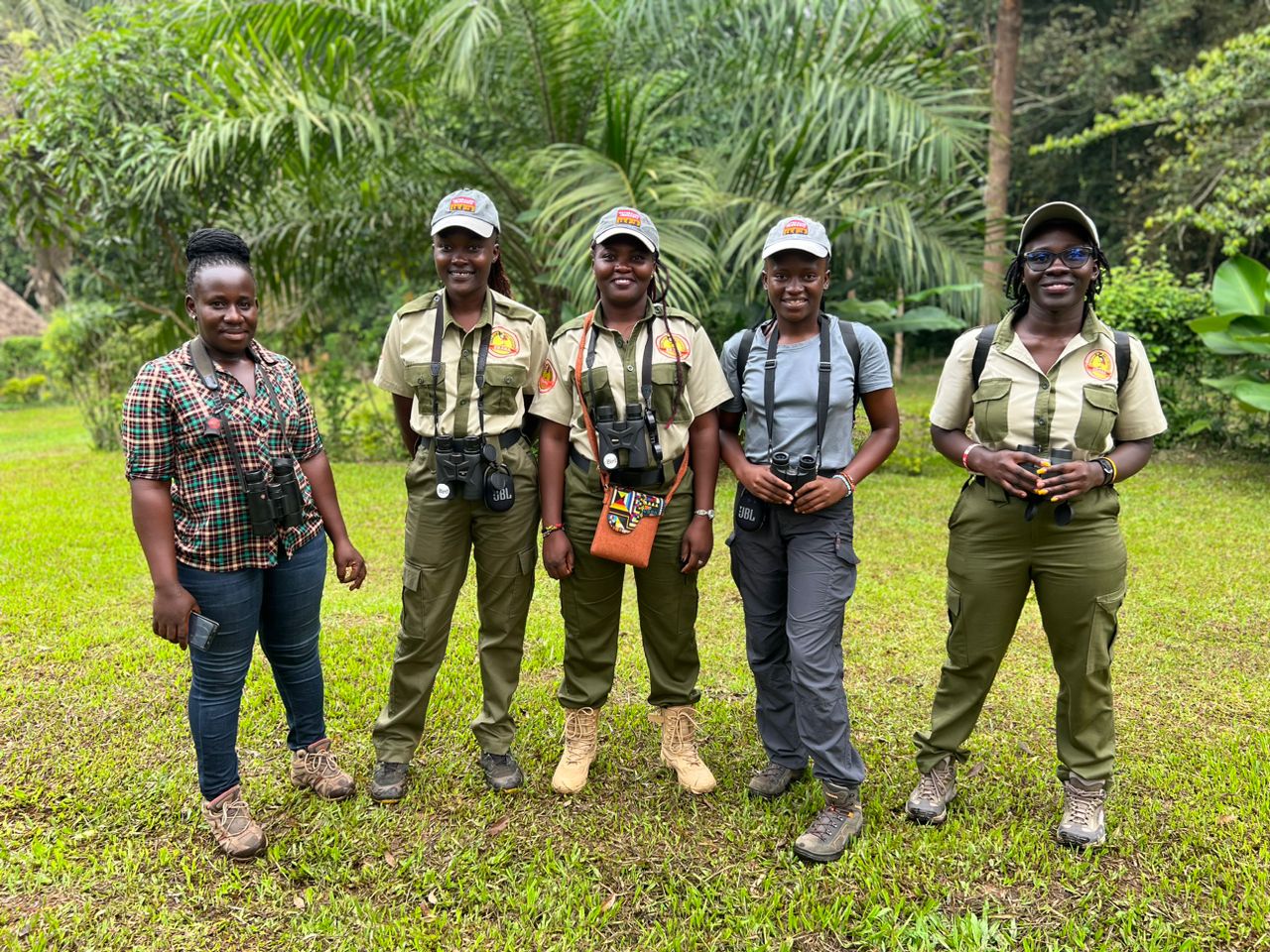
Women in Birding: Female Guides Leading the Way in East Africa
over East Africa birding is becoming a great way to see new places help protect nature and meet local people. Uganda, Kenya, Tanzania and Rwanda have homes for birds. You can find thousands of bird species in places like forests, wetlands, savannas, mountains, lakes and coastal areas. Many great birding trips happen because of guides who know these places well from years of watching. Now more women are stepping up as leaders in this work. These women bring knowledge, confidence and patience to birding tourism.
Women in Birding: Female Guides Leading the Way in East Africa is about more than naming birds. It is about women making jobs, building careers helping with conservation and showing young people how to love nature. The work these women do shows that the future of birding can welcome everyone while staying close to the lands and people that make East Africa so special.
A New Generation of Female Birding Guides
For a time being a wildlife guide in East Africa was mostly a job for men. That is changing now. More women are training to be guides. These women are learning how to identify birds studying nature and getting better at leading visitors through the most important natural areas in the region.
Becoming a birding guide takes a lot of work. A guide has to know a bird by how it looks how it acts, where it lives and sometimes just by its song. In a forest a quick chirp might be the only way to know a rare bird is close. In grasslands a guide must know where birds move what they eat and how they build nests to find them.
Female guides are taking on these tasks with a lot of heart. They study books spend hours outside and learn from expert birders. They are building their understanding of the places they live in. Every time a guide finds a bird it helps them grow more confident.
Seeing women in these roles sends a big message to young girls. It shows that a love for nature can become a job. It also shows that you can be successful without losing your connection to your home.
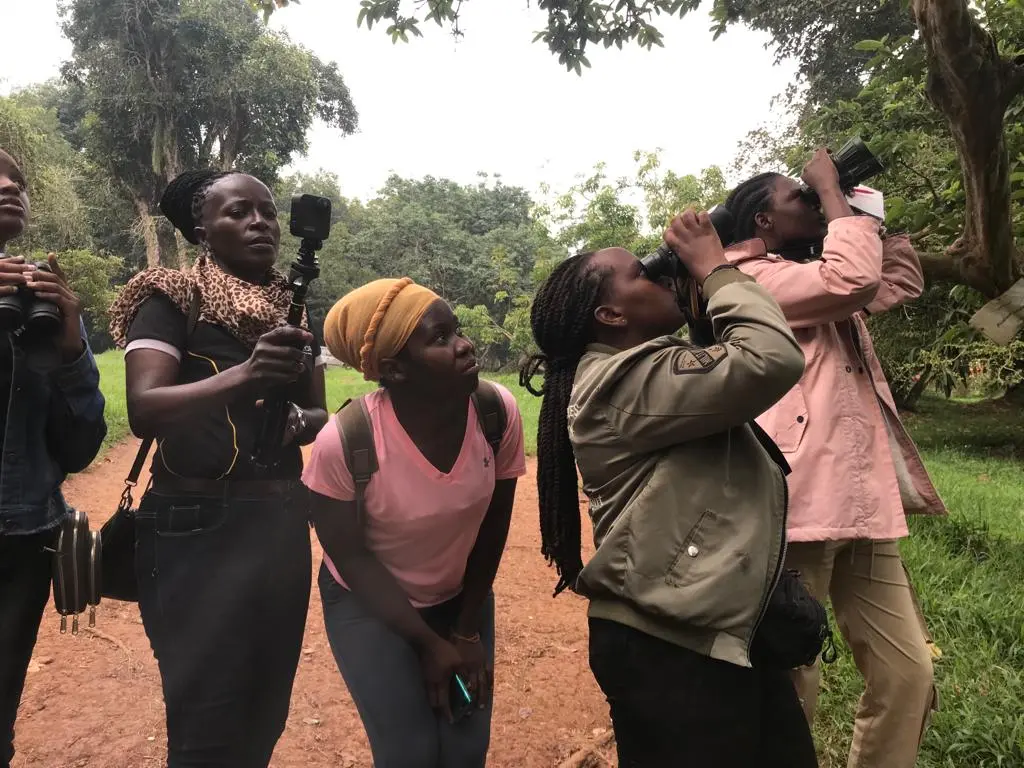
Knowledge Built Through Experience
One of the things a good birding guide learns is patience. Birds do not follow a clock. A guide might walk a forest trail looking for a turaco. They might have to sit and listen for an hour before the bird shows up. Sometimes a morning brings a surprise sighting that makes the whole trip worth it.
Women guides often become great at watching details because they spend so much time in the field. They learn where birds eat, which trees have the fruit, where kingfishers hunt and when forest birds are most active. This local knowledge is very important because the land changes with the rain, the seasons and how people farm.
A smart guide also knows that a good birding trip is not about how many birds you see. Teaching people how nature works is just as important. Watching a weaver build a nest seeing a Fish Eagle hunt, by a lake or hearing a bird before you see it can make people truly love nature.
Women Connecting Birding With Conservation
Birding tourism helps conservation when visitors spend money on guides places to stay, transport, park fees, local services and local businesses. I believe female guides are becoming an important part of this money chain.
Women in Birding: Female Guides Leading the Way in East Africa shows how making a living and protecting nature go hand in hand. When local people see that healthy wetlands, forests, lakes and grasslands can bring in money protecting those habitats starts to feel more important.
A guide who works near a wetland often notices if water levels change, if plants look different if there is pollution or if bird populations go down. A guide who spends weeks in a forest can tell when familiar birds are harder to find. These small notes from guides can help big conservation efforts by providing real information about how the land is changing.
Female guides also help visitors see conservation through eyes. Of saying wildlife protection only happens inside national parks female guides can explain how farming, fishing, homes, weather, tourism and community choices affect nature even outside of protected areas.
Supporting Local Communities
Birding tourism creates jobs that go beyond just guiding. Women who join this field might work in hotels, food services making crafts, transport, teaching about nature, research or managing tourism.
This work has an impact on homes and local towns. The money earned from tourism can help pay for school fees, house bills, training or starting small businesses. When women find work their success can change how young people think about school and jobs.
A female guide can be an example for girls growing up near wildlife areas. A female guide shows those girls that studying nature is worth it and that knowing about birds and plants can lead to a real career.
In this way Women in Birding: Female Guides Leading the Way in East Africa is also about changing what people expect. A young girl who sees a woman leading a group of travelers through a forest might start to dream of doing the thing one day.
The Places Where Their Stories Are Growing
East Africa is a place for this change to happen. Uganda has wetlands like Mabamba Swamp forests like Bwindi and Kibale and big grasslands. Kenya has the Rift Valley lakes, coastal areas, highlands and famous wildlife reserves. Tanzania has savannas along with mountain forests, wetlands and coasts. Rwanda has forests and mountain homes in a small country.
Every place gives guides a chance to learn something special. One guide might become an expert at finding Albertine Rift species. Another guide might focus on birds that live in wetlands. A guide working in the savanna might know everything about raptors, bustards, bee-eaters and birds that live in the grass.
These special skills make birding trips better. Visitors get to learn from guides who truly know their specific home rather than just knowing a little bit, about all animals.
Building Confidence in the Field
Growth does not happen quickly. Women in Birding or Female Guides may face challenges such as access to training, equipment, professional networks and opportunities to gain experience. Long periods in areas can also require physical preparation and careful planning.
Support from tourism companies, conservation organizations, experienced guides and local communities can make a difference. Training programs that include bird identification, first aid, communication, guiding ethics, business skills and conservation education can help Women in Birding build careers.
Equipment also matters. A good pair of binoculars a field guide, appropriate clothing, a notebook and access to birding records can greatly improve fieldwork. Advanced Women in Birding may use cameras, sound recording equipment or digital identification tools.
Yet equipment is part of the story. Confidence comes from knowledge and repeated experience. Every morning in the field every difficult identification and every successful group outing adds another layer of ability for Women in Birding.
Inspiring the Next Generation
The growth of leadership in birding can influence the future beyond today’s tours. Young people learn from the examples they see around them. When conservation careers include Women in Birding in positions more girls may feel that they belong in those spaces.
Schools, community groups, tourism businesses and conservation programs can help strengthen this movement by introducing Women in Birding to bird identification and environmental education. Simple activities such as guided nature walks, school bird counts and visits to wetlands can turn curiosity into long‑term interest.
A young student does not need to know that she wants to become a guide. She only needs an opportunity to discover that birds are worth observing and that nature can offer a career for Women in Birding.
This is why Women in Birding: Female Guides Leading the Way in East Africa carries such a message. Progress begins when people receive opportunities develop skills and see examples of what Women in Birding can achieve.
Choosing Responsible Birding Experiences
Visitors also have a role. When planning a birding trip consider choosing operators that employ and train guides, including Women in Birding. Ask about conservation practices, community involvement and how tourism benefits people living near the areas.
During your trip respect the knowledge of Women in Birding. Listen to explanations follow instructions around wildlife avoid disturbing nests and keep a distance from birds. Responsible behavior allows future visitors to enjoy the habitats.
You can also support Women in Birding beyond the tour itself. Recommend services to travelers leave fair reviews and consider returning for another experience in a different season. A good birding guide depends heavily on reputation and repeat opportunities.
A Future Full of Possibility
The rise of Women in Birding across East Africa represents a change in tourism and conservation. Female Guides prove their expertise in forests, wetlands, mountains, lakes and savannas while creating opportunities for themselves and inspiring others.
Their contribution reminds us that conservation succeeds when people have reasons to care for nature. A Women in Birding who introduces a visitor to a bird is sharing more than a sighting. She is sharing knowledge about a place, its challenges and its future.
Women in Birding: Female Guides Leading the Way in East Africa invites visitors to look beyond the checklist and recognize the people who make encounters possible. Their work deserves recognition, investment and continued support.
The future of birding will be shaped by many voices and Women in Birding are increasingly taking their rightful place among them. With training, opportunity and encouragement more Women in Birding can build careers that connect tourism with conservation and local communities with the world.
Every birding trail can become a classroom. Every guide can become a mentor. Every successful sighting can strengthen appreciation for a threatened habitat. As more Women, in Birding step forward to lead teach and protect East Africa’s birdlife they gain advocates who can help ensure these landscapes remain alive for generations to come.



No comment