Tanzania’s Grey-Breasted Spurfowl and Other Rift Valley Specials
Tanzania is a place for birdwatching. The country has different landscapes. You can see savannas and volcanic plains. There are also lakes and acacia woodlands. Each of these places has its community of birds. The Great Rift Valley is especially interesting. It has a lot of birds that you will not find anywhere else. If you are planning a trip to Tanzania to watch birds, you should learn about the Grey-Breasted Spurfowl and other birds that live in the Rift Valley.
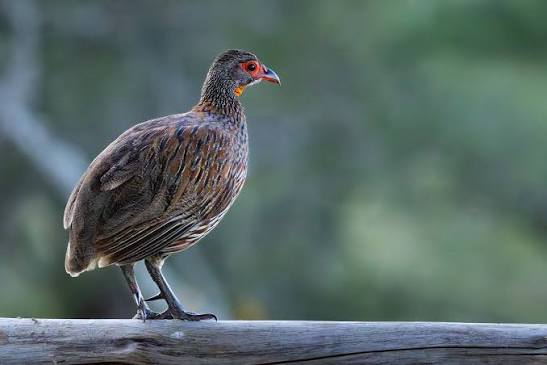
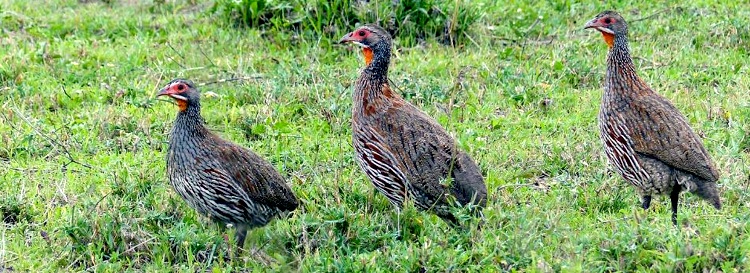
The Grey-Breasted Spurfowl is a special bird. It can make a normal morning drive exciting. This bird likes to live in grassland and rocky ground. It also likes scrub and open woodland. You can find it in places in northern Tanzania. The Grey-Breasted Spurfowl is not always easy to see. It has feathers that help it blend in with the ground. You have to be patient and listen carefully to find one. It is also helpful to have a guide who knows where to look.
Discovering Tanzania’s Rift Valley Birdlife
The Great Rift Valley is a path through many of Tanzania’s best bird habitats. The landscape is very beautiful. There are escarpments and volcanic mountains. You can also see grasslands and freshwater wetlands. These places attract different birds. Some birds live there all year round. Others only visit during times of the year. This makes the Rift Valley a great place to go birdwatching.
The Grey-Breasted Spurfowl is an interesting bird. It likes to live in places. It is a ground-dwelling bird. This means it spends most of its time on the ground. These birds are often harder to see than they are to hear. The best time to look for the Grey- Spurfowl is early in the morning. It is cooler then. The birds are more active. You can hear their calls from away. This helps you figure out where to look.
Where to Search for the Grey- Spurfowl
Northern Tanzania is a great place to look for the Grey-Breasted Spurfowl. You can find it in semi-arid habitats. The Ngorongoro Conservation Area is a place to start. The Rift Valley landscapes are also places to look. However it is not always easy to find the Grey-Breasted Spurfowl. It depends on the time of year and the weather. You should not expect to see it every time you go out. Instead you should look at it as part of a birdwatching experience.
The Ngorongoro landscape is very beautiful. It has different habitats. There are grasslands and woodlands. You can see different birds, in these places. The grasslands have larks and pipits. The woodlands have hornbills and barbets. The wet areas have herons and ducks. If you spend a morning driving through these habitats you can see many different birds. You might hear a Grey- Spurfowl calling. Then you might see a raptor flying overhead. You could also. Watch brightly colored birds eating in a patch of woodland. This is what makes Tanzanias Grey-Breasted Spurfowl and Other Rift Valley Specials much fun to explore.
Rift Valley Birds Worth Searching For
The Grey- Spurfowl is only one of many birds that make the Rift Valley special. Northern Tanzania is home to a mixture of East African species, dry-country specialists, waterbirds and highland birds. Your exact list will depend on the route and season. Several groups deserve particular attention.
Flamingos are among the spectacular. Lake Manyara and other alkaline lakes can support concentrations of Lesser Flamingos and Greater Flamingos when water conditions are suitable. Their presence can transform a quiet shoreline into a scene filled with movement and color. Watching thousands of flamingos feeding, flying and gathering along water is one of the unforgettable experiences of northern Tanzania.
The Rift Valley lakes also support a selection of waders and water-associated birds. Depending on the season and water levels you may encounter stilts, avocets, sandpipers, plovers, pelicans, cormorants and various herons. These wetlands are particularly valuable during migration periods, when visiting species join birds.
Woodland and Savanna Specialists
Leave the lakes behind. The bird community changes quickly. Acacia woodland and savanna provide habitat for hornbills, mousebirds, rollers, bee-eaters, shrikes and several species of weavers. These birds are often active in the hours making dawn drives particularly productive.
The distinctive silhouettes of hornbills can become companions during a safari. Their large bills and steady flight make them easy to notice while their calls add character to the landscape. Rollers provide bursts of color against vegetation and bee-eaters can often be found where flying insects are abundant.
Raptors are another attraction. Tanzania’s open country supports eagles, hawks, kites, kestrels and vultures. Learning to identify these birds in flight adds another skill to your trip. A good guide can help you distinguish species by wing shape, flight behavior, size and habitat of relying only on plumage.
Birding Around Ngorongoro and the Northern Highlands
The Ngorongoro Conservation Area is particularly rewarding because elevation creates habitats within a relatively compact region. The crater floor contains grassland, woodland and wetlands while the surrounding highlands support vegetation and bird communities.
Birding around the crater can produce species associated with plains as well as birds using the forested slopes. The combination of wildlife and birdlife makes the area especially attractive for visitors who want an experience with a strong ornithological focus. While large mammals naturally attract attention the smaller details can be equally memorable when you take time to look and listen.
The nearby highlands also offer opportunities to explore forest edges and montane environments. Elevation changes temperature, vegetation and bird composition so a short journey uphill can introduce species that are absent from the lower plains.
For a birding trip it is worth allowing extra time rather, than treating every location as a quick stop. Some species require exploration repeated calls, careful scanning or time spent waiting quietly. The time you give the habitat the more likely you are to notice its less obvious residents.
Planning a Rift Valley Birding Adventure
The time of year you go to Tanzania really matters. The country has seasons with a lot of rain and this affects the plants and the birds. Some birds are there at certain times of the year which makes things more interesting. You can see a lot of birds all year round. Where they find food and how easy they are to spot depends on the local conditions.
I think the best time to go bird watching is early in the morning. The weather is nice the birds are active. You can hear them singing. You should bring binoculars that work well in light a book about birds or a bird watching app, a notebook and enough water. It is also an idea to wear clothes that are not too bright so you can walk and drive around without scaring the birds.
Having a guide who knows about birds can be really helpful. They can recognize the sounds of birds that’re far away know where certain birds like to eat and understand how the weather affects where the birds are. This is especially useful when you are looking for birds that’re shy and live on the ground like the spurfowl.
When you are planning your trip try to visit types of places like savannas, wetlands and forests. This will give you a chance to see a lot of birds. It also makes each day more interesting which is part of what makes bird watching in Tanzania so much fun.
More Than a Search for One Bird
Looking for the Grey- Spurfowl and other birds that are special to the Rift Valley should not just be about checking one bird off your list. The best part is getting to see the places where these birds live. You can be driving down a road in a dry forest and see a spurfowl, an eagle and a group of starlings all at once.. You can be at a lake and see flamingos gathering on the shore and other birds walking in the shallow water.
The Rift Valley is a place to learn about how birds are connected to their homes. When it rains it affects the grasslands. The level of the water in the lakes affects how flamingos you see. The forests provide places for birds to nest and eat. The mountains are cooler so birds that do not like the plains can live there. Every bird is part of a story about the land and the seasons.
For people who want to explore this looking for the Grey- Spurfowl and other special birds is a great way to plan a trip to northern Tanzania. You can look for these birds. Also see the famous places like the Serengeti, Ngorongoro, Lake Manyara and the highlands around them. You can also pay attention to birds that’re easy to miss when you are on a regular safari.
The Lasting Appeal of Tanzania’s Rift Valley
There is something special about finding a bird that you have been listening to for a while. When you finally see a Grey-Breasted Spurfowl even if it is just for a second it feels like a reward for being patient.. It is even better when you remember all the other birds you saw along the way like flamingos on the shore or hawks flying over the golden grass.
The bird watching trips are not just about seeing a lot of birds. They help you understand the land and notice things that you might otherwise miss. The Rift Valley is a place for this. It has scenery, different types of habitats and amazing birds, which makes every trip worthwhile.
If you are planning a bird watching trip, to Tanzania looking for the Grey-Breasted Spurfowl and other special birds is a great idea. Just be patient visit types of places and take your time to listen. The Grey-Breasted Spurfowl might be the bird that gets your attention first. The Rift Valley has a whole world of birds waiting for you.