Ruaha National Park: Tanzania’s Remote Birding Wilderness
Ruaha National Park: Tanzania’s Remote Birding Wilderness offers a kind of safari adventure, where big spaces, quiet roads, old baobabs, and interesting birds create a feeling of finding something new. Away from the busy paths of northern Tanzania, Ruaha feels big and not controlled. It is famous for the Great Ruaha River, dry forest, open grass, and lots of animals. For people who like birds, this mix of places gives a chance to see birds that live in both East African grasslands and southern African areas.
A trip into Ruaha usually starts with the land itself. The first thought could be the size of the park, where stone hills go up past golden fields, and baobabs stand over the nearby bushes. During the day, birds are easier to find near water and open ground. In times of rain, new grass, bugs, blooming plants, and birds start to have babies.
A Landscape Designed for Bird Variety
One of Ruaha’s features is the different kinds of places. Plants along the river help birds that need water and thick cover, while miombo and acacia trees bring birds that like forests. Open grass areas provide places for courser, pipits, larks, and other birds that eat on the ground. Stone areas can show raptors and birds that like rocks or open hills. This mix means that a short drive can show many different places and bird sounds.
The Great Ruaha River is very important. Its sides give shade places to drink and food bringing birds through the year. You might see fish eagles, kingfishers, herons, egrets, storks and other birds that live near water. A fish eagle over the river or a kingfisher between trees can give a moment during a busy trip.
Far from water, bird watching in the woods is also very good. Ruahas trees provide food like fruit, seeds, bugs, nectar and places to build nests. Look closely in the branches for rollers, hornbills, barbets, sunbirds, weavers, shrikes and cuckoos. Some birds show themselves by moving while others tell you they are there with sounds. Early mornings are better because birds are busy before the heat starts. The quiet place also gives you time to look at feathers, actions, what they eat and how they fly without feeling in a rush during drives.
Birds to Watch For
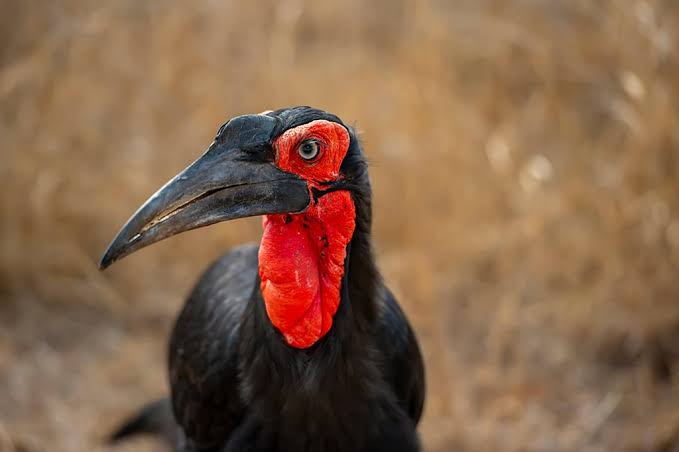
Ruaha can give visitors who’re patient a great number of birds. Some birds that might catch attention are the Ruaha red-billed hornbill, which is linked closely to the area along with hornbills that move through forests and open areas. Vultures and big birds of prey are also parts of the bird group. Their presence shows the food chain made by Ruahas lots of animals.
The Best Times for Bird Watching
The time you come can change your experience. The dry time, from June to October is popular for seeing animals because plants get thinner and animals gather around water. Birds are easier to find in areas and clear mornings give good views. The land looks golden as you expect from a Tanzanian safari area.
The wetter time brings a reward. Rain changes the plants bugs get more and many birds are more active. Migrating birds can add types during the months they are in East Africa. Birds that live there might be very interesting during breeding time with shows, nest making and protecting their space adding action to the experience.
Pick your time based on what you like. The dry months are good, for seeing animals and birds in areas while wetter months offer green views, active behavior and birds that come from other places.
Start Early and Listen Carefully
Birding in Ruaha is really great if you get up early. Before the sun comes up the bush starts to wake up. You hear birds calling from all around. As it gets lighter the birds leave their nests to eat, sing and move to places. It is also cooler in the morning. It is more comfortable to drive around.
A good guide is very helpful because a lot of birds are found by the sounds they make before you see them. You need to have binoculars and a book or app about birds can help you figure out what kind of bird it is. It is also an idea to have a notebook to write down where you saw the birds and what they were doing.
Beyond the Famous Animals
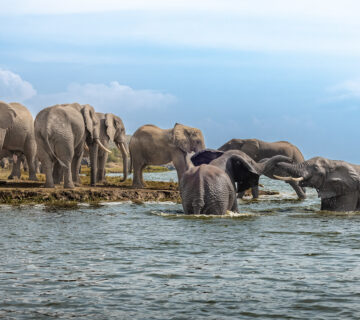
Ruaha is famous for its elephants, lions, wild dogs, giraffes and other big animals. The birds in Ruaha make the safari even better. Even when the elephants are right in front of you there can be a hornbill in a tree just watching everything.. When a lion is sleeping under a tree there can be little birds all around it looking for food. This makes the whole park feel alive.
Ruaha National Park in Tanzania is a special place for birdwatching. It is more fun when you do not just make a list of birds you see. When you see a bird flying across the sun as it sets or you hear a hornbill calling from away or you see two eagles flying above the rocks you will remember it for a long time.
The park is also very quiet so you can drive around without seeing other cars. You can watch a bird for a time without another car coming. This gives you time to look at the things that you might miss if it was busy.
A Safari With a Sense of Discovery
If you are planning a trip to Tanzania to see birds Ruaha is a place to go. It is different from places like Serengeti, Tarangire, Lake Manyara or the Eastern Arc Mountains. Each place has its special kind of environment. Ruaha has a mix of woods, rivers, rocks and open fields.
It is an idea to be prepared. Bring binoculars that can see away clothes that are not bright a hat, sunscreen, comfortable shoes, water and a notebook. You also need to be patient. Sometimes the best things to see are when you are waiting by water or looking at the trees.
It is very helpful to have a guide who knows about the birds and where they live. Tell your guide what you are interested, in before you start so they know if you want to see hawks birds that live in the woods birds that live in the water or just a lot of birds. Even a guide who is not a specialist can help you find birds and a specialist guide can make the trip even better if you really want to see a lot of birds.
Protecting Ruahas Wild Character
Ruahas remote nature is part of its appeal and responsible travel helps protect it. Visitors should follow park rules avoid disturbing birds keep a respectful distance from wildlife and never encourage guides to chase animals for closer views. Staying on routes helps reduce damage to vegetation and sensitive habitats.
Supporting tourism businesses and conservation initiatives can also strengthen the long-term value of protecting the landscape. When communities and conservation programs benefit from tourism the natural resources that attract visitors gain greater practical importance.
Ruaha National Park: Tanzanias Remote Birding Wilderness is ultimately a place for people who want more than a list of species. It offers space, silence, changing seasons and the chance to watch birds living naturally within one of Tanzanias wild landscapes. The reward is found in dawn calls birds moving through woodland water along the river and the possibility of a sighting on every drive.
Plan Your Birding Adventure
Give yourself time to explore different habitats. Two or three days can provide an introduction while longer stays allow repeated searches of productive areas. Morning and afternoon drives, plus time, around camp can increase your sightings.
Ruaha National Park: Tanzanias Remote Birding Wilderness invites you to slow down look closely and appreciate Tanzania from a perspective. The elephants and predators may command attention. The birds provide a constant soundtrack and endless detail. For a traveler to explore beyond the familiar safari circuit Ruaha can become one of the most rewarding chapters of a Tanzanian adventure.