Chasing the Shoebill: A Birder’s Guide to Mabamba Swamp
Some wildlife experiences stay with you long after you leave Africa. Seeing a lion at sunrise, watching a mountain gorilla come out of the forest or standing next to a group of elephants can become unforgettable moments. Yet inside the wetlands of Uganda, another experience offers something completely different. It is quieter, slower, and strangely interesting. You enter a maze of papyrus paths by canoe, move carefully across water, and start looking for one of Africa’s most unusual birds. This is the experience of Chasing the Shoebill: A Birder’s Guide to Mabamba Swamp.
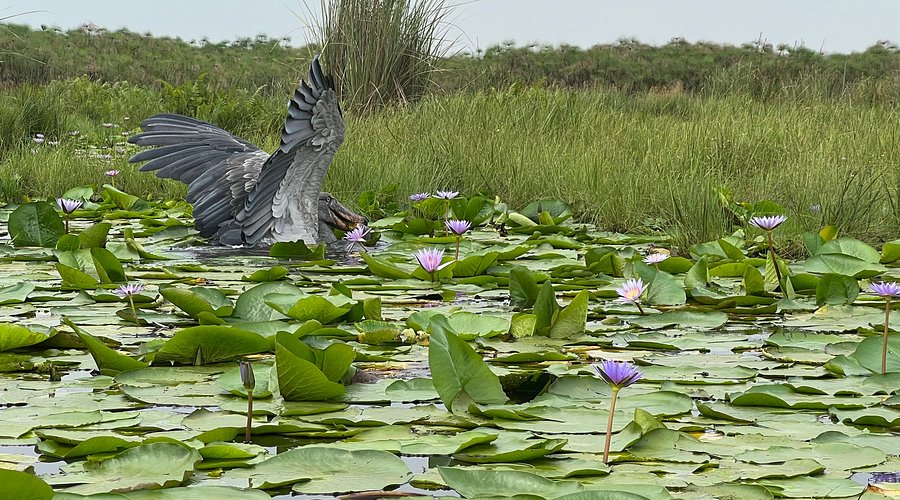
Mabamba Swamp is located on the side of Lake Victoria, west of Entebbe. The wetland includes papyrus, open water, channels, wet grass areas, and small islands that make a place for the shoebill. The place itself makes the trip special. In the morning, fog can cover the channels while fish jump out of the water and wetland birds call from hidden plants. Every turn of the canoe brings a chance.
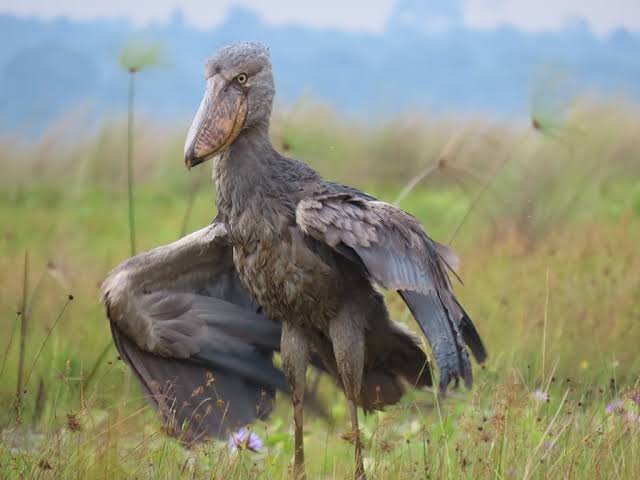
The shoebill, known scientifically as Balaeniceps rex, is the reason most people visit Mabamba. Its big shoe-like beak, tall body, wide wings, and still position make it look different from almost any other bird. It can stay still for a time while looking at the water, waiting for the perfect time to act. When it finally moves, the sudden action can surprise everyone in the boat.
Why Mabamba Swamp Is Special
Mabamba is one of the places in Uganda to see shoebills in their natural wetland home. Its close location to Entebbe also makes it easy for travelers who do not have time. You can go to the swamp before or after a flight include it in an Uganda safari or make it part of a special bird watching trip.
The wetland is more than a place to find one special bird. It has kinds of water and wetland birds making every trip enjoyable even when the shoebill decides to stay hidden. African jacanas, kingfishers, herons, egrets, cormorants and other birds may appear along the paths. The plants around also give a chance to watch how birds use parts of the wetland for eating, resting, building nests and finding shelter.
The area changes during the day. Morning light can make the papyrus shine while the water stays still. Later the sun gets stronger. Bird activity may change. For anyone who likes taking pictures of wildlife the early hours often offer natural light and better conditions for being, on the water.
The Journey Starts on the Water
The experience of Chasing the Shoebill: A Birders Guide to Mabamba Swamp starts before the bird appears. A canoe takes you through water paths where the papyrus can grow several feet above the water. Your guide moves carefully through the channels looking ahead for any movement or the clear shape of a shoebill.
Patience is important. A shoebill does not act like a bird that wants to entertain visitors. It may stay still for minutes and sometimes even longer. Your guide may suddenly slow the boat point to a patch of plants and quietly tell you to look. At first you might not see anything. Then the shape becomes clear.
That moment is part of the fun. You are not just being shown a bird. You are learning how to find it.
A good guide knows the wetland. Knows where shoebills are often seen but seeing them is never something that can be promised. Water levels, plants, weather, food and the movements of the birds can all change where they spend their time. The best way is to go into the swamp with ideas and let the experience happen naturally.
Understanding the Shoebill
The shoebill is often called a stork because of its appearance and traditional classification although its evolutionary relationships are more complicated. It is an African wetland bird associated with freshwater marshes where fish and other aquatic prey are available.
Its enormous bill is its recognizable feature. The bill is broad, powerful and equipped with a hook at the tip. This unusual structure helps the shoebill capture prey such as lungfish, catfish, eels and other aquatic animals. It may remain completely still before making a movement into the water.
One of the fascinating things about the species is its patience. Shoebills often rely on stillness while hunting. Than constantly moving through the wetland they can position themselves near suitable feeding areas and wait for prey to come within range.
Their appearance adds to the experience. The pale gray body, long legs large wings and intense eyes create an unforgettable profile. When the bird spreads its wings and takes flight its size becomes more impressive.
How to Prepare for a Mabamba Birding Trip
preparation can make your wetland experience much more enjoyable. Start with clothing suitable for warm and humid conditions. Lightweight trousers, a breathable shirt, a hat and comfortable footwear are choices. Sun protection is also important because the canoe offers shade in some areas.
Bring binoculars if you have them. A pair around 8x or 10x magnification can help you identify birds without making you dependent on getting very close. A camera with a telephoto lens can also improve your chances of getting detailed photographs while allowing you to maintain a respectful distance.
Keep your equipment protected from splashes and humidity. A simple waterproof bag can protect cameras, phones, binoculars and other valuables. Carry drinking water. Follow your guides advice throughout the trip.
The important preparation however is mental. Do not expect action. Birding in a wetland rewards observation. Sometimes the memorable part of the trip is the ten minutes spent watching a bird quietly feeding listening to frogs or seeing a kingfisher dive beside the canoe.
The Best Time to Search
Mabamba can be visited at times of the year but early morning is particularly appealing for birding. Temperatures are generally more comfortable light can be excellent, for photography and wildlife activity can be rewarding.
Weather conditions can influence the experience. Wetlands are environments and the appearance of the channels may change with rainfall and water levels. Of focusing entirely on finding the perfect day give yourself enough time to enjoy the broader environment.
A longer visit also allows you to slow down. If you only have a window you may feel pressured to find the shoebill immediately. With time you can appreciate the birds, plants, water and changing atmosphere around you.
Respecting the Wetland
When you are visiting the wetland you should always remember to respect the wildlife. This is especially true when you are looking for the Shoebill. You want to see the Shoebill without scaring it or changing the way it behaves. So you should not make noises or sudden movements. Do not try to chase the birds or ask your guide to get close just so you can take a picture.
The wetland is a place and it deserves our respect. Do not throw trash into the water. Hurt the plants that grow there. Be careful not to disturb the birds that are nesting. Keep your things safe and listen to what your guide tells you when you are moving through the water. If you behave in a way you can help keep the environment safe for the wildlife and for people who will visit in the future.
The people who live and work in the area are also very important. The guides and boat operators know the water and the wildlife well. They can help you find what you are looking for. They can also earn a living from visitors. So when you visit you are not just looking at the wildlife you are also helping the people who live there.
The Moment You Finally See a Shoebill
Seeing a Shoebill can be the part of your trip to Mabamba Swamp. You might have to look for a time but it is worth it. Imagine you are in a canoe moving slowly through a channel. Your guide stops paddling. Everyone gets quiet. Your guide points to the plants. You start looking.
At first you might not see anything. Then you see a big gray bird standing in the plants. You can tell it is a Shoebill because of its bill. You watch as it stands still not seeming to notice that you are there.
The Shoebill might move closer to the water. It might catch a fish. It might spread its wings and fly away. Whatever it does seeing it can be one of the memories of your trip to Uganda.
Taking a picture is nice
It is not the only thing that matters. Watching a Shoebill behave naturally can be more meaningful than getting a photo. It teaches you to slow down look carefully and appreciate the wildlife without expecting it to do tricks for you.
If you are planning a trip to look for birds in Uganda Chasing the Shoebill: A Birders Guide to Mabamba Swamp is a resource. It is not a map to help you find the birds it is an invitation to explore a beautiful wetland and see the wildlife in a slow and peaceful way.
Mabamba Swamp can be a challenge. That is part of what makes it special. You go there looking for a bird but you find a whole world of animals sounds and quiet moments. When you finally see the Shoebill it all becomes worth it.
Chasing the Shoebill: A Birders Guide to Mabamba Swamp is a story you will always remember. You will think about the canoe, the plants, the quiet water your guide pointing into the distance and the Shoebill standing quietly in its home. For people seeing the Shoebill is a reason to come back, to Ugandas wetlands again and again.