The Link Between Tree Loss and Drought in Sub-Saharan Africa
Sub-Saharan Africa is home to some of the world’s most diverse ecosystems. Its forests, woodlands, wetlands, and savannahs support millions of people who rely on natural resources for farming, livestock, food, and clean water. Yet across the region, trees are disappearing at an alarming rate. Rapid population growth, agricultural expansion, charcoal production, illegal logging, and unsustainable land use practices have contributed significantly to deforestation and forest degradation.
At the same time, many countries in Sub-Saharan Africa are experiencing longer dry seasons, more frequent droughts, and increasingly unpredictable rainfall patterns. Scientists have spent decades studying the relationship between forests and climate, and the evidence is clear. Tree loss does not simply affect wildlife and biodiversity. It also affects rainfall, soil quality, water availability, and local weather patterns.
Understanding the connection between tree loss and drought is essential for anyone interested in environmental conservation and sustainable development in Africa.
Why Trees Matter for Water Cycles
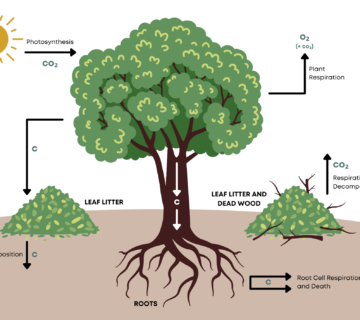
Trees play a major role in regulating the water cycle. Their roots absorb water from deep within the soil and release moisture into the atmosphere through a process known as transpiration. This moisture contributes to cloud formation and helps maintain local and regional rainfall patterns.
Large forested areas function almost like natural water pumps. They continuously recycle moisture between the land and the atmosphere. When forests are removed, this cycle becomes disrupted.
Without trees, less water enters the atmosphere. Reduced moisture can lead to lower rainfall levels over time, particularly in regions that depend heavily on local moisture recycling.
In parts of Sub-Saharan Africa, tree cover has historically helped maintain relatively stable environmental conditions that support agriculture and human livelihoods. Removing these trees can weaken the natural systems that sustain rainfall.
How Tree Loss Contributes to Drought
Drought is influenced by many factors, including global climate patterns and rising temperatures. However, deforestation can increase both the severity and frequency of drought conditions at the local and regional levels.
When trees are cleared, the land loses its ability to retain moisture effectively. Rainwater that would normally infiltrate the soil often runs off quickly, increasing erosion and reducing groundwater recharge. During dry periods, the land dries out much faster than forested areas.
This creates a cycle that can become difficult to reverse. Less tree cover leads to drier soils. Drier soils support fewer trees and crops. Reduced vegetation contributes to higher temperatures at ground level and lower humidity, making drought conditions worse.
Communities that rely on rain-fed agriculture are particularly vulnerable to these changes.
The Impact on Agriculture
Agriculture remains one of the most important economic sectors across Sub-Saharan Africa. Millions of smallholder farmers depend entirely on seasonal rainfall to grow crops.
Tree loss affects agriculture in several ways. Reduced rainfall can shorten growing seasons and lower crop yields. Soil erosion removes valuable nutrients that crops need to thrive. Increased temperatures can further stress plants during periods of limited rainfall.
Trees planted within agricultural landscapes can provide important benefits. They help retain soil moisture, reduce wind erosion, improve soil fertility, and create more stable microclimates for crops.
Agroforestry practices, which combine trees with farming activities, have proven effective in improving agricultural resilience in drought-prone regions.
Forests Help Moderate Temperatures
Trees provide shade and contribute to cooler local temperatures. Forested landscapes are generally cooler than surrounding deforested areas because trees absorb solar energy and release water vapor into the atmosphere.
When large numbers of trees are removed, surface temperatures often increase. Hotter conditions lead to greater evaporation from soil and water sources, reducing the amount of moisture available for crops and natural vegetation.
Higher temperatures can also increase water demand for both people and agriculture, placing additional pressure on already limited resources during drought periods.
Maintaining tree cover can help reduce the intensity of local heat conditions and support more favorable growing environments.
Soil Health and Water Retention
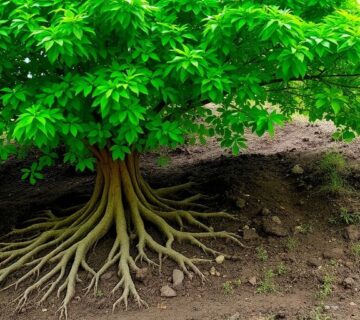
Healthy soils are essential for drought resilience. Tree roots improve soil structure by creating channels that allow water to penetrate deeper into the ground. Organic matter from fallen leaves enriches the soil and improves its ability to retain moisture.
Deforested land often becomes compacted and degraded over time. Rainwater is more likely to run off rather than soak into the ground. During heavy rains, this can increase flooding and erosion. During dry periods, the same land struggles to retain sufficient moisture to support crops and vegetation.
The relationship between trees and soil health is particularly important in semi-arid regions where water availability is already limited.
Communities that invest in tree planting and sustainable land management frequently experience improvements in soil productivity over time.
Tree Loss and Desertification
Many parts of Sub-Saharan Africa face the growing threat of desertification. This process occurs when fertile land becomes increasingly dry and less productive due to factors such as climate change, deforestation, and unsustainable farming practices.
Tree loss accelerates desertification by exposing soil to wind and water erosion. Without vegetation to stabilize the landscape, valuable topsoil can be lost within a relatively short period.
In regions such as the Sahel, large-scale restoration projects have demonstrated that planting and protecting trees can help reverse environmental degradation and improve agricultural productivity.
Trees serve as natural barriers that reduce the movement of sand and help maintain moisture within the soil.
The Role of Forests in Rainfall Patterns
Forests influence rainfall far beyond their immediate surroundings. Moisture released by trees can travel considerable distances through atmospheric processes.
Studies have shown that large forest ecosystems contribute significantly to regional precipitation patterns. Although global climate systems are complex, there is growing evidence that widespread deforestation can alter rainfall distribution across large areas.
Sub-Saharan Africa contains several important forest ecosystems that influence weather patterns throughout the continent. Protecting these forests is therefore important not only for local communities but also for regional climate stability.
The loss of forests may reduce rainfall in neighboring agricultural areas that depend on predictable weather patterns.
Climate Change Makes the Problem Worse
Climate change and deforestation often interact in ways that increase environmental risks.
Rising temperatures are already contributing to more frequent and severe droughts in many African countries. When forests are removed from the landscape, communities lose one of their most effective natural defenses against these climate impacts.
Trees store significant amounts of carbon dioxide, helping to reduce greenhouse gas concentrations in the atmosphere. Deforestation releases much of this stored carbon, further contributing to global warming.
Protecting forests therefore provides both local and global environmental benefits.
Economic Consequences of Drought
The economic costs of drought can be substantial. Reduced agricultural production affects household incomes, food prices, and national economies. Water shortages place additional strain on communities and infrastructure.
Many rural families depend directly on natural resources for their livelihoods. When drought conditions become more severe, people may be forced to travel longer distances for water or seek alternative sources of income.
Investing in forest conservation and sustainable land management is often far more cost effective than responding to environmental crises after they occur.
Healthy ecosystems support economic resilience by maintaining essential natural services that benefit agriculture, tourism, and water resources.
Solutions for Reducing Tree Loss
Addressing the link between tree loss and drought requires coordinated efforts at both local and national levels.
Tree planting initiatives can help restore degraded landscapes, but protecting existing forests is equally important. Sustainable farming practices, community forestry programs, and improved land use planning can significantly reduce deforestation rates.
Agroforestry offers one practical solution by allowing farmers to benefit economically from maintaining trees within agricultural systems. Native tree species are often particularly valuable because they are well adapted to local environmental conditions.
Education and community involvement are also essential. Conservation efforts are most successful when local populations are directly involved in managing and benefiting from natural resources.
Governments and environmental organizations continue to develop programs that promote reforestation and climate resilience across Sub-Saharan Africa.
The Future of Forests in Sub-Saharan Africa
Sub-Saharan Africa’s forests play a critical role in maintaining environmental stability across the continent. They regulate water cycles, support biodiversity, improve soil health, and help reduce the impacts of drought.
As climate challenges become increasingly significant, protecting and restoring tree cover will remain an important strategy for building resilient communities and sustainable economies.
The relationship between trees and rainfall is not merely an environmental issue. It affects food security, water availability, public health, and economic development for millions of people. Every tree protected or planted contributes to healthier ecosystems and strengthens the natural systems that support life across the region.
Understanding this connection is the first step toward ensuring that future generations inherit landscapes capable of sustaining both people and nature.