Lake Kivu: The Peaceful Lake Between Rwanda and Congo
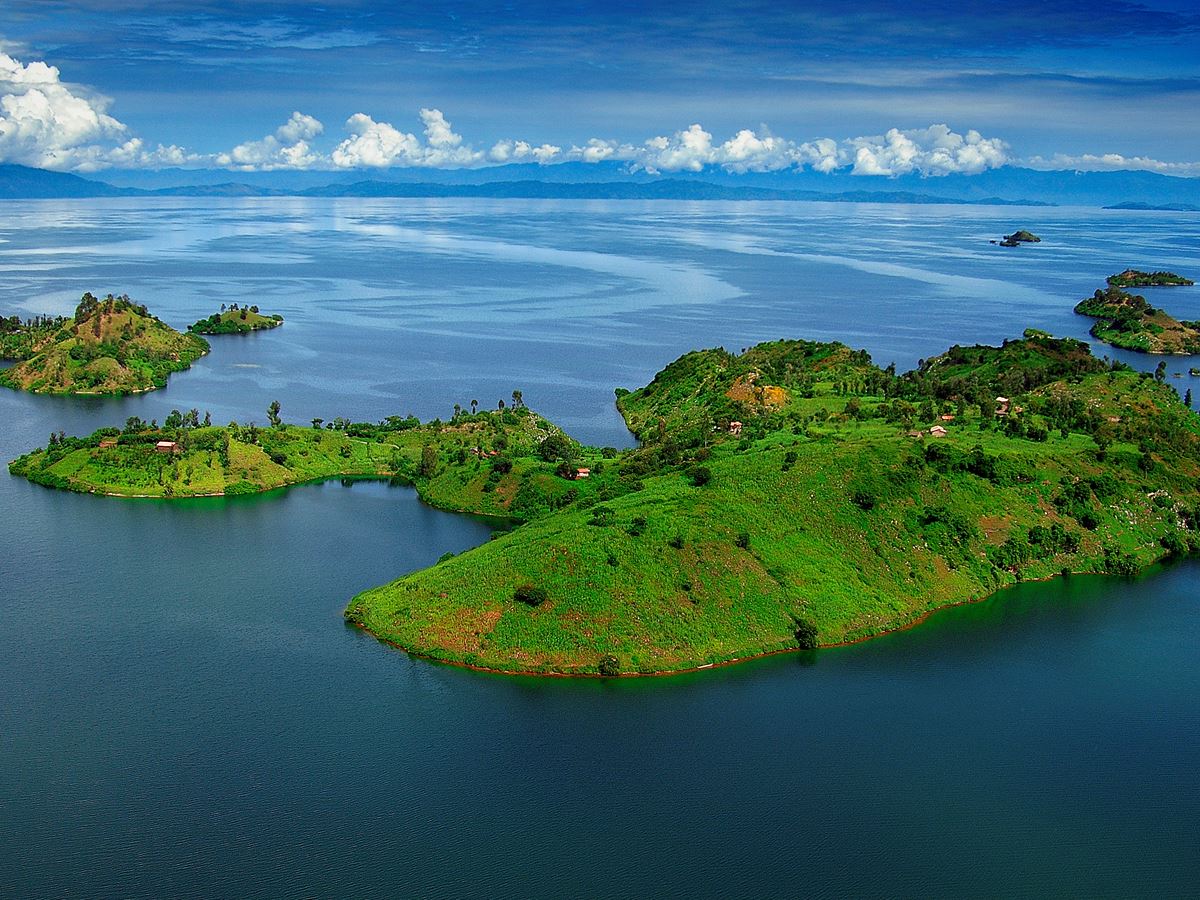
Lake Kivu is one of the most beautiful lakes in Africa, located along the border between Rwanda and the Democratic Republic of Congo. Surrounded by green hills, volcanic mountains, fishing communities, and small islands, the lake offers visitors a peaceful escape filled with nature, culture, and adventure.
The lake is part of the African Great Lakes region and is found within the Albertine Rift Valley, an area famous for its unique landscapes and rich biodiversity. It covers about 2,700 square kilometers and reaches depths of more than 480 meters, making it one of the deepest lakes in the world.
For many travelers, Lake Kivu is a perfect addition to a Rwanda safari itinerary. Visitors often combine it with mountain gorilla trekking in Volcanoes National Park, chimpanzee tracking in Nyungwe Forest National Park, or cultural experiences in Kigali.
Location of Lake Kivu
Lake Kivu stretches between western Rwanda and eastern Democratic Republic of Congo. On the Rwandan side, the main tourist towns are Gisenyi, Kibuye, and Rusizi. On the Congolese side, important towns include Goma and Bukavu.
The lake’s northern shores are close to the Virunga Mountains, a chain of volcanic mountains shared by Rwanda, Uganda, and Congo. This location gives travelers beautiful views of volcanic peaks rising above the surrounding landscape.
The hills around Lake Kivu are heavily cultivated because the volcanic soils are very fertile. Visitors traveling around the lake will see farms growing coffee, tea, bananas, vegetables, and other crops.
Formation and Unique Features of Lake Kivu
Lake Kivu was formed through volcanic and tectonic activity millions of years ago. The movement of the earth’s crust created a deep basin that later filled with water.
One of the most unusual features of Lake Kivu is the large amount of methane gas stored beneath its deep waters. The gas was created naturally through geological processes and the breakdown of organic material over many years.
Rwanda has developed projects to extract methane from the lake and use it for electricity production. This provides an important energy source for the country while helping manage the gas deposits.
Unlike some other large African lakes, Lake Kivu does not have common dangers such as large populations of crocodiles or hippos, making many areas suitable for recreational activities such as swimming and kayaking.
Gisenyi: The Popular Lakeside Destination
Gisenyi, also called Rubavu, is one of the most visited towns on Lake Kivu. Located near the border with Congo, it is a popular stop for travelers heading to Volcanoes National Park for gorilla trekking.
The town has beautiful beaches, lakeside hotels, restaurants, and views of the surrounding volcanic mountains. Many visitors spend a few days here before or after their gorilla trekking experience.
Gisenyi offers activities such as boat trips, swimming, kayaking, and exploring local markets. The relaxed atmosphere makes it a good place to rest after long journeys through Rwanda.
Kibuye: The Scenic Side of Lake Kivu
Kibuye, officially known as Karongi, is often considered the most scenic destination on Lake Kivu. The town is surrounded by rolling green hills, quiet islands, and beautiful viewpoints overlooking the water.
Unlike the busier Gisenyi area, Kibuye has a calmer atmosphere that attracts travelers looking for relaxation and nature experiences.
Visitors can enjoy boat rides to nearby islands, explore fishing villages, walk along the lakeshore, or simply enjoy the peaceful environment.
Kibuye is also a good stop for travelers exploring western Rwanda because it connects well with Nyungwe Forest National Park and other attractions.
Rusizi and the Southern Part of Lake Kivu
Rusizi is located near the southern end of Lake Kivu and serves as a gateway to Nyungwe Forest National Park.
Many travelers combine a visit to Nyungwe for chimpanzee trekking and canopy walks with time at Lake Kivu. The area provides opportunities for boat trips, bird watching, and cultural experiences.
The southern shores of the lake are quieter compared with Gisenyi, offering visitors a more local experience.
Things to Do at Lake Kivu
Boat Trips and Island Visits
Boat tours are among the most popular activities on Lake Kivu. They allow visitors to explore the lake’s islands, fishing communities, and surrounding landscapes.
Trips often include visits to small islands where travelers can see local wildlife, learn about community life, and enjoy views of the green hills surrounding the lake.
Sunset boat rides are especially popular because the calm waters create beautiful evening scenery.
Swimming and Relaxing by the Lake
Many visitors enjoy swimming in Lake Kivu because several areas have safe beaches and calm waters.
The lakeside towns have developed areas where travelers can relax, enjoy meals, and spend time near the water.
The cool climate around the lake makes outdoor activities comfortable throughout much of the year.
Kayaking
Kayaking is a great way to explore Lake Kivu at a slower pace. Visitors can paddle along the shoreline, discover quiet areas, and enjoy views that are difficult to experience from land.
Both beginners and experienced travelers can enjoy kayaking because the lake is generally calm in many tourist areas.
Traditional Fishing Experiences
Fishing is an important part of life for communities around Lake Kivu. Local fishermen have developed traditional techniques passed down through generations.
One of the most interesting experiences for visitors is watching fishermen go out at night using lamps to attract fish. The activity often includes groups working together while singing as they pull their nets.
This gives travelers a chance to understand the relationship between local communities and the lake.
Visiting Coffee Farms
The hills around Lake Kivu are known for producing high-quality coffee. Visitors can tour coffee farms, learn how coffee is grown and processed, and taste locally produced coffee.
These experiences provide insight into one of Rwanda’s most important agricultural products.
Lake Kivu and Gorilla Trekking
Many travelers include Lake Kivu in their Rwanda gorilla trekking itinerary because of its location near Volcanoes National Park.
After spending a day tracking mountain gorillas in the forests of the Virunga Mountains, visitors often travel to Gisenyi to relax by the lake.
A combined gorilla and Lake Kivu trip allows travelers to experience two different sides of Rwanda: the forests and wildlife of the north, and the peaceful landscapes of the west.
Wildlife Around Lake Kivu
Although Lake Kivu itself is not a traditional wildlife safari destination, the surrounding region is rich in biodiversity.
Nearby protected areas provide opportunities to see mountain gorillas, golden monkeys, chimpanzees, forest birds, and other wildlife.
Volcanoes National Park is home to endangered mountain gorillas, while Nyungwe Forest protects one of Africa’s oldest rainforests and many primate species.
Bird watchers can also enjoy many species around the lake, including kingfishers, herons, and other water birds.
Best Time to Visit Lake Kivu
Lake Kivu can be visited throughout the year because of its pleasant climate.
The dry seasons from June to September and December to February are popular because there is less rainfall and outdoor activities are easier.
The rainy seasons from March to May and October to November bring greener landscapes and fewer visitors. The hills around the lake become especially beautiful during this period.
Travelers combining Lake Kivu with gorilla trekking should consider the weather conditions of the entire itinerary.
How to Get to Lake Kivu
Most international visitors reach Lake Kivu through Kigali International Airport.
From Kigali, the journey to Gisenyi takes about three to four hours by road. Kibuye is usually around three hours from Kigali, while Rusizi takes longer because of the distance.
The roads are generally well maintained, and the journey provides beautiful views of Rwanda’s famous hills and countryside.
Many safari companies include private transportation when organizing trips that combine Kigali, gorilla trekking, and Lake Kivu.
Accommodation Around Lake Kivu
Lake Kivu has accommodation options for different types of travelers, including luxury resorts, mid-range hotels, guesthouses, and lakeside lodges.
Gisenyi has more developed tourism facilities with many hotels and restaurants. Kibuye offers quieter lakeside stays with beautiful views. Rusizi provides convenient accommodation for travelers visiting Nyungwe Forest.
Choosing where to stay depends on your travel plans, budget, and activities you want to experience.
Cultural Experiences Around Lake Kivu
The communities around Lake Kivu have a strong connection with the lake and surrounding land.
Visitors can experience local food, traditional fishing, coffee farming, village walks, and interactions with communities.
Local dishes often include fresh fish from the lake, plantains, vegetables, and traditional Rwandan meals.
These experiences help travelers understand daily life beyond Rwanda’s main tourist attractions.
Why Lake Kivu Should Be Part of Your Rwanda Trip
Lake Kivu offers a peaceful experience that is different from Rwanda’s wildlife destinations. It combines natural beauty, cultural experiences, relaxation, and adventure in one location.
Whether you are enjoying a boat ride, watching fishermen at sunset, exploring nearby forests, or resting after gorilla trekking, Lake Kivu provides a memorable part of any East African journey.