
Responsible Wildlife Viewing Rules for Self-Drivers: Distances and Speed Limits
Responsible wildlife viewing rules for self-drivers help protect animals and visitors during African safaris. Driving yourself through a national park offers flexibility, but it also requires careful attention to wildlife behaviour, road conditions and park regulations.
In Uganda, Kenya, Tanzania and Rwanda, national parks protect animals such as elephants, lions, buffaloes, giraffes and antelopes. These animals may cross roads unexpectedly, rest near tracks or approach vehicles.
Driving too fast, getting too close or blocking an animal’s movement can create dangerous situations.
Understanding wildlife viewing distances and speed limits helps you enjoy your safari without disturbing the animals you have travelled to see.
This guide explains the most important rules, including how to approach wildlife, where to stop and what to do when animals cross your route.
What Is Responsible Wildlife Viewing?
Responsible wildlife viewing means observing animals without unnecessarily disturbing their natural behaviour.
For self-drivers, this involves maintaining suitable distances, following designated roads and respecting park regulations.
Animals should be free to feed, rest, move and interact without interference from vehicles.
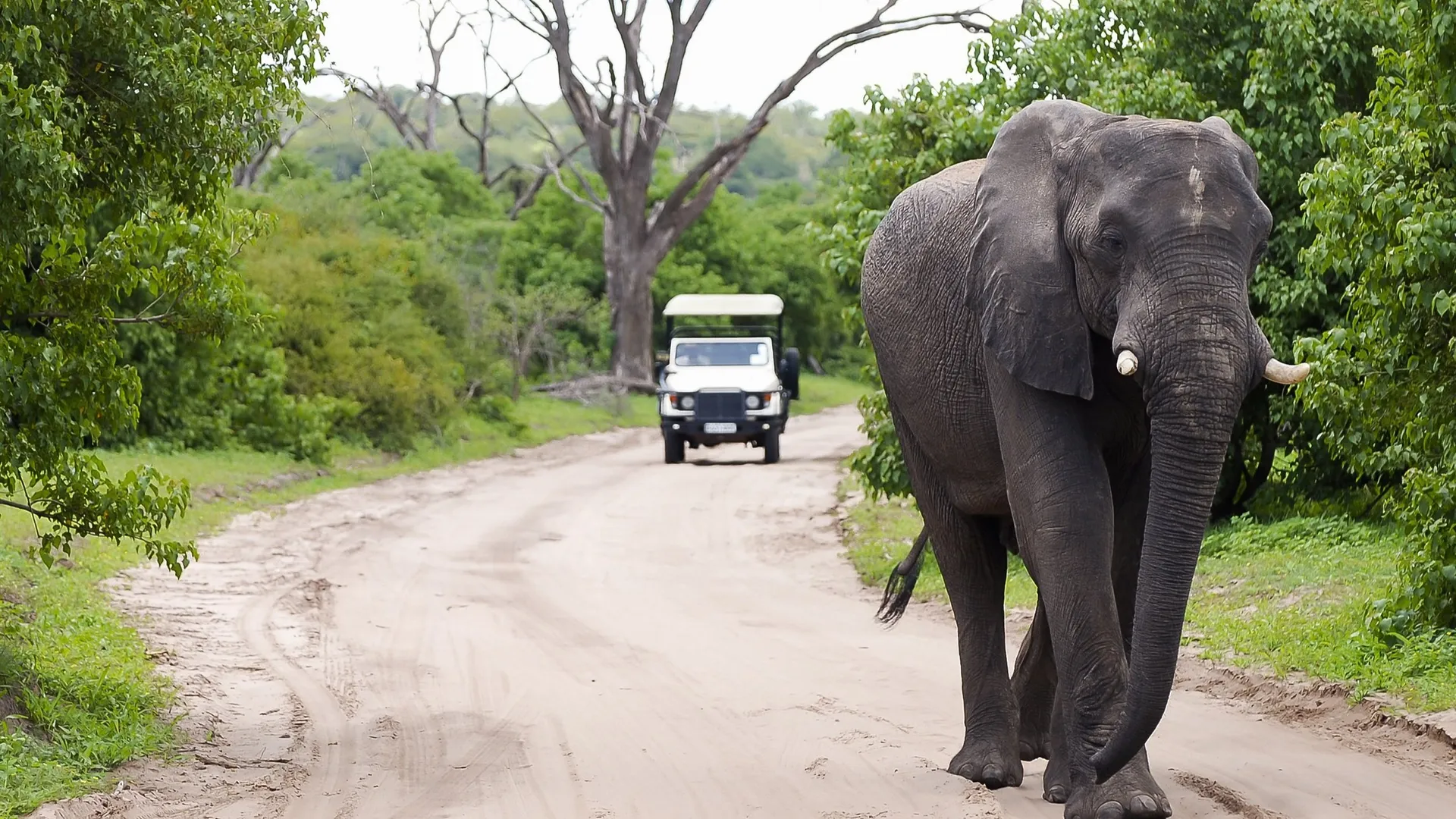
For example, if an elephant is feeding beside a road, you should stop at a safe distance.
Avoid driving closer simply because you want a better photograph.
A responsible safari allows wildlife to determine whether an encounter continues.
Speed Limits in East African National Parks
Speed limits vary between countries and protected areas.
Kenya Wildlife Service generally specifies a maximum speed of 40 km/h in its national parks.
Uganda Wildlife Authority also specifies a 40 km/h limit in its general park guidance.
Tanzania National Parks regulations commonly set a maximum of 50 km/h, with slower speeds recommended for game viewing.
Always follow the signs and current instructions at your destination.
| Country | Published general park speed guidance | Important reminder |
|---|---|---|
| Uganda | 40 km/h | Follow additional park-specific instructions |
| Kenya | 40 km/h | Slow down further near wildlife |
| Tanzania | 50 km/h | Around 25 km/h is recommended for game viewing |
| Rwanda | Check the specific park’s current rules | Follow ranger instructions and posted limits |
These figures are general guidance for the relevant park systems, not permission to maintain that speed in every situation.
You may need to travel considerably slower.
Why Speed Limits Protect Wildlife
Animals do not understand road signs or vehicle speeds.
An antelope may suddenly cross a track.
Elephants can emerge from vegetation with little warning.
Young animals may follow adults onto roads.
Lower speeds give drivers more time to recognise hazards and stop safely.
Driving slowly also reduces dust and unnecessary disturbance.
However, you should remain alert even when travelling at very low speeds.
Wildlife behaviour can change unexpectedly.
How Close Can You Drive to Wild Animals?
There is no single safe viewing distance for every species and situation.
Kenya Wildlife Service publishes a recommended minimum wildlife viewing distance of 20 metres in its general park guidance.
However, some animals and circumstances require much greater separation.
A large elephant approaching your vehicle may be dangerous even when initially observed from farther away.
You should never treat a minimum distance as a target.
The safest viewing position depends on the animal’s behaviour, available space and your ability to leave without causing disturbance.
Wildlife Viewing Distances by Animal Type
| Animal | Main safety concern | Recommended driving approach |
|---|---|---|
| Elephant | Charging or defensive behaviour | Keep generous distance and an escape route |
| Lion | Disturbance and unpredictable movement | Remain inside the vehicle |
| Buffalo | Sudden aggressive response | Avoid close approaches |
| Rhino | Defensive behaviour and poor visibility | Follow ranger guidance |
| Giraffe | Sudden road crossing | Stop and allow movement |
| Zebra and antelope | Unexpected movement across tracks | Reduce speed around groups |
| Hippo | Dangerous encounters near water | Never approach closely |
This table provides behavioural guidance, not legally established species-specific distances.
Park regulations always take priority.
Rules for Viewing Elephants From a Vehicle
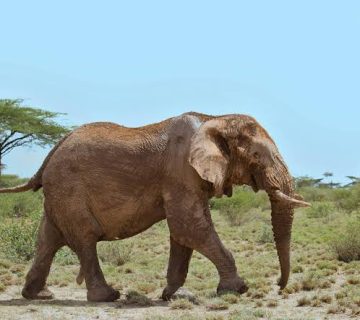
Elephants deserve particular caution because of their size and strength.
A mature elephant can damage a vehicle.
If elephants are feeding near a road, stop far enough away to avoid interfering with them.
Never drive between a mother and her calf.
Avoid positioning your vehicle between members of a herd.
Watch for signs of discomfort, including repeated defensive displays or sudden changes in behaviour.
If an elephant approaches, remain calm and follow advice from an experienced guide or ranger when available.
Do not use your horn to force the animal away.
What to Do When Elephants Block the Road
Elephants sometimes stand or feed on roads.
If this happens:
Stop at a safe distance.
Keep your engine noise low.
Remain inside the vehicle.
Avoid sudden movements.
Do not attempt to drive through the herd.
Wait for the elephants to move naturally.
If the situation becomes unsafe, retreat only when you can do so without provoking the animals.
Avoid reversing blindly.
Check the road behind you before moving.
Responsible Lion Viewing Rules
Lions often rest near roads because open tracks may provide convenient places to lie down.
You may encounter them during morning or afternoon game drives.
Remain inside your vehicle.
Do not attempt to attract their attention by making noises or throwing objects.
Avoid crowding lions with several vehicles.
When possible, position your vehicle so other drivers can pass safely.
Never block an animal’s movement to obtain photographs.
If lions approach your vehicle, keep windows and doors appropriately secured and follow park instructions.
Why Off-Road Driving Is Restricted
Many East African national parks prohibit driving outside designated roads and tracks without specific authorisation.
Off-road driving can damage vegetation and disturb wildlife.
It may also destroy nests, burrows and other small habitats.
Vehicle tyres can compact soil and contribute to erosion.
Even when an animal is visible nearby, you should not leave the authorised track to approach it.
A missed photograph is preferable to damaging a protected habitat.
Where Should You Stop for Wildlife Viewing?
Choose a position that allows other vehicles to pass where possible.
Avoid stopping on blind corners or narrow sections of road.
Do not block emergency or management vehicles.
If several vehicles are already watching an animal, consider waiting or moving elsewhere.
Crowding can place pressure on wildlife and create traffic problems.
Respect other visitors and avoid occupying the best position for an excessive period.
Can Self-Drivers Leave Their Vehicles?
In most national parks, visitors must remain inside vehicles except in designated areas.
Rules may allow stopping at approved picnic sites, viewpoints or rest areas.
However, leaving a vehicle near wildlife can be extremely dangerous.
Animals may be hidden in surrounding vegetation.
Never step outside to photograph lions, elephants or other wild animals.
If your vehicle develops a problem, contact park authorities or your safari operator where possible.
Follow the park’s emergency procedures.
What About Vehicle Windows and Roof Hatches?
Some safari vehicles have roof hatches designed for wildlife viewing.
Use them only where permitted and according to the vehicle’s safety instructions.
Do not sit on window frames or extend your body dangerously outside the vehicle.
Avoid leaning towards wildlife.
Keep doors closed when observing potentially dangerous animals.
Children should remain properly supervised.
Driving Near Waterholes and Rivers
Water sources attract wildlife, particularly during dry periods.
You may see elephants, buffaloes, antelopes and predators visiting the same area.
Approach slowly and observe before choosing a stopping position.
Do not block animals from reaching water.
Avoid driving too close to riverbanks or unstable ground.
Hippos and crocodiles may be present even when they are difficult to see.
Respect designated viewing areas and warning signs.
Wildlife Viewing Rules During Night Drives
Night driving is restricted in many national parks.
Some destinations offer authorised night game drives with trained guides.
However, ordinary self-drivers should not assume they can drive after dark.
Night activities may require special permission.
Driving in darkness increases the difficulty of spotting wildlife and road hazards.
Confirm the permitted driving hours before entering the park.
Allow enough time to reach your accommodation or exit gate.
Photography Without Disturbing Wildlife
Wildlife photography is a major attraction during self-drive safaris.
However, photography should never interfere with animal behaviour.
Use a suitable zoom lens instead of driving closer.
Avoid flash where it may disturb animals.
Never follow wildlife repeatedly to obtain a particular photograph.
If an animal appears uncomfortable, increase your distance.
Patience usually provides better opportunities than aggressive positioning.
What to Do When Animals Cross the Road
Wildlife has priority inside national parks.
If animals begin crossing, stop safely and allow them to continue.
Do not drive between individuals in a group.
Young animals may follow several seconds after adults.
Wait until the route is clear before moving.
Be particularly careful around elephants, buffaloes and large herds.
Some animals may turn back unexpectedly.
Self-Drive Safari Safety Checklist
Before beginning your game drive, check the following.
| Item | What to confirm |
|---|---|
| Speed limit | Current park regulations |
| Route | Authorised driving tracks |
| Fuel | Enough for the planned journey |
| Tyres | Suitable condition and spare tyre |
| Communication | Working phone or radio arrangement |
| Park closing time | Sufficient time to return |
| Drinking water | Adequate safe water |
| Emergency information | Relevant park contact procedures |
Do not rely entirely on mobile phone coverage.
Some remote park areas have limited connectivity.
Mistakes Self-Drivers Should Avoid
Common mistakes include:
Driving too fast.
Approaching elephants too closely.
Blocking wildlife crossings.
Leaving vehicles in unauthorised places.
Driving off designated tracks.
Feeding animals.
Using horns to disturb wildlife.
Crowding around predators.
Driving after permitted hours.
Ignoring ranger instructions.
These actions can endanger both wildlife and visitors.
When Should You Hire a Safari Guide?
Self-driving offers independence, but a knowledgeable guide can improve safety.
Guides understand wildlife behaviour, park routes and local conditions.
They may recognise warning signs that inexperienced visitors overlook.
A guided game drive can be particularly useful if you have never driven near elephants, buffaloes or large predators.
You can also combine self-driving with selected guided activities.
Responsible wildlife viewing rules for self-drivers help protect animals, visitors and national park habitats.
Driving slowly, maintaining suitable distances and remaining on authorised tracks are essential.
Published speed limits provide maximum thresholds, but actual conditions may require much slower driving.
Never force wildlife to move for your convenience.
By respecting animal behaviour and following park regulations, you can enjoy a safer and more responsible self-drive safari.

No comment