
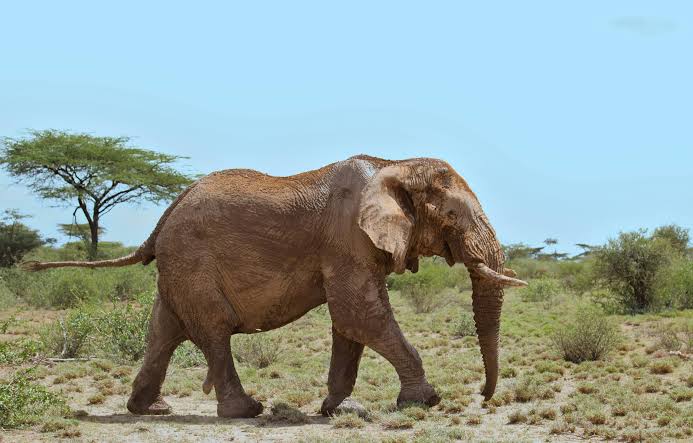
Why Park Fees Rise: How Revenue Funds Anti-Poaching and Local Schools
National park fees are an important part of wildlife conservation in East Africa. When you visit destinations such as Bwindi Impenetrable National Park, the Maasai Mara, Serengeti National Park or Volcanoes National Park, part of your travel budget goes towards accessing protected natural areas.
However, travellers sometimes wonder why park fees rise and how the money is spent.
Park fees and wildlife conservation are closely connected because protecting animals requires trained rangers, equipment, infrastructure and long-term management.
In some countries, tourism revenue also supports communities living near protected areas through schools, health facilities and other development projects.
Understanding how these financial arrangements work helps you appreciate the costs behind wildlife protection and ask better questions when planning your safari.
What Are National Park Fees?
National park fees are payments collected from visitors entering protected areas or participating in authorised activities.
They help wildlife authorities finance conservation and park management.
Fees may differ according to nationality, residency, age and activity.
For example, a standard park entrance fee is different from a gorilla trekking permit.
Additional charges may apply to vehicles, accommodation or specialised activities.
The exact amount depends on the destination and current regulations.
Why Do Park Fees Increase?
Several factors can influence decisions to adjust park charges.
Rising Conservation Costs
Protecting wildlife requires regular spending.
Rangers need salaries, uniforms, transport and communication equipment.
Vehicles require fuel and maintenance.
Roads, ranger stations and other facilities also need repairs.
When operating costs increase, authorities may review visitor charges.
Greater Demand for Wildlife Experiences
Some conservation experiences attract considerable international demand.
Gorilla trekking is an example.
Visitor numbers are controlled to reduce disturbance and support conservation.
Permit pricing may reflect conservation objectives, operating costs and tourism demand.
Improving Visitor Facilities
Park authorities sometimes invest in roads, information centres, sanitation and other visitor services.
These improvements can make protected areas safer and more accessible.
However, tourists should not assume every fee increase directly finances a new facility.
Spending priorities vary.
How Park Fees Support Anti-Poaching Patrols
Illegal hunting threatens wildlife in several African protected areas.
Rangers conduct patrols to detect and prevent unlawful activities.
Tourism revenue may support these operations through general park budgets.
Funding can contribute to:
Ranger salaries and training.
Patrol vehicles and fuel.
Communication equipment.
Monitoring systems.
Protective equipment.
Ranger stations.
Wildlife incident response.
Maintenance of operational infrastructure.
Anti-poaching work requires consistent funding because wildlife threats can continue throughout the year.
What Happens During Anti-Poaching Patrols?
Rangers may travel through forests, grasslands and other habitats to monitor wildlife protection concerns.
Their responsibilities can include detecting illegal hunting activity, removing dangerous snares and reporting suspicious incidents.
Patrols may also identify injured animals requiring veterinary attention.
In Uganda, snare removal is particularly relevant to chimpanzee conservation.
Other species can also become injured by traps.
Tourism revenue contributes to the wider financial resources that help authorities maintain wildlife protection services.
Park Fees and Wildlife Veterinary Care
Wild animals sometimes require professional treatment.
Elephants may suffer injuries associated with human-wildlife conflict.
Chimpanzees can become trapped in snares.
Other animals may experience disease or serious wounds.
Wildlife veterinary teams need equipment, transport and trained personnel.
Some conservation programmes receive funding through government allocations, partner organisations or donations.
Park fees may contribute indirectly through broader wildlife management budgets.
However, the exact amount reaching veterinary activities is not necessarily published as a fixed percentage.
How Park Revenue Supports Local Communities
Communities living near national parks often experience both benefits and challenges associated with wildlife conservation.
Tourism can create employment and business opportunities.
However, wild animals may damage crops or threaten livestock.
Revenue-sharing programmes aim to direct some tourism benefits towards neighbouring communities.
Projects can support education, healthcare, water access and livelihood development.
The arrangements differ between countries.
Uganda’s Park Revenue-Sharing Programme
Uganda Wildlife Authority operates a revenue-sharing programme for communities neighbouring protected areas.
Under its established framework, 20% of park entrance fee revenue is shared with eligible neighbouring communities.
This distinction is important because the percentage should not be interpreted as 20% of every tourism payment.
Community projects have included school facilities, health services, water infrastructure and measures addressing human-wildlife conflict.
For example, revenue-sharing funds may support construction or improvement of facilities used by nearby residents.
Project selection and implementation involve relevant local administrative arrangements.
Rwanda’s Tourism Revenue-Sharing Programme
Rwanda also uses tourism revenue to support communities surrounding national parks.
The Rwanda Development Board reports that 10% of national park tourism revenue is allocated through its Tourism Revenue Sharing Programme.
Supported activities include education, healthcare, water infrastructure and community livelihood projects.
These investments aim to improve local welfare while encouraging participation in conservation.
However, revenue-sharing programmes should be assessed through their actual results.
The amount allocated is one measure; the quality and continued usefulness of completed projects also matter.
Comparing Park Revenue-Sharing Approaches
| Country | Revenue-sharing approach | Possible community benefits |
|---|---|---|
| Uganda | Established share of park entrance fee revenue | Schools, healthcare and community projects |
| Rwanda | 10% of national park tourism revenue | Education, water and livelihood initiatives |
| Kenya | Arrangements vary by protected-area management system | Community conservation and local development |
| Tanzania | Community support through relevant park and conservation programmes | Education, infrastructure and livelihood projects |
These systems have different legal and financial structures.
A percentage used in one country should not be applied automatically to another.
How Park Fees Help Local Schools
Education is one area where community revenue-sharing projects can provide practical benefits.
Some projects support classroom construction, school improvements and related infrastructure.
Better facilities can make learning conditions more suitable.
However, funding a school building is only one part of providing quality education.
Teachers, learning materials, maintenance and reliable management remain essential.
For this reason, long-term planning is important.
Projects should respond to priorities identified by the communities they are intended to serve.
Why Communities Need Conservation Benefits
People living near protected areas may experience crop damage, restricted land access or other challenges.
When residents receive meaningful benefits from conservation, they may have stronger reasons to support wildlife protection.
However, revenue sharing does not automatically eliminate conflict.
A farmer who loses crops to elephants may still face serious financial difficulties.
Conservation authorities therefore need to combine community benefits with appropriate conflict prevention and response measures.
Fair participation and transparent decision-making can improve trust.
Do Expensive Park Fees Guarantee Better Conservation?
Higher fees do not automatically guarantee stronger conservation results.
Effective management depends on how money is allocated and used.
A park may collect substantial revenue while still facing infrastructure or staffing challenges.
Visitors should therefore consider more than the entrance price.
Useful indicators include wildlife monitoring, ranger operations, habitat protection and community engagement.
Public financial reports and conservation updates can help explain how authorities use available resources.
How Tourism Revenue Is Distributed
Park income may support several activities.
| Spending area | Example |
|---|---|
| Wildlife protection | Ranger patrols |
| Habitat management | Restoration and monitoring |
| Veterinary services | Wildlife health interventions |
| Infrastructure | Roads and ranger stations |
| Visitor management | Information and safety facilities |
| Community programmes | Schools and water projects |
| Administration | Staffing and financial management |
This table illustrates possible spending categories, not a fixed allocation of park fees.
The actual distribution varies between authorities and financial periods.
Why Gorilla Trekking Permits Cost More
Gorilla trekking requires specialised management.
Visitors usually track habituated gorilla groups under the supervision of authorised guides.
The activity involves trackers, rangers, visitor management and health precautions.
Group sizes and viewing periods are controlled to reduce disturbance.
Conservation teams also monitor gorilla populations and protect forest habitats.
These responsibilities contribute to the broader costs associated with gorilla tourism.
However, permit prices also reflect policy decisions and demand.
There is no universal formula that determines their cost.
How Visitors Can Check Where Fees Go
If you want to understand how your safari spending supports conservation, ask specific questions.
You may ask:
Which authority collects the park fee?
Is the charge an entrance fee or activity permit?
Does the authority publish financial reports?
What community revenue-sharing arrangements apply?
Which local projects have received support?
Are conservation outcomes monitored?
Does the safari operator support additional community initiatives?
A responsible operator should distinguish official park charges from its own service fees.
Park Fees Versus Safari Operator Charges
Your total safari price usually includes more than park entrance fees.
You may pay for accommodation, transport, guiding, meals and operator services.
For example, a five-day safari quotation may combine several separate costs.
| Safari expense | Who generally receives payment |
|---|---|
| Park entrance fee | Responsible protected-area authority |
| Accommodation | Hotel, lodge or camp |
| Transport | Vehicle provider or operator |
| Guiding | Guide or safari company |
| Meals | Accommodation or catering provider |
| Activity permit | Relevant issuing authority |
Ask for an itemised quotation if you want greater clarity.
What Happens When Tourism Revenue Falls?
Wildlife conservation requires funding even when visitor numbers decrease.
A decline in tourism can place pressure on park management budgets.
Ranger patrols, habitat monitoring and community programmes may still need financial support.
Authorities may rely on government resources, conservation partners and other income sources.
Diversified funding can help maintain essential activities during periods of reduced tourism.
Can Travellers Support Conservation Beyond Park Fees?
Yes. Travellers can support conservation through responsible spending and appropriate contributions.
Choose authorised guides and accommodation providers.
Respect park regulations and wildlife viewing distances.
Consider locally owned businesses where suitable.
You may also support established conservation organisations that provide transparent information about their work.
These choices can complement official park fees.
National park fees help finance wildlife protection and the management of East Africa’s protected areas.
Revenue may support anti-poaching patrols, infrastructure, veterinary services and community development.
In Uganda and Rwanda, established revenue-sharing programmes direct specified portions of qualifying tourism revenue towards neighbouring communities.
However, funding arrangements differ between destinations.
Understanding how fees are collected and used allows you to plan your safari with realistic expectations.
Your contribution becomes more meaningful when you choose responsible operators and respect the conservation rules protecting the places you visit.


No comment