
Kenya’s Single-Use Plastic Rules: What Visitors Should Know
Kenya’s single-use plastic rules are important for travellers planning safaris, beach holidays and visits to national parks. The country has introduced restrictions to reduce plastic pollution and protect wildlife habitats, rivers, forests and coastal environments.
If you are visiting Kenya, understanding these regulations can help you avoid carrying prohibited items and prepare suitable alternatives.
Kenya banned certain plastic carrier bags in 2017. In 2020, additional restrictions on single-use plastics took effect in protected natural areas, including national parks.
These measures affect how visitors pack, carry drinking water and manage waste during their holidays.
Whether you are travelling to Nairobi, the Maasai Mara, Amboseli, Tsavo or the Kenyan coast, you should understand which plastic products are restricted and what alternatives you can use.
Understanding Kenya’s Single-Use Plastic Rules
Kenya has two important restrictions that travellers should distinguish.
The first concerns plastic carrier bags used for commercial and household packaging.
The second concerns single-use plastic items in protected natural areas.
These regulations have different scopes.
The 2017 Plastic Bag Ban
Kenya introduced a national ban on specified plastic carrier bags and flat bags in August 2017.
The ban covers their manufacture, importation and use, subject to applicable legal exemptions.
Visitors should avoid bringing ordinary disposable plastic shopping bags into the country.
The restriction applies beyond national parks.
The 2020 Protected Areas Ban
On 5 June 2020, Kenya introduced restrictions on single-use plastic products in protected natural areas.
These include items such as disposable plastic water bottles, cups, plates, cutlery and straws.
Visitors should prepare suitable reusable alternatives when entering national parks and other affected areas.
Which Plastic Items Should Visitors Avoid?
The rules vary according to the item and location.
| Plastic item | General visitor guidance |
|---|---|
| Disposable plastic shopping bags | Prohibited under the national carrier-bag ban |
| Plastic carrier bags from shops | Avoid bringing or using them |
| Single-use plastic water bottles | Prohibited in protected natural areas |
| Disposable plastic cups | Prohibited in protected natural areas |
| Disposable plastic plates | Prohibited in protected natural areas |
| Plastic drinking straws | Prohibited in protected natural areas |
| Disposable plastic cutlery | Prohibited in protected natural areas |
| Reusable water bottles | Suitable alternative |
This table provides general guidance rather than a complete legal classification of every plastic product.
Some packaging categories have specific exemptions or regulatory requirements.
When uncertain, confirm the current requirements with the relevant Kenyan authority.
Can You Bring Plastic Bags Into Kenya?
Visitors should avoid packing prohibited plastic carrier bags.
This includes ordinary disposable shopping bags that travellers may use to organise luggage.
For example, if you usually separate clothing or shoes using lightweight plastic shopping bags, consider reusable fabric alternatives.
Packing cubes and washable travel organisers are practical options.
Kenya’s environmental authorities have also provided guidance concerning duty-free plastic carrier bags.
Travellers should not assume that a bag is permitted simply because it was provided at an airport.
Use compliant packaging and follow instructions at your entry point.
What About Plastic Packaging Around Products?
Not every product containing plastic falls under the same prohibition.
Plastic carrier bags differ from bottles, medical packaging, food containers and other materials.
Kenya also has regulations governing plastic packaging materials.
However, exemptions and requirements depend on the product and its intended use.
For example, essential medical supplies may require particular protective packaging.
You should not remove necessary medical packaging simply to avoid carrying plastic.
Instead, distinguish between prohibited disposable items and essential products that remain permitted under applicable rules.
Single-Use Plastics in Kenya’s National Parks
Kenya’s national parks protect important wildlife populations and natural habitats.
Visitors may encounter plastic restrictions when entering destinations such as:
Nairobi National Park.
Amboseli National Park.
Tsavo East National Park.
Tsavo West National Park.
Lake Nakuru National Park.
Other protected natural areas.
The rules are intended to prevent disposable plastic waste from entering sensitive environments.
You should check the entry requirements before arriving.
Park staff may inspect items and provide instructions about prohibited materials.
Preparing for a Plastic-Free Safari in Kenya
A little preparation makes following the rules easier.
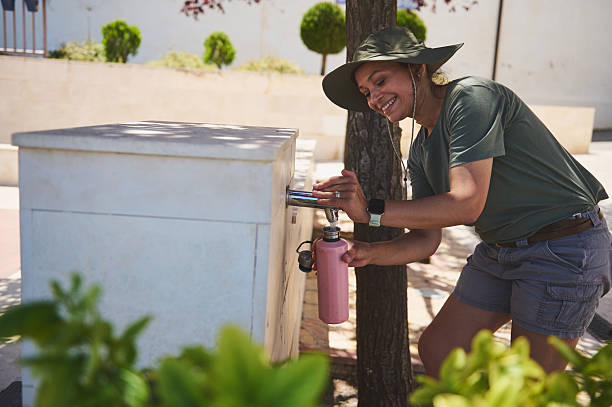
Carry a Reusable Water Bottle
A durable drinking water bottle is one of the most useful items for a Kenyan safari.
Choose a bottle that is easy to refill and clean.
A capacity of approximately 750 millilitres to one litre is practical for many travellers.
However, longer activities may require additional drinking water.
Ask your operator how safe drinking water will be supplied throughout the trip.
Use Reusable Food Containers
Some safaris include packed lunches.
Ask whether your operator provides meals using reusable or compliant packaging.
Where suitable, reusable food containers can reduce disposable waste.
Food hygiene remains essential, especially during long journeys in warm weather.
Pack Reusable Shopping Bags
A lightweight fabric shopping bag is useful for purchases made during your holiday.
It can also help organise personal items.
Choose a durable bag that you can wash and use repeatedly.
What Happens to Drinking Water During Game Drives?
Drinking water is essential during safari activities.
Some lodges and tour operators provide treated drinking water through refill stations or larger reusable containers.
Others may use different arrangements.
Before booking, ask how drinking water is supplied inside protected areas.
Do not assume that water from any tap is safe to drink.
Your operator should arrange reliable drinking water without requiring you to carry prohibited disposable containers into restricted areas.
Plastic Rules at Safari Lodges
Many safari lodges have introduced waste reduction practices.
These may include refillable water bottles, reusable dining equipment and reduced disposable packaging.
However, practices vary between properties.
Before booking, consider asking:
Does the lodge provide safe drinking water refills?
Are reusable bottles available?
How are packed lunches provided?
Does the property separate waste?
How is rubbish transported and disposed of?
Does the lodge follow protected-area plastic restrictions?
Clear answers can help you choose suitable accommodation.
Kenya’s Plastic Rules and Beach Holidays
Kenya’s coast attracts visitors to destinations such as Diani, Watamu and Malindi.
Marine environments face particular risks from discarded plastic.
Plastic waste may enter the sea through drainage channels, rivers and careless disposal.
Some marine protected areas fall within Kenya’s protected-area restrictions.
You should therefore check the rules for the specific beach or marine park you plan to visit.
Even where a particular item remains legally permitted, avoiding unnecessary disposable packaging is sensible.
Carry your rubbish to an appropriate disposal facility.
Why Plastic Pollution Threatens Wildlife
Plastic pollution creates several problems for animals.
Wildlife may swallow discarded packaging or become entangled in waste.
Plastic can also enter rivers and other water bodies.
Over time, larger plastic items may break into smaller pieces that are difficult to remove.
National parks contain animals that depend on clean habitats.
Reducing disposable waste helps limit avoidable environmental risks.
However, plastic restrictions must be supported by effective collection and waste management systems.
Are There Penalties for Breaking Kenya’s Plastic Rules?
Kenya’s plastic carrier-bag ban is supported by legal penalties.
The consequences depend on the offence and relevant legislation.
Visitors should take the restrictions seriously.
However, do not assume that every plastic-related violation attracts the same penalty.
Different provisions may apply to manufacturers, importers, sellers and individual users.
The safest approach is to follow official guidance and avoid prohibited products.
If you are unsure about an item, ask before entering a protected area.
What Should You Pack Instead?
| Common disposable item | Practical alternative |
|---|---|
| Plastic shopping bag | Reusable fabric bag |
| Disposable water bottle | Refillable drinking bottle |
| Plastic drinking straw | No straw or suitable reusable straw |
| Disposable cutlery | Reusable cutlery where permitted |
| Plastic food container | Washable food container |
| Disposable cup | Reusable travel cup |
| Plastic luggage organiser | Fabric packing cube |
These alternatives can reduce waste during several stages of your journey.
Choose items that are durable and suitable for repeated use.
How Safari Operators Can Help Visitors
Tour operators play an important role in helping guests follow Kenya’s environmental rules.
They should explain relevant restrictions before departure.
A responsible operator can also arrange suitable drinking water and provide guidance about packed lunches.
Drivers and guides should know where rubbish can be collected and disposed of appropriately.
You can ask your operator whether its vehicles carry reusable drinking water containers.
Clear preparation reduces confusion at park entrances.
What About Medical and Hygiene Products?
Some travellers need medical items that contain plastic.
Examples include prescribed medication packaging and certain hygiene supplies.
Environmental responsibility should never compromise essential medical care.
Keep necessary medicines in their appropriate packaging.
If you carry specialised medical supplies, check any relevant travel and customs requirements.
Do not assume that ordinary packaging restrictions automatically prohibit all medically necessary plastic materials.
Common Mistakes Visitors Make
Some travellers misunderstand the difference between the national plastic bag ban and protected-area restrictions.
Others assume that any plastic item is prohibited everywhere in Kenya.
That is too broad.
Another mistake is arriving at a national park with disposable water bottles without checking the rules.
You can avoid these problems by preparing before travelling.
Ask your guide about suitable alternatives and current entry requirements.
Does Kenya’s Plastic Ban Apply to Tourists?
Yes. Visitors are expected to comply with applicable Kenyan environmental regulations.
Being a tourist does not automatically provide an exemption.
However, the exact requirements depend on the item, location and relevant law.
Visitors should also follow instructions issued by park authorities and environmental enforcement personnel.
Preparing suitable reusable items before arrival is usually straightforward.
How Effective Are Kenya’s Plastic Restrictions?
Plastic restrictions can reduce the use of specified disposable products.
However, their environmental impact depends on enforcement, public cooperation and waste management.
Some businesses have adopted reusable packaging and alternative shopping bags.
Protected-area restrictions also encourage tourism operators to reconsider how they provide drinking water and meals.
Nevertheless, plastic pollution remains a wider environmental challenge.
Continued public education, responsible consumption and effective waste collection are necessary.
Kenya’s single-use plastic rules affect how visitors prepare for safaris, shopping and activities in protected natural areas.
The national plastic carrier-bag ban and protected-area restrictions have different requirements.
Before travelling, pack reusable bags, arrange safe drinking water and ask your safari operator about suitable containers.
Follow park regulations and avoid leaving rubbish in natural environments.
With appropriate preparation, you can enjoy Kenya’s wildlife destinations while respecting the country’s environmental protection measures.




No comment