Why Shoebills Stand Still for Hours: It’s Not Laziness
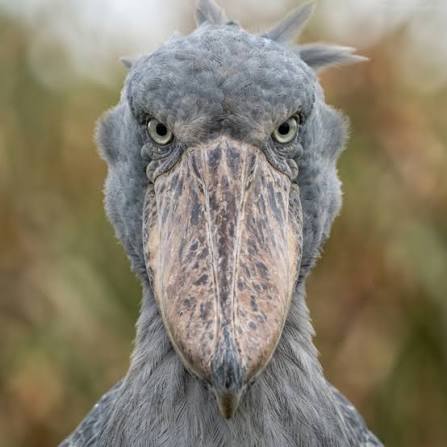
Shoebills are really birds. They are very tall. Have a huge shoe-shaped bill. When you see them, they seem calm. Sometimes they stand still for a long time. People might think they are lazy. That is not true. Shoebills are actually very patient and good at waiting.
Why do Shoebills stand still for hours? It is not because they are lazy. This is a question that helps us understand these amazing birds. Many people think that if you are moving, you are being productive. The Shoebill shows us that waiting and being still can be a good thing. Every minute the Shoebill stands still, it is helping it survive in a tough environment.
The Shoebill is an example for everyone, not just people who like birds. It teaches us that being patient, watching, and waiting for the right time can be better than always moving around.
The Shoebill lives in wetlands like swamps and marshes in East and Central Africa. One of the places to see them is in Uganda’s Mabamba Swamp. You can also find them in South Sudan, Zambia, Rwanda, Tanzania, and the Democratic Republic of Congo.
Wetlands are always changing. The water level goes up and down. The plants change with the seasons. The animals the Shoebill eats are hidden under the plants. The Shoebill has to be sneaky to catch them.
The Shoebill is perfect for this kind of environment.
Its body is made for standing and waiting.
People who see the Shoebill for the time might wonder why it stands still for so long. The answer is under the water. There are fish like lungfish and tilapia that swim under the plants. These fish can feel when something is moving on the water.
When the Shoebill stands still it is like a ghost. The fish do not see it. Think it is safe. Then the Shoebill strikes fast. The whole thing happens in than two seconds.
It is amazing to see the Shoebill stand still for hours and then move fast. This helps the Shoebill save energy. The wetlands do not always have food so the Shoebill needs to be careful.
Standing still helps the Shoebill conserve energy. Of walking around it waits for the food to come to it. This is a good way to survive.
Other animals, like crocodiles and herons also use this strategy.. The Shoebill is one of the best at it.
The Shoebills body is made for waiting. Its long legs help it stand in the water without getting wet. Its big feet spread out its weight so it does not sink into the mud.
Its neck is very strong. Can launch a fast strike.. Its bill is like a clamp that can catch fish. Even its big eyes help it judge how away the fish are.
Everything, about the Shoebill works together perfectly
Patience Increases Success
Nature rewards efficiency of constant effort.
Imagine trying to catch fish by splashing through water. Every move would send waves in all directions scaring the fish away.
Now imagine staying completely quiet while watching closely.
At some point the fish go back to their activities.
The shoebill knows this instinctively.
Scientists who study how the bird hunts have seen that long times of waiting often lead to successful catches. Even though patience takes time it greatly improves the chances of catching something.
The birds way of acting shows an idea in nature: careful watching usually gives better results than rushing around.
The Science Behind Absolute Stillness
Staying still for a long time might seem easy but it takes a lot of physical control.
The birds muscles have to stay balanced without any movement.
It keeps adjusting small muscle groups that people can’t really see.
Its breathing stays calm.
Its position stays steady.
Its focus never moves away from the water.
This kind of focus lets the shoebill notice the movement made by hidden animals.
Scientists think the bird keeps looking at things all the time even though it looks like its not doing anything. What looks like stillness is actually full attention.
That difference makes a difference.
The shoebill is never doing nothing.
It is always watching.
Waiting Without Wasting Time
Modern life often pushes people to act
People feel pressure to respond fast make choices and stay busy all day long.
Nature has an idea.
The shoebill shows that waiting is useful when it has a purpose.
Students who plan carefully before exams usually do better than those who rush into studying without a plan.
Photographers often spend hours waiting for the light instead of taking average pictures.
Farmers know that plants can’t be forced to grow.
Athletes know that resting is just as important as training.
Progress often depends on knowing when to act and when to be patient.
Lessons Beyond Wildlife
The way the shoebill behaves has inspired people who see it in the wild.
Watching such a powerful bird stay calm in an environment makes people think.
Its calm confidence is very different from todays moving world.
The bird never looks worried because another animal catches food first.
It doesn’t rush just because time passes.
It believes in its way.
Eventually the chance comes.
That lesson works outside the wetlands.
Success usually belongs to those who move the fastest.
It often belongs to those who get ready well and see the right time.
Whether starting a business learning something or working towards personal goals patience often builds stronger bases than always being active.
Why Tourists Find Shoebills Interesting
People who like wildlife come from all over the world hoping to see a shoebill.
Some expect action as soon as they arrive.
Instead they find times of calm watching.
Funny enough those quiet times often become the most unforgettable.
Watching the bird stay perfectly balanced among the reeds makes people think about the rhythm of nature.
When the bird finally moves the whole experience feels like it was earned.
Visitors understand they have seen not an attack but the end of a very disciplined plan.
Photographers, like this behavior because it gives them a chance to study position, light, reflections and how to take pictures while waiting for the important moment.
Protecting the Wetlands That Sustain Shoebills
The shoebill needs wetlands to survive.
The shoebill depends entirely on these wetlands.
Many swamps are in trouble because of drainage and agriculture and pollution and burning and people moving in.
When we lose wetlands we also lose the fish and the frogs and the plants that live there.
The wetlands are very important to the shoebill. We need to protect them.
People are working to save these places and to make sure that tourists do not hurt the shoebill or the wetlands.
Visitors can help by being careful and quiet when they are watching the shoebill.
This way we can make sure that the shoebill will be around for a time.
Every time we save a wetland we are helping the shoebill and all the other animals that live there.
This is very important for the future of the shoebill and for the future of our planet.
A Symbol of Quiet Strength
People love the shoebill because it is strong and quiet.
The shoebill does not need to make a lot of noise to be strong.
It can just stand there. Wait for the right moment to act.
The shoebill is very patient. This helps it to catch its prey.
It is not lazy it is just waiting for the moment.
This is something that we can all learn from.
The shoebill is a special bird and it can teach us a lot.
It can teach us about being patient and about being quiet and strong.
Why do shoebills stand still for hours?
It is not because they are lazy it is because they are waiting for the moment to act.
Every moment that the shoebill stands still it is getting ready to catch its prey or to save its energy.
Time you see a shoebill standing still remember that it is not lazy it is just waiting.
The shoebill is a master hunter. It is waiting for the right moment to act.
We can learn a lot from the shoebill.
We do not always need to be moving to get things done.
Sometimes it is better to wait and to be patient and to act when the time is right.
The shoebill can teach us about patience and discipline and quiet determination.
These are all things that can help us to succeed in life.
The shoebill is a special bird and it can teach us a lot, about how to live our lives.