4 Best Guides for Spotting Shoebills in Mabamba
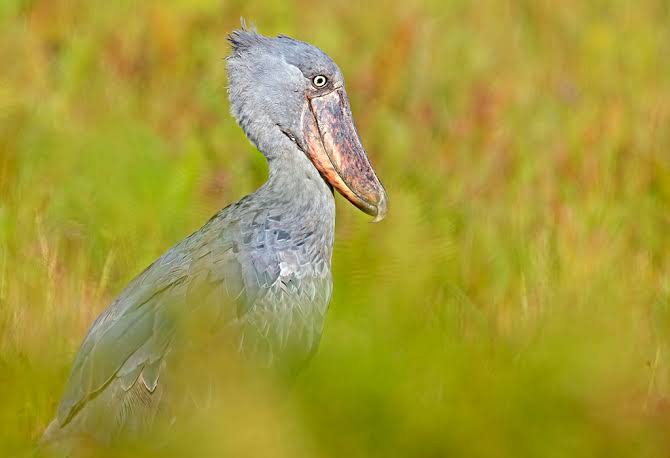
There is something special about seeing a shoebill for the first time. Before you even see the bird, you notice how quiet it is. The canoe moves through channels with tall papyrus plants and the morning mist is over the water. Every sound seems quieter than usual. Then your guide points ahead quietly. A shoebill is standing perfectly still, looking like it is from another time. This is why people want to know about the guides for spotting shoebills in Mabamba when they plan to visit Uganda’s famous wetland.
Mabamba Swamp is one of the places to see shoebills in their natural home. It is on the shores of Lake Victoria and the wetland has many different kinds of birds.. It is the shoebill that attracts photographers, birdwatchers and travelers from all over the world. While luck is important when seeing wildlife the person guiding your canoe makes a difference between just visiting Mabamba and really experiencing it.
A good guide knows a lot about the shoebill. They know where the birds hunted the night which areas are good for feeding after heavy rain and how the wind and water levels affect the birds movement through the swamp. They learned all this by spending years on the waterways often starting before sunrise and coming back after visitors have gone home.
Choosing the guide also helps the local communities that protect the wetland. Many guides grew up around Mabamba. Have seen how conservation efforts have changed the area into a place where tourism helps protect the habitat. Every successful birding trip helps show that preserving the swamp is important for the future.
Why Local Knowledge Matters Than Expensive Equipment
Many visitors come with big camera lenses and expensive binoculars thinking that the equipment will guarantee good wildlife encounters.. Even the best camera cannot take a picture of a bird that is hiding in the papyrus reeds.
A skilled local guide knows the swamp well. They notice footprints on floating plants recognize the calls of birds that often mean bigger animalsre nearby and understand how shoebills behave at different times of the day. These small details really improve your chances of seeing a shoebill.
Good guides also know how to approach wildlife. Of rushing towards a shoebill they move the canoe slowly so visitors can see the bird without disturbing it. This way the bird can keep hunting naturally. Photographers can take unique pictures.
Many visitors leave Mabamba talking about the guide who made their experience special. The trip is not just about seeing a bird it is about learning to be patient observe nature and respect the animals.
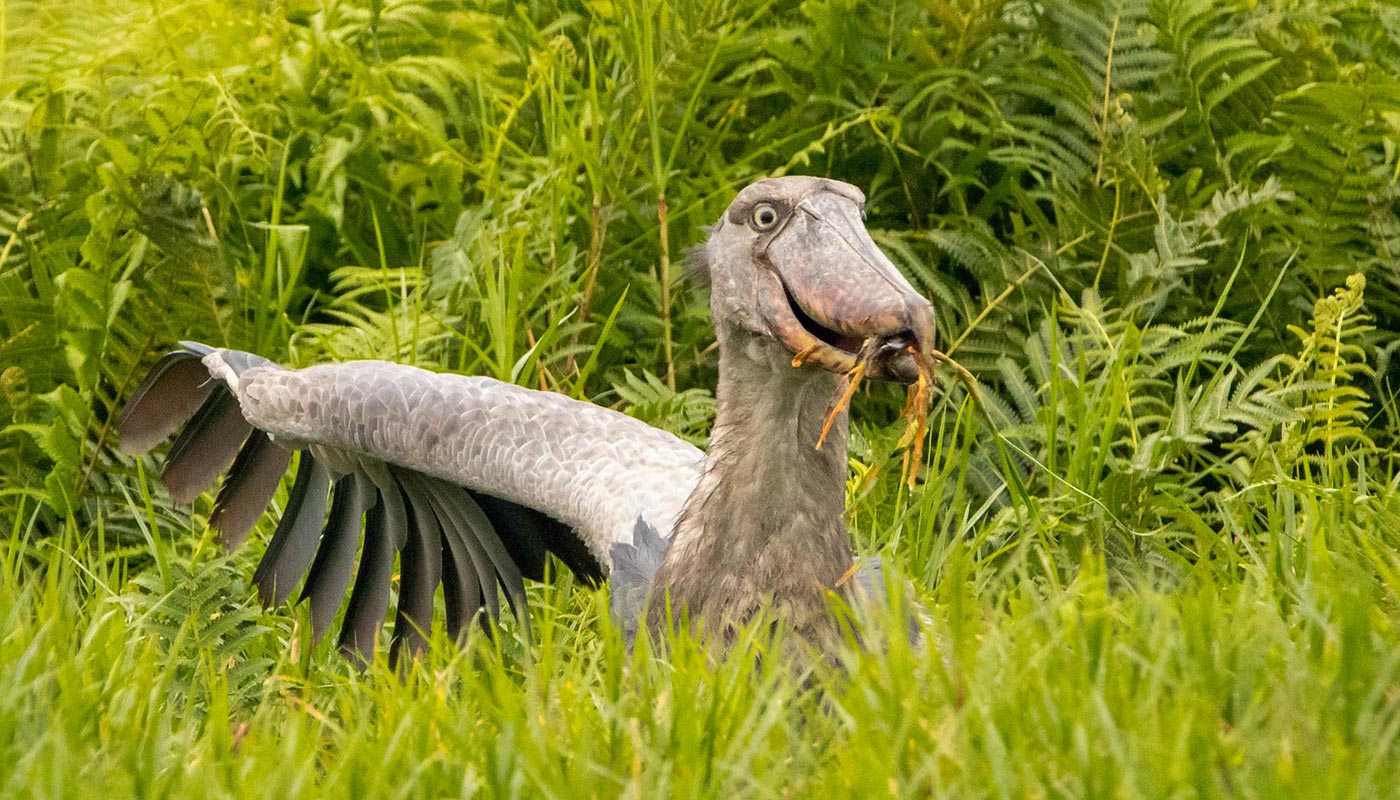
Guide One: The Veteran Bird Tracker
Every wetland has people who have been tracking birds for decades. In Mabamba these veteran bird trackers are trusted by birdwatchers from over the world because they know so much about shoebills.
These guides start their day before it gets light. By the time the first visitors arrive they already know about sightings and changes in the swamp. They work together to find the birds and not disturb them.
Their strength is that they are consistent. They know about the birds movements, breeding, feeding and the differences between adult shoebills. They use their experience and observation to predict where the birds will be.
Listening to a guide is like hearing the story of Mabamba. They tell stories, about the changing water levels, conservation projects and memorable bird encounters. This helps visitors appreciate the wetland and the shoebills that live there.
Guide Two: The Community Conservation Ambassador
I think another great choice for a guide is someone who is really involved in conservation efforts. These people do not just see tourism as a way to make a living. They think that every visitor can help protect Ugandas wetlands.
When you are in the canoe they tell you about how the community keeps an eye on the wildlife stops people from doing things and teaches kids about conservation. You start to realize that protecting the shoebill is not up to the government but also to the people who live around Mabamba.
These guides often talk about what it was like growing up near the swamp and how peoples attitudes about conservation have changed over time. Their stories help you connect with the community and you remember that taking care of wildlife starts with people who care about the environment every day.
This way of thinking adds something to your trip. Seeing a shoebill is not about checking off a bird on your list. It is proof that conservation can work when local communities benefit from taking care of nature.
A lot of travelers say that talking to these guides is one of their memories even after they go back home. They learn that visiting responsibly helps keep Mabamba healthy for the animals that live there.
By the end of the trip you might think that the guide has taught you something important than just where to find a rare bird. They have shown you how to see the wetland through the eyes of the people who live there where every part of the swamp tells a story about conservation. This is why choosing a guide is not about finding someone to paddle your canoe. It is about finding someone who can help you understand the world around you.
The best guides do not rush things. They want you to slow down look carefully and enjoy everything the swamp has to offer, not the shoebill. You might see colorful kingfishers diving into the water African jacanas walking on floating plants egrets looking for fish and fish eagles flying overhead. Every time you see something it makes the morning feel more special.
When your guide is really excited about these things you start to understand why Mabamba is known around the world as a great place, for bird watching. The shoebill might be the reason people visit but the whole ecosystem is worth paying attention to.
The Value of a Patient Canoe Guide
When you are looking for a guide you should find someone who’s very patient. This is because animals in the wild do not follow a schedule. They do what they want, when they want. A good guide knows this. Never rushes you. They want you to feel comfortable and enjoy the experience.
A patient canoe guide is great because they know that waiting and watching can be very rewarding. They do not rush from one place to another. Instead they stop often to look at the plants and water around them. They watch the birds and the fish in the water. They are always looking for a shoebill, which’s a very special bird.
This slow pace is also good for people who like to take pictures. They have time to get ready and take photos. They can wait for the birds to do something like stretch their wings or catch a fish. This makes for special memories.
When you go slow you can also enjoy the peacefulness of the place. hear the water and the birds. feel the calmness of the air. You start to notice things that you would not have seen otherwise. This makes the whole experience very enjoyable even before you see a shoebill.
Guide Four: The Passionate Storyteller
The next kind of guide you should look for is someone who’s very good at telling stories. They know a lot about birds. They can also tell you interesting stories.
These guides can tell you why the shoebill is so special. tell you about the people and how they feel about the bird. tell you about how the place has changed over time. share stories about their experiences and the challenges of protecting the area.
When you listen to these stories you start to feel a connection to the place. You do not just see it as a place to visit. As a living place with people who care about it.
These stories also teach you how to be a visitor. You learn about the importance of being quiet and not littering. You learn about how to support the people and their conservation efforts. This way your visit can have an impact.
What Makes a Great Shoebill Guide Stand Out?
The best guides have some qualities. They can communicate well. Respect the animals. They make sure you are safe during the trip. They answer your questions with enthusiasm. Explain things clearly.
They also understand that everyone is different. Some people want to take pictures while others just want to see a shoebill. A good guide can adjust the trip to suit everyones needs.
The important thing is that they respect the animals. They do not scare them. Disturb their homes. They know that protecting the shoebill is more important than getting a picture.
This approach is good, for everyone. You get to see the animals in a way the photographers get good pictures and the birds are safe. This is why Mabamba is such a place to visit.
Supporting Conservation Through Tourism
Every guided trip adds up to something bigger than a nice time on the water. Tourism gives money to families helps young people care about keeping the environment safe and gives good reasons to keep wetlands as they are instead of changing them for other uses.
When local people get money from keeping wildlife safe everyone benefits. The shoebill has a place to live people who visit get memories and kids who come after you will still see a wetland full of life.
This link between travel and keeping nature safe shows that going on trips can help when done the way. Picking guides who know the area well makes this connection stronger. Makes sure your visit helps the people who know Mabamba best.
Time you think about going to see wild animals remember that the trip is as much about the people as it is about the animals. Behind every time someone sees a shoebill there is a person who has spent mornings on the swamp learning being patient and caring a lot.
A Journey Worth Taking
The special part of Mabamba is not just about if you see a shoebill. It is in the times between when you spot the bird in the talks with local guides and in learning to value one of Ugandas most important wetlands. Every movement of the boat reminds you that nature gives back to people who take their time and pay attention.
After the boat goes back to land many people remember the feeling of the place just as much as the bird itself. They remember the light at the start of the day on the water the fun of looking for the bird in the plants and the trust they have in a guide who knows the swamp like it is their own home.
These memories often make people come back bringing others to see the amazing trip. Each time you visit helps make sure the wetland stays safe and makes new people support Mabamba and its amazing animals.
In the end 4 Best Guides for Spotting Shoebills in Mabamba is not about finding someone to take you on a birdwatching trip. It is about finding people whose knowledge, patience and love make a simple boat ride into a trip you will never forget.
As you plan your trip remember that the best guides do more than help you find a shoebill. They help you learn why protecting Mabamba is important why the local people are so key to keeping things safe and why taking your time is often the way to enjoy nature. That is the thing in 4 Best Guides for Spotting Shoebills, in Mabamba and it is something that stays with you after you leave the wetland.