Traveling to East Africa is an adventure of a lifetime, and while wildlife safaris and dramatic landscapes often headline the experience, few cultural encounters rival the depth and authenticity of visiting Maasai villages with your travel group. Whether you’re a group of friends, students, family members, or colleagues, the opportunity to engage with one of Africa’s most iconic indigenous communities adds a meaningful, human dimension to your journey that no game drive alone can offer.
Key Highlights:
- Village visits typically cost USD 25–50 per person, usually arranged as a short stop during a Maasai Mara, Amboseli, or Ngorongoro itinerary.
- Groups get more from the experience than solo travelers — shared dances, workshops, and discussions afterward deepen what everyone takes away.
- Choosing a community-consenting, fairly paying operator matters more than the destination you pick.
- Overnight and multi-day immersion programs exist for school groups, volunteer teams, and travelers who want more than a one-hour stop.
- Combine your visit with a Maasai Mara, Amboseli, or Ngorongoro Crater safari for a trip that balances wildlife and culture.
This guide walks you through everything you need to know about visiting a Maasai village in Kenya or Tanzania, from cultural etiquette and current costs to activities, logistics, and the value such visits bring to both travelers and the host communities.
Who Are the Maasai?
The Maasai are a semi-nomadic ethnic group predominantly found in southern Kenya and northern Tanzania. With a population estimated at well over a million people across both countries, they are among the most recognizable indigenous groups in Africa. Known for their distinctive red shuka dress, intricate beadwork, and strong adherence to tradition, the Maasai have resisted much of the pressure to modernize, preserving their customs and pastoral lifestyle despite the changing world around them.
Maasai Homeland and Population
Maasai communities are concentrated around the Great Rift Valley, spanning the border region between Kenya and Tanzania. Many live adjacent to, or within co-managed conservancies bordering, some of East Africa’s best-known protected areas — including the Maasai Mara, Amboseli, and the Ngorongoro Conservation Area — which is precisely why village visits pair so naturally with a safari itinerary.
The Enkang: Traditional Maasai Homesteads
Maasai villages, called “enkangs” or “manyattas,” are typically composed of small, circular homes built from a lattice of sticks, mud, grass, and cow dung, arranged around a central livestock enclosure known as a boma. The circular layout is deliberate: it keeps cattle safe at the center of daily life while allowing the community to watch over them through the night.
Cattle: The Currency of Maasai Life
Cattle hold a central place in Maasai culture. They are a symbol of wealth and social standing, used in ceremonies, as a primary food source (milk and, on special occasions, blood mixed with milk), and for social transactions such as dowries. A family’s herd size still says as much about status in many Maasai communities as a bank balance does elsewhere.
Why Visit Maasai Villages With a Travel Group?
Visiting Maasai villages with your travel group allows for a richer, more interactive cultural exchange than a solo visit ever could. The shared experience often deepens bonds between group members while promoting collective respect and understanding of another way of life.
Shared Learning and Group Reflection
Group discussions about what you’ve just witnessed — often held over dinner back at camp — tend to deepen individual understanding far more than a quiet solo reflection would. Travelers compare notes, ask each other questions they were too shy to ask their Maasai hosts, and often walk away with a more nuanced view than they arrived with.
Interactive Cultural Activities
Participating in communal dances, bead-making workshops, or storytelling sessions becomes more fun and dynamic with a group. Maasai welcome ceremonies are inherently participatory, and a larger group energizes the exchange on both sides.
Economies of Scale and Community Impact
Group visits can reduce the cost per person while increasing the total economic benefit to the community, since fixed costs like transport are shared. Supporting local artisans, a school, or a water project as a group amplifies the positive effect well beyond what an individual traveler could achieve alone.
Planning Your Group Visit
Proper planning ensures that your group visit is respectful, immersive, and genuinely beneficial to the host community rather than a rushed photo stop.
Choosing a Reputable, Ethical Tour Operator
Opt for operators who have long-standing relationships with local communities and who practice ethical tourism. Ask directly whether the community receives a fair, transparent share of the visit fee, and whether consent for the visit is ongoing rather than a one-time arrangement negotiated years ago. A good operator will be able to answer these questions without hesitation.
Where Maasai Village Visits Take Place
- Location: Common Maasai village visits are arranged near the Maasai Mara (Kenya), Amboseli (Kenya), or the Ngorongoro Conservation Area (Tanzania).
- Duration: Most visits last 30 to 90 minutes as part of a broader safari day; some operators offer half-day or overnight options for groups who want more depth.
- Group Size: Smaller groups, generally under 20 people, tend to allow for a more intimate and less performative experience.
- Permission: Always ensure your visit is pre-arranged and welcomed by village elders — never a spontaneous, unannounced stop.
What a Village Visit Actually Costs
Budget roughly USD 25 to 50 per person for the village visit fee itself, which usually covers a contribution to the community along with the guided walk-through and welcome performance. The fee tends to sit toward the lower end of that range when you’re on a road safari and your driver-guide pays on arrival, and toward the higher end when a fly-in camp arranges and bills the visit on your behalf. On top of the entry fee, set aside a further USD 10 to 30 if you’d like to buy beadwork or textiles directly from local artisans — small local currency notes are useful for this.
What to Expect During Your Visit
Traditional Welcome Songs and Dances
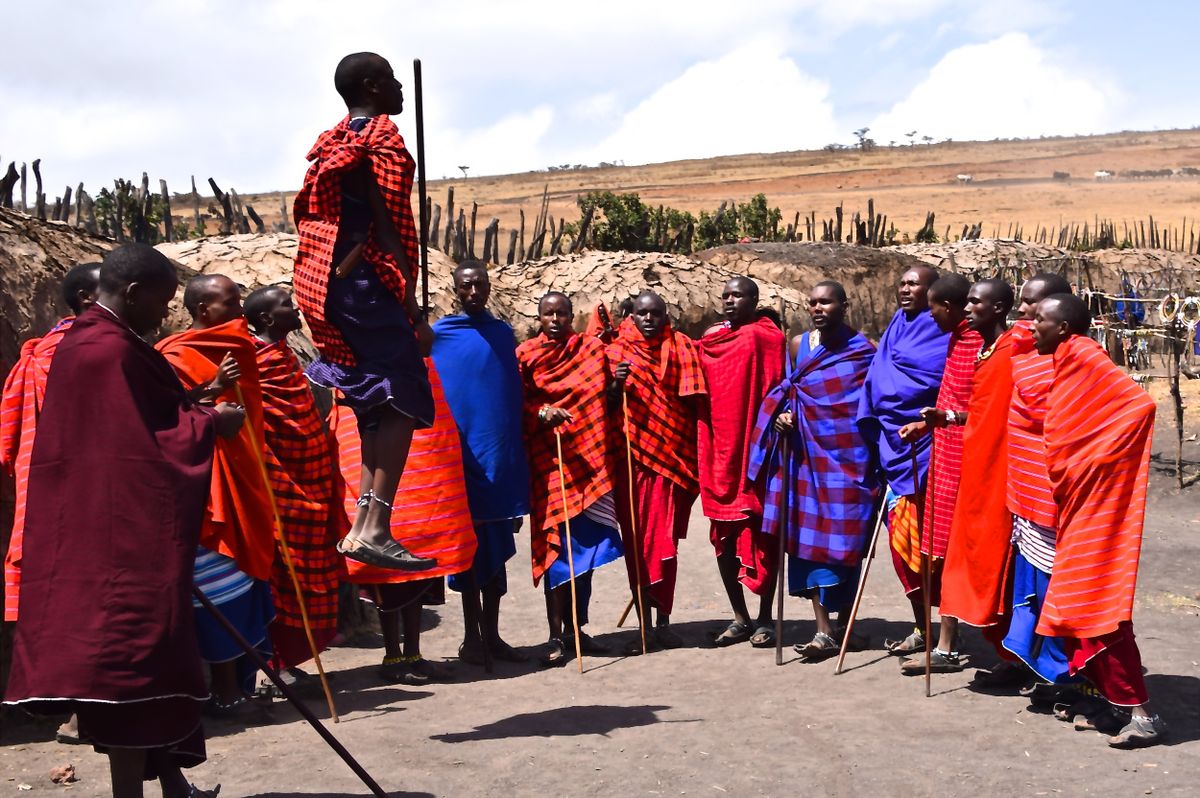
You’ll likely be greeted with traditional songs and dances — an energetic and colorful introduction to Maasai hospitality, often including the adumu, or jumping dance, performed by young warriors. Don’t be shy; joining in is part of the fun, and your hosts genuinely enjoy it when visitors participate rather than just watch.
Guided Tours of the Enkang
A Maasai guide, often a young warrior (moran) or an elder, will lead your group through the enkang. Expect to learn about traditional homes (manyattas) and how they’re built, the daily chores and roles of men, women, and children, medicinal plants and traditional healing practices, and how the community manages its cattle-centric economy.
Hands-On Cultural Workshops
Interactive activities are often arranged specifically for travel groups. Beadwork sessions teach you how intricate jewelry is made and what the different colors symbolize. Spear-throwing lets you try your hand at a traditional warrior skill. Cooking demonstrations let you watch, or sometimes help prepare, traditional dishes. Storytelling circles bring elders forward to share myths, proverbs, and oral histories passed down for generations.
Local Markets and Artisan Sales
Many villages set up markets where you can buy beadwork, textiles, or carvings directly from their makers. Purchasing from the source, rather than a curio shop elsewhere, ensures you get authentic, handmade items and that the money goes straight to the artisan.
Cultural Etiquette: Do’s and Don’ts
To ensure your visit is respectful rather than extractive, keep the following in mind.
What to Do
- Ask for permission before taking photographs, especially of individuals.
- Dress modestly — long skirts or pants and covered shoulders are appreciated.
- Stay open-minded and avoid passing judgment on practices you don’t fully understand.
- Engage respectfully — listen as much as you speak, and let your guide translate questions.
What to Avoid
- Offering money directly to individuals or children, which can distort community dynamics over time.
- Wandering off without your guide.
- Disrupting ceremonies or rituals that may be taking place.
- Treating the visit like a spectacle — this is a cultural exchange between equals, not a performance staged solely for an audience.
Benefits of Visiting Maasai Villages
For Travelers
You gain first-hand insight into a lifestyle that has endured for centuries alongside, rather than in spite of, the modern world. The experience often prompts meaningful discussions and self-reflection long after the visit ends, and these are moments that tend to stay with travelers longer than any single wildlife sighting.
For Host Communities
Tourism revenue from village visits supports schools, healthcare, and local infrastructure in areas that often see little other formal income. It also encourages the younger generation to maintain traditions that might otherwise fade under economic pressure to migrate toward cities, while promoting broader global understanding and reducing stereotypes about pastoralist communities.
Overnight Stays and Deeper Immersion Programs
Some villages and specialist operators offer overnight stays or multi-day programs for groups who want to go beyond a brief afternoon visit.
Who Overnight Stays Suit Best
These deeper programs are particularly well suited to school or university groups, structured cultural immersion programs, and volunteer or service teams working on a specific community project.
What to Expect Overnight
Activities can include milking cows in the early morning, fetching water alongside local women, joining a livestock grazing trek, or sitting around a fire to hear elders share stories and wisdom after dark. Conditions may be basic — think no hot water, pit latrines, and minimal electricity — but the experience is unusually rich in cultural authenticity, and most groups report it as the highlight of their entire trip.
Combining Maasai Village Visits With Your Safari
Many travelers combine visiting Maasai villages with their travel group with wildlife safaris, and it’s a natural fit given how closely Maasai land borders East Africa’s major reserves.
Maasai Mara, Kenya
The Maasai Mara sits alongside numerous conservancies that are co-managed with Maasai communities, making a village stop an easy addition to a Mara-based itinerary.
Amboseli, Kenya
At Amboseli, you can combine elephant viewing beneath Mount Kilimanjaro with a village visit for a well-rounded day that pairs wildlife and culture in equal measure.
Ngorongoro Crater, Tanzania
Around the Ngorongoro Crater, cultural tourism projects with Maasai communities living on the conservation area’s rim are often built directly into the conservation model itself, since Maasai pastoralists share this land with wildlife under a unique multiple land-use arrangement.
Real Experiences From Past Travel Groups
Many group travelers share that visiting Maasai villages was the emotional highlight of their trip. Here’s a snippet from a university professor who led a group:
“My students learned more in one afternoon with the Maasai than in weeks of lectures. It shifted their understanding of sustainability, gender roles, and community resilience.”
Another traveler noted:
“Our kids loved the storytelling and dancing, and we came away with such a deeper appreciation of a culture we previously knew so little about.”
Frequently Asked Questions
How much does it cost to visit a Maasai village?
Expect to pay roughly USD 25 to 50 per person for the visit itself, plus USD 10 to 30 if you want to buy beadwork or crafts directly from artisans. The exact amount depends on whether your driver-guide arranges it on a road safari or your camp bills it as part of a fly-in package.
Do I need to book a Maasai village visit in advance?
Yes. A reputable operator will pre-arrange the visit with village elders so the community is expecting your group and consents to it — you should never treat a village as a spontaneous, unannounced stop.
Is it ethical to visit Maasai villages?
It can be, provided you choose an operator with a transparent, ongoing relationship with the community and a fair fee-sharing arrangement, and provided you follow basic etiquette around photography, dress, and behavior. The difference between an ethical cultural exchange and an extractive one usually comes down to who you book with.
Can children join a Maasai village visit?
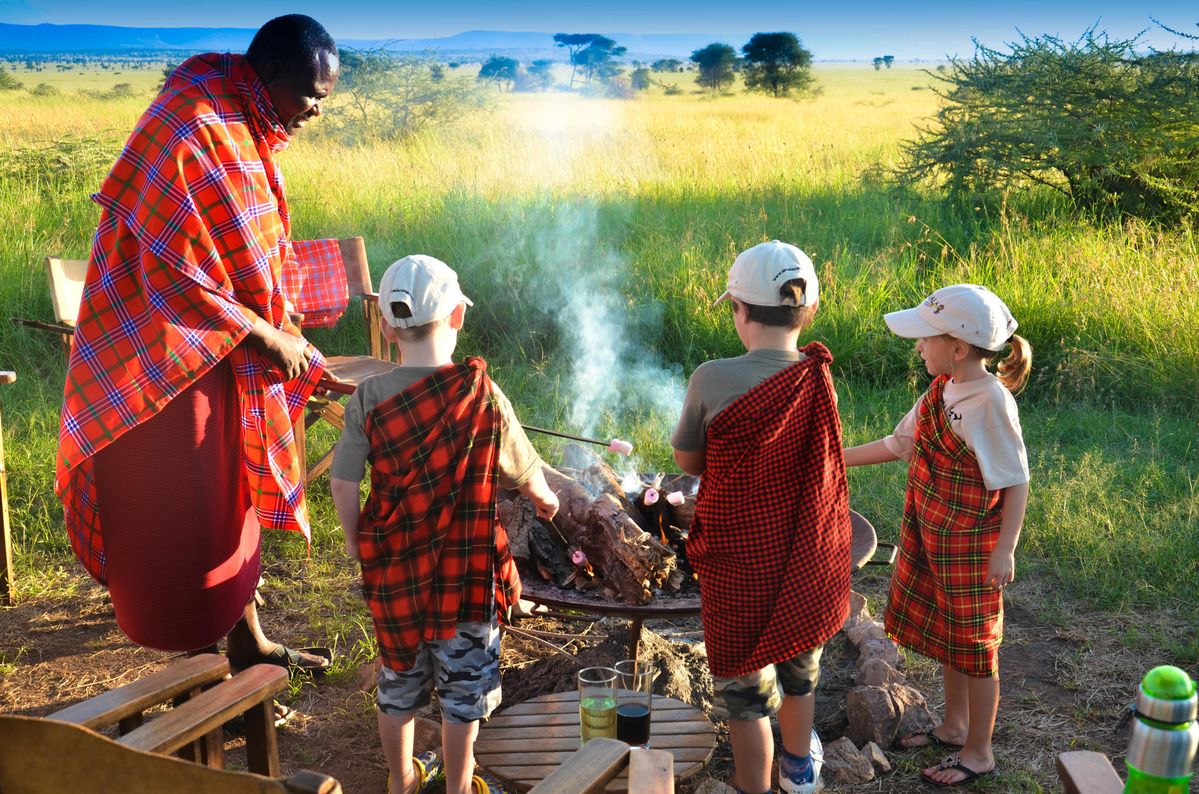
Yes, and many families find it one of the most educational stops on a safari for children, particularly the workshops on beadwork, storytelling, and daily Maasai life.
What should I wear to a Maasai village?
Dress modestly — long skirts or trousers and covered shoulders are appropriate — and wear comfortable, closed shoes, since you’ll be walking on uneven ground around the homestead.
Visiting Maasai villages with your travel group is not just an excursion — it’s a chance to witness resilience, identity, and connection in one of the world’s most fascinating living cultures. Done respectfully and ethically, through an operator who treats the community as a genuine partner rather than a photo opportunity, it becomes a highlight of your East African adventure, enriching your group’s journey while positively impacting the host community.
As you plan your next trip, make space for this kind of cultural encounter. The lessons and memories gained from Maasai hospitality tend to linger longer than any single wildlife sighting or luxury lodge stay — it’s an experience of shared humanity that transcends borders.
Recommended Safaris: Pair your village visit with a group safari to the Maasai Mara, Amboseli National Park, or the Ngorongoro Crater, explore more group safari packages in Kenya, or extend your trip into the Serengeti. Gather your group, open your minds, and step into a world where tradition still breathes and community thrives — the Maasai are ready to welcome you not just as visitors, but as honored guests on a journey of mutual respect and learning. Book Now!