Uganda’s Wildlife Beyond Gorillas: The Case for the Shoebill
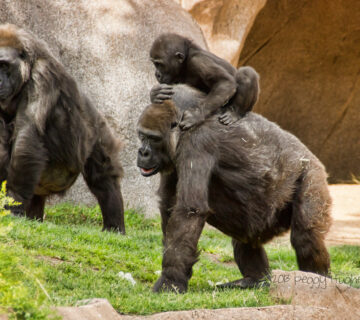
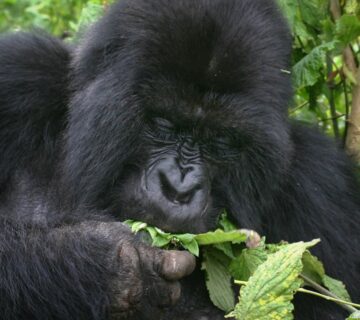
Uganda is known around the world as one of the best places to see mountain gorillas in their natural home. Every year, many people go into the forests of Bwindi and Mgahinga to have the unforgettable experience of being very close to these kind, big animals. While gorilla trekking is very famous and deserves all the praise, it only shows part of the wildlife story of Uganda. The country’s forests, wetlands, rivers, and grasslands have a number of animals and birds that are not seen by visitors who only look for primates.
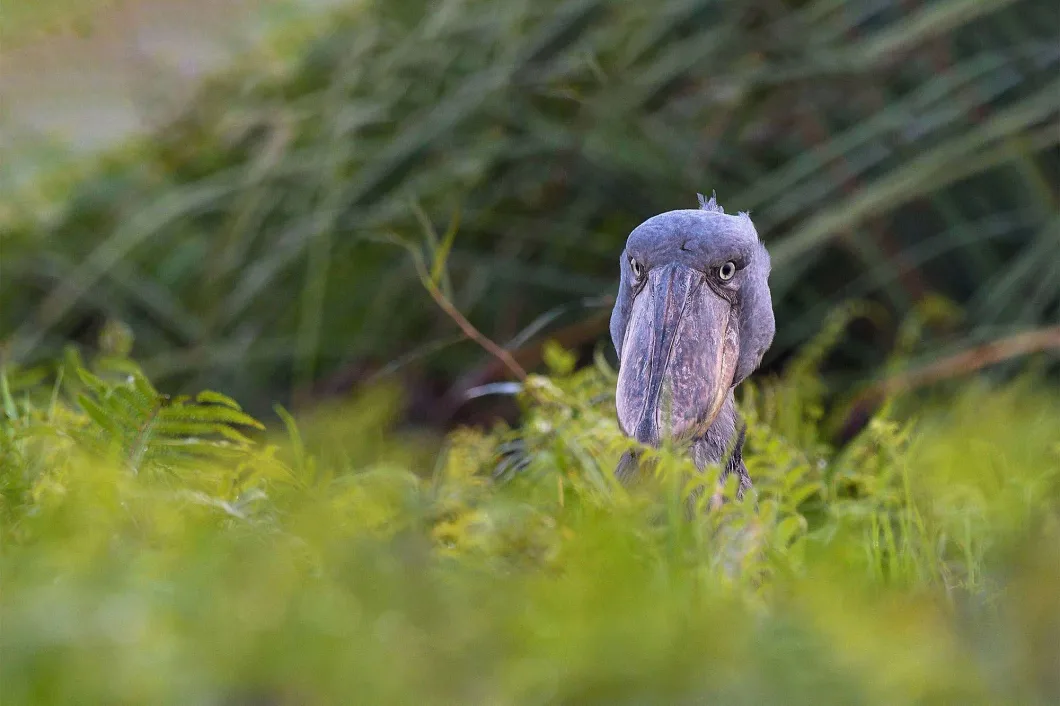
Ugandas Wildlife Beyond Gorillas: The Case for the Shoebill tells travelers that one special bird can change how they feel about this country. The shoebill is a bird that’s different from any other in the world. It stands tall among the reeds with a look and a calm way of moving. It gives an experience that’s just as special as seeing the famous animals of Africa. For people who like birds for photographers and for nature lovers, seeing this amazing bird often becomes an important part of their trip.
Uganda Offers More Than Gorilla Trekking
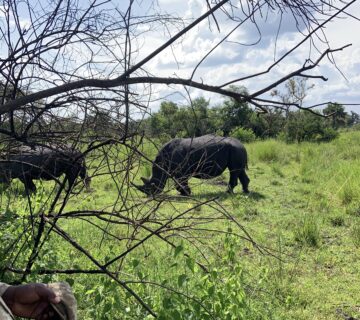
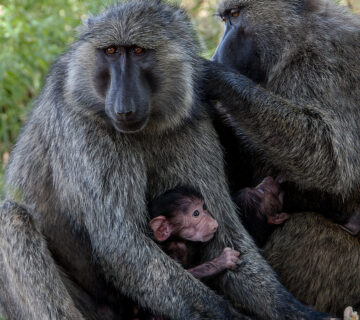
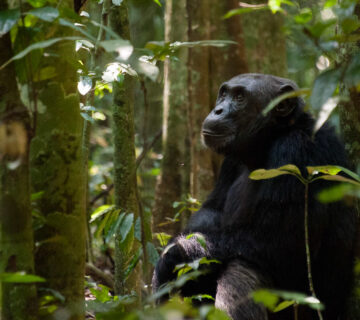
Ugandas variety is one of its best features. In a country visitors can go to snow-covered mountains, tropical forests, open grasslands, crater lakes and big papyrus wetlands. This variety means that than 1,000 bird species live here along with elephants, lions, leopards, buffaloes, giraffes, chimpanzees, hippos, crocodiles and many kinds of antelope.
Unlike places that only have one kind of wildlife experience Uganda lets travelers do different things in one trip. A trip might start with gorilla trekking in the southwest. Then continue to the Nile River, Murchison Falls National Park, Queen Elizabeth National Park, Kibale Forest or the well-known Mabamba Wetland.
Each place shows a part of Ugandas natural history. Forests have the sounds of primates calling from the trees. Grasslands have predators looking for food. Wetlands are quiet except for the movement of birds flying through papyrus.
This kind of difference makes each day feel very different from the day
Why the Shoebill Captivates Everyone Who Sees It
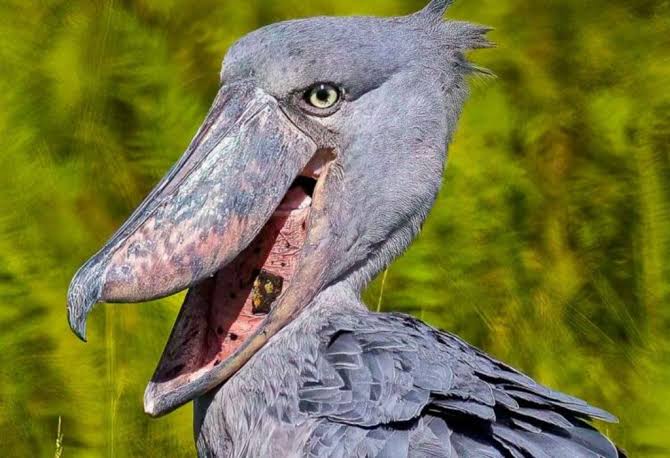
Among Ugandas wildlife not many animals make as much excitement as the shoebill. This big bird is than one meter tall and immediately gets attention because of its strange look. Its big shoe-shaped beak, sharp eyes and slow movements make it seem like a dinosaur.
Unlike birds that use colors to stand out the shoebill impresses with its size, patience and quiet confidence. It often stays completely still for a time, before quickly catching its food.
Watching how this bird hunts is very interesting. The bird waits quietly as fish, frogs, snakes or other animals come close. Then in a move it catches its food very accurately.
For photographers these moments are unforgettable because every move shows a story of survival that has happened over millions of years.
A Living Link to Ancient Times
Scientists often describe the shoebill as one of the worlds ancient-looking birds. Even though it continues to change like every living thing its look makes many people think of creatures from long ago.
It has wings, a big bill and a strong body that makes it stand out in Ugandas wetlands. Along with its way of moving the bird seems almost not affected by time.
Many people who see a shoebill say it feels like watching a regular bird and more like seeing something that has survived from a different time.
The Best Places to Find Shoebills in Uganda
Uganda has great spots where expert guides help visitors find shoebills.
Mabamba Wetland
Mabamba Wetland is close to Lake Victoria. Has become one of Africas top places for bird watching. It can be reached by boat from Entebbe. The wetland has lots of papyrus channels that’re perfect for shoebills.
Morning trips usually give the chance to see them because the birds are often hunting before it gets too hot.
Boat captains know the waterways well. Talk to other guides when they find birds. This helps visitors see the birds without causing much trouble for them.
Murchison Falls National Park
The Nile Delta inside Murchison Falls National Park is another place. River trips there show views with hippos, crocodiles, elephants, buffaloes and lots of birds.
The shallow waters in the delta are good for shoebills to find food making this area great for photographers looking for natural backdrops.
A good trip usually brings more than one kind of bird. African fish eagles fly above saddle-billed storks move along the shore. Many waterbirds live in the nearby wetlands.
Other Wetland Habitats
Shoebills are also found in wetlands across Uganda where the papyrus areas are still healthy. Finding them can be harder. These quieter spots offer a calm experience without big groups of visitors.
Local guides who know the area well understand when the birds move and where they are likely to be.
A Kind of Wildlife Experience
Ugandas Wildlife Beyond Gorillas: The Case for the Shoebill asks travelers to enjoy slower wildlife watching. Gorilla trekking is exciting. Takes a lot of effort with every moment leading up to a special meeting in the thick forest.
Tracking shoebills has a pace.
Visitors move quietly through waterways while guides look carefully among the plants. Each turn in the path makes people feel excited. The silence is part of the experience, broken by bird calls or the sound of fish, under the water.
When the shoebill finally appears there is no hurry. Visitors get to watch the birds actions from a safe distance.
Many people say these calm meetings feel surprising and emotional because they reward waiting of rushing.
The Joy of Slowing Down
travel often focuses on seeing as much as possible within limited time. Shoebill excursions encourage an approach.
Of rushing between attractions visitors learn to appreciate subtle details. Dragonflies hover above papyrus stems. Kingfishers flash colors across calm water. Tiny frogs call from hidden vegetation while distant fish eagles announce their presence.
By slowing down travelers notice more than their original target species.
This patient style of exploration often becomes one of the relaxing experiences during an entire Ugandan safari.
Conservation Makes Every Visit Meaningful
The shoebill faces conservation challenges across Africa. Wetland drainage, habitat destruction, pollution and illegal capture have reduced populations in regions.
Uganda has become one of the refuges for the species because protected wetlands continue supporting healthy breeding habitats.
Community involvement plays a role. Local guides, fishermen, conservation organizations and tourism operators increasingly recognize that protecting wetlands benefits both wildlife and nearby communities.
Responsible tourism contributes directly to these efforts. Visitors hire boat operators employ trained guides, support accommodations and encourage continued protection of valuable ecosystems.
Every successful birding excursion demonstrates that living wildlife provides lasting opportunities.
Combining Gorillas and Shoebills in One Safari
One of Ugandas advantages is the ability to combine unforgettable wildlife experiences within a single itinerary.
Imagine beginning your journey among mountain gorillas in the mountain forests before traveling north through rolling landscapes toward wetlands where a shoebill waits patiently among towering papyrus.
Along the way visitors can enjoy chimpanzee tracking, classic game drives, boat cruises, cultural visits and exceptional birdwatching.
This variety creates a safari that never feels repetitive. Every destination introduces landscapes, different wildlife and fresh perspectives on Ugandas remarkable biodiversity.
Than choosing between mammals and birds travelers discover that Uganda offers both at an exceptionally high standard.
Why Every Nature Lover Should Look Beyond the Famous Attractions
International attention focuses on Ugandas mountain gorillas because they are among the rarest primates on Earth. Yet limiting a safari to gorillas means missing many equally rewarding experiences waiting elsewhere in the country.
Ugandas Wildlife Beyond Gorillas: The Case for the Shoebill reminds visitors that unforgettable wildlife encounters come in forms. Standing quietly before a shoebill can inspire the same sense of wonder that accompanies meeting a gorilla family deep inside the forest.
Both experiences celebrate patience, conservation and respect for nature.
They also reveal how Uganda protects habitats that remain vital for species many found nowhere else in such abundance.
The countrys wetlands deserve recognition alongside its forests because together they tell the complete story of Ugandas natural richness.
Every traveler arrives in Uganda with expectations yet many leave having discovered something they never planned to see. For visitors that unexpected highlight is the unforgettable encounter with a shoebill standing silently among endless papyrus reeds.
Ugandas Wildlife Beyond Gorillas: The Case for the Shoebill is ultimately an invitation to broaden your perspective. Ugandas wildlife extends beyond its celebrated primates offering experiences that reward curiosity, patience and a willingness to explore different landscapes. When you include the shoebill in your safari plans you gain more than another species, on a checklist. You discover a symbol of thriving wetlands, successful conservation and the remarkable diversity that makes Uganda one of Africas wildlife destinations.