
Traveling to Lake Bunyonyi in the Rainy Season: Pros and Cons
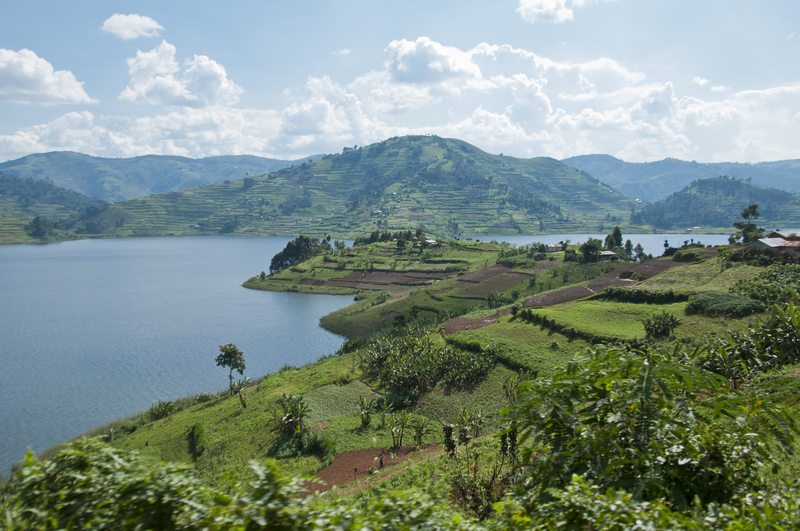
Lake Bunyonyi, tucked into the terraced hills of southwestern Uganda near the Rwanda border, is often described as one of the country’s most beautiful lakes, ringed by 29 islands and steep, cultivated hillsides. Uganda’s rainy seasons, roughly March through May and September through November, bring genuine trade-offs for travelers deciding when to visit, and understanding both sides helps you plan a trip that matches what you actually want from the experience.
Pro: The Landscape Reaches Peak Lushness
Rainy season transforms Bunyonyi’s already striking terraced hillsides into their most vivid, deeply green state, and photographers in particular find this period rewards them with richer color and more dramatic cloud formations over the lake than the comparatively dustier dry season. The terraces themselves, cultivated by local Bakiga farmers, look genuinely different under rainy season conditions, appearing almost impossibly green against the lake’s dark blue water.
Con: Rain Can Disrupt Boat Excursions and Island Visits
Sudden downpours, common during the rainy season, can interrupt canoe trips, island-hopping excursions, and outdoor activities with little warning, and travelers hoping for a tightly scheduled day of lake activities should build genuine flexibility into their plans. Most rain in this region arrives as intense but relatively short afternoon showers rather than day-long steady rain, which means activities can often resume within an hour or two, but the unpredictability itself requires a more relaxed approach to scheduling.
Pro: Noticeably Fewer Crowds
Bunyonyi sees considerably fewer visitors during the rainy season compared to the peak dry season months, and travelers who prioritize a quiet, uncrowded lake experience over guaranteed sunshine often find this trade-off well worth it. Island resorts and lakeside lodges tend to feel more intimate and personal during these quieter months, with staff able to offer more individual attention than during busier periods.
Con: Some Trails and Paths Become Muddy
Hiking trails around the lake’s terraced hillsides and on some of the islands themselves become genuinely muddy and slippery during sustained rainfall, and travelers planning to explore on foot should pack proper waterproof, grippy footwear rather than casual sandals or sneakers. This is a particularly relevant consideration for anyone hoping to combine a Bunyonyi visit with more strenuous activity, since the terrain demands more caution underfoot than it does in drier months.
Pro: Lower Accommodation Rates
Many lodges and island resorts around Lake Bunyonyi offer reduced rates during the rainy season shoulder periods, reflecting the lower demand, and budget-conscious travelers can often secure noticeably better value for the same accommodation that commands premium pricing during peak dry season months. This makes rainy season travel an attractive option for travelers prioritizing value without sacrificing much in terms of the core lake experience itself.
Con: Canoe Safety Requires Extra Caution
Bunyonyi’s traditional dugout canoes and modern kayaks remain popular ways to explore the lake, but rainy season conditions, including choppier water during storms and reduced visibility, require extra caution and closer attention to local guide advice about when conditions are safe for paddling. Reputable operators will delay or cancel canoe excursions during active storms, and travelers should treat this as a genuine safety measure rather than an inconvenience to push back against.
Pro: The Birdlife Is Particularly Active
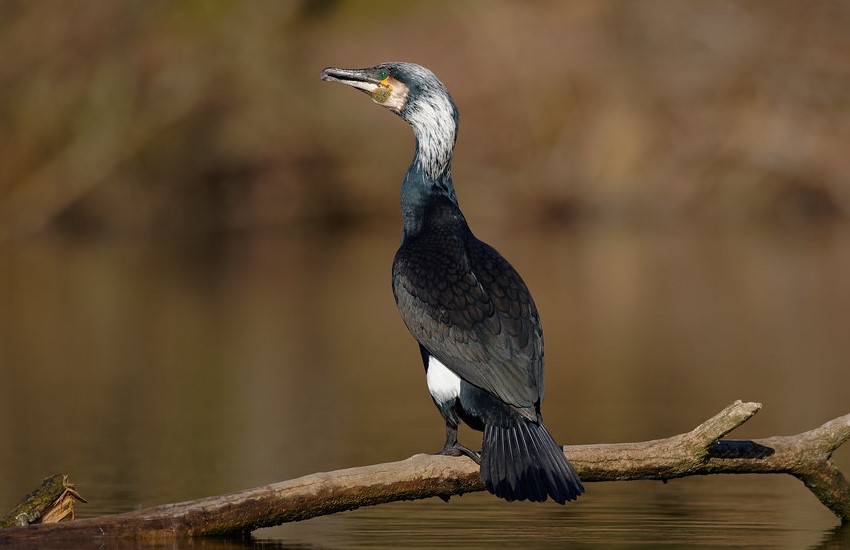
Rainy season around Lake Bunyonyi brings increased insect activity, which in turn draws a wider variety of birds to feed around the lake’s edges and terraced hillsides, making this a genuinely rewarding period for birdwatchers despite the less predictable weather. Species that are harder to spot during the drier months become noticeably more active and visible during these wetter periods.
Con: Longer Travel Times on Unpaved Roads
Some of the roads connecting Lake Bunyonyi to nearby destinations like Bwindi Impenetrable National Park remain unpaved, and rainy season conditions can slow travel times considerably compared to the same journey in dry weather. Travelers with tight onward connections, particularly those timing their trip around a specific gorilla trekking permit date, should build in extra buffer time when traveling during wetter months.
Pro: A More Atmospheric, Moody Experience
Many travelers describe rainy season mornings on Lake Bunyonyi, with mist rising off the water and clouds settling into the surrounding hills, as genuinely more atmospheric and memorable than the clearer, more predictable dry season conditions. This moodier version of the lake appeals particularly to travelers seeking a contemplative, less conventionally “postcard-perfect” experience.
Con: Some Activities May Need Rescheduling
Beyond canoe trips, activities like guided nature walks, community visits, and certain island excursions may occasionally need last-minute rescheduling around heavy rain, and travelers with rigid single-day itineraries face more risk of disruption than those building in flexible extra time around the lake. Discussing this possibility with your accommodation or tour operator in advance helps set realistic expectations before you arrive.
Weighing Your Priorities
The right choice ultimately depends on what you value most: travelers prioritizing guaranteed sunny days for photography and uninterrupted activity schedules should lean toward the dry season, while those who value lush scenery, fewer crowds, and better rates, and who can tolerate some scheduling flexibility, often find the rainy season genuinely rewarding rather than simply a compromise.
Packing Differently for Rainy Season Bunyonyi
A quality rain jacket, waterproof footwear, dry bags for electronics, and layered clothing for cooler, damp evenings all matter more during a rainy season visit than they would during the drier months, and packing appropriately turns most of the rainy season’s downsides into minor inconveniences rather than genuine trip disruptions.
How Rainy Season Bunyonyi Compares to Rainy Season Elsewhere in Uganda
Compared to open savannah parks, where rainy season can make roads genuinely difficult and reduce wildlife visibility significantly, Lake Bunyonyi’s rainy season impact is comparatively mild, since the primary activities here center on the lake itself rather than long game drives across muddy terrain. Travelers weighing a multi-destination Uganda itinerary during the rainy season often find Bunyonyi one of the more forgiving stops to include despite the weather.
Combining Bunyonyi With Bwindi During the Rainy Season
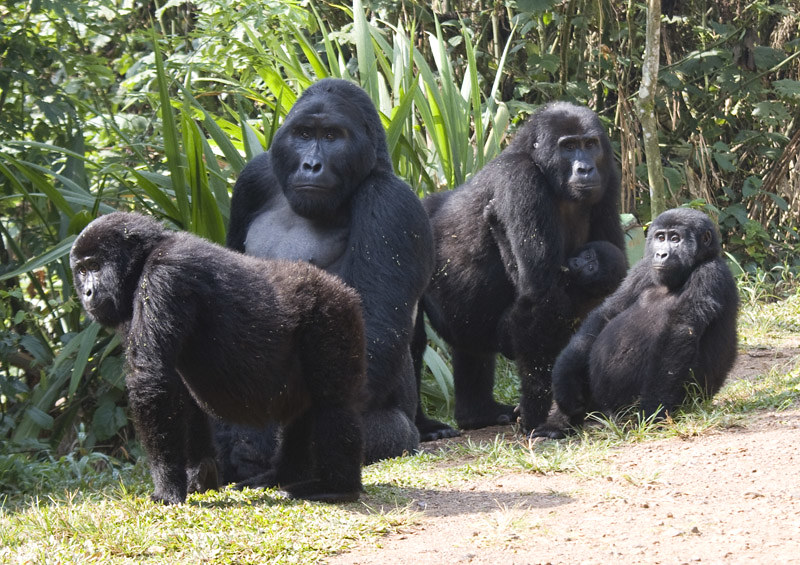
Many travelers pair a Lake Bunyonyi stay with gorilla trekking in nearby Bwindi Impenetrable National Park, and rainy season timing affects both destinations similarly, meaning travelers already prepared for wetter trekking conditions in Bwindi will find Bunyonyi’s rainy season challenges familiar rather than an unexpected additional complication. This regional consistency makes planning a combined itinerary somewhat easier than mixing destinations with very different seasonal patterns.
Talking to Your Lodge About Real-Time Conditions
Lodge staff and boat operators around Lake Bunyonyi track daily weather patterns closely and can often advise on the best window within a given day for canoeing or island visits, since rainy season weather frequently follows a predictable pattern of clear mornings followed by afternoon showers. Building your day’s schedule around local staff advice, rather than a rigid predetermined itinerary, generally produces a smoother rainy season experience.
What Repeat Visitors Say About Rainy Season Bunyonyi
Travelers who have visited Lake Bunyonyi during both dry and rainy seasons frequently mention that the rainy season version of the lake, while less convenient logistically, left a stronger emotional impression, citing the mist, quiet, and dramatic sky as more memorable than the more conventionally pleasant dry season conditions. This kind of firsthand comparison is worth weighing alongside the practical pros and cons when making your own decision.
A Final Practical Note on Flexibility
Whatever season you choose, approaching a Lake Bunyonyi visit with a flexible mindset toward exact timing, rather than a rigid hour-by-hour schedule, tends to produce a better experience regardless of weather. This is particularly true during the rainy season, when the difference between a frustrating day and a memorable one often comes down to how readily you adapt to changing conditions as they unfold.
Insurance and Cancellation Policies Worth Checking
Given the higher chance of weather-related disruption during the rainy season, confirming your accommodation and activity operators’ cancellation and rescheduling policies before booking provides genuine peace of mind, particularly for travelers on a tight overall itinerary. Reputable operators around Lake Bunyonyi are generally accustomed to rainy season flexibility requests and offer reasonable rebooking terms rather than rigid, unforgiving policies.
Making Your Final Decision
Weighing all of these pros and cons together, rainy season Lake Bunyonyi suits travelers seeking value, solitude, and a more atmospheric version of the lake, while dry season better serves those prioritizing predictable scheduling and guaranteed sunshine for outdoor activities. Neither choice is wrong, and the best decision genuinely depends on what kind of trip you’re hoping to have.
One Last Consideration: Combining Seasons Within One Trip
Travelers on longer Uganda itineraries sometimes find their Bunyonyi visit falls right at the transition between seasons, and this shoulder-period timing can actually offer a genuine best-of-both-worlds outcome, with improving weather alongside still-manageable crowd levels. Checking the specific transitional weeks around each season’s official start and end dates is worth the extra research for travelers with some flexibility in their exact dates.
Planning Your Lake Bunyonyi Visit
Whichever season you choose, Lake Bunyonyi’s terraced hills and island scenery reward travelers who plan around the trade-offs. All in Africa Safaris can help you time your Lake Bunyonyi visit to match your priorities, or you can get in touch to plan the rest of your southwestern Uganda itinerary.

No comment