
Trail Safety Checks Before a Multi-Day Trek: Weather, Permits and Radios
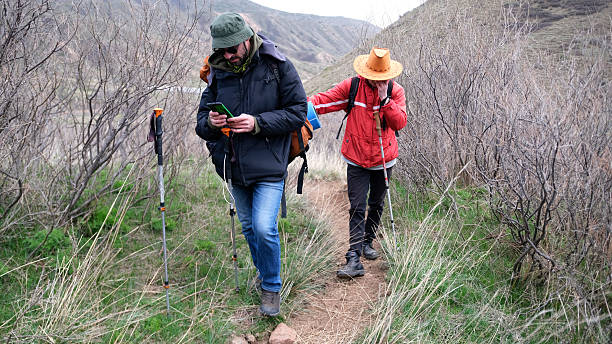
Trail safety checks before a multi-day trek are essential for anyone planning to explore East Africa’s mountains, forests and remote walking routes. Whether you are climbing Mount Kilimanjaro in Tanzania, trekking through Uganda’s Rwenzori Mountains or exploring Mount Elgon, proper preparation helps reduce avoidable risks.
Multi-day trekking involves spending several days away from towns, hotels and reliable communication networks. Weather conditions can change suddenly, trails may become difficult, and emergency assistance may take time to arrive.
Before starting, you need to confirm the weather forecast, trekking permits, guide arrangements, emergency communication equipment and the physical condition of everyone travelling.
This guide explains the most important safety checks to complete before departure, including practical equipment inspections, route planning, radio communication and emergency procedures.
Why Multi-Day Trekking Requires Careful Preparation
A short nature walk and a multi-day mountain expedition involve different levels of planning.
During a day walk, you may be relatively close to roads or accommodation.
On a longer trek, your group may spend several nights in remote mountain camps.
Food, water, clothing and equipment must remain available throughout the journey.
Your guide also needs to understand the route and arrange appropriate emergency support.
Preparation should begin several weeks before departure.
However, final safety checks must take place immediately before starting because weather and trail conditions can change.
Check the Weather Forecast Before Departure
Weather is one of the most important considerations when planning a mountain trek.
Heavy rainfall can make paths slippery and increase the risk of flooding.
Strong winds may create dangerous conditions on exposed ridges.
Cold temperatures can also become a serious concern at higher elevations.
Check forecasts for the actual mountain area rather than relying only on weather information for the nearest town.
For example, conditions in Moshi may differ significantly from those near Kilimanjaro’s upper camps.
Weather Conditions to Assess
| Weather factor | Possible risk | Recommended preparation |
|---|---|---|
| Heavy rain | Slippery trails and flooding | Waterproof clothing and route adjustments |
| Strong wind | Poor balance on exposed sections | Avoid dangerous ridges |
| Low temperatures | Hypothermia and cold injuries | Suitable insulated clothing |
| Fog | Reduced visibility | Navigation equipment |
| Thunderstorms | Lightning exposure | Avoid exposed terrain |
| Extreme heat | Dehydration and exhaustion | Water and adjusted walking hours |
Discuss current conditions with your guide before departure.
Understand Seasonal Weather Patterns
East African mountains experience different weather patterns.
The Rwenzori Mountains can receive rainfall throughout the year.
Kilimanjaro generally experiences wetter periods around March to May and parts of November.
Mount Elgon also has seasonal variations in rainfall.
However, historical weather patterns cannot guarantee conditions during your visit.
Ask your operator about recent rainfall, trail damage and any temporary closures.
If severe weather is expected, consider postponing the trek.
Confirm All Required Trekking Permits
National parks and protected mountain areas have entry regulations.
Visitors may need park permits, camping authorisation and approved guides.
For example, Kilimanjaro climbs must follow Tanzania National Parks procedures.
Rwenzori trekking requires arrangements through authorised operators and the relevant park authorities.
Permit requirements vary according to the route and activities.
Never assume that a general park entrance ticket covers every trekking service.
Permit Checklist
| Requirement | What to confirm |
|---|---|
| Park entry | Valid authorisation for your travel dates |
| Trekking activity | Permission for the selected route |
| Camping | Approved overnight locations |
| Guide arrangements | Required guide qualifications and permissions |
| Porter services | Properly arranged where applicable |
| Additional activities | Separate permits when required |
Carry proof of your bookings.
Your operator should explain which documents are needed at the park entrance.
Confirm the Trekking Route
Before departure, review the entire itinerary with your guide.
Understand where each day’s walk begins and ends.
Check the expected distance, elevation gain and walking hours.
Some mountain routes contain steep sections, river crossings or difficult terrain.
You should also identify alternative routes or exit points.
Route Planning Information
| Route detail | Purpose |
|---|---|
| Daily distance | Helps estimate physical demands |
| Elevation changes | Supports altitude planning |
| Overnight camps | Confirms accommodation arrangements |
| Water sources | Supports hydration planning |
| Emergency exits | Provides alternative evacuation options |
| Expected arrival times | Helps monitor progress |
| Restricted sections | Prevents unauthorised access |
Avoid changing the route without informing the relevant authorities and support team.
Check Radio and Communication Equipment
Communication becomes particularly important when trekking through areas without reliable mobile phone coverage.
Mountain guides may use two-way radios to communicate with other team members.
Some expeditions also carry satellite communication devices.
However, ordinary radios have limitations.
Their range depends on terrain, equipment and communication infrastructure.
A radio that works in open countryside may fail behind a mountain ridge.
Communication Equipment Compared
| Device | Main advantage | Limitation |
|---|---|---|
| Mobile phone | Familiar and convenient | Depends on network coverage |
| Two-way radio | Communication within the trekking team | Limited range and terrain interference |
| Satellite messenger | Communication in many remote locations | Requires service and suitable sky visibility |
| Satellite phone | Voice communication in remote areas | Cost and coverage limitations |
| Personal locator beacon | Emergency distress alert | May not support ordinary two-way messaging |
Your operator should explain which systems are available and how emergency communication works.
Test Radios Before Starting
A radio should never be packed without checking whether it works.
Before departure, confirm that each radio powers on correctly.
Test communication between team members.
Check battery levels and carry suitable charging arrangements.
Confirm that everyone understands the agreed communication procedure.
Where radio frequencies or licences are regulated, use only authorised equipment and channels.
A guide should also identify areas where communication may be unreliable.
Establish an Emergency Communication Plan
Every trekking group needs a clear procedure for requesting assistance.
Your guide should know whom to contact if someone becomes injured or seriously ill.
Confirm the emergency contact details of the park authority or rescue provider.
Identify who carries the main communication device.
A backup arrangement is important if the primary device fails.
The group should also agree on what happens if members become separated.
Do not rely entirely on one mobile phone.
Inspect Your Trekking Equipment
Equipment problems become more difficult to manage once you are far from the starting point.
Check everything before travelling.
Your hiking boots should fit properly and already have been tested.
Inspect your backpack for damaged straps.
Make sure waterproof clothing is functional.
If camping, confirm that tents, sleeping bags and cooking equipment are suitable for expected conditions.
Essential Equipment Checklist
| Item | Safety purpose |
|---|---|
| Hiking boots | Foot protection and grip |
| Waterproof jacket | Protection from rain |
| Warm clothing | Prevents excessive heat loss |
| Headlamp | Visibility in darkness |
| First-aid kit | Initial treatment |
| Navigation equipment | Route identification |
| Water containers | Hydration |
| Emergency shelter | Protection during delays |
| Communication device | Emergency contact |
| Power bank | Backup charging |
Avoid carrying unnecessary equipment that increases fatigue.
Check Food and Drinking Water Supplies
Multi-day trekking requires careful meal planning.
Your group should carry enough food for the expected journey.
Include additional supplies where practical in case of delays.
Confirm whether safe drinking water will be supplied, treated or collected along the route.
Never assume that mountain streams are safe to drink untreated.
Use appropriate water treatment methods when necessary.
Food should be stored securely to prevent contamination and interference from wildlife.
Review the Health of Every Trekker
Before departure, everyone should honestly assess their physical condition.
A person recovering from illness may struggle with demanding mountain walking.
Travellers with relevant medical conditions should seek appropriate professional advice beforehand.
Your guide should know about important health concerns and emergency arrangements.
Do not conceal symptoms because you are worried about delaying the group.
Medical problems can become more serious in remote areas.
Understand Altitude Sickness Risks
High-altitude trekking requires additional precautions.
At elevations above approximately 2,500 metres, altitude illness becomes a concern.
Symptoms may include headache, nausea, dizziness and unusual fatigue.
An appropriate itinerary should allow gradual acclimatisation.
Walking slowly helps manage effort but does not replace acclimatisation.
If symptoms of altitude illness develop, do not continue ascending to a higher sleeping elevation.
Confusion, difficulty walking straight or breathlessness at rest require urgent medical attention and prompt descent.
Confirm Guide and Porter Arrangements
Experienced guides play an important role in mountain safety.
They help navigate trails, assess changing conditions and manage emergencies.
Before booking, ask about the guide’s experience and first-aid training.
Confirm whether porters will carry camping equipment and larger bags.
Porters should have suitable clothing, food, shelter and appropriate working arrangements.
A responsible trekking operator should maintain clear standards for everyone involved.
Plan for Unexpected Delays
A trek may take longer than expected because of weather, illness or difficult terrain.
Your itinerary should include realistic walking times.
Avoid planning every day so tightly that delays create unnecessary pressure.
For demanding mountain routes, additional time may be useful.
Your guide should identify suitable places to stop if conditions deteriorate.
Never continue into dangerous weather simply to maintain the original schedule.
Share Your Itinerary With Someone Outside the Group
Before departure, give a trusted person your trekking details.
Include the route, expected completion date and operator information.
Explain when they should expect to hear from you.
Agree on what they should do if you fail to return or communicate as planned.
Avoid making unnecessary route changes without updating the responsible contact.
This information can assist emergency teams if your group becomes overdue.
Complete a Final Safety Briefing
A final briefing should take place before the trek begins.
Your guide should explain the route, weather forecast and expected walking conditions.
Everyone should understand the emergency procedures.
Check that equipment is functioning and sufficient supplies are available.
Final Departure Checklist
| Safety check | Required action |
|---|---|
| Weather | Review the latest forecast |
| Permits | Confirm valid authorisation |
| Route | Review itinerary and alternatives |
| Radios | Test equipment and batteries |
| Emergency contacts | Confirm communication procedures |
| First aid | Check supplies |
| Food and water | Confirm sufficient quantities |
| Group health | Discuss any concerns |
| Accommodation | Confirm overnight arrangements |
| Rescue plan | Understand evacuation procedures |
If a major safety concern remains unresolved, delay departure until it has been addressed.
Trail safety checks before a multi-day trek help travellers prepare for the challenges of remote mountain walking.
Weather assessment, valid permits, reliable communication equipment and careful route planning are essential parts of preparation.
Your group should also inspect equipment, confirm food supplies and establish clear emergency procedures.
Whether you are climbing Kilimanjaro, exploring the Rwenzori Mountains or trekking Mount Elgon, take the time to complete these checks.
Good preparation allows you to enjoy the journey with greater confidence while reducing avoidable risks.



No comment