The Stork With a Shoe for a Face
When you see the shoebill for the first time, it is really something. The shoebill is a bird that lives in the wetlands of East Africa. It has a bill, and it moves very slowly. The shoebill looks very different from other birds. Many people who go on safari say that seeing a shoebill is the highlight of their whole trip.
People call the shoebill the Stork With a Shoe for a Face because its bill looks like a shoe. The shoebill is not a bird. Everything about the shoebill is special. It has been that way for millions of years. The shoebill lives in swamps and marshes.
For people who like birds, taking pictures of birds and nature, seeing a shoebill is very special. It is not about seeing another bird; it is about seeing a very cool bird that is still living as it has for a long time. Uganda is one of the places to see the shoebill.
A Bird That Defies Expectations
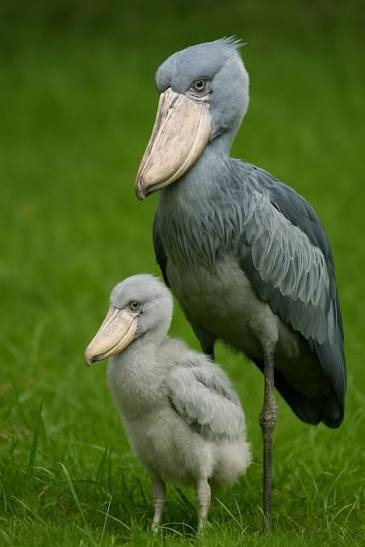
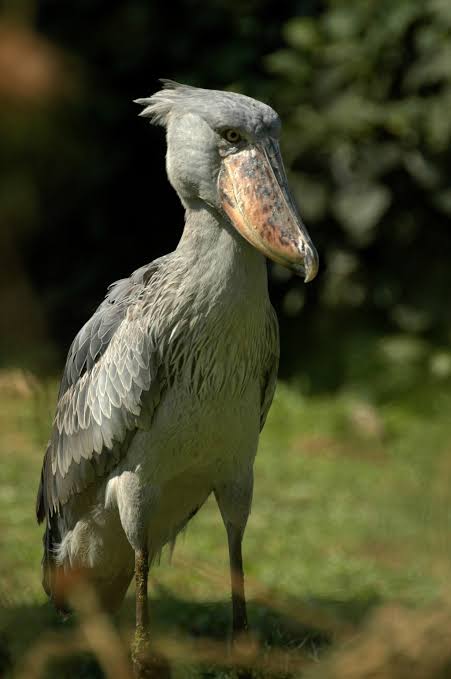
The shoebill is an interesting bird. It does not look like birds that people usually think of. The shoebill is very tall. Has big wings. Its feathers are blue and gray, which helps it blend in with the swamps.
The bill of the shoebill is very big and strong. It is almost a foot long. The bill is very good for catching fish and other animals that live in the water. can stay still for a long time, which helps it catch its food.
The shoebill has eyes that look forward, which helps it see very well. is a good hunter. It can catch fish and other animals quickly.
Why Uganda Offers the Perfect Habitat
Uganda is a place for birds. There are over one thousand kinds of birds in Uganda. The country has swamps and wetlands which are perfect for the shoebill.
The shoebill likes the swamps and shallow water. It is a place for the shoebill to live and have babies.
Mabamba Swamp
Mabamba Swamp is a place to see the shoebill. It is near a town called Entebbe. People can take a canoe trip through the swamp to see the shoebill.
It is best to go to the swamp in the morning. The water is calm. The birds are very active. It is a time for people who like taking pictures.
Murchison Falls National Park
Murchison Falls National Park is another place to see the shoebill. People can take a boat trip through the park to see the shoebill and other birds.
The park is very beautiful. Has many different kinds of birds. It is a place for people who like birds and nature.
Ziwa Rhino Sanctuary
Ziwa Rhino Sanctuary is a place where people can see the shoebill. It is also a place where people can see rhinos. People can take a walk through the swamp to see the shoebill and other birds.
The Story Behind Its Extraordinary Bill
The shoebill has a special bill. It is big and strong. The bill is perfect for catching fish and other animals that live in the water.
The shoebill eats different kinds of food. It eats fish, frogs, and even small crocodiles. The shoebill is a good hunter.
The bill of the shoebill is very strong. It can catch food that other birds cannot. Seeing the shoebill hunt is very cool. It shows how special the shoebill is.
Hunting Through Patience or Speed
Unlike falcons that rely on high speed or eagles that soar overhead, the shoebill succeeds through patience.
A hunting shoebill may stand silently for ten or fifteen minutes without moving a step. Every muscle appears relaxed. The bird remains completely alert.
When prey surfaces, everything changes in an instant. The bird explodes into action with speed, extending its neck and driving its massive bill into the water.
Observers often miss the strike because it happens quickly.
This patient strategy conserves energy while maximizing hunting success. Wetlands provide food but only for predators capable of waiting for the perfect opportunity.
More Than a Birdwatcher’s Dream
Many visitors arrive hoping to see a shoebill. They leave with a deeper appreciation for wetlands themselves.
Swamps are often overlooked compared with forests or open savannahs. They support extraordinary biodiversity. Papyrus channels shelter fish, amphibians, reptiles, insects and hundreds of bird species.
Seeing the Stork with a Shoe for a Face in its environment helps travelers understand why wetland conservation matters. Healthy marshes benefit wildlife while supporting communities through fishing, water filtration and climate regulation.
Every responsible safari contributes to raising awareness about protecting these habitats for future generations.
Photography Tips for Memorable Encounters
Photographing a shoebill requires more patience than expensive equipment.
Respect the Birds’ Space
Always follow your guide’s instructions and avoid movements. The quieter your approach, the more natural the birds’ behavior will remain.
Use Soft Morning Light
Early morning provides lighting that enhances feather details while avoiding harsh shadows.
Focus on the Eyes
Eye contact creates powerful wildlife portraits. Because shoebills often face directly toward observers, photographers have opportunities to capture dramatic expressions.
Capture Behavior
of photographing only standing poses, wait for moments when the bird stretches its wings, hunts, preens or interacts with its surroundings. These images often tell stories.
Conservation Challenges
Although the shoebill remains one of Africa’s birds, it faces several threats.
Wetland drainage for agriculture reduces habitat. Human settlement continues expanding into breeding areas. Illegal wildlife trade has also affected some populations, particularly where chicks are taken from nests.
Climate change presents another challenge by altering water levels and seasonal flooding patterns that wetlands depend upon.
Conservation organizations, government agencies, local communities, and responsible tourism operators continue working to protect these important ecosystems.
Visitors contribute by supporting guides respecting wildlife regulations and choosing environmentally responsible tour operators.
The Emotional Impact of a Shoebill Encounter
I remember my wildlife experiences because they make me feel something
When I stand still, and a shoebill looks at me from a distance, it is very different from seeing animals from a car driving across open fields.
Everything stops moving.
The wind blows through the papyrus plants, birds call out across the swamp, and time seems to go
A lot of people think they will get excited when they see animals.
Instead, they feel peaceful.
Seeing a shoebill reminds people that nature does not always have to be in a hurry.
Sometimes to survive you have to be patient, watch carefully, and do things at the right time.
This is something that applies to life in general, not just when we are watching animals.
These days, people often get rewarded for doing things
Some things need you to keep trying and be determined calmly.
The shoebill shows us that waiting can be just as powerful as doing something.
Planning Your Shoebill Adventure
If you want to see a shoebill when you visit Uganda, you should plan.
This will make it more likely that you will see one.
You should hire guides who know a lot about the birds and where they like to go.
Going out early in the morning is an idea because the birds are usually looking for food then.
You should wear clothes that’re neutral colors, so you blend in with the surroundings.
Bring binoculars, water, sunscreen, and a camera that can zoom in so you can take pictures of the birds without bothering them.
Do not plan everything tightly.
Nature does its thing, and you might see other birds even if it takes a while to find a shoebill.
The trip itself is fun because you get to go through waterways surrounded by a lot of birds and plants.
A Wildlife Memory That Lasts
Seeing a shoebill in the wild is something that you will remember for a long time.
Every little thing about it, from how tall it’s to its unique bill and how calm it is, makes it an experience that you will not forget.
The shoebill is a bird that inspires people who like birds, take pictures, and want to protect animals.
It is a reminder that we need to protect the wetlands so that future generations can see these birds and feel the same sense of wonder.
Seeing a shoebill in Uganda is not about seeing a bird; it is about remembering that we need to take care of the earth.