
Teenagers on Safari: How to Keep a 14-Year-Old Engaged
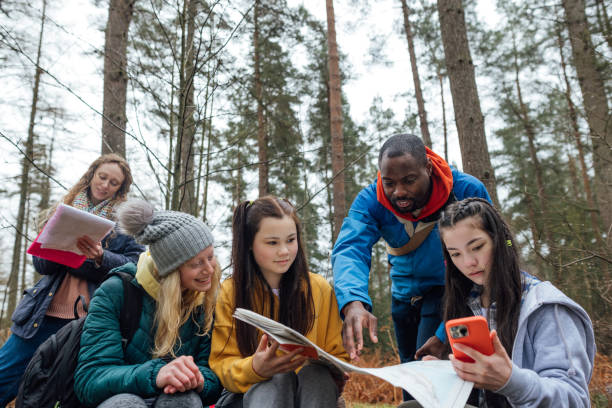
Planning a family holiday with teenagers requires careful consideration, especially when travelling to unfamiliar wildlife destinations. Taking teenagers on safari can be enjoyable when you include activities that match their interests, provide opportunities for independence and avoid spending every day inside a vehicle.
At 14, many teenagers enjoy adventure, photography, technology and opportunities to learn practical skills. However, long game drives and repeated wildlife sightings may become less exciting without variety. A well-planned safari should combine animal encounters with outdoor activities, comfortable accommodation and sufficient relaxation.
Uganda, Kenya, Tanzania and Rwanda offer family safari experiences, including wildlife viewing, cultural visits and suitable guided nature activities. Choosing the right destination and involving your teenager in planning can make the holiday more rewarding.
This guide explains how to keep a 14-year-old engaged, choose appropriate safari activities and create a balanced family itinerary.
Understanding What Interests Teenagers on Safari
Teenagers have different interests from younger children. Some enjoy identifying wildlife, while others prefer photography, outdoor challenges or learning about conservation.
Before booking, ask your teenager what they would like to experience.
Give them a choice of destinations, activities or animals they hope to see. Their involvement can create excitement before departure.
Match Activities to Their Interests
| Teenager’s interest | Suitable safari activity |
|---|---|
| Photography | Wildlife photography challenges |
| Adventure | Age-appropriate hiking and cycling |
| Wildlife | Game drives and animal identification |
| Conservation | Ranger talks and educational visits |
| Culture | Community experiences and traditional crafts |
| Technology | Digital wildlife journals |
| Relaxation | Swimming and lodge activities |
A teenager interested in photography may enjoy spending longer near an elephant herd. Someone who prefers adventure may appreciate a suitable guided walk.
The most important consideration is understanding what your child enjoys.
Best East African Safari Destinations for Teenagers
Choosing a destination with several activities helps prevent boredom.
Uganda: Wildlife and Outdoor Adventure
Uganda offers opportunities to combine game drives with boat safaris, nature walks and cultural visits.
Queen Elizabeth National Park provides wildlife viewing along the Kasenyi plains and boat excursions on the Kazinga Channel.
Murchison Falls National Park offers opportunities to observe elephants, giraffes and other animals while exploring landscapes around the Nile.
Lake Mburo National Park may appeal to active teenagers because guided walking and cycling experiences are available through authorised operators.
Jinja provides additional outdoor activities, although minimum age requirements vary.
Kenya: Wildlife and Photography
Kenya’s Maasai Mara offers wildlife viewing across open grasslands.
Teenagers interested in photography can practise capturing lions, elephants, giraffes and changing landscapes.
Lake Nakuru National Park offers opportunities to see rhinos and numerous bird species.
Tanzania: Wildlife and Natural Landscapes
Serengeti National Park offers opportunities to observe predators, grazing animals and seasonal wildlife movements.
Ngorongoro Crater provides wildlife viewing within a distinctive volcanic landscape.
Tarangire National Park is another option, particularly for teenagers interested in elephants and photography.
Rwanda: Wildlife and Conservation
Akagera National Park provides game drives and opportunities to learn about wildlife conservation.
Nyungwe Forest offers selected guided activities, subject to minimum age restrictions.
Gorilla trekking in Rwanda requires participants to be at least 15 years old. Therefore, a 14-year-old cannot participate.
| Country | Destination | Suitable experience |
|---|---|---|
| Uganda | Queen Elizabeth | Game drives and boat safaris |
| Uganda | Lake Mburo | Wildlife viewing and authorised guided activities |
| Kenya | Maasai Mara | Photography and game drives |
| Kenya | Lake Nakuru | Rhino viewing and birdwatching |
| Tanzania | Serengeti | Wildlife observation |
| Tanzania | Tarangire | Elephant viewing |
| Rwanda | Akagera | Game drives and conservation learning |
Make Game Drives More Interesting
Game drives are central to most safaris, but teenagers may lose concentration during long periods without sightings.
Instead of expecting continuous excitement, introduce activities that encourage observation.
Create Wildlife Photography Challenges
Give your teenager a simple photography assignment.
For example, ask them to photograph:
Three different bird species.
An elephant feeding.
A giraffe walking.
An interesting animal track.
A landscape at sunrise.
Two animals interacting naturally.
A smartphone or basic camera is sufficient.
Encourage responsible photography and remind your teenager never to disturb wildlife for a better picture.
Introduce Wildlife Identification
A wildlife checklist can make game drives more interactive.
| Animal | Interesting observation |
|---|---|
| Elephant | Family behaviour |
| Lion | Resting and social interactions |
| Giraffe | Feeding habits |
| Zebra | Different stripe patterns |
| Buffalo | Herd movements |
| Hippo | Behaviour around water |
| African fish eagle | Calls and hunting behaviour |
Allow your teenager to record sightings independently.
They can compare observations with their guide at the end of each drive.
Keep Game Drives at a Comfortable Length
Although teenagers generally tolerate longer drives than younger children, excessive time inside a vehicle can become tiring.
Consider starting with game drives lasting approximately two to three hours.
Longer excursions may be suitable when wildlife sightings remain interesting.
Example Daily Safari Schedule
| Time | Activity |
|---|---|
| 6:30 am | Breakfast |
| 7:00 am | Morning game drive |
| 10:00 am | Return to accommodation |
| 11:00 am | Swimming or relaxation |
| 1:00 pm | Lunch |
| 2:00 pm | Personal free time |
| 4:00 pm | Optional afternoon activity |
| 6:30 pm | Dinner |
This arrangement provides wildlife experiences without filling every available hour.
Adjust the schedule according to park regulations, your lodge and your family’s preferences.
Include Adventure Activities Beyond Game Drives
Many teenagers enjoy activities involving movement and participation.
Suitable options may include guided nature walks, cycling in approved areas or educational outdoor experiences.
However, some activities have minimum age requirements.
Guided Nature Walks
Walking activities allow teenagers to learn about animal tracks, vegetation and smaller wildlife.
These experiences must be conducted in authorised areas with qualified guides.
Boat Safaris
Boat excursions can provide a different perspective on wildlife.
The Kazinga Channel in Uganda and selected waterways in other safari destinations offer opportunities to observe birds, hippos and animals near the water.
Operators must confirm age requirements and appropriate safety equipment.
Cultural Experiences
Community visits can introduce teenagers to traditional crafts, local food and everyday life.
Choose respectful experiences organised with community participation.
Encourage questions and meaningful conversations.
Allow Teenagers Some Independence
At 14, many children want opportunities to make their own decisions.
Allowing reasonable independence can improve their enjoyment.
For example, your teenager might choose which photographs to keep, select a family activity or organise their own wildlife checklist.
However, independence should never compromise safety.
Safari lodges may be located in areas visited by wild animals.
Teenagers must follow staff instructions and avoid walking outside designated areas alone.
Establish Clear Safety Rules
Explain that your teenager must:
Remain inside the vehicle unless permitted to leave.
Never approach wild animals.
Follow instructions from guides.
Avoid unattended walks after dark.
Respect swimming pool rules.
Stay within approved lodge areas.
These expectations should be discussed before the safari begins.
Choose Accommodation That Appeals to Teenagers
Your accommodation can influence how much your teenager enjoys the holiday.
Look for lodges offering comfortable family rooms, swimming pools and suitable recreational facilities.
Some properties provide educational activities or wildlife observation areas.
| Lodge facility | Benefit |
|---|---|
| Swimming pool | Relaxation between game drives |
| Family rooms | Comfortable shared accommodation |
| Games area | Entertainment during free time |
| Wildlife viewing area | Additional animal observation |
| Charging facilities | Camera and phone charging |
| Flexible dining | Convenient family meals |
Confirm facilities before booking because not every lodge offers these services.
Manage Phones and Screen Time Sensibly
Many teenagers use smartphones for photography, communication and entertainment.
A complete ban may create unnecessary disagreements.
Instead, agree on reasonable screen-time expectations before travelling.
Encourage using phones for photography, wildlife identification and recording observations.
You might allow personal screen time during afternoon breaks while keeping game drives focused on the surroundings.
Internet coverage can be unreliable in remote parks, so download useful resources before departure.
Encourage Learning About Wildlife Conservation
Conservation activities can make safaris more meaningful for teenagers.
Ask your guide to explain how national parks protect wildlife and manage relationships with neighbouring communities.
Discuss topics such as habitat protection, poaching prevention and responsible tourism.
Some destinations provide educational experiences through authorised conservation organisations.
Questions Teenagers Can Ask Guides
Encourage questions such as:
How do rangers monitor wildlife?
Why do animals migrate?
How are endangered species protected?
What causes conflicts between people and wildlife?
How does tourism support conservation?
Practical explanations can turn ordinary sightings into memorable learning experiences.
Understand Age Restrictions Before Booking
Not every safari activity accepts 14-year-olds.
Minimum ages may apply to primate trekking, walking safaris and adventure activities.
| Activity | Age consideration |
|---|---|
| Standard game drives | Usually suitable with appropriate supervision |
| Boat safaris | Operator-specific restrictions |
| Guided nature walks | Park and operator rules apply |
| Gorilla trekking in Uganda | Minimum age 15 |
| Gorilla trekking in Rwanda | Minimum age 15 |
| Chimpanzee trekking | Minimum ages vary by destination |
| Adventure sports | Activity-specific restrictions |
Always confirm current requirements before paying for permits or activities.
Plan a Balanced Family Safari
A well-organised itinerary should include wildlife viewing, outdoor activities and personal time.
Avoid scheduling several demanding activities on consecutive days.
Sample 5-Day Family Safari
| Day | Suggested programme |
|---|---|
| Day 1 | Arrival and lodge relaxation |
| Day 2 | Morning game drive and photography |
| Day 3 | Boat safari and afternoon rest |
| Day 4 | Suitable guided activity and cultural visit |
| Day 5 | Short wildlife experience and departure |
Choose destinations that allow this programme without excessive travelling.
Common Mistakes Parents Should Avoid
Planning only game drives: Include activities that offer different experiences.
Ignoring your teenager’s interests: Involve them in choosing suitable activities.
Overloading the itinerary: Allow enough time for relaxation.
Assuming all activities accept teenagers: Check minimum ages.
Choosing unsuitable accommodation: Look for comfortable family facilities.
Expecting constant excitement: Wildlife sightings are unpredictable, and quieter moments are normal.
Overlooking safety: Maintain clear rules throughout the holiday.
Teenagers on Safari
Taking teenagers on safari can create memorable family experiences when you balance wildlife viewing with activities that interest them.
A 14-year-old may enjoy photography, wildlife identification, cultural visits and selected outdoor adventures.
Choose destinations offering variety, involve your teenager in planning and allow sufficient time for relaxation.
With an experienced guide, suitable accommodation and realistic expectations, your family can enjoy East Africa’s wildlife while keeping your teenager interested throughout the journey



No comment