
Taboos and Local Etiquette: What Not to Do in East Africa
Understanding taboos and local etiquette in East Africa can help you enjoy a more respectful and comfortable journey through Uganda, Kenya, Tanzania and Rwanda. These countries welcome visitors from around the world, but their communities have different customs concerning greetings, clothing, photography, religion and everyday behaviour.
Something that seems normal in your home country may be considered impolite in another cultural setting. For example, photographing someone without permission, interrupting an elder or wearing revealing clothing in a religious area can cause unnecessary discomfort.
Learning a few basic East African cultural etiquette rules before travelling can help you communicate better with local people and avoid misunderstandings.
You do not need to understand every tradition. A respectful attitude, willingness to listen and readiness to ask questions will usually serve you well.
Understanding East African Cultural Etiquette Rules
East Africa is home to many ethnic communities, languages and religious traditions.
Uganda has communities such as the Baganda, Banyankole, Batoro and Basoga. Kenya and Tanzania include Maasai, Swahili, Kikuyu, Chagga and many other communities, while Rwanda has its own cultural traditions and social practices.
Customs differ between communities, generations and individual households.
Urban areas may have different expectations from rural communities.
Therefore, travellers should avoid assuming that everyone in East Africa follows identical rules.
The following guidelines describe common situations where respectful behaviour is particularly important.
1. Do Not Ignore Greetings
Greetings are important in many East African communities.
When entering a small shop, visiting a family or meeting someone for the first time, it is polite to acknowledge the people present.
Beginning a conversation immediately with a request can sometimes appear abrupt.
How to Greet People Respectfully
A simple greeting is usually sufficient.
You can say:
Good morning.
Good afternoon.
Good evening.
Hello, how are you?
In Uganda, you may hear greetings in Luganda or other local languages.
In Kenya and Tanzania, Swahili greetings such as Jambo and Habari are widely recognised.
In Rwanda, greetings in Kinyarwanda are common.
You do not need to speak the local language fluently. Making a respectful effort is often appreciated.
Take Time With Conversations
In some communities, people begin conversations by asking about health, family or general wellbeing.
Avoid rushing every interaction.
A short greeting before asking for assistance can make communication more pleasant.
2. Do Not Disrespect Elders
Respect for older people is an important value in many East African societies.
Elders may hold significant positions within families and communities.
Traditional greetings and forms of address can reflect this respect.
Appropriate Behaviour Around Elders
When meeting an older person, greet them politely.
Listen when they speak and avoid interrupting unnecessarily.
Some communities have particular customs concerning handshakes, posture or respectful language.
Ask your host or guide when you are uncertain.
You should also avoid treating every older person as though they follow the same traditional customs.
Individual preferences vary.
3. Do Not Photograph People Without Permission
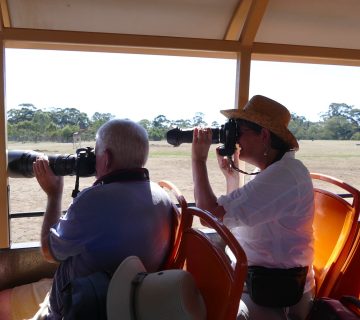
Photography is one of the most common areas where travellers can unintentionally offend local residents.
Markets, villages and cultural ceremonies provide interesting subjects, but the people involved deserve privacy and respect.
Ask Before Taking Photographs
If you want to photograph someone, ask permission first.
This is especially important when photographing:
Children.
Market vendors.
Traditional ceremonies.
People working.
Religious gatherings.
Private homes.
Cultural performances outside organised public events.
Parents or guardians should provide appropriate permission before children are photographed.
If someone declines, accept their decision.
Be Careful With Cultural Photography
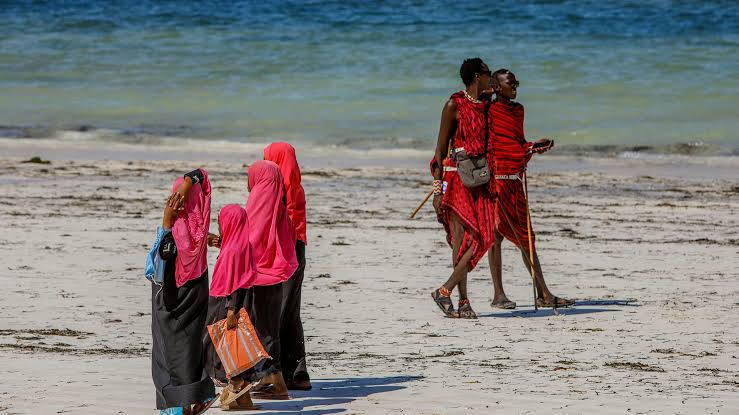
Traditional clothing does not make a person a public attraction.
For example, if you encounter Maasai people wearing traditional jewellery, ask before photographing them.
Some organised cultural visits have agreed photography arrangements.
Follow those arrangements and avoid making assumptions.
4. Do Not Photograph Sensitive Security Locations
Photography restrictions are particularly important around military and security facilities.
In several East African countries, photographing sensitive installations can lead to questioning or legal difficulties.
Avoid photographing:
Military installations.
Soldiers and military equipment.
Restricted airport areas.
Sensitive government facilities.
Security checkpoints.
Rules differ by country and location.
If you are uncertain whether photography is permitted, keep your camera away and ask an authorised official.
Never use a drone without checking the applicable aviation and local rules.
5. Do Not Dress Inappropriately in Religious Areas
Clothing expectations differ between locations.
Tourist hotels and beach resorts may have relaxed dress codes, while religious buildings and traditional communities may expect more modest clothing.
Dressing in Zanzibar
Zanzibar has a predominantly Muslim population.
Visitors should dress modestly when walking through towns, villages and residential areas.
Swimwear is generally appropriate at designated beaches and swimming facilities, but it should not be worn casually through public streets.
Clothing considered inappropriate in public areas can also create legal problems under local rules.
Visiting Churches and Mosques
When visiting religious buildings, choose clothing that covers your shoulders and knees unless the venue provides different guidance.
Some places of worship require additional head coverings or other adjustments.
Follow instructions from religious representatives.
Avoid entering prayer areas without permission.
6. Do Not Interrupt Religious Activities
Religion is important to many families throughout East Africa.
Christianity and Islam have large communities of followers, and traditional religious practices also remain important in some places.
Visitors may encounter church services, mosque prayers, religious processions or family celebrations.
Respecting Prayer Times
Do not interrupt people who are praying.
Avoid loud conversations near active worship areas.
During Ramadan, be considerate when visiting predominantly Muslim communities.
Although travellers are not generally expected to fast, discretion around eating, drinking and smoking in public can be appreciated in some settings.
Ask local hosts about appropriate behaviour.
7. Do Not Use Your Left Hand Carelessly During Formal Exchanges
In some East African communities, the right hand is preferred when giving or receiving items.
This can be particularly relevant when handing something to an elder or participating in a traditional greeting.
However, customs vary.
Practical Advice
When exchanging money, gifts or important items, using your right hand is a considerate default.
In some situations, using both hands may also communicate respect.
You should not assume that every left-handed action is offensive.
Follow the behaviour of your host and ask when uncertain.
8. Do Not Enter Private Homes or Villages Without Permission
Rural communities are sometimes included in cultural tourism programmes.
However, villages are residential areas where people live and work.
You should never assume that you can enter someone’s compound simply because it looks interesting.
Visiting Local Communities
Arrange community experiences through recognised local guides or invited hosts.
Before entering a home, wait for permission.
Follow household rules concerning footwear, seating and photography.
Do not enter private rooms or agricultural areas without guidance.
Avoid treating people’s daily activities as performances arranged for tourists.
9. Do Not Offer Money to Children for Photographs
Some travellers give money or sweets to children after taking photographs.
Although the intention may be generous, this can create problems.
It may encourage children to approach unfamiliar visitors or expect payment whenever tourists arrive.
Better Ways to Support Communities
If you want to contribute, consider supporting a recognised community project or purchasing locally made products.
Ask your guide about responsible ways to help.
Do not distribute gifts to children without consulting parents, guardians or responsible community representatives.
10. Do Not Disrespect Traditional Ceremonies
Traditional ceremonies remain important in many East African communities.
These include weddings, marriage introductions, initiation-related traditions, funerals and other family occasions.
Some events are private and should only be attended by invitation.
Attending a Ugandan Introduction Ceremony
In Buganda, the traditional introduction ceremony is commonly called kwanjula.
Guests are expected to respect the programme, family representatives and customary procedures.
Avoid interrupting speeches or joking about marriage gifts.
Dress appropriately and follow instructions from your host.
Attending Other Cultural Events
Different communities have their own expectations.
A local guide can explain the appropriate behaviour before you attend.
Comparing Etiquette Considerations Across East Africa
Some customs are widely shared, while others are more noticeable in particular settings.
| Country | Cultural Consideration | Practical Advice |
|---|---|---|
| Uganda | Respect for elders and family introductions | Greet people politely and follow customary guidance |
| Kenya | Cultural photography and community visits | Ask permission before photographing people |
| Tanzania | Modest clothing in religious and coastal communities | Dress appropriately outside beach areas |
| Rwanda | Respect at memorial sites and community activities | Follow site rules and behave quietly |
| All four countries | Religious activities and private ceremonies | Attend by invitation or with permission |
These examples are not exclusive to one country.
Respectful greetings, appropriate clothing and permission before photography are useful throughout the region.
11. Do Not Treat Wildlife as Entertainment
Wildlife tourism is an important part of East African travel.
However, visitors must respect park rules and avoid behaviour that disturbs animals.
Never ask your guide to drive dangerously close to wildlife for photographs.
Do not feed wild animals or encourage them to approach vehicles.
Avoid shouting, throwing objects or attempting to attract an animal’s attention.
Follow Your Safari Guide’s Instructions
Guides understand local wildlife behaviour and park regulations.
If your guide asks you to remain inside the vehicle, follow the instruction.
During gorilla or chimpanzee trekking, respect the rules communicated during the briefing.
Wildlife safety is more important than obtaining a photograph.
12. Do Not Litter or Ignore Environmental Rules
Littering is harmful to communities, wildlife and natural areas.
Plastic bottles, food packaging and other rubbish should be disposed of properly.
Some East African destinations have strict rules concerning certain plastic products.
Community Cleaning in Rwanda
Rwanda is known for Umuganda, a community work activity commonly held on the last Saturday of the month.
Community members participate in activities such as cleaning public spaces and other local improvement projects.
During these periods, some services and travel arrangements may be affected.
Visitors should follow local instructions and plan accordingly.
13. Do Not Assume Bargaining Is Appropriate Everywhere
Bargaining is common in some markets, particularly when purchasing crafts and souvenirs.
However, it is not expected in every business.
Supermarkets, established restaurants and many formal shops usually display fixed prices.
How to Bargain Respectfully
If negotiation is appropriate, remain polite.
Ask the price and make a reasonable offer.
Avoid insulting the seller or dismissing the value of handmade work.
Remember that locally produced crafts may require considerable time and skill.
If you cannot agree on a price, thank the seller and leave politely.
14. Do Not Make Assumptions About Local People
East Africa includes large cities, universities, businesses, agricultural communities and diverse lifestyles.
Avoid assuming that everyone lives in rural areas or follows traditional customs.
Do not describe communities using stereotypes.
People may have different opinions about religion, politics, marriage and cultural practices.
Respect Personal Boundaries
Avoid intrusive questions about income, marriage, religion or family circumstances when meeting someone for the first time.
Some people may be happy to discuss these topics, while others prefer privacy.
Allow conversations to develop naturally.
Frequently Asked Questions About East African Etiquette
Is it rude not to greet someone in East Africa?
In many communities, greetings are important. It is generally polite to acknowledge people before beginning a conversation or making a request.
Can tourists photograph local people?
Yes, when appropriate permission has been given. Always respect privacy and accept refusals.
What should tourists wear in Zanzibar?
Modest clothing is advisable in towns and residential areas. Swimwear is best kept to designated beach and swimming locations.
Is bargaining acceptable in East African markets?
Bargaining may be acceptable in some informal markets, but many businesses use fixed prices.
Can tourists attend traditional weddings?
Visitors can attend when invited. Follow the family’s instructions and respect ceremonial customs.
What is the best way to avoid offending local people?
Greet people politely, ask permission when needed, respect religious practices and follow advice from trusted local hosts.
Understanding taboos and local etiquette in East Africa helps travellers interact respectfully with the communities they visit.
Uganda, Kenya, Tanzania and Rwanda have diverse cultural traditions, but thoughtful behaviour is valuable throughout the region.
Simple actions such as greeting people, dressing appropriately, respecting elders and asking before taking photographs can make a positive difference.
You do not need to memorise every cultural rule before travelling.
Remain observant, listen carefully and ask questions when uncertain.
By respecting local customs, you can enjoy more comfortable interactions and develop a better understanding of everyday life in East Africa.



No comment