
Stargazing Near Tarangire National Park: What You Can See at Night
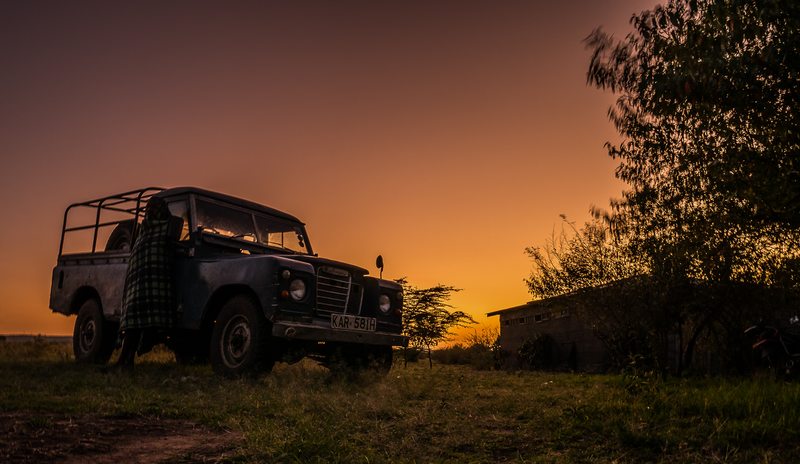
Tarangire National Park, famous for its towering baobab trees and massive elephant herds, offers a genuinely underrated bonus after the sun sets: exceptional stargazing conditions shaped by minimal light pollution, dry-season clarity, and southern hemisphere skies that reward travelers who take deliberate time to look up during their safari evenings rather than treating nightfall as simply the end of the day’s activities.
Why Tarangire’s Remote Setting Creates Genuinely Dark Skies
Tarangire sits well away from major towns and their associated artificial light pollution, and this genuine remoteness, combined with the park’s relatively low visitor density compared to Tanzania’s more famous Serengeti and Ngorongoro circuits, produces night skies considerably darker and clearer than most travelers experience even at other safari destinations. On a genuinely clear night, this darkness reveals star density and detail that visitors from light-polluted cities often describe as their first real encounter with an unobstructed night sky, a quietly memorable experience many rank alongside the park’s daytime wildlife viewing.
What the Milky Way Genuinely Looks Like From Tarangire
During appropriate seasons and moon phases, Tarangire’s dark skies reveal the Milky Way’s band stretching vividly overhead with a clarity and detail that light-polluted urban environments simply cannot replicate, showing structure and star clusters within the band itself that remain entirely invisible from most travelers’ home skies, making this one of the trip’s genuinely unexpected visual highlights for many first-time safari visitors.
Best Timing for Optimal Stargazing During Your Visit
Dry season months, generally offering clearer skies with less cloud cover and reduced atmospheric haze, provide the most consistently rewarding stargazing conditions at Tarangire, while timing your specific evenings around the new moon phase, when moonlight doesn’t wash out fainter stars, meaningfully enhances visibility for travelers who specifically prioritize this experience during their stay. The hours around midnight, once ambient light from sunset has fully faded and before any pre-dawn brightening begins, typically offer the darkest, most rewarding viewing window for dedicated stargazers willing to stay up past a typical early safari bedtime.
What Southern Hemisphere Skies Offer Travelers From the North
Tarangire’s location gives northern hemisphere travelers genuine access to unfamiliar southern constellations and features, including Southern Cross visibility during appropriate seasons, along with a fundamentally different orientation to familiar constellations that appear upside-down or in unexpected positions relative to how travelers are accustomed to seeing them from home, adding real novelty value beyond simply darker skies for anyone with even casual astronomical interest.
How Baobab Silhouettes Add a Distinctive Character to Night Photography
Tarangire’s iconic baobab trees, already a daytime photographic highlight, take on genuinely striking new character against a star-filled night sky, and photographers with appropriate long-exposure equipment and technique can capture images combining these ancient trees’ distinctive silhouettes with the Milky Way’s dramatic backdrop, a combination genuinely unique to destinations offering both this specific tree species and truly dark skies together. These same baobabs anchor the park’s daytime appeal too, alongside the elephant herds and endemic birdlife covered in more detail in Tarangire’s baobabs, elephants, and endemic birds, giving stargazers a natural daytime complement to their evening sky-watching.
What Equipment Genuinely Enhances the Stargazing Experience
While naked-eye viewing already rewards Tarangire visitors considerably given the sky’s genuine darkness, bringing binoculars reveals additional detail in star clusters and the Milky Way’s internal structure, and a simple star-identification app or printed chart helps travelers unfamiliar with the night sky make genuine sense of what they’re observing rather than passively looking at an impressive but unlabeled expanse of stars.
How Lodge Positioning Affects Your Actual Viewing Experience
Tarangire’s lodges vary in how directly they support stargazing, with some offering dedicated open viewing decks or communal fire areas positioned specifically away from ambient lodge lighting, while others require a short walk to a genuinely dark viewing spot, making it worthwhile to ask directly about stargazing setup when booking if this experience genuinely matters to your trip.
What Wildlife Sounds Add to the Overall Nighttime Atmosphere
Beyond the visual spectacle overhead, Tarangire’s savannah setting brings a genuine, immersive soundscape of nocturnal insects, distant animal calls, and occasional larger wildlife movement audible from camp, adding real sensory richness to a stargazing session that pure visual astronomy elsewhere simply cannot replicate within a genuine safari setting.
Combining Stargazing With Your Broader Tarangire Itinerary
Setting aside deliberate time after dinner for stargazing, rather than treating it as an entirely incidental afterthought squeezed in only if energy allows, rewards Tarangire visitors with a genuinely memorable addition to a trip primarily planned around daytime elephant herds and baobab scenery, rounding out a full day with an equally rich evening experience. Travelers returning to Tarangire for a second visit specifically to slow down and explore beyond the standard circuit will find genuinely useful ideas in planning a return trip to Tarangire, where dedicated evening stargazing time fits naturally alongside other less-rushed activities.
What First-Time Visitors Often Don’t Anticipate About This Bonus
Most travelers book Tarangire specifically for its daytime wildlife viewing and don’t anticipate the park’s exceptional stargazing quality until they’ve already arrived, making it a genuinely pleasant surprise worth actively planning around once you know to expect it, rather than discovering it only by accident on your final evening.
How Weather and Cloud Cover Genuinely Affect Any Given Night
Even during generally favorable dry season timing, individual nights can vary considerably in cloud cover and viewing quality, making it worth checking conditions with lodge staff each evening rather than assuming every single night of a multi-night stay will deliver equally spectacular stargazing conditions regardless of that specific evening’s weather.
How Rainy Season Affects Stargazing Conditions Specifically
Rainy season’s increased cloud cover meaningfully reduces stargazing opportunities compared to the reliably clear dry season skies, making dry season timing genuinely worth prioritizing specifically for travelers whose trip planning weighs stargazing as a real priority rather than a secondary bonus. Even during rainy months, however, brief clear windows between storms can occasionally deliver surprisingly good viewing, so travelers visiting during this period shouldn’t assume stargazing is entirely off the table, just genuinely less predictable than during the drier months.
What Local Guides Can Add to Your Stargazing Experience
Some Tarangire lodges employ guides or staff with genuine personal interest in astronomy, capable of pointing out specific constellations, satellites, or seasonal features worth asking about directly during your stay, and this kind of informed local commentary genuinely transforms passive sky-watching into a considerably richer, more educational experience than simply staring upward without context.
Why Temperature Drops Make Warm Layers Genuinely Essential
Tarangire’s savannah elevation brings genuinely cool nighttime temperatures even during the warmest months, and travelers planning extended stargazing sessions should pack warm layers accordingly, since the discomfort of unexpected cold consistently cuts short what would otherwise be a genuinely rewarding, unhurried evening spent under the stars.
How This Compares to Stargazing at Other Tanzania Safari Destinations
Tarangire’s specific combination of genuine remoteness, low visitor density, and distinctive baobab silhouettes gives it a stargazing character genuinely comparable to, and in some ways more atmospheric than, Tanzania’s more famous Serengeti and Ngorongoro circuits, making it a worthwhile dedicated stop for travelers specifically building an itinerary around this bonus experience rather than treating it as identical across every safari stop.
Final Thoughts on Tarangire’s Night Sky as a Genuine Trip Highlight
Tarangire’s exceptional stargazing conditions consistently surprise travelers who arrive expecting only daytime wildlife viewing, and those who deliberately plan evening time around this bonus experience frequently rank it among their most memorable trip moments, sometimes rivaling the elephant herds and baobab scenery that originally drew them to the park in the first place.
How to Build Stargazing Into Your Booking Conversation
Mentioning your specific interest in stargazing when booking your Tarangire stay helps your operator recommend lodges with genuinely favorable dark-sky positioning and appropriate seasonal timing, rather than leaving this bonus experience purely to chance once you’ve already arrived and discovered the sky’s genuine quality for yourself. A brief conversation at the booking stage, covering moon phase timing and your lodge’s specific viewing setup, consistently produces a noticeably better outcome than treating stargazing as an unplanned afterthought.
What Repeat Visitors Say About This Underrated Nighttime Bonus
Travelers who have visited Tarangire multiple times consistently mention the stargazing among their most memorable experiences, sometimes describing it as rivaling the daytime game drives in emotional impact, a sentiment worth taking seriously if you’re weighing how much evening time to genuinely dedicate to this bonus experience during your own visit. Repeat visitors also frequently mention wishing they had checked the moon phase before their first trip specifically to time their stay around the darkest possible skies, a small planning detail that meaningfully shapes the overall experience.
A Final Word on Making Time for This Often-Overlooked Highlight
Many travelers plan their Tarangire game drives and baobab photography meticulously while overlooking evening activities almost entirely, and giving the park’s genuine stargazing quality the same deliberate planning attention rewards that small extra effort considerably, turning an already exceptional daytime safari into a fuller, round-the-clock experience worth remembering long after the trip ends.
Planning Your Tarangire National Park Safari
Tarangire’s exceptional stargazing adds genuine, often unexpected value to an already remarkable safari built around its famous elephant herds and ancient baobabs. All in Africa Safaris can help you plan a Tarangire safari with time to enjoy its night skies, or you can get in touch to plan the details of your trip.


No comment