
Serengeti’s Seronera vs Northern vs Western Corridor: Choosing Your Base
The Serengeti isn’t a single, uniform safari destination; it’s a vast ecosystem where the right base genuinely changes your experience depending on when you visit. Choosing between Seronera, the Northern Serengeti and the Western Corridor is one of the most consequential decisions a Tanzania safari planner makes, and getting it wrong can mean paying for a premium migration-season camp only to find the herds were never actually nearby.
Key Highlights
- Seronera (Central Serengeti) offers the strongest year-round resident wildlife and the easiest access
- The Northern Serengeti is worth visiting specifically for Mara River crossings, roughly July through early October
- The Western Corridor sees its own Grumeti River crossings, typically May through July
- Central Serengeti supports the highest year-round density of lion, leopard and cheetah
- Northern camps largely sit quiet outside crossing season, with many closing entirely
- Combining regions requires more nights and higher cost, but delivers a considerably fuller Serengeti picture
Central Serengeti (Seronera): The Reliable Default
Seronera and the surrounding Central Serengeti region is the park’s most famous and most accessible corner, and for good reason: the Seronera River valley supports permanent, resident populations of lion, leopard and cheetah at a density genuinely comparable to anywhere in Africa. Unlike the northern and western regions, whose appeal is tightly bound to a specific migration window, Seronera delivers strong wildlife viewing essentially year-round, making it the most reliable single base for a first Serengeti safari or for any traveller working with a limited number of days.
Why Seronera Suits First-Time Visitors
Because it doesn’t depend on the migration’s unpredictable, weather-driven timing, Seronera removes a major source of planning risk from a first Tanzania trip. Travellers who simply want strong, dependable big-cat and general game viewing, without needing to time their entire trip around a specific river-crossing window, are consistently best served by making Central Serengeti their primary base.
Northern Serengeti: The Mara River Crossings
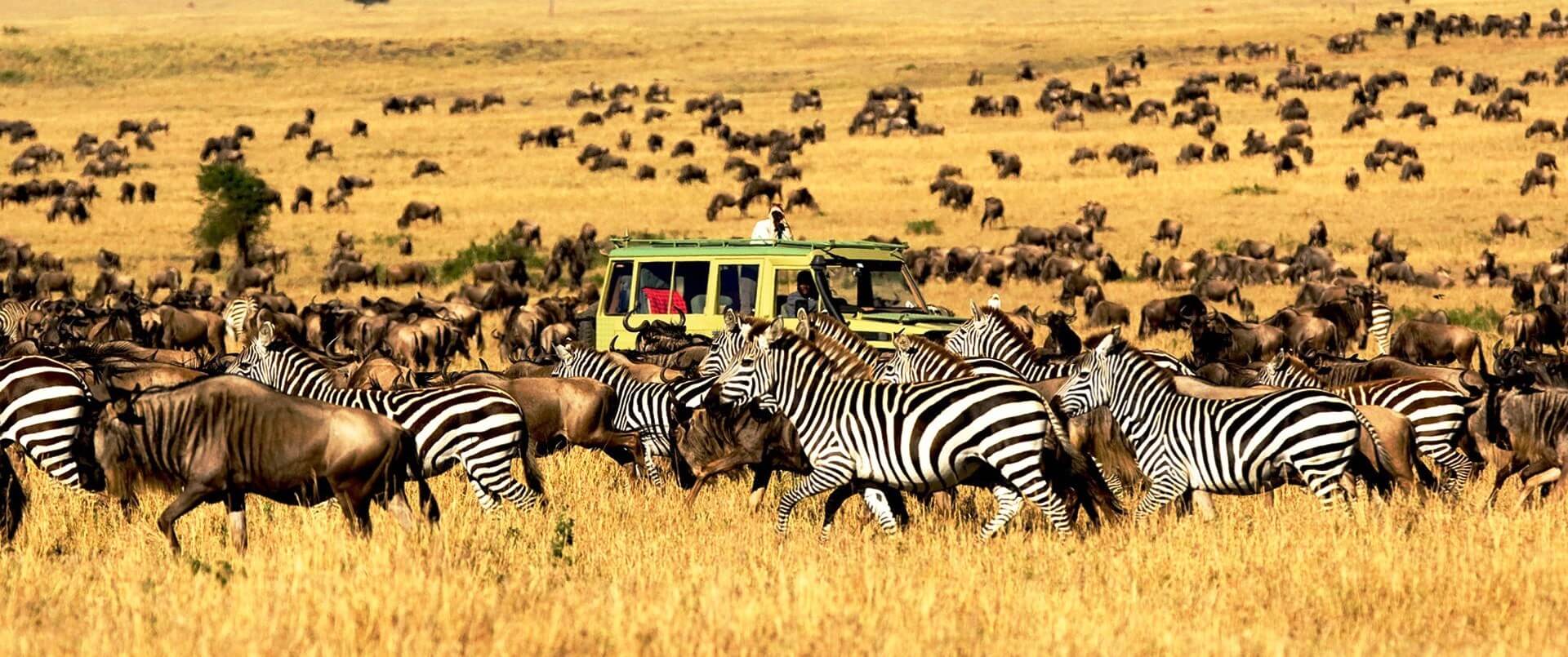
The Northern Serengeti’s defining draw is the Mara River crossing spectacle, wildebeest and zebra herds fording crocodile-infested waters in one of the most dramatic wildlife events anywhere on the continent, typically occurring from July through early October. Outside that window, the region falls genuinely quiet, wildlife remains present but the crowds and spectacle largely disappear, and a meaningful number of camps close entirely during the off-season months.
Timing Is Everything Here
Unlike Seronera, booking a Northern Serengeti stay outside the July-to-October crossing window is a genuine planning mistake, one of the most common errors first-time Tanzania trip planners make when working from outdated or generic advice rather than the specific, current migration timing for their travel dates. Confirming timing directly with a knowledgeable local operator, rather than relying on a general “migration season” assumption, is essential before committing to a Northern Serengeti-heavy itinerary.
Western Corridor: A Different Migration Window Entirely
The Western Corridor, centred on the Grumeti River, hosts its own distinct river-crossing spectacle, typically occurring from May through July as the migration moves west and north ahead of the Mara crossings later in the year. This region sees considerably fewer visitors and vehicles than either Seronera or the Northern Serengeti during its own peak window, offering a genuinely quieter, less crowded migration-viewing experience for travellers whose dates align with it.
A Region Often Overlooked
Many first-time trip planners focus entirely on the more famous Mara River crossings and overlook the Western Corridor’s own Grumeti crossings entirely, missing a genuinely worthwhile, less crowded alternative for travellers whose trip dates happen to fall in the May-to-July window rather than the July-to-October Northern Serengeti season.
Comparing the Three Regions Directly
Seronera wins on year-round reliability and ease of access; the Northern Serengeti wins on raw crossing-season spectacle but carries real seasonal risk; the Western Corridor offers a genuine middle ground, its own crossing drama with meaningfully fewer crowds, but on a narrower, less internationally famous timing window. None of the three is objectively “best” in isolation; the right choice depends entirely on when you’re travelling and what specific experience you’re prioritising.
Wildlife Density Outside Crossing Season
It’s worth noting that both the Northern Serengeti and Western Corridor retain resident wildlife populations outside their respective crossing windows, just without the seasonal migration spectacle layered on top; travellers visiting during an “off” window for a given region will still see genuine game, simply without the specific river-crossing drama that drives most people’s interest in that particular area.
Combining Regions for a Fuller Picture
Travellers with four or more nights inside the park, particularly those visiting during the July-to-October window, are well served by combining Central and Northern Serengeti in a single itinerary, capturing both Seronera’s reliable resident wildlife and a genuine shot at the Mara crossings. This combination requires more travel days and a higher overall budget than a single-region stay, but delivers meaningfully more of what the Serengeti ecosystem actually offers across its full range.
When a Single Region Makes More Sense
Travellers with fewer available nights, or visiting outside the peak crossing windows entirely, are generally better served concentrating their stay in Central Serengeti alone rather than spreading limited time thinly across multiple regions and long transfer distances between them.
How the Seasons Shape the Broader Migration Story
The Serengeti’s three regions aren’t independent destinations so much as three chapters of a single, continuous migration story, the herds moving roughly from the Western Corridor’s Grumeti crossings in the dry season’s early months, north through Central Serengeti, and on to the Mara River crossings later in the year, before eventually circling back south toward the Ngorongoro Conservation Area and Central Serengeti for calving season. Understanding this broader annual cycle, rather than treating each region as a disconnected option, helps explain why timing matters so much more for the northern and western regions than it does for Seronera’s relatively stable, year-round resident populations.
Getting Between Regions
Transfers between Seronera, the Northern Serengeti and the Western Corridor cover considerable distances across the park’s vast size, typically requiring either a scenic but time-consuming game drive transfer or a short charter flight between the region’s respective airstrips. Charter flights meaningfully reduce transfer time for multi-region itineraries, an option worth discussing with your operator when planning a trip that spans more than one part of the park.
Accommodation Character Across the Three Regions
Seronera’s long-established status as the Serengeti’s most visited region means it carries the widest range of accommodation options, from budget-friendly camps to established luxury lodges, alongside inevitably higher vehicle density at popular sightings given how many camps draw from the same central wildlife areas. The Northern Serengeti’s accommodation, by contrast, skews toward smaller, more seasonal mobile camps that follow the migration and often close entirely outside the crossing season, reflecting the region’s fundamentally different, more migration-dependent visitor pattern.
Western Corridor Lodging
The Western Corridor’s more modest camp density directly reflects its lower visitor numbers, translating into a genuinely quieter, less crowded lodge experience even during its own May-to-July peak season, appealing to travellers who prioritise exclusivity and quiet over the wider dining and activity options Seronera’s more developed camp infrastructure offers.
Photography Considerations by Region
Seronera’s high resident predator density makes it a strong choice for photographers prioritising reliable big-cat action across multiple days without needing precise migration timing, while the Northern Serengeti’s river crossings offer some of Africa’s most dramatic, high-action wildlife photography opportunities, concentrated into a narrower, more unpredictable window. The Western Corridor splits the difference, offering its own crossing drama with considerably less competition from other photography vehicles jockeying for position at the same crossing point.
Vehicle Crowding at Crossing Points
A genuine downside of the Northern Serengeti’s fame is vehicle crowding at popular Mara crossing points during peak season, a consideration worth discussing with your operator if an uncrowded, more exclusive wildlife photography experience matters more to you than witnessing the single most famous version of the crossing spectacle.
Budgeting for Different Region Choices
A Seronera-only itinerary is generally the most cost-efficient way to build a strong Serengeti safari, given the region’s wide accommodation range and the absence of any need for costly inter-region charter flights. Adding the Northern Serengeti or Western Corridor to an itinerary raises overall cost meaningfully, both through the additional camp nights required and the charter flight or long transfer needed to reach these more remote sections of the park.
Where the Extra Cost Delivers Real Value
That additional cost is genuinely well spent for travellers whose specific dates align with a crossing season, since witnessing the migration crossings in person is a fundamentally different experience from Seronera’s excellent but comparatively calmer resident wildlife viewing; the decision comes down to whether that specific spectacle matters enough to justify the added budget and logistics for your particular trip.
Frequently Asked Questions
Which region should I choose for a first Serengeti safari?
Central Serengeti (Seronera) is generally the strongest single choice for first-time visitors, given its year-round wildlife reliability and straightforward access.
When exactly should I visit the Northern Serengeti for river crossings?
Roughly July through early October offers the best chance at Mara River crossings, though exact timing shifts year to year with rainfall and herd movement.
Is the Western Corridor worth visiting if I can’t make the Mara crossing season?
Yes, particularly for travellers visiting in May or June, when the Grumeti River crossings offer a genuine, less crowded alternative migration spectacle.
Can I combine all three regions in one trip?
It’s possible with enough time and budget, though most itineraries are better served combining two regions rather than all three, given the transfer time and cost involved.
Does wildlife disappear entirely outside crossing season in the northern and western regions?
No, resident wildlife remains present year-round in both regions; it’s specifically the river-crossing spectacle, not all wildlife viewing, that’s tied to the seasonal window.
Recommended Safaris
Choosing the right Serengeti base is one of the most important decisions in planning a Tanzania safari. Ready to build a Serengeti itinerary matched to your travel dates and priorities? Reach our team through our Book Now page and we’ll plan it around your dates.

No comment