
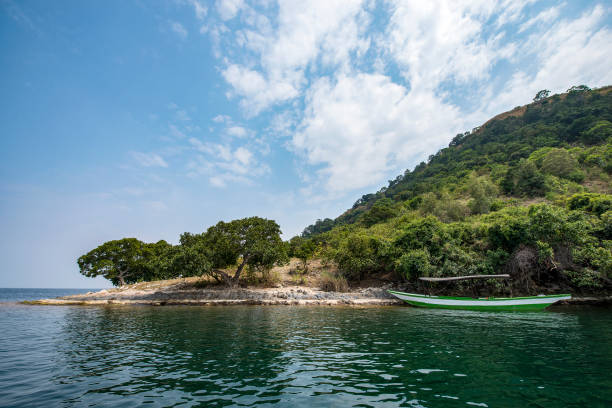
Rubondo Island National Park: Chimpanzees, Fishing and Birds on Lake Victoria
Rubondo Island National Park in Tanzania offers one of East Africa’s most unusual wildlife experiences, combining tropical island forests, chimpanzee conservation, Nile perch fishing and exceptional birdwatching on Lake Victoria. Unlike Tanzania’s famous savannah parks, Rubondo protects a secluded island landscape where visitors explore forests, wetlands and freshwater shorelines.
Located in the southwestern part of Lake Victoria, Rubondo is particularly attractive to travellers seeking quiet wilderness, rare wildlife and activities away from busy safari circuits.
Visitors can join guided forest walks, participate in authorised chimpanzee habituation experiences, enjoy boat excursions and observe impressive birdlife.
For nature enthusiasts, photographers and adventurous travellers, Rubondo provides a distinctive alternative to the traditional Tanzania safari.
Where Is Rubondo Island National Park?
Rubondo Island National Park lies in Lake Victoria, within Tanzania’s Geita Region.
The protected area includes the main island and smaller surrounding islands, covering approximately 457 square kilometres of land and water.
The park was established in 1977 after previously being protected as a game reserve.
Quick Facts About Rubondo Island
| Feature | Description |
|---|---|
| Country | Tanzania |
| Region | Geita |
| Location | Southwestern Lake Victoria |
| Established | 1977 |
| Protected area | Approximately 457 km² |
| Main attraction | Chimpanzee conservation |
| Popular activities | Walking, fishing and birdwatching |
| Special wildlife | Sitatunga antelope |
| Main fishing species | Nile perch |
| Recommended stay | 2–3 nights |
Why Is Rubondo Island Special?
Rubondo combines dense tropical forest with freshwater habitats.
Its landscape contains evergreen woodland, papyrus swamps, sandy coves and sheltered bays.
Unlike mainland national parks, much of the wildlife exploration takes place on foot or by boat.
The island’s isolation has helped protect important habitats and supports conservation programmes for several animal species.
Chimpanzees on Rubondo Island
Chimpanzees are among Rubondo’s greatest attractions.
Unlike the naturally occurring chimpanzee populations of Gombe and Mahale, Rubondo’s chimpanzees descend from animals introduced to the island during the 1960s and 1970s.
The project aimed to establish a population in suitable forest habitat.
Chimpanzee Habituation Experiences
Rubondo offers a specialised chimpanzee habituation experience under authorised supervision.
Visitors may accompany experienced guides and conservation teams into the forest.
However, chimpanzees are not fully accustomed to tourists throughout the island, and sightings cannot be guaranteed.
This makes Rubondo different from conventional chimpanzee trekking destinations.
What Happens During Chimpanzee Tracking?
Chimpanzee experiences begin with instructions from trained guides.
Visitors follow forest trails while guides search for signs of chimpanzee activity.
These may include calls, feeding remains and nests.
What to Expect
Tracking can require patience and quiet walking.
Chimpanzees may remain hidden in dense vegetation.
Some encounters provide opportunities to observe natural behaviour from a safe distance.
The experience focuses on wildlife conservation rather than guaranteed close contact.
Responsible Chimpanzee Watching
Chimpanzees are intelligent wild primates that require careful protection.
Visitors must follow strict wildlife guidelines.
Important Rules
Follow authorised guides.
Maintain required viewing distances.
Never feed chimpanzees.
Avoid loud noises.
Do not imitate chimpanzee calls.
Never approach infants.
Stay away if experiencing infectious symptoms.
These precautions protect the animals and reduce disease-transmission risks.
Wildlife Beyond Chimpanzees
Rubondo supports several interesting mammals.
Elephants, giraffes, bushbucks, monkeys and smaller forest animals inhabit the protected area.
Some species are difficult to observe because of dense vegetation.
Wildlife Viewing Opportunities
| Animal | Main habitat |
|---|---|
| Chimpanzee | Tropical forest |
| Elephant | Woodland and forest |
| Giraffe | Open vegetation |
| Sitatunga | Papyrus wetlands |
| Bushbuck | Forest edges |
| Hippopotamus | Lake shoreline |
| Nile crocodile | Shoreline and bays |
Wildlife sightings depend on season, location and animal behaviour.
Sitatunga: Rubondo’s Secretive Antelope
The sitatunga is one of Rubondo’s most distinctive animals.
This unusual antelope is adapted to living in wetlands and swampy vegetation.
Its elongated hooves help it move across soft, waterlogged ground.
Where Can Visitors See Sitatunga?
Sitatunga may appear near papyrus swamps and sheltered wetland margins.
They are shy and often remain concealed.
Early morning boat excursions can provide opportunities to search for them from a respectful distance.
Fishing on Lake Victoria
Sport fishing is among Rubondo’s most popular activities.
Lake Victoria contains Nile perch, a large predatory freshwater fish that attracts anglers from different countries.
Fishing excursions generally take place from boats under authorised supervision.
Why Nile Perch Fishing Is Popular
Nile perch can grow extremely large.
Their strength makes them challenging fish to catch.
Experienced anglers may enjoy the opportunity to practise different fishing techniques in a spectacular natural environment.
Catch-and-Release Fishing Rules
Rubondo promotes controlled sport fishing, including catch-and-release practices.
Fishing requires appropriate authorisation and compliance with park regulations.
Responsible Fishing Guidelines
| Practice | Recommendation |
|---|---|
| Fishing permit | Confirm before departure |
| Guide | Use authorised operators |
| Catch handling | Minimise injury |
| Release | Return fish promptly |
| Equipment | Follow operator guidance |
| Protected areas | Respect restrictions |
Fishing opportunities depend on current park rules, weather and available boats.
Birdwatching on Rubondo Island
Rubondo is an excellent destination for birdwatching.
Its forests, papyrus wetlands and open waters support an impressive mixture of resident and migratory birds.
African fish eagles are particularly characteristic of the island’s shoreline.
Birds to Look For
| Bird | Habitat |
|---|---|
| African fish eagle | Lakeshore |
| Pied kingfisher | Open water |
| African darter | Wetlands |
| Herons | Shallow bays |
| Egrets | Shoreline |
| African grey parrot | Forest |
| Cormorants | Lake waters |
| Various forest birds | Woodland canopy |
Bird sightings vary throughout the year.
African Fish Eagles on Lake Victoria
African fish eagles are among Rubondo’s most impressive birds.
Their distinctive calls frequently echo across African lakes.
Watching Fish Eagles
Visitors may observe these powerful raptors perched above the shoreline.
Occasionally, they dive towards the lake to catch fish.
Boat excursions offer excellent opportunities to photograph them without disturbing their natural behaviour.
Forest Birdwatching
Rubondo’s tropical forest supports bird species that are less familiar to visitors concentrating on savannah wildlife.
Birdwatching requires patience because dense vegetation limits visibility.
Useful Birdwatching Tips
Carry binoculars.
Walk quietly.
Listen for calls.
Visit during the early morning.
Use a knowledgeable guide.
Avoid disturbing nesting areas.
Boat Safaris on Lake Victoria
Boat excursions provide a different perspective of Rubondo’s landscapes.
Visitors travel along quiet bays, rocky shores and papyrus-lined channels.
What Can You See?
Hippopotamuses may appear near sheltered waters.
Crocodiles sometimes rest along suitable shorelines.
Waterbirds gather around wetlands.
Boat safaris also reveal beautiful island scenery and forest-covered hills.
Always remain seated when instructed and wear a properly fitted life jacket.
Guided Forest Walking Safaris
Walking safaris are another major attraction.
Unlike vehicle-based wildlife viewing, walking allows travellers to appreciate smaller details of the forest environment.
What Happens During a Forest Walk?
Guides introduce local plants, insects and animal tracks.
Visitors may encounter monkeys, bushbucks or forest birds.
Some walks last one or two hours, while longer excursions require additional preparation.
All walks should take place with authorised park guides.
Exploring Rubondo’s Beaches
Rubondo has several attractive freshwater beaches.
Sandy coves and forested shorelines create peaceful scenery.
Can Visitors Swim?
Swimming should not be assumed safe.
Lake Victoria contains crocodiles and hippopotamuses, and some areas may present other hazards.
Visitors should follow park instructions and avoid entering the water without explicit authorisation.
The beaches are best appreciated through photography, nature walks and supervised activities.
How to Reach Rubondo Island
Reaching Rubondo requires advance planning because the park is relatively remote.
Visitors commonly approach through Mwanza or other towns around Lake Victoria.
Transport Options
| Transport | Details |
|---|---|
| Domestic flight | Travel to Mwanza or Bukoba |
| Road transfer | Continue towards an approved embarkation point |
| Boat transfer | Reach Rubondo through authorised operators |
| Charter aircraft | Possible by advance arrangement |
Routes and boat departure points depend on current operating arrangements.
Accommodation on Rubondo Island
Accommodation options are limited compared with Tanzania’s major safari parks.
Visitors may choose between selected lodge facilities and designated camping areas.
Where to Stay
Some lodges offer comfortable rooms or safari-style accommodation.
Public and special campsites provide alternatives for adventurous travellers.
Advance booking is strongly recommended because supplies and transfers require coordination.
Best Time to Visit Rubondo
Rubondo can be visited throughout the year.
However, seasonal rainfall influences forest conditions, lake crossings and wildlife activities.
Seasonal Travel Guide
| Period | General experience |
|---|---|
| January–February | Birdwatching and warm weather |
| March–May | Increased rainfall |
| June–October | Generally favourable conditions |
| November–December | Variable rainfall |
June to October is often convenient for walking and boat excursions.
Rubondo Island Entrance Fees
Rubondo is managed by Tanzania National Parks.
Admission charges depend on nationality, residency, age and activity.
Separate fees may apply for fishing, guiding, boating and accommodation.
Budgeting for Your Visit
Confirm park admission fees directly with the operator.
Ask whether boat transfers are included.
Check the cost of chimpanzee experiences.
Request fishing permit details.
Confirm accommodation and meal arrangements.
Obtain a complete quotation before travelling.
Suggested Three-Day Rubondo Itinerary
Day One: Arrival and Boat Safari
Travel to Rubondo and settle into your accommodation.
Enjoy a guided lakeshore excursion.
Watch waterbirds and appreciate the island’s peaceful scenery.
Day Two: Chimpanzees and Forest Exploration
Join a prearranged chimpanzee habituation experience if available.
Explore forest trails with authorised guides.
Spend the afternoon birdwatching.
Day Three: Fishing and Departure
Enjoy an early boat excursion or permitted sport-fishing activity.
Return to your accommodation.
Continue towards the mainland.
What to Pack for Rubondo
Pack comfortable walking shoes, lightweight clothing and a rain jacket.
Bring insect repellent, binoculars, sunscreen and drinking water.
A camera with a zoom lens is particularly useful for photographing birds.
Travellers should also carry suitable medication and personal essentials because shopping facilities are limited.
Conservation on Rubondo Island
Rubondo protects important forest, wetland and freshwater ecosystems.
Conservation activities include ranger patrols, habitat protection and wildlife monitoring.
The park also works with surrounding communities to support environmental awareness.
Visitors contribute through responsible tourism and compliance with conservation regulations.
Why Rubondo Island Is Worth Visiting
Rubondo Island National Park offers an unusual combination of chimpanzee conservation, sport fishing, forest wildlife and outstanding birdwatching.
Its remote location and peaceful landscapes provide a completely different experience from Tanzania’s busy northern safari circuit.
For travellers who enjoy wilderness, photography and conservation-focused adventures, Rubondo reveals a remarkable side of Lake Victoria and Tanzania’s protected natural heritage.



No comment