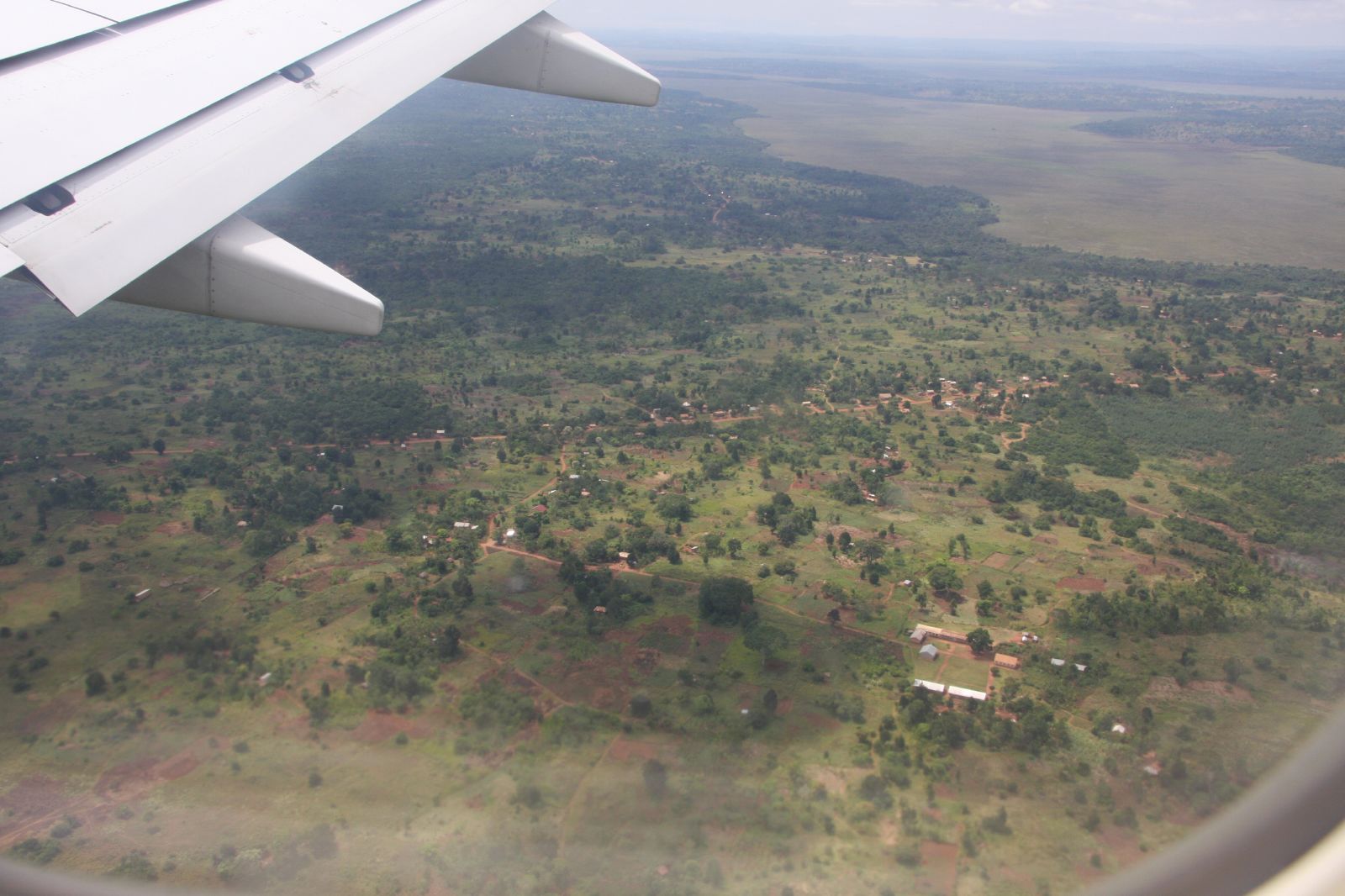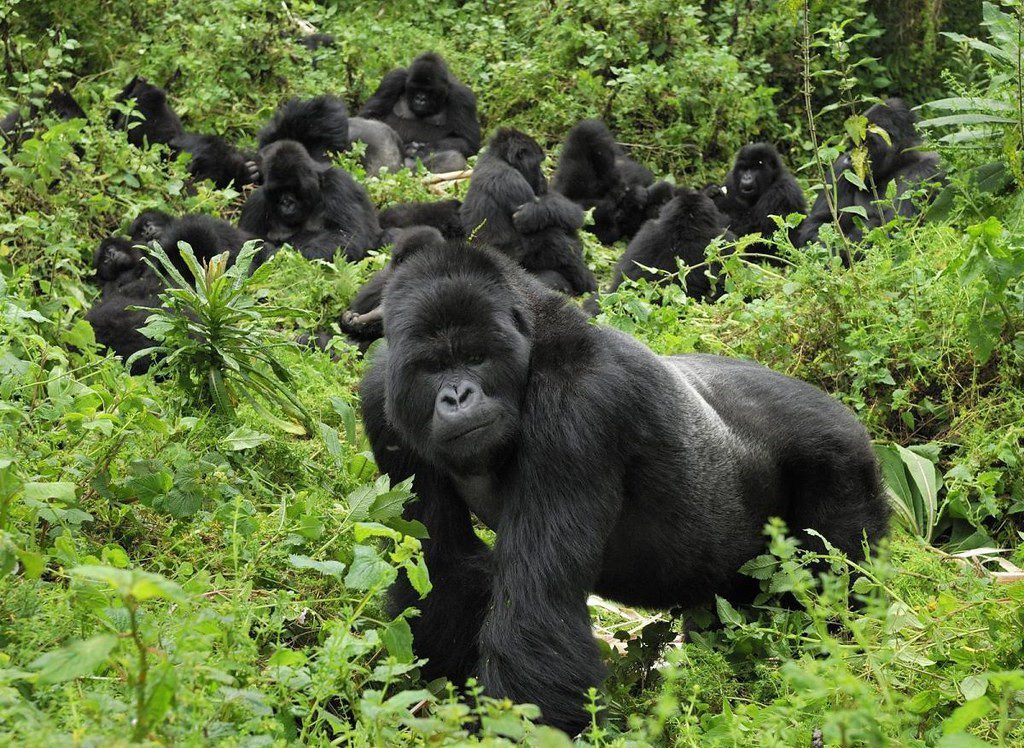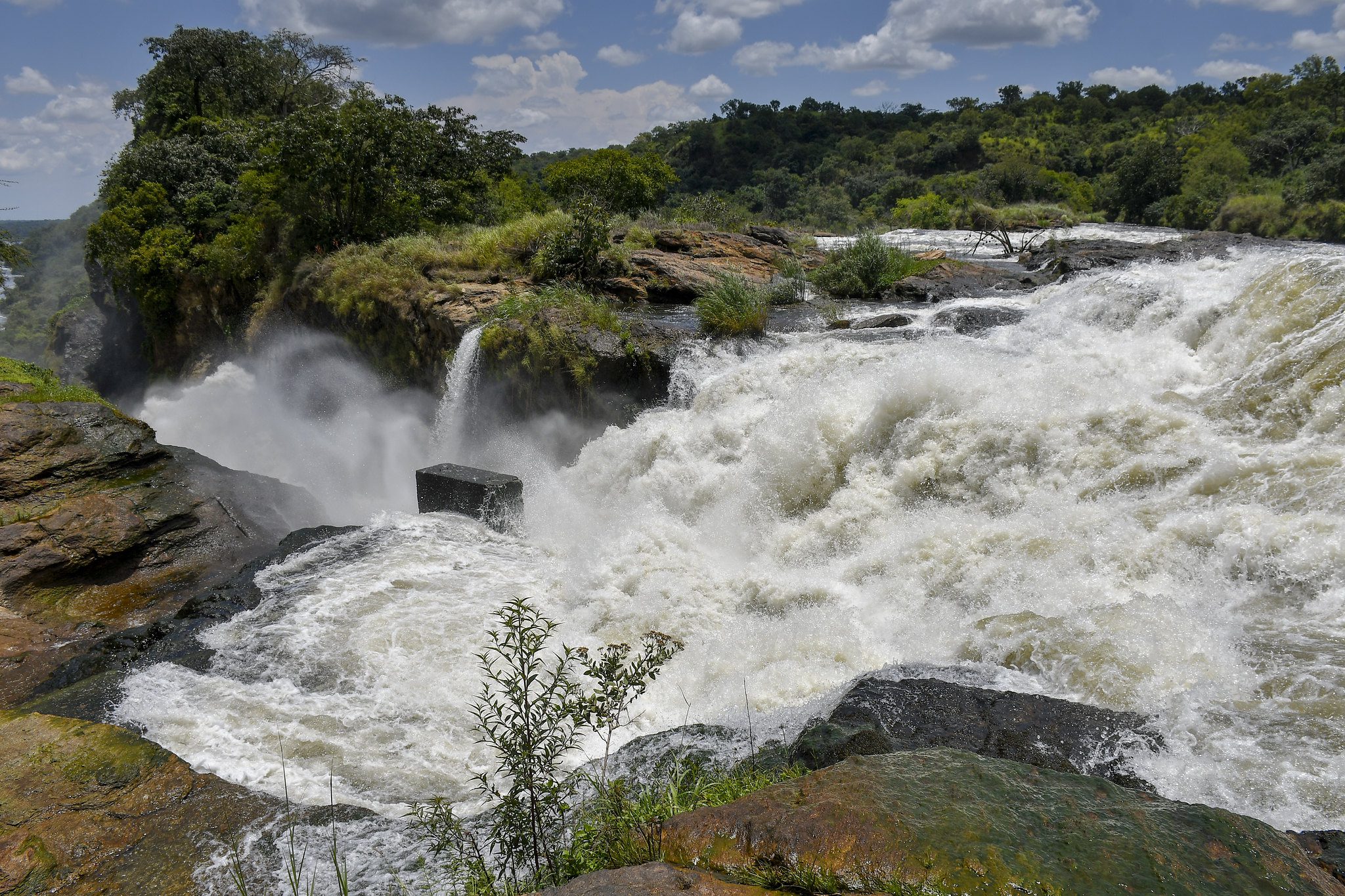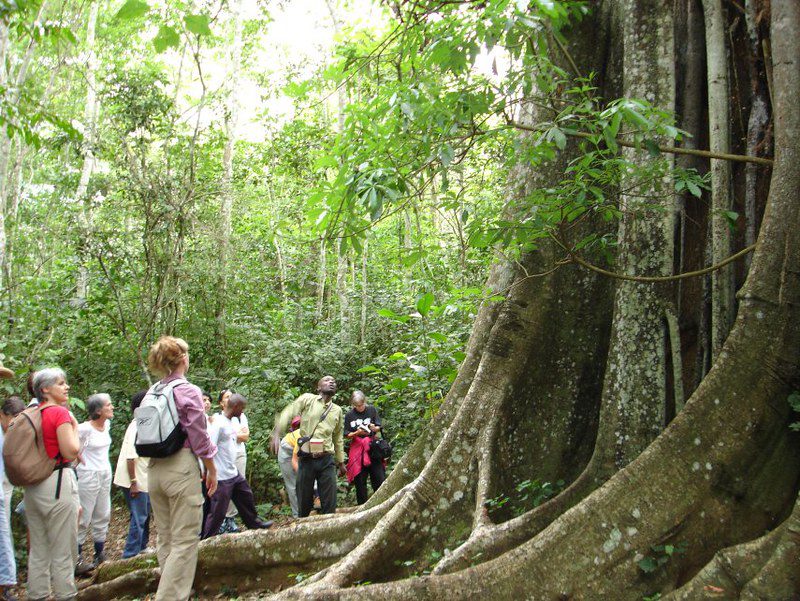
A safari to Uganda’s Mabamba Swamp, a natural wetland refuge, promises an unforgettable journey full of unusual birding and wonderful encounters with nature. However, planning for this one-of-a-kind event necessitates meticulous packing to assure your comfort, safety, and ability to completely immerse yourself in the outdoors. In this post, we’ll tell you what to bring on your Mabamba Swamp safari to ensure you’re well-prepared for the adventure ahead.
- Clothing Essentials
Uganda’s climate can vary, so it’s essential to pack clothing that suits the conditions:
- Lightweight, breathable clothing: Pack lightweight, moisture-wicking shirts, pants, and shorts to stay comfortable in the often warm and humid weather.
- Long-sleeved shirts and pants: These are crucial for protection against sunburn and insect bites.
- A lightweight, waterproof jacket: Rain showers are common, so a waterproof jacket will keep you dry while not adding unnecessary bulk to your luggage.
- Sturdy, comfortable hiking boots or walking shoes: You’ll be exploring muddy trails and uneven terrain, so proper footwear is a must.
- A wide-brimmed hat and sunglasses: These will protect you from the sun during outdoor activities.
- Birdwatching Gear
If you’re a bird enthusiast, be sure to pack the following:
- Binoculars: High-quality binoculars are a must for spotting birds, including the iconic Shoebill stork.
- Bird field guide: A field guide specific to the region’s avian species can enhance your birdwatching experience.
- Travel Documents and Essentials
- Passport and visa: Ensure your passport is valid for at least six months beyond your planned departure date, and obtain the necessary visa for entry into Uganda.
- Travel insurance: Comprehensive travel insurance that covers medical emergencies, trip cancellations, and personal belongings is highly recommended.
- Vaccination and medical records: Check with your healthcare provider for any required vaccinations or medications for Uganda. Carry your vaccination records and any necessary prescriptions.
- Insect Repellent and Sunscreen
- High-quality insect repellent: Mabamba Swamp is teeming with wildlife, including insects. A reliable insect repellent will keep those pesky bugs at bay.
- Sunscreen with high SPF: Protect your skin from the African sun by packing sunscreen and regularly applying it.
- Camera and Accessories
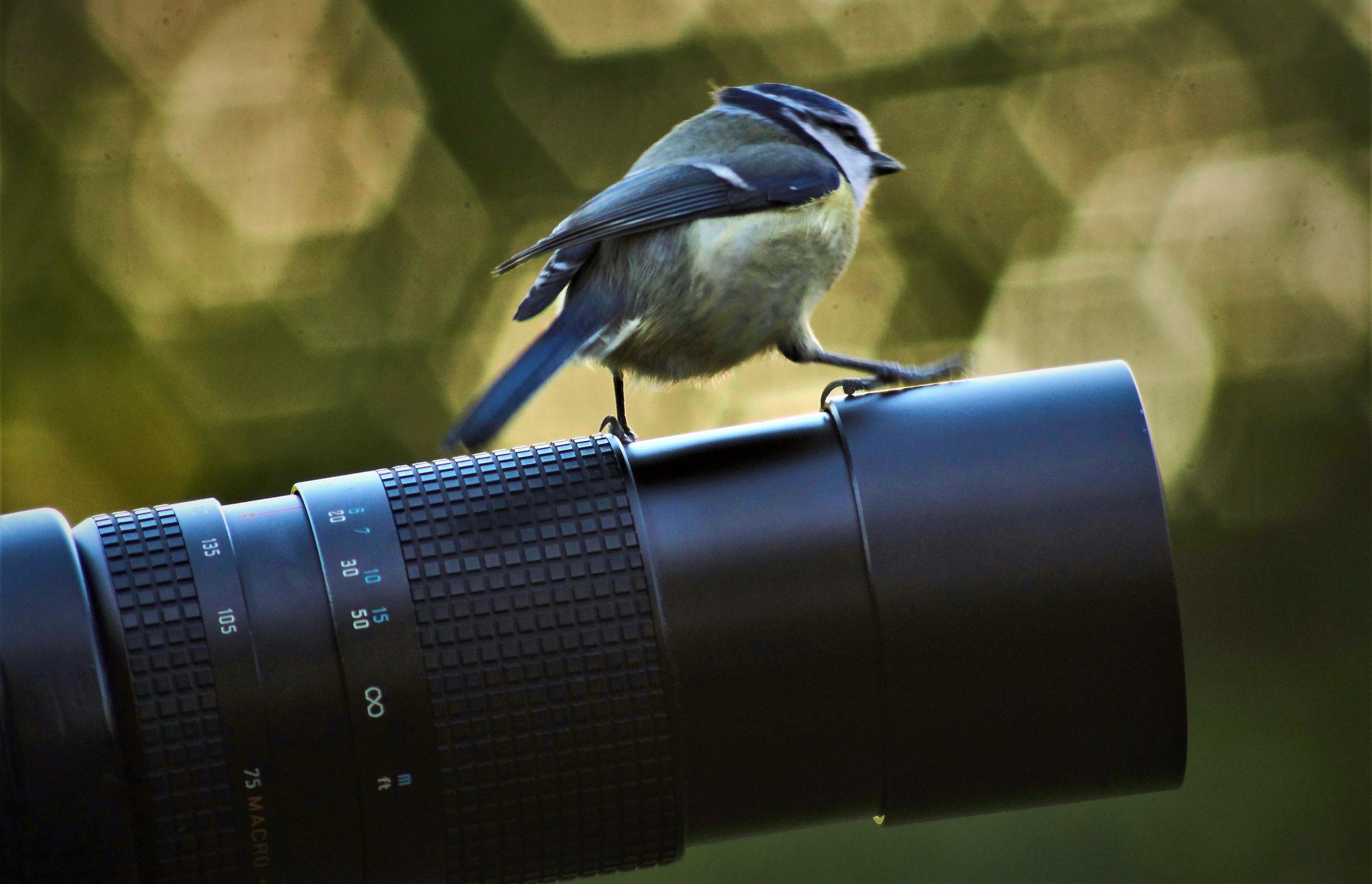
- A good quality camera with a zoom lens: Capture the breathtaking landscapes and exotic wildlife you’ll encounter.
- Spare batteries and memory cards: Ensure you have enough power and storage for all your photographic adventures.
- Medications and First Aid Kit
- Any prescription medications you need, along with a copy of your prescription.
- A basic first aid kit with essentials like band-aids, antiseptic wipes, pain relievers, and any personal medications or supplies you may require.
- Miscellaneous Items
- Water bottle and water purification tablets: Staying hydrated is crucial, so carry a refillable water bottle and purification tablets to ensure safe drinking water.
- Power bank and adapter: Electricity may be limited in some areas, so a power bank and adapter can be useful to keep your devices charged.
- Travel backpack or daypack: A small backpack is handy for carrying your essentials during daily excursions.
What Makes Mabamba Swamp Different From Other Uganda Safaris
Unlike a vehicle-based savannah game drive, exploring Mabamba Swamp happens by traditional canoe gliding quietly through papyrus channels, meaning the packing priorities shift noticeably toward birdwatching gear and protection from sun and water rather than dust and long game-drive hours. Understanding this difference ahead of time helps travelers pack appropriately rather than simply reusing a standard savannah safari list.
The Shoebill Stork: What You’re Really Here to See
Mabamba Swamp is internationally recognized as one of the most reliable places in the world to spot the prehistoric-looking Shoebill stork, a genuinely rare and striking species that draws dedicated birders from around the globe. Patience matters here, since Shoebill sightings depend on the bird’s own movements through the swamp, and a quiet, respectful approach by canoe gives the best chance of a close, extended view.
What a Typical Mabamba Canoe Excursion Involves
A standard Mabamba Swamp excursion begins with a short drive from Kampala or Entebbe to the swamp’s edge, followed by two to three hours gliding through papyrus channels in a traditional wooden canoe guided by a local boatman who knows the swamp’s bird activity intimately. Mornings generally offer the calmest water and the most active bird behavior, making an early start well worth the effort.
Other Bird Species Beyond the Shoebill
Beyond the Shoebill stork, Mabamba Swamp supports an impressive variety of species including African jacanas, malachite kingfishers, papyrus gonoleks, and numerous herons and egrets, making the excursion rewarding even on days when the Shoebill itself stays hidden. A knowledgeable guide can help identify these species as they appear, adding considerable value beyond simply paddling through the swamp.
Best Time of Day and Year to Visit Mabamba
Early morning departures, ideally starting by 7am, offer the best combination of active bird behavior and calm water conditions, while the dry seasons from June to September and December to February generally provide the most comfortable overall conditions. That said, Mabamba remains a rewarding birding destination throughout the year given its status as a permanent wetland habitat.
Combining Mabamba Swamp With Other Kampala-Area Activities
Given its proximity to Kampala and Entebbe, Mabamba Swamp works well as a half-day or full-day excursion for travelers based in either city, whether at the start or end of a wider Uganda safari. All in Africa Safaris can combine a Mabamba visit with other nearby attractions to make the most of your time near the capital.
Physical Demands of a Mabamba Excursion
Unlike gorilla trekking or mountain hiking, a Mabamba Swamp canoe excursion involves minimal physical exertion beyond sitting comfortably in the canoe for a few hours, making it an accessible activity for travelers of nearly any fitness level or age. This accessibility is one of the reasons the excursion appeals to such a broad range of visitors, from dedicated birders to families with children.
Responsible Wildlife Viewing on the Water
Maintaining a respectful distance from the Shoebill and other wildlife, avoiding loud noises, and following your boatman’s guidance on canoe positioning all help ensure your visit doesn’t disturb the very wildlife you’ve come to see. Mabamba’s wetland ecosystem depends on this kind of low-impact tourism to remain a viable habitat for its resident and migratory bird populations alike.
Photography Tips for the Swamp
A zoom lens matters considerably more at Mabamba than at a typical savannah game drive, since birds like the Shoebill are often spotted at a respectful distance across open water rather than close beside the canoe. Bracing your camera against the canoe’s edge, rather than shooting freehand on moving water, helps keep shots steady during the excursion.
What to Expect From Your Local Boatman Guide
Mabamba’s boatmen come from the local fishing community and have spent years learning the swamp’s channels and the seasonal movement patterns of its resident birds, making their guidance genuinely invaluable for spotting elusive species. Tipping your boatman at the end of the excursion is customary and directly supports the community whose local knowledge makes the visit so rewarding.
Why Mabamba Matters for Wetland Conservation
Mabamba Swamp is a designated Ramsar wetland site of international importance, recognized specifically for its role in supporting the Shoebill stork and broader wetland biodiversity along Lake Victoria’s shoreline. Responsible tourism revenue from birding excursions provides local communities a direct economic incentive to protect the wetland rather than convert it to other land uses.
Packing a Lightweight Rain Cover for Gear
Given the open canoe setup and Uganda’s occasional sudden rain showers, a simple waterproof cover or dry bag for cameras and binoculars is worth adding to your packing list beyond the general essentials already covered. This small addition can prevent an unexpected shower from cutting your birding excursion short or damaging valuable equipment.
Traveling to Mabamba With Children or Non-Birders
Even travelers without a dedicated interest in birdwatching often find the canoe glide through Mabamba’s papyrus channels genuinely relaxing and visually striking, making it a worthwhile addition to a family itinerary rather than something reserved only for committed birders. The low physical demands and short excursion length also make it comfortably manageable for children and older travelers alike.
Final Packing Reminder
Reviewing this packing list a day or two before departure, rather than the morning of, gives you time to track down anything missing, particularly items like insect repellent or a rain cover that are easy to overlook but genuinely improve comfort during the excursion. A well-packed Mabamba trip lets you focus entirely on the birds rather than any avoidable discomfort.
How Mabamba Fits Into a Broader Uganda Birding Trip
Dedicated birders often pair a Mabamba Swamp excursion with other strong Uganda birding sites such as Mabira Forest, building an itinerary that spans wetland and forest bird habitats in a single trip. All in Africa Safaris can sequence these birding stops alongside your wider wildlife safari itinerary.
Booking Your Mabamba Swamp Excursion
Whether as a standalone half-day trip or part of a longer Uganda birding itinerary, a Mabamba Swamp excursion rewards a small amount of advance planning with one of East Africa’s most distinctive wildlife encounters. All in Africa Safaris can arrange your canoe excursion, guide, and transport as part of a fully organized Uganda trip.