
Mana Pools: Zimbabwe’s Wild Canoe Safari Destination
At Mana Pools, elephants have learned to rear up on their hind legs, reaching several metres into the canopy to feed on albida seedpods, a genuinely remarkable sight local wildlife has grown accustomed enough to human presence to perform just metres from watching visitors. Mana Pools National Park, a UNESCO World Heritage Site along Zimbabwe’s stretch of the Zambezi River, remains one of Africa’s last truly wild, unfenced wilderness areas, explored on foot and by canoe rather than from behind a vehicle window.
Key Highlights
- Mana Pools National Park is a UNESCO World Heritage Site along the Zambezi River in northern Zimbabwe
- The park is internationally famous for both canoe safaris and walking safaris, offering genuinely intimate wildlife encounters
- Mana Pools’ elephants are known for standing on their hind legs to reach albida seedpods, a distinctive learned behaviour
- The park permits self-guided walking for sufficiently experienced visitors, a rarity among major African parks
- Multi-day canoe trails let visitors paddle past hippos and camp on remote Zambezi sandbanks and islands
- Resident wildlife includes lion, leopard, African wild dog and substantial elephant populations
A Genuinely Wild, Unfenced Wilderness
Mana Pools stands apart from many of Africa’s more developed safari destinations by remaining a genuinely wild, largely unfenced wilderness area, wildlife moves freely across the landscape without the kind of boundary infrastructure common at more managed parks elsewhere. This wildness is precisely what draws experienced safari travellers specifically to Mana Pools, an opportunity to experience Africa’s wilderness in a form considerably closer to its unmanaged, historical state than most contemporary safari destinations now offer.
UNESCO Recognition for a Singular Ecosystem
Mana Pools’ UNESCO World Heritage Site designation recognises the genuine ecological significance of this Zambezi River floodplain ecosystem, a combination of river channels, seasonal pools and riverine woodland supporting exceptional wildlife density and diversity across a relatively compact, well-preserved stretch of northern Zimbabwe.
Canoe Safaris: Paddling Among Hippos and Elephants
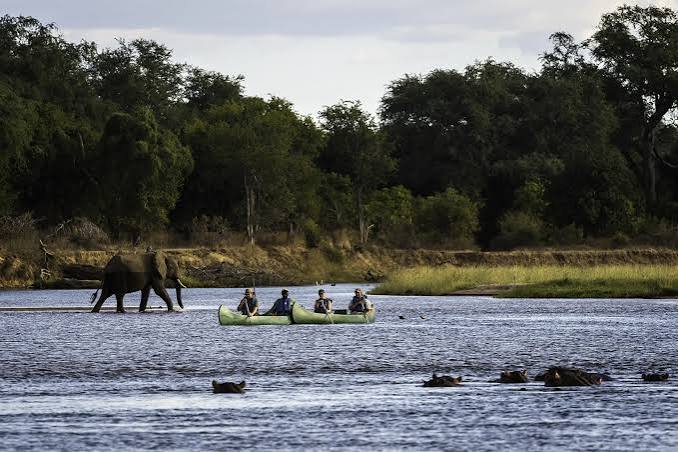
Mana Pools’ multi-day canoe trails let visitors paddle downstream along the park’s Zambezi River boundary, camping on remote sandbanks and islands while elephants wade through adjacent channels and hippos surface nearby, a genuinely immersive way to experience the river ecosystem that no vehicle-based safari could replicate. This close, water-level proximity to wildlife delivers a fundamentally different perspective than standard game viewing, the river itself becoming the primary vantage point rather than simply a backdrop glimpsed from shore.
What a Multi-Day Canoe Trip Involves
A typical Mana Pools canoe safari combines genuine paddling time with riverside camping, experienced guides managing both the navigation and the genuine safety considerations of camping in an unfenced wilderness area shared with the same wildlife visitors have come specifically to encounter.
Walking Safaris: Including Self-Guided Access
Mana Pools is internationally celebrated for its walking safaris, and remarkably permits self-guided walking for sufficiently experienced visitors, a genuine rarity among major African parks where guided walks with armed rangers remain the universal standard elsewhere. This self-guided option reflects Mana Pools’ broader wilderness character, trusting experienced visitors with a level of independence rarely extended at more conventionally managed destinations.
A Policy Requiring Genuine Experience and Caution
Self-guided walking at Mana Pools is specifically intended for genuinely experienced bush walkers who understand wildlife behaviour and risk assessment, not a casual option for first-time safari visitors; most travellers, regardless of prior experience, are well served choosing a guided walk given the genuine stakes involved in unfenced wilderness walking among potentially dangerous wildlife.
Elephants Standing on Hind Legs
Mana Pools’ elephants have developed a genuinely distinctive, learned behaviour, rearing up on their hind legs to reach several metres into the canopy for albida seedpods, a sight witnessed with particular reliability here given how habituated the local elephant population has become to human presence at safe, respectful distance. This behaviour has made Mana Pools a particular draw for wildlife photographers specifically seeking this unusual, visually striking elephant posture, rarely documented with comparable frequency anywhere else in Africa.
Other Wildlife at Mana Pools
Beyond its famous elephants, Mana Pools supports strong populations of lion, leopard and African wild dog, one of Africa’s most endangered large carnivores, alongside substantial buffalo and plains game populations drawn to the Zambezi floodplain’s reliable water and grazing. This wildlife diversity gives Mana Pools genuine Big Five and predator-viewing substance well beyond its specific elephant and river-based attractions.
Planning Your Visit
Getting There
Mana Pools’ remote northern Zimbabwe location typically requires a domestic flight connection from Harare or Victoria Falls, reflecting the park’s genuinely wilderness character and the logistical effort required to reach it compared to more accessible destinations.
Best Time to Visit
Zimbabwe’s dry season, roughly July through October, offers Mana Pools’ strongest wildlife concentration, as the floodplain’s remaining water sources draw animals reliably into view for both canoe and walking safari activities.
What “Mana” Actually Means
The park takes its name from the Shona word “mana,” meaning four, a reference to the four permanent pools formed along this stretch of the Zambezi floodplain as the river’s main channel shifted course over time, leaving these pools as the area’s enduring, reliable water features. These four pools, along with the broader floodplain they anchor, form the ecological heart of the park, drawing the wildlife concentrations that have made Mana Pools internationally famous for both canoe-based and walking wildlife encounters.
A Landscape Shaped by a Shifting River
Understanding this geological origin, a river channel that moved and left these pools behind, adds genuine context to Mana Pools’ distinctive floodplain terrain, a landscape still actively shaped by the Zambezi’s seasonal flooding and channel dynamics rather than a fixed, unchanging geography.
Camp Styles at Mana Pools
Accommodation at Mana Pools ranges from simple, genuinely rustic bush camps reflecting the park’s wilderness character to more established tented camps offering greater comfort without sacrificing proximity to the park’s core wildlife areas. Given Mana Pools’ remote, unfenced setting, even the more comfortable camps maintain a meaningfully different atmosphere than standard safari lodges elsewhere, genuine wilderness immersion remaining central to the experience regardless of specific comfort level chosen.
Choosing Between Canoe-Based and Land-Based Camps
Some operators run dedicated mobile canoe safaris with riverside camping each night, while others operate from a fixed land-based camp offering both walking safaris and day-trip canoe excursions, a distinction worth discussing with your operator depending on whether a continuous multi-day river journey or a single fixed base better suits your travel style.
Safety Considerations in an Unfenced Park
Mana Pools’ unfenced, genuinely wild character means standard safety protocols carry real weight here, staying close to your guide during walks, respecting wildlife distance even at Mana Pools’ notably habituated elephants, and following camp safety guidance around nighttime wildlife movement all matter considerably more than at more conventionally managed parks with fenced boundaries. Visitors should approach Mana Pools with genuine respect for its wilderness status, understanding that the very qualities making it so rewarding, proximity, authenticity, minimal infrastructure, also demand correspondingly greater personal responsibility and guide compliance.
Why Experienced Guides Matter So Much Here
Given the park’s unfenced nature and the genuine proximity walking and canoe safaris bring to potentially dangerous wildlife, choosing an operator with genuinely experienced, Mana Pools-specific guiding expertise matters more here than at almost any other major African safari destination.
Photography at Mana Pools
Mana Pools ranks among Africa’s most celebrated wildlife photography destinations, specifically because its ground-level, often eye-level proximity to wildlife during walking and canoe safaris delivers compositional opportunities simply unavailable from a standard elevated safari vehicle. The famous hind-leg-standing elephants, combined with the Zambezi’s striking riverine light and the park’s genuinely close wildlife encounters, have made Mana Pools a recurring subject in major international wildlife photography competitions and publications.
Why Ground-Level Access Changes Everything
Photographing wildlife from the same eye level rather than looking down from a vehicle fundamentally changes the resulting images, a genuinely more intimate, dramatic perspective that experienced wildlife photographers specifically travel to Mana Pools to capture, impossible to replicate through standard vehicle-based photography elsewhere.
Who Mana Pools Genuinely Suits
Mana Pools rewards travellers who’ve already experienced a more conventional African safari and are specifically seeking something genuinely wilder, more immersive and less vehicle-centred, rather than those on a first safari hoping for the most predictable, structured wildlife-viewing experience. For experienced safari travellers and dedicated wildlife photographers specifically, few African destinations deliver quite this combination of genuine wilderness authenticity and consistently exceptional wildlife encounters.
Frequently Asked Questions
Is self-guided walking at Mana Pools safe for first-time safari visitors?
Generally no; most visitors, regardless of prior experience, are better served by a guided walk given the genuine risks of unfenced wilderness walking among potentially dangerous wildlife.
How long do canoe safaris at Mana Pools typically run?
Multi-day trips are common, combining paddling with riverside camping across several days along the Zambezi.
Will I definitely see elephants standing on their hind legs?
Sightings are genuinely reliable given the habituated local population, though no specific wildlife behaviour is ever fully guaranteed on any given visit.
Is Mana Pools suitable for a first African safari?
It suits travellers specifically seeking a genuinely wild, less conventional safari experience; first-timers wanting more structured, vehicle-based game viewing may prefer a more developed park initially.
How do I get to Mana Pools?
Most visitors arrive via domestic flight from Harare or Victoria Falls, given the park’s remote location.
Recommended Safaris
Mana Pools offers one of Africa’s most genuinely wild and intimate safari experiences. Ready to canoe and walk among Zimbabwe’s unfenced wilderness? Reach our team through our Book Now page and we’ll plan it around your dates.

No comment