
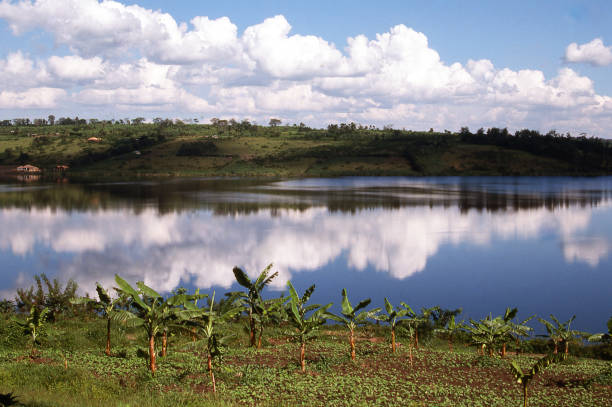
Lake Nabugabo Near Masaka
Lake Nabugabo Near Masaka: Swimming, Birding and Weekend Stays
Lake Nabugabo near Masaka is one of Uganda’s most attractive destinations for peaceful weekend holidays, birdwatching, beach relaxation and nature experiences. Located in southern Uganda, approximately 20 kilometres from Masaka City, this beautiful freshwater lake is surrounded by sandy shores, papyrus wetlands, forest patches and small fishing communities.
Unlike the larger Lake Victoria, Lake Nabugabo offers a quieter environment where travellers can relax beside the water, observe colourful birds, enjoy guided nature walks and stay in lakeside cottages or camping facilities. The lake is also famous for its unusual ecological history, having become separated from Lake Victoria thousands of years ago.
For families, couples, birdwatchers and travellers exploring western Uganda, Lake Nabugabo provides an accessible escape from busy urban environments. Its combination of natural scenery, outdoor activities and simple accommodation makes it particularly suitable for short holidays from Kampala or Masaka.
Where Is Lake Nabugabo Located?
Lake Nabugabo is located in Masaka District, southwestern Uganda, approximately 20 kilometres east of Masaka City.
It lies close to Lake Victoria but is separated from the larger lake by a broad sand barrier.
Travellers commonly reach the area through the Masaka–Bukakata road before continuing towards the lakeshore.
The final approach may include unpaved sections, which can become muddy during heavy rainfall.
Quick Facts About Lake Nabugabo
| Feature | Description |
|---|---|
| Country | Uganda |
| District | Masaka |
| Nearest city | Masaka |
| Distance from Kampala | Approximately 140–160 km, depending on route |
| Main attraction | Freshwater lake and sandy beaches |
| Important habitat | Papyrus wetlands and forest patches |
| Conservation recognition | Ramsar wetland site |
| Popular activities | Birdwatching, beach relaxation and boat trips |
| Accommodation | Cottages, campsites and lakeside resorts |
| Recommended visit | One to three days |
1. Why Lake Nabugabo Is Different From Lake Victoria
Lake Nabugabo was once connected to Lake Victoria.
Over thousands of years, geological and environmental processes contributed to the formation of a sand barrier separating the two water bodies.
This isolation created distinctive freshwater habitats.
The lake is relatively shallow and is surrounded by wetlands, forest vegetation and sandy areas.
Its water can appear brownish because of natural organic material originating from surrounding vegetation.
This colour does not automatically indicate pollution.
However, visitors should never assume that natural-looking water is free from health risks.
2. Swimming at Lake Nabugabo
Swimming is one of the activities commonly associated with Lake Nabugabo.
Several beach facilities provide access to sandy shorelines where visitors traditionally swim and relax.
The lake has long had a reputation for a lower risk of bilharzia than some other Ugandan freshwater bodies.
However, it should not be described as guaranteed bilharzia-free or completely safe for swimming.
Schistosomiasis, also called bilharzia, can be transmitted through freshwater containing infected snails.
Health authorities advise travellers to avoid swimming or wading in untreated freshwater where the disease may occur.
Swimming Safety Advice
Visitors considering water activities should:
Ask local health authorities about current water-related risks.
Avoid swimming after heavy rain or in areas with poor visibility.
Never swim alone.
Keep children under close supervision near the water.
Avoid entering water beside dense reeds or unknown underwater obstacles.
Use life jackets during boating activities.
Seek medical advice following possible freshwater exposure.
The safer choice for travellers concerned about bilharzia is to enjoy the beach without entering untreated lake water, or use a properly maintained swimming pool where available.
3. Relaxing on Lake Nabugabo’s Sandy Beaches
One of the lake’s main attractions is its peaceful shoreline.
Sandy sections provide space for walking, sitting beside the water and enjoying the surrounding landscape.
Visitors may spend the afternoon reading, photographing the scenery or sharing a meal at a lakeside property.
Unlike Uganda’s busiest urban recreation areas, some sections of Nabugabo remain relatively quiet.
However, weekends and public holidays can attract larger groups, particularly from Kampala and Masaka.
Travellers seeking a peaceful atmosphere may prefer weekdays or less busy holiday periods.
4. Birdwatching Around Lake Nabugabo
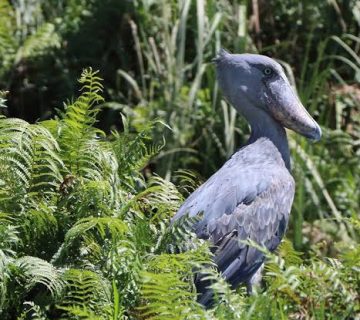
Lake Nabugabo is an important destination for birdwatchers because of its varied wetland habitats.
The wider Lake Nabugabo Wetland System is internationally recognised under the Ramsar Convention.
Its habitats include papyrus swamps, grasslands, forest patches and open water.
These support numerous resident and migratory bird species.
Historical wetland surveys have recorded more than 280 bird species across the wider system.
Birds to Look For
African Fish Eagle: Frequently associated with suitable freshwater habitats, where it hunts fish and rests in prominent trees.
Papyrus Gonolek: A colourful wetland specialist that may be encountered in suitable dense papyrus habitats.
White-winged Tern: A migratory bird associated with freshwater habitats and seasonal feeding opportunities.
Kingfishers: Several species use suitable shoreline and wetland environments.
Herons and Egrets: These birds search shallow areas for fish and other aquatic prey.
Weavers: Different species may occur around grasslands, gardens and wetland vegetation.
The presence of particular birds varies according to season and habitat conditions.
5. Why Lake Nabugabo Is Important for Migratory Birds
The Nabugabo wetland system provides habitat for birds moving between different parts of Africa and beyond.
The area has been recognised for its importance to species such as the Blue Swallow and White-winged Tern.
These birds depend on suitable feeding habitats during different stages of their annual movements.
Best Time for Birdwatching
Early morning is generally favourable because many birds are active before temperatures rise.
Late afternoon can also provide rewarding sightings.
Migratory bird activity changes seasonally, so visitors interested in specific species should plan with knowledgeable local bird guides.
Binoculars are particularly useful around papyrus habitats where birds may remain partly concealed.
6. Guided Nature Walks Around the Lake
Nature walks provide opportunities to explore the vegetation surrounding Lake Nabugabo.
Some areas contain forest patches, grassland and wetland edges supporting birds, butterflies and smaller animals.
A local guide can explain the surrounding habitats and identify wildlife calls.
What to Expect
Walks may include sandy paths, vegetation edges and areas overlooking the water.
The difficulty depends on the selected route.
Visitors should wear comfortable walking shoes and carry drinking water.
Avoid entering protected wetland vegetation without permission.
Guided walks are particularly suitable for travellers interested in photography, plants and birdwatching.
7. Canoeing and Boat Experiences
Boat excursions offer another way to appreciate Lake Nabugabo’s scenery.
Depending on the operator and available equipment, visitors may arrange short boat rides or canoeing activities.
From the water, travellers can observe sections of shoreline vegetation and surrounding landscapes.
Birdwatchers may also enjoy seeing water-associated species from an appropriate distance.
Boat Safety
Choose an experienced operator with properly maintained equipment.
Every passenger should wear a suitable life jacket.
Avoid travelling during thunderstorms or strong winds.
Never overcrowd small boats.
Children should remain under adult supervision.
Boat availability and operating arrangements should be confirmed before visiting.
8. Fishing Communities Around Lake Nabugabo
Fishing has long been an important activity for communities living around the lake.
Traditional fishing practices and local markets form part of the area’s cultural landscape.
Travellers may observe fishermen preparing equipment or returning with their catches.
However, visitors should respect private property and working fishing areas.
Community Experiences
A guided community visit may introduce travellers to local livelihoods, food preparation and small businesses.
Purchasing meals or locally produced goods can support residents.
Visitors should request permission before photographing people, boats or private homes.
9. Weekend Accommodation at Lake Nabugabo
Accommodation around Lake Nabugabo ranges from simple camping facilities to cottages and modest lakeside resorts.
Visitors can choose according to their budget and preferred level of comfort.
Some properties provide private rooms, restaurant services and outdoor recreation areas.
Others focus on camping and basic facilities.
Accommodation Options
| Accommodation type | Suitable travellers | Typical experience |
|---|---|---|
| Lakeside cottages | Couples and families | Private rooms near the shoreline |
| Budget guest accommodation | Cost-conscious travellers | Simple facilities and convenient access |
| Campsites | Outdoor enthusiasts | Tents and shared amenities |
| Small resorts | Weekend visitors | Meals, recreation areas and lakeside views |
Prices and availability vary, especially during weekends and public holidays.
Travellers should confirm current rates, bathroom facilities, electricity and meal arrangements before booking.
10. Is Lake Nabugabo Good for Family Holidays?
Lake Nabugabo can be a pleasant destination for families seeking outdoor relaxation.
Children may enjoy sandy beach areas, nature observation and supervised recreational activities.
However, lakeside environments require careful supervision.
Young children should never be left unattended near the water.
Families should select accommodation with suitable facilities and clear safety procedures.
Where available, a properly maintained swimming pool can be a preferable option to swimming directly in the lake.
11. A Two-Day Lake Nabugabo Weekend Itinerary
Day One: Travel and Lakeside Relaxation
Depart Kampala or Masaka in the morning.
Travel towards Lake Nabugabo and check into your selected accommodation.
Spend the afternoon enjoying the shoreline, photographing the scenery or arranging a guided walk.
Enjoy dinner at your lakeside property.
Day Two: Birdwatching and Departure
Begin with an early morning birdwatching walk.
Look for kingfishers, herons, weavers and other birds around suitable habitats.
After breakfast, enjoy time relaxing near the water.
Return to Masaka or Kampala later in the day.
Travellers with additional time can extend their stay to include community activities and longer nature excursions.
12. Best Time to Visit Lake Nabugabo
Lake Nabugabo can be visited throughout the year.
However, relatively drier periods are often more convenient for road travel and outdoor activities.
June to August and December to February are commonly favourable months.
Rainfall may occur at any time, and wet conditions can affect unpaved roads.
Seasonal Travel Guide
During drier months, outdoor walks and road transfers may be easier.
During rainy periods, the surrounding vegetation becomes particularly green, creating attractive photography conditions.
Birdwatching remains possible throughout the year.
Visitors should check weather conditions before planning boating activities.
13. How to Reach Lake Nabugabo
Travellers usually reach Lake Nabugabo by road from Kampala or Masaka.
From Kampala, the journey generally follows the Kampala–Masaka highway before branching towards the lake.
Travel time depends on traffic, road conditions and the exact accommodation location.
From Masaka, the drive is considerably shorter.
A private vehicle or arranged transfer is usually more convenient than relying entirely on public transport.
Travellers should ask their accommodation provider for the correct final access route, particularly during rainy periods.
14. Photography Opportunities at Lake Nabugabo
Lake Nabugabo offers opportunities for landscape, bird and community photography.
Early morning light can produce attractive reflections across the water.
Papyrus vegetation creates interesting natural backgrounds.
A telephoto lens of approximately 100–400 mm is useful for photographing birds from a respectful distance.
A wider lens works well for beach scenery and landscape photographs.
Avoid disturbing nesting birds or entering fragile wetland habitats to obtain closer images.
15. Conservation Challenges Facing Lake Nabugabo
The Lake Nabugabo Wetland System contains important habitats supporting fish, birds, plants and other organisms.
However, wetlands can face pressure from agricultural expansion, pollution, vegetation clearance and poorly planned development.
Protecting these habitats is important for maintaining water quality and biodiversity.
How Visitors Can Help
Responsible travellers should avoid littering and use designated recreation areas.
Do not remove plants or disturb wildlife.
Choose accommodation providers that manage waste responsibly.
Support local guides and community businesses.
These actions help maintain the lake’s environmental and tourism value.
Why Lake Nabugabo Is Worth Visiting
Lake Nabugabo offers an attractive combination of freshwater scenery, birdwatching, weekend accommodation and community experiences near Masaka.
Its sandy shores and peaceful landscapes provide an enjoyable setting for short holidays.
The surrounding wetlands also support valuable biodiversity, including resident and migratory birds.
Although the lake is commonly associated with swimming, visitors should understand the potential health risks of untreated freshwater before entering the water.
For travellers planning a short Uganda holiday, Lake Nabugabo provides a convenient opportunity to relax, explore wetland habitats and experience a different side of the country’s natural attractions.




No comment