
Lake Bogoria: Geysers, Hot Springs and Rift Valley Views
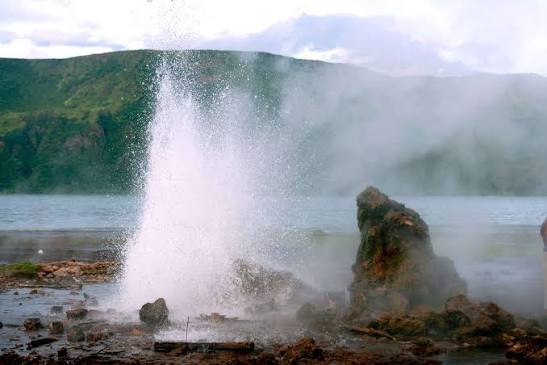
Along the western shore of this Rift Valley lake, geothermal pools erupt up to five metres into the air, and more than 200 hot springs line the surrounding landscape, making Lake Bogoria home to the highest concentration of true geysers found anywhere in Africa. Combined with flamingo gatherings that can number in the hundreds of thousands, Bogoria offers one of Kenya’s most dramatic single-lake experiences.
Key Highlights
- Lake Bogoria sits in Baringo County, in the central-northern section of Kenya’s Great Rift Valley
- Around 200 hot springs ring the lake, with water temperatures ranging from 39 to 98.5 degrees Celsius
- At least 18 true geysers erupt along the western shore, the highest concentration anywhere in Africa
- Flamingo numbers at Bogoria can swell into the hundreds of thousands when conditions shift at other Rift Valley lakes
- The lake’s alkaline water produces spirulina blue-green algae, the flamingos’ primary food source
- Resident wildlife includes buffalo, zebra, caracal, spotted hyena and the endemic greater kudu population
Africa’s Highest Concentration of True Geysers
Lake Bogoria’s defining feature is genuinely rare on a continental scale: at least 18 true geysers erupting along the lake’s western shore, giving Bogoria the highest concentration of true geysers found anywhere in Africa. Surrounding these geysers, roughly 200 additional hot springs ring the lake, with water temperatures ranging from a warm 39 degrees Celsius up to a genuinely scalding 98.5 degrees, a striking geothermal landscape directly tied to the same East African Rift System volcanic activity responsible for similar features found elsewhere along the Rift.
Watching the Geysers Erupt
Some of Bogoria’s geothermal pools erupt to heights of up to five metres, a genuinely dramatic sight that draws visitors specifically to witness this geyser activity up close, walking along designated paths close enough to feel the heat and hear the distinctive bubbling, hissing sounds of active geothermal venting.
A Flamingo Spectacle Driven by Chemistry
Lake Bogoria’s highly alkaline water chemistry produces substantial quantities of spirulina, a blue-green algae that forms the primary food source for the flamingos that gather here in genuinely staggering numbers. When conditions fluctuate at other Rift Valley lakes, water levels shifting, algae blooms varying, flamingos often concentrate specifically at Bogoria, with numbers occasionally swelling into the hundreds of thousands, one of the most visually overwhelming wildlife spectacles found anywhere in East Africa.
Why Flamingo Numbers Shift Between Lakes
Flamingos move fluidly between several of the Rift Valley’s alkaline lakes depending on which specific location currently offers the best feeding conditions, meaning Bogoria’s flamingo population can vary considerably between visits; checking recent conditions with a local guide before travelling specifically for the flamingo spectacle improves your odds of a genuinely spectacular sighting.
Beyond Geysers and Flamingos: Other Wildlife
Lake Bogoria National Reserve supports a genuinely varied resident wildlife community beyond its headline geothermal and flamingo attractions, buffalo, zebra, baboon, warthog, caracal, spotted hyena, impala and dik-dik all found across the reserve’s surrounding terrain. The reserve also holds particular significance for greater kudu, a striking spiral-horned antelope species found here in numbers considerably higher than at many other Kenya destinations.
A Reserve Combining Multiple Distinct Attractions
Few Kenya destinations combine quite this range of distinct draws within a single compact reserve, active geothermal features, a major flamingo spectacle, and genuine general wildlife viewing, giving Bogoria real standalone appeal beyond simply functioning as one stop on a wider Rift Valley circuit.
How Bogoria Compares to a Standard Rift Valley Itinerary Stop
Many travellers encounter Lake Bogoria only briefly, as a single day within a longer Rift Valley lakes circuit covering Naivasha, Nakuru, Bogoria and Baringo in sequence. Our piece on Kenya’s Rift Valley Lakes birding road trip covers that broader multi-lake itinerary in depth. This piece focuses specifically on what makes Bogoria itself worth a more deliberate, unhurried visit, time spent properly exploring the geyser fields and allowing the flamingo spectacle, when conditions align, to unfold at its own pace rather than rushing through on a single-day stop.
Why a Dedicated Stop Rewards the Extra Time
Properly exploring Bogoria’s geyser fields and giving the flamingo spectacle time to reveal itself fully takes meaningfully longer than a single rushed stop within a packed multi-lake itinerary allows, making a dedicated overnight stay genuinely worthwhile for travellers specifically drawn to this lake’s distinctive geothermal and birding attractions.
Planning Your Visit
Getting There
Lake Bogoria is reachable by road from Nairobi, typically as part of a broader Rift Valley circuit, with the journey itself passing through genuinely scenic Rift Valley terrain worth appreciating alongside the destination itself.
Safety Around the Geothermal Features
Given the genuinely high temperatures involved, up to 98.5 degrees Celsius at some springs, visitors should always stay on designated paths and follow guide instructions closely around the geyser fields, treating the geothermal features with the same respect due any genuinely hazardous natural phenomenon.
The Geology Behind Bogoria’s Geothermal Activity
Lake Bogoria’s remarkable concentration of geysers and hot springs stems directly from its position within the East African Rift System’s volcanically active central-northern Kenyan section, where tectonic plate movement has thinned the Earth’s crust enough to allow superheated groundwater to reach the surface with genuine force. This same broader geological process, responsible for volcanic features across much of the Rift Valley, happens to express itself with particular intensity around Bogoria, producing the specific combination of geyser density and water temperature range that distinguishes this lake from its Rift Valley neighbours.
A Landscape Still Actively Shaped by Geology
Unlike many of Kenya’s more geologically dormant landscapes, Bogoria’s hot springs and geysers represent genuinely ongoing geological activity, a landscape still actively being shaped by the same tectonic forces that created the broader Rift Valley millions of years ago, continuing to express themselves visibly today.
Birdlife Beyond the Flamingos
While flamingos understandably draw the most attention, Lake Bogoria’s alkaline shoreline and surrounding terrain support a genuinely broader bird community, various waterbird species adapted to the lake’s distinctive chemistry alongside raptors and terrestrial species found in the surrounding reserve habitat. Dedicated birders visiting specifically for the flamingo spectacle often find the reserve’s wider bird diversity a genuinely worthwhile bonus beyond the headline attraction.
A Reserve Worth a Full Day for Birders
Travellers with a serious interest in East African birding should budget a full day at Bogoria rather than a brief stop, giving enough time to explore beyond the immediate flamingo viewing areas into the reserve’s broader habitat diversity.
Photography at Lake Bogoria
The combination of erupting geysers, steam rising against the Rift Valley’s dramatic escarpment backdrop, and potentially hundreds of thousands of flamingos makes Bogoria a genuinely exceptional photography destination, rewarding visitors willing to spend proper time working the geyser fields and shoreline rather than rushing through on a brief stop. Early morning light, combined with cooler air that makes geothermal steam more visually dramatic, generally offers the strongest photography conditions for both the geysers and any flamingo activity present during your visit.
Capturing the Scale of a Flamingo Gathering
When flamingo numbers do concentrate at Bogoria in significant force, capturing the genuine scale of the spectacle, hundreds of thousands of birds stretching across the shoreline, often rewards a wider-angle approach over tight individual bird photography, a genuinely different photographic challenge than most standalone wildlife photography opportunities present.
Where to Stay Near Lake Bogoria
Accommodation options directly around Lake Bogoria remain fairly modest, reflecting the reserve’s status as a somewhat less developed stop compared to Kenya’s larger, more established safari destinations, though a handful of lodges and camps serve visitors wanting to properly explore the area rather than passing through on a single-day itinerary. Nearby Lake Baringo, a short distance further north, offers a somewhat wider range of accommodation options for travellers combining both lakes within a single regional stay.
Best Time of Year to Visit
Lake Bogoria’s geothermal features remain active year-round regardless of season, making the geysers themselves a reliable draw at any time of year, while flamingo numbers fluctuate more with broader Rift Valley lake conditions than with a predictable fixed calendar. Checking current flamingo reports with a local operator closer to your travel dates offers a more reliable guide to timing a visit around the bird spectacle than relying on a general seasonal rule alone.
Frequently Asked Questions
Are the flamingos guaranteed to be at Lake Bogoria when I visit?
No, flamingo numbers shift between Rift Valley lakes depending on conditions; checking recent reports before travelling specifically for the spectacle improves your odds.
Is it safe to walk near the geysers?
Yes, when staying on designated paths and following guide instructions, given the genuinely high water temperatures involved at some springs.
How does Lake Bogoria differ from Lake Nakuru nearby?
Bogoria is specifically known for its geothermal geyser activity alongside its flamingo population, while Nakuru is better known for its broader wildlife density including rhino populations.
Can I combine Lake Bogoria with other Rift Valley lakes in one trip?
Yes, it’s commonly included in multi-lake itineraries alongside Naivasha, Nakuru and Baringo.
What’s the best time of day to see the geysers erupting?
Geothermal activity continues throughout the day, though cooler morning air can make the steam and eruptions appear more dramatic visually.
Recommended Safaris
Lake Bogoria pairs naturally with a wider Rift Valley lakes circuit. Our piece on Kenya’s Rift Valley Lakes birding road trip covers how to combine it with Naivasha, Nakuru and Baringo. Ready to witness Africa’s highest concentration of true geysers? Reach our team through our Book Now page and we’ll plan it around your dates.

No comment