
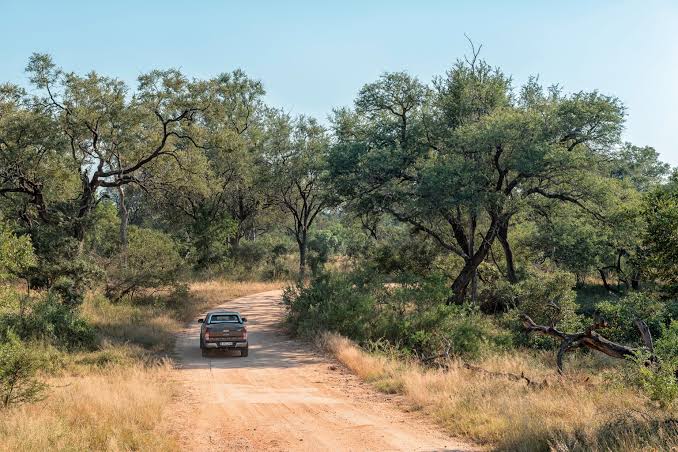
Kruger National Park Self-Drive: A Beginner’s Guide
Kruger National Park is one of the only major African safari destinations where a rental car and a park map can substitute entirely for a guided tour. Self-driving Kruger gives travellers genuine flexibility and considerable cost savings compared to a guided safari, provided they understand the park’s gate system, speed limits and the single most common mistake first-timers make: assuming the map’s distances reflect anything close to realistic driving time.
Key Highlights
- Kruger has ten entry gates and twelve main rest camps, each with a shop, restaurant and fuel station
- Speed limits run 50 km/h on tarred roads and 30-40 km/h on gravel roads, though slower driving means better sightings
- Gate hours shift seasonally, typically 6am to 6pm from April through September; driving after dark is prohibited
- A realistic self-drive pace averages roughly 25 km/h once stops and sightings are factored in
- The southern section offers the highest wildlife density, making it the strongest choice for first-time self-drivers
- Accommodation at Kruger’s rest camps fills quickly, especially during school holidays, so book well in advance
Why Self-Driving Kruger Actually Works
Unlike most major African safari destinations, where guided game drives in specialised vehicles remain essentially mandatory, Kruger’s well-maintained road network, clear signage and well-established rest camp infrastructure make genuine independent exploration not just possible but genuinely popular among both South African residents and international visitors. This accessibility stems from Kruger’s decades of development as a managed national park specifically designed to accommodate self-guided visitors, a fundamentally different model than the private-concession-based safari tourism typical elsewhere on the continent.
The Cost Savings Are Real
Self-driving Kruger typically costs considerably less than an equivalent guided safari, park entrance fees and rest camp accommodation replacing the premium pricing of guided lodges and dedicated game-drive vehicles, making Kruger a genuinely strong option for budget-conscious travellers wanting a real African safari experience.
Understanding Kruger’s Gates and Camps
Kruger operates ten entry gates spread across its considerable length, with the specific gate you choose depending heavily on where you’re arriving from and which part of the park you intend to explore first. Paul Kruger Gate, the park’s most popular entrance, provides access to Skukuza, Kruger’s largest rest camp, while Malelane Gate offers the quickest, most direct entry for visitors heading toward Berg-en-Dal.
Twelve Rest Camps, Each With Core Facilities
All twelve of Kruger’s main rest camps, managed by South African National Parks, include a shop, restaurant and fuel station, meaning self-drivers never need to venture far from basic supplies and services regardless of which specific camp they’ve based themselves at for the night.
Speed Limits and Why Slower Is Genuinely Better
Kruger’s official speed limits run 50 km/h on tarred roads and 30 to 40 km/h on gravel roads, but experienced self-drivers consistently average considerably slower, often 20 to 25 km/h, precisely because driving slowly dramatically improves your actual odds of spotting wildlife along the way. Rushing between sightings defeats the entire purpose of a self-drive safari; the animals you’ll miss by driving quickly almost always outnumber the ones you catch by covering more ground faster.
The Map Will Lie to You About Timing
This is the single most common mistake first-time Kruger self-drivers make: a route that looks like two hours of driving on a map frequently takes four or five hours in actual practice once sightings, photo stops and rest camp breaks are factored in realistically. Planning conservative daily distances, rather than ambitious routes based purely on map mileage, prevents the genuine stress of racing to reach a gate before closing time.
Gate Hours and the No-Night-Driving Rule
Gate opening and closing times shift seasonally, typically running from 6am to 6pm during the April-through-September dry season, with driving after dark strictly prohibited throughout the park for genuine safety reasons. Self-drivers must plan each day’s route with enough buffer to reach their destination gate or camp well before closing time, a non-negotiable constraint that should anchor all route planning rather than being treated as a flexible guideline.
Why the Rule Exists
Night driving restrictions protect both visitors and wildlife, nocturnal animal activity and reduced visibility combining to create genuine safety risks that Kruger’s management takes seriously enough to enforce strictly across the entire park.
Where to Start: The Southern Section
Kruger’s southern section holds the park’s highest wildlife density, making it the strongest starting point for first-time self-drivers specifically because it offers the best odds of productive sightings without requiring extensive prior Kruger-specific knowledge or route planning sophistication. Travellers with limited time are particularly well served concentrating their self-drive within this southern region rather than attempting to cover the park’s considerably more sparsely populated northern reaches on a first visit.
Practical Tips for a Successful First Self-Drive
Start Early
Leaving camp as close to gate-opening time as possible delivers the strongest wildlife activity, particularly during warmer months when animals retreat to shade well before midday, making an early start one of the single highest-value habits a self-driving visitor can adopt.
Stay in Your Vehicle
Remaining inside your car at all times, except at specifically designated rest areas and viewpoints, is both a safety requirement and standard park etiquette throughout Kruger, a rule worth taking genuinely seriously rather than treating as a loose suggestion.
Packing and Vehicle Preparation
A reliable pair of binoculars matters considerably more for self-drive visitors than guided safari guests, since you won’t have an experienced guide’s trained eye spotting distant wildlife on your behalf, making your own observation skills and equipment genuinely central to a successful self-drive experience. Sufficient water, snacks and a full tank of fuel before entering the park each day are equally essential, given how genuinely remote some stretches of road can feel between rest camps and fuel stations.
A Good Field Guide Book Pays for Itself
Investing in a proper Kruger wildlife field guide, or a reliable identification app, meaningfully improves the self-drive experience, letting you identify and understand species independently rather than relying entirely on fellow visitors or passing guided vehicles for information a professional guide would normally provide.
Reading the Sighting Boards and Radio Network
Many Kruger rest camps maintain sighting boards where visitors log recent notable wildlife encounters, a genuinely valuable, low-tech resource for self-drivers planning each day’s route around recently reported activity rather than driving entirely blind. Some self-drivers also monitor informal radio or app-based sighting networks that guided operators use, though independent self-drivers should treat these as a helpful supplement rather than a guaranteed real-time tracking system.
Learning From Other Self-Drivers
Chatting with fellow self-drivers at rest camps, comparing notes on recent sightings and productive routes, is a genuinely useful, informal information-sharing practice that experienced Kruger self-drivers rely on regularly, building a picture of current park conditions that no single map or guidebook alone can provide.
Self-Drive vs Guided: When a Guide Still Makes Sense
Despite Kruger’s genuine self-drive accessibility, some visitors still benefit from combining self-driving with at least one or two guided activities during their stay, night drives in particular, since these remain unavailable to self-drivers given the no-driving-after-dark rule, and specialised walking safaris, which require a trained, armed guide regardless of your own driving comfort level. A hybrid approach, self-driving the bulk of your stay while booking a guided night drive or walk through your rest camp, captures much of the cost savings of self-driving alongside activities genuinely unavailable any other way.
Booking Guided Activities Through Rest Camps
Most Kruger rest camps offer bookable guided night drives and walking safaris directly through camp reception, a straightforward way to add these specific guided experiences onto an otherwise independent self-drive trip without needing to arrange them through a separate external operator.
Best Time of Year for a First Self-Drive
Kruger’s dry season, roughly May through September, offers the strongest self-drive conditions, thinner vegetation improving visibility for spotting wildlife and generally more reliable road conditions than the wetter summer months. First-time self-drivers specifically benefit from this easier visibility, given that they’re relying entirely on their own observation skills rather than an experienced guide’s trained eye to locate wildlife along the way.
A Realistic First-Timer Itinerary
A genuinely manageable first Kruger self-drive runs three to four nights, concentrated within the southern section, allowing enough time to properly explore multiple routes around a single rest camp base, or move between two nearby camps, without the stress of covering excessive ground on a tight schedule. Resist the temptation to plan an ambitious route spanning the park’s full length on a first visit; a focused, unhurried southern-section itinerary consistently delivers a more satisfying experience than an overly ambitious attempt to see everything in too little time.
Frequently Asked Questions
Do I need a 4×4 vehicle to self-drive Kruger?
No, a standard sedan handles Kruger’s main roads comfortably, given the park’s well-maintained road network.
How far in advance should I book rest camp accommodation?
Several months ahead is strongly advised, particularly for South African school holiday periods when camps fill especially quickly.
Is self-driving Kruger safe for first-timers?
Yes, provided you follow park rules closely, staying in your vehicle, respecting gate hours and driving at a safe, deliberate pace.
Which gate should I use as a first-time visitor?
Paul Kruger Gate, leading to Skukuza, is a popular, well-supported starting point for first-time self-drivers heading into the southern section.
How much ground can I realistically cover in a single day?
Considerably less than map distances suggest; budget for roughly 25 km/h average pace once sightings and stops are factored in.
Recommended Safaris
Kruger’s self-drive accessibility makes it a genuinely rewarding, budget-friendly South Africa safari option. Ready to plan your first Kruger self-drive adventure? Reach our team through our Book Now page and we’ll plan it around your dates.

No comment