
Kisoro town guide: base for Mgahinga and Mutanda
Kisoro is one of the most scenic destinations in southwestern Uganda, surrounded by volcanic mountains, terraced hillsides, crater lakes and rural communities. Located near the borders of Rwanda and the Democratic Republic of the Congo, this highland town provides a convenient base for exploring Mgahinga Gorilla National Park, Lake Mutanda and the wider Virunga region.
For travellers planning a gorilla trekking holiday, Kisoro offers practical access to some of Uganda’s most memorable wildlife experiences. It is also an excellent destination for visitors interested in golden monkey tracking, canoeing, birdwatching, hiking and cultural encounters. Unlike larger Ugandan cities, Kisoro has a quieter atmosphere, with much of its appeal coming from the surrounding countryside rather than urban attractions.
The town is particularly useful for travellers who want to combine mountain gorillas with relaxing lakeside activities. You can spend a morning trekking through the forests of Mgahinga, return to Kisoro for a meal, and continue to Lake Mutanda for a peaceful afternoon overlooking the Virunga volcanoes. With careful planning, Kisoro can become the centre of a rewarding three-day getaway or a longer southwestern Uganda adventure.
Where is Kisoro located?
Kisoro lies in southwestern Uganda, close to Rwanda and the Democratic Republic of the Congo. The town sits at a relatively high elevation in a region characterised by fertile volcanic soils, cultivated slopes and dramatic mountain scenery.
The area forms part of the greater Virunga landscape, a chain of volcanic mountains shared by Uganda, Rwanda and the Democratic Republic of the Congo. Several of these volcanoes can be seen from the Kisoro area, creating a distinctive backdrop for road journeys, village walks and lakeside visits.
Kisoro is the principal town of Kisoro District and serves as a commercial centre for nearby farming communities. Visitors can find accommodation, restaurants, shops, markets, transport services and basic supplies before heading to the national park or surrounding countryside.
Its location makes the town especially important for travellers visiting Mgahinga Gorilla National Park. The park protects mountain gorillas, golden monkeys, montane forests and volcanic landscapes. Kisoro also provides access to Lake Mutanda, one of the region’s most attractive places for relaxation and outdoor activities.
Although the town is close to international borders, travellers should check current border requirements before planning cross-border journeys. Uganda, Rwanda and the Democratic Republic of the Congo have different entry procedures, and requirements can change.
Why visit Kisoro?
Kisoro appeals to travellers who want to experience Uganda’s mountain landscapes without limiting their holiday to a single activity. The region combines wildlife encounters, outdoor adventure, local culture and scenic accommodation within a relatively small geographical area.
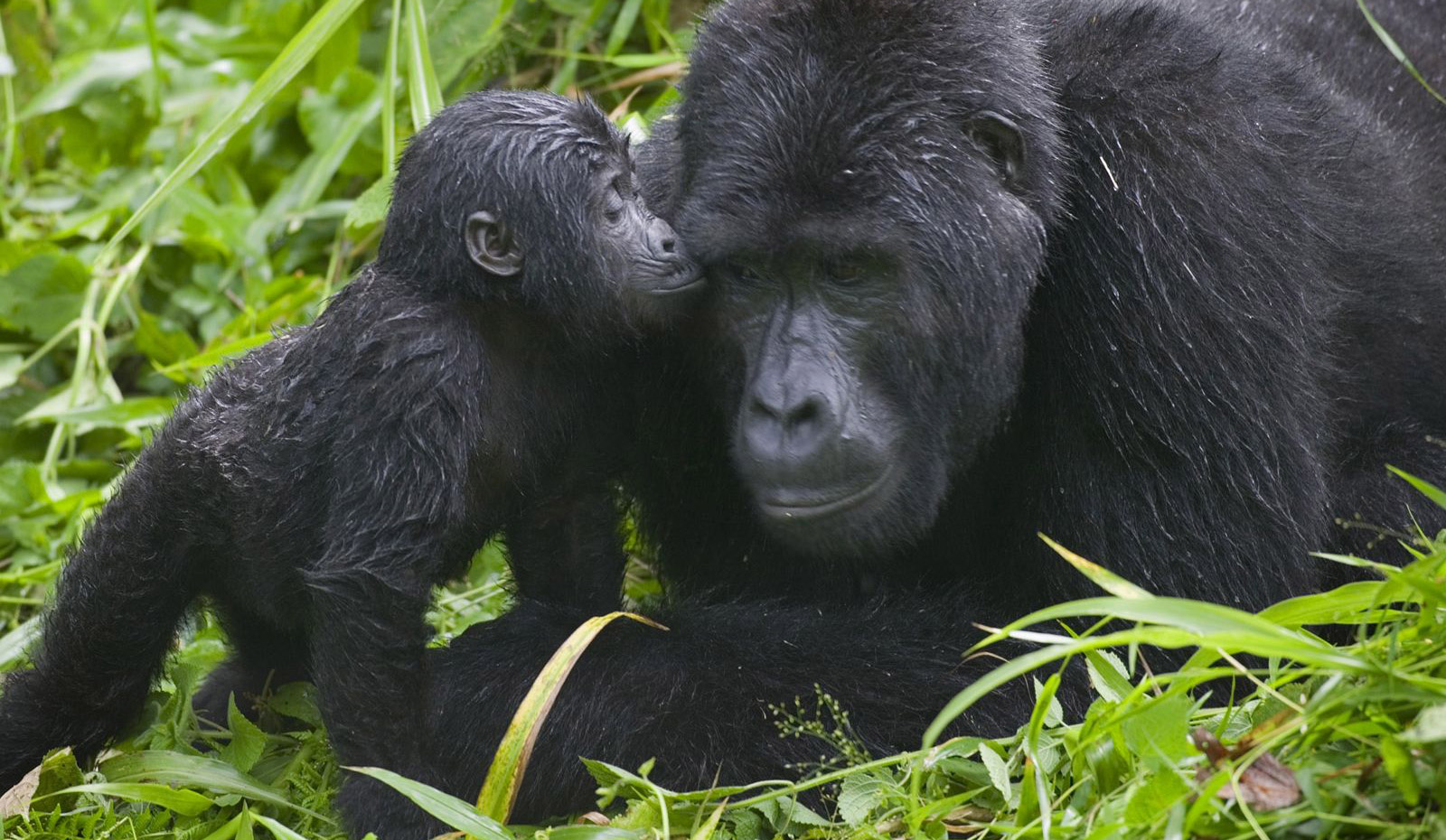
Mountain gorilla trekking is a major reason visitors come to Kisoro. Mgahinga Gorilla National Park protects part of the Virunga mountain gorilla habitat, providing an opportunity to observe these endangered primates in their natural environment. The experience involves hiking through forested mountain terrain with trained guides and park staff.
The region is also known for golden monkey tracking, which offers a different primate experience. Golden monkeys live in the bamboo forests of the Virunga volcanoes and are known for their lively movements and distinctive colouring.
Lake Mutanda provides a contrasting experience. Instead of spending the entire trip hiking, visitors can enjoy canoeing, boat excursions, birdwatching and views of the surrounding mountains. The lake’s peaceful setting makes it particularly attractive for couples, photographers and travellers who want to rest between trekking activities.
Kisoro is also suitable for cultural tourism. Local markets, agricultural landscapes and community experiences provide insight into everyday life in southwestern Uganda. Travellers can learn about farming, food, traditional practices and the relationship between communities and the surrounding mountains.
Mgahinga Gorilla National Park: the main attraction
Mgahinga Gorilla National Park is the leading attraction for many visitors staying in Kisoro. Covering approximately 33.7 square kilometres, it is Uganda’s smallest national park, but its importance for wildlife conservation and mountain tourism is considerable.
The park forms part of the wider Virunga Conservation Area, which includes protected volcanic landscapes across Uganda, Rwanda and the Democratic Republic of the Congo. Its forests and bamboo zones provide habitat for mountain gorillas, golden monkeys and numerous bird species.
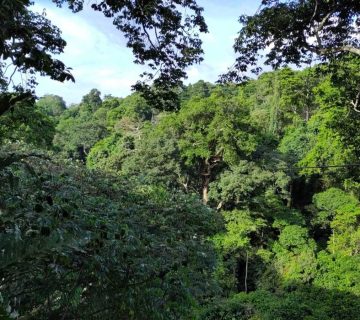
The park’s landscape is dominated by three volcanoes: Mount Muhabura, Mount Gahinga and Mount Sabyinyo. Their slopes support different vegetation zones, ranging from montane forest to bamboo and higher-altitude habitats. The combination of forest, volcanic terrain and open viewpoints makes Mgahinga particularly attractive to hikers and nature enthusiasts.
Gorilla trekking is usually the main reason travellers visit. Participants join a guided excursion to locate a habituated gorilla group, following park rules and instructions from rangers. The walk may be relatively short on some days or more demanding when the gorillas are farther away or the terrain is steep.
Visitors should prepare for muddy trails, changing weather and uneven ground. Waterproof clothing, sturdy hiking boots, drinking water and a small daypack are useful. A reasonable level of fitness helps, although the precise difficulty depends on where the gorillas are located.
Gorilla permits must be arranged in advance, particularly during busy travel periods. Visitors should confirm the current permit price, availability, reporting time and trekking requirements with the relevant authorities or a reputable tour operator before finalising their itinerary.
Gorilla trekking is subject to conservation rules designed to protect the animals and visitors. Travellers must follow the ranger’s instructions, maintain the required distance, avoid touching the gorillas and stay away from the activity if they are unwell. These measures help reduce disturbance and the risk of transmitting human diseases to wildlife.
Golden monkey tracking in Mgahinga
Golden monkey tracking is another popular activity in Mgahinga Gorilla National Park. These endangered primates are associated with the bamboo forests of the Virunga region and are recognised by their golden-orange colouring and active social behaviour.
The tracking experience generally involves walking through forested terrain with park guides to locate a habituated group. Golden monkeys can move quickly through the bamboo, so visitors should be prepared to walk and watch carefully as the animals feed, climb and interact.
Compared with gorilla trekking, golden monkey tracking offers a different pace and wildlife focus. It is particularly attractive to photographers and travellers interested in primate behaviour. The experience also complements gorilla trekking, allowing visitors to explore two distinct aspects of the park’s wildlife.
As with any forest activity, conditions can be damp, and the ground may be slippery. Good footwear, a waterproof jacket and patience are essential. Visitors should confirm current tracking arrangements and permit requirements before travelling.
For travellers with two or more days available in Kisoro, combining gorilla trekking with golden monkey tracking can create a more varied wildlife holiday.
Lake Mutanda: scenery, canoeing and relaxation
Lake Mutanda is one of the most beautiful natural attractions near Kisoro. Surrounded by steep green hills, cultivated slopes and views of the Virunga volcanoes, the lake offers a peaceful alternative to the more physically demanding activities in the region.
The lake is known for its islands, scenic shoreline and opportunities to explore the surrounding landscape by canoe or boat. A guided canoe excursion can provide a closer look at the lake’s environment while allowing visitors to appreciate the mountain views from the water.
Traditional dugout canoe experiences may be available through local operators, while some accommodation providers can help arrange boat trips. Travellers should confirm what type of vessel is being used, whether safety equipment is provided and how long the excursion will last.
Birdwatching is another rewarding activity around Lake Mutanda. The lake and surrounding vegetation attract a range of bird species, making the area appealing to both experienced birders and casual wildlife enthusiasts. A local guide can help identify birds and explain the ecological features of the landscape.
Photography is particularly rewarding when the weather is clear and the volcanoes are visible. Early morning and late afternoon can offer attractive light, although mist and cloud sometimes obscure the mountain views. Rather than treating cloudy conditions as a disappointment, allow time for the landscape to change.
Lake Mutanda is also an excellent place to relax after gorilla trekking. Visitors can enjoy a quiet meal, read by the water, take a short walk or simply spend time appreciating the scenery. Staying at a lakeside lodge can make the lake a central part of the trip rather than a brief stop on the way back to Kisoro.
Hiking the Virunga volcanoes
The mountains surrounding Kisoro offer some of the most dramatic hiking opportunities in Uganda. Within Mgahinga Gorilla National Park, visitors can arrange guided hikes on Mount Gahinga, Mount Muhabura and Mount Sabyinyo, subject to current park arrangements and trail availability.
Each mountain offers a different experience. Mount Gahinga is associated with bamboo vegetation and volcanic scenery, while Mount Muhabura is known for its steep ascent and high summit. Mount Sabyinyo has a rugged profile and lies at the meeting point of Uganda, Rwanda and the Democratic Republic of the Congo.
These hikes are more physically demanding than a visit to a lakeside viewpoint. Routes can involve steep climbs, muddy ground, changing temperatures and considerable elevation gain. Travellers should choose a hike according to their fitness, experience and available time rather than attempting the most challenging option automatically.
A guided hike is essential within the national park. Park staff can explain the route, assess conditions and help visitors follow safety requirements. Before booking, confirm the expected duration, elevation gain, equipment recommendations and whether the chosen route is suitable for your group.
Hikers should carry drinking water, snacks, rain protection and warm layers. Weather in the Virunga highlands can change quickly, and visibility may deteriorate during the day. It is sensible to start early and follow the guide’s advice about turning back if conditions become unsafe.
Exploring Kisoro town
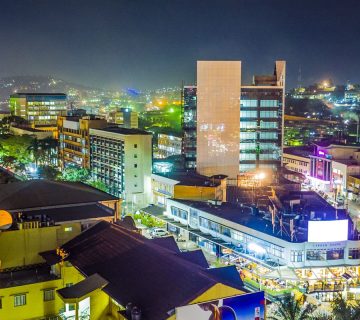
Kisoro town is relatively small, but it plays an important role in the local economy. Its streets are lined with shops, small businesses, restaurants, produce stalls and transport services used by residents and visitors from surrounding communities.
Walking through the town provides a chance to observe everyday life in southwestern Uganda. Traders sell agricultural produce, household goods and other essentials, while small restaurants serve local dishes to workers, students and travellers.
The market is worth visiting if you want to understand the region’s agricultural character. Depending on the season, you may find potatoes, beans, bananas, vegetables and other produce grown in the surrounding highlands. The market can be busy, so keep valuables secure and ask permission before photographing vendors or customers.
Kisoro is also a practical place to purchase snacks, drinking water, toiletries and other items before a trip into the national park. Travellers should not assume that every item will be available in remote areas near the park or lake.
Although the town does not have the large shopping districts or nightlife of Kampala, its practical facilities make it a convenient base for nature-focused travel. Spending a little time here helps visitors understand the communities that support tourism in the region.
Culture and communities around Kisoro
The Kisoro region is home to diverse communities whose histories, languages and traditions contribute to southwestern Uganda’s cultural identity. Agriculture remains important, with families cultivating crops on the fertile slopes and in the valleys around the town.
Community visits can provide opportunities to learn about local food, farming methods, crafts and daily life. Depending on the experience arranged, visitors may meet local producers, explore rural settlements or learn how communities use the surrounding landscape.
The Batwa are among the Indigenous communities associated with the forests of the wider Bwindi and Virunga region. Historically, Batwa communities depended on forest environments for aspects of their livelihoods and cultural practices. Conservation programmes and the establishment of protected areas have significantly affected traditional access to these forests.
Travellers interested in Batwa cultural experiences should choose programmes that are organised with community participation and provide fair benefits to the people involved. It is important to recognise that these are living communities with their own priorities, not simply attractions for visitors.
Ask before taking photographs, follow the guidance of local hosts and respect any restrictions on access. Responsible cultural tourism should create opportunities for learning while allowing community members to determine how their traditions and experiences are shared.
Food to try in Kisoro
Food is an important part of the Kisoro experience, particularly for visitors who enjoy exploring local cuisine. Restaurants and small eateries serve familiar Ugandan dishes, with meals often reflecting the agricultural products grown in the surrounding highlands.
Matooke, posho, beans, potatoes, rice and groundnut sauces are common options, although menus vary between establishments. Grilled meat and locally prepared stews may also be available. Travellers who prefer familiar international dishes can usually find some alternatives at hotels and tourist lodges.
Potatoes are especially associated with the cool, fertile highland environment around Kisoro. They are widely cultivated and feature in local meals, alongside beans and other crops suited to the area’s climate.
If you are trekking the following morning, choose a meal that is satisfying without being excessively heavy, and drink enough water. Food availability can be more limited near remote trailheads, so arrange packed meals or snacks in advance when needed.
Travellers with dietary restrictions should communicate their requirements clearly when booking accommodation or tours. Advance notice gives restaurants and lodges more time to prepare suitable meals.
How to get to Kisoro from Kampala
Kisoro is accessible by road from Kampala, but the journey is long. Depending on the route, traffic, road conditions and stops, travellers should generally allow around eight to ten hours, sometimes longer.
The route commonly passes through southwestern Uganda towards Kabale before continuing to Kisoro. The final section offers increasingly dramatic scenery, with winding roads, steep hills and cultivated slopes. Travellers who are unfamiliar with mountain roads may prefer a professional driver, especially if they plan to arrive after a long day of travel.
Public buses and other passenger services operate towards southwestern Uganda, but services may not provide the most convenient connection to your accommodation or the national park. If travelling by public transport, confirm departure points, arrival times and onward transport arrangements before setting off.
Private transfers are a practical choice for visitors carrying luggage or following a fixed itinerary. They also allow flexibility for rest stops and scenic viewpoints along the way.
Domestic flights may be an option for some itineraries, depending on current schedules, operators and the availability of suitable airstrips. Air travel can reduce time spent on the road, but travellers should verify flight arrangements and ground transfers before relying on this option.
Whichever transport method you choose, avoid scheduling a demanding gorilla trek immediately after an exhausting journey if you can allow an overnight rest in Kisoro.
Getting around Kisoro and reaching the park
Kisoro town has local taxis and boda-bodas for short journeys, while private vehicles and tour operators provide transport to more distant attractions. The most suitable option depends on your destination, luggage and schedule.
For Mgahinga Gorilla National Park, confirm the reporting point and departure time for your activity. Transport arrangements should account for the distance from your accommodation to the park entrance and any early-morning reporting requirements.
Lake Mutanda can be reached by road from Kisoro, although the final approach depends on the location of your chosen lodge or activity provider. Some properties are positioned along the shoreline or on hilly terrain, so confirm whether a vehicle can reach the entrance and whether walking is required.
If you are visiting several attractions in one day, agree on the route and waiting time with your driver in advance. This is particularly important if you want to combine a national park activity with a lakeside excursion.
During rainy periods, some smaller roads may become muddy or difficult to navigate. Ask your accommodation provider about local conditions and whether a standard vehicle is suitable for your planned route.
Where to stay in Kisoro
Accommodation in the Kisoro region ranges from simple guesthouses and town hotels to comfortable lodges in the countryside and properties overlooking Lake Mutanda.
Staying in Kisoro town is convenient for visitors who want access to restaurants, shops, transport and basic services. It can also be a sensible option for travellers arriving late or leaving early by road.
Accommodation closer to Mgahinga Gorilla National Park may be preferable for visitors who want to reduce travel time before a gorilla trek or golden monkey tracking experience. Before booking, confirm the distance to the required reporting point and whether transport can be arranged.
Lake Mutanda lodges are particularly attractive for travellers seeking scenery and relaxation. Depending on the property, facilities may include lake views, gardens, restaurants, private rooms and help arranging canoe trips or guided walks.
When choosing accommodation, consider more than the room price. Check whether meals are included, whether hot water and electricity are reliable, how payment is accepted and whether the property can arrange transport. If you plan to take part in an early-morning activity, ask about breakfast and packed-lunch arrangements.
For a trip combining gorilla trekking and Lake Mutanda, staying in two different locations may be worthwhile. You could spend one night near the national park and another beside the lake, reducing unnecessary travel and giving each experience sufficient time.
Best time to visit Kisoro
Kisoro can be visited throughout the year, but seasonal weather affects hiking conditions, road travel and the overall experience.
The relatively drier periods, generally from June to August and December to February, are often popular for gorilla trekking, golden monkey tracking and mountain hikes. Trails may be easier to navigate during these months, although rain is still possible in the highlands.
The wetter periods can bring lush vegetation and attractive scenery around Lake Mutanda. However, muddy trails, slippery slopes and reduced visibility may make outdoor activities more demanding. Travellers should prepare for rain regardless of the season.
Gorilla trekking operates under park management arrangements, so travellers should confirm permit availability and activity schedules before choosing travel dates. The dry season can be busy, and early booking is advisable for visitors with fixed dates.
For photography, weather conditions matter more than a specific month. Clear mornings can provide excellent views of the Virunga volcanoes, while mist may create a different atmosphere around the lake and hills.
A flexible itinerary is useful because weather can change quickly. Allowing an extra night can provide more opportunities to enjoy the landscape if rain disrupts an activity.
What to pack for Kisoro and Mgahinga
Your packing list should reflect whether you are focusing on gorilla trekking, golden monkey tracking, mountain hiking or lakeside relaxation.
For gorilla trekking, bring sturdy hiking boots with good grip, long trousers, a long-sleeved top, gardening gloves if recommended by your operator, a waterproof jacket and a small daypack. Gloves can be useful when holding vegetation for balance, but they should not be used to touch wildlife.
Carry drinking water, snacks where permitted, sunscreen, insect repellent and any personal medication you need. A walking stick may be available through the trekking arrangements, but confirm this beforehand if you prefer to bring your own.
For Lake Mutanda, pack comfortable clothing, sun protection and a light jacket for cooler periods. If you plan to take photographs from a canoe or boat, protect your camera and phone from water.
For mountain hikes, include warm layers, reliable rain protection and enough food and water for the expected duration. High-altitude conditions can be considerably colder than those in Kisoro town.
Bring some Ugandan shillings for small purchases and local services. Do not assume that every rural business accepts cards or that mobile payment services will always work.
Safety and responsible travel in Kisoro
Kisoro is a useful base for outdoor activities, but travellers should take sensible precautions in the town and surrounding countryside.
Use trusted transport, secure your valuables and confirm fares before taking local transport. If you plan to walk after dark, ask your accommodation provider about the safest routes and whether a vehicle would be more appropriate.
On mountain trails, follow your guide’s instructions and avoid leaving marked routes. Steep slopes, wet rocks and muddy ground can be hazardous, especially during rainy weather. Choose activities that match your fitness level and allow enough time to complete them safely.
For gorilla trekking, follow all park rules concerning distance, photography, behaviour and illness. Do not participate if you are unwell with a potentially contagious illness, and inform the appropriate staff so they can advise you.
Respect the local environment by avoiding littering, following waste-management instructions and supporting accommodation and tour providers that take conservation seriously. At Lake Mutanda, use responsible boating operators and follow safety instructions while on the water.
Because Kisoro lies close to international borders, check official travel advice and border conditions if you intend to cross into Rwanda or the Democratic Republic of the Congo. Do not assume that proximity means crossing is unrestricted or that entry requirements are the same in all three countries.
Travel insurance is recommended, particularly for visitors participating in trekking and other outdoor activities. Check that the policy covers the activities planned and any relevant altitude or evacuation requirements.
Suggested three-day Kisoro itinerary
A three-day visit provides enough time to experience the region’s main attractions, provided you plan transport and activities in advance.
Day one: Arrival in Kisoro and Lake Mutanda
Travel from Kampala or another starting point to Kisoro. After checking into your accommodation, spend the afternoon exploring the town or travelling to Lake Mutanda. Enjoy the mountain views, take a short lakeside walk or arrange a canoe excursion if time and weather permit. An overnight stay near the lake offers a relaxing introduction to the region.
Day two: Gorilla trekking in Mgahinga
Leave early for your scheduled gorilla trekking activity at Mgahinga Gorilla National Park. The experience involves a guided forest walk to locate a habituated gorilla group. The duration and difficulty depend on the location of the gorillas and trail conditions. After returning from the trek, rest at your accommodation and enjoy a quiet evening.
Day three: Golden monkey tracking or a relaxed morning
If permit availability and your budget allow, arrange golden monkey tracking for the morning. Alternatively, spend more time around Lake Mutanda, enjoy the scenery or visit a local community experience. Begin the return journey or continue to your next destination according to your travel arrangements.
Travellers who want to climb a Virunga volcano should add extra days. Mountain hikes require their own preparation and should not be squeezed into a schedule already built around gorilla trekking.
Combining Kisoro with other destinations in Uganda
Kisoro works well as part of a wider southwestern Uganda itinerary. Travellers can combine it with Bwindi Impenetrable National Park, Lake Bunyonyi and Kabale, depending on their interests and the time available.
Bwindi is another major gorilla trekking destination, although the most convenient sector depends on the gorilla group and permit arrangement. The road journey between different parts of Bwindi and Kisoro can take time, so check distances carefully rather than assuming all trekking areas are close together.
Lake Bunyonyi offers a different lakeside experience, with islands, terraced hills and opportunities for canoeing and relaxation. It can be a good addition for travellers who want to balance wildlife activities with time near the water.
Kabale provides a useful stop for visitors travelling through southwestern Uganda, while a broader route may connect the region with Queen Elizabeth National Park or other destinations. Such combinations require realistic travel times, particularly if you are relying on road transport.
For visitors coming from Rwanda, Kisoro may also be included in a cross-border itinerary, provided all entry requirements and transport arrangements are confirmed. Border crossing procedures, vehicle permissions and visa conditions should be checked before departure.
Kisoro is most rewarding when the itinerary leaves room for both adventure and rest. Gorilla trekking and mountain hikes can be physically demanding, while Lake Mutanda offers a calmer way to appreciate the region’s scenery.
Whether you visit for the mountain gorillas, golden monkeys, volcanic landscapes or quiet lakeside views, Kisoro provides an excellent starting point for discovering one of Uganda’s most distinctive highland regions.

No comment