
How Climate Change Is Affecting Samburu National Reserve
Samburu National Reserve, an already arid, semi-desert landscape in northern Kenya centered on the Ewaso Ng’iro River, sits among the East African destinations most visibly affected by shifting climate patterns, and understanding these changes helps travelers appreciate both the reserve’s resilience and the genuine conservation challenges shaping its future.
Why Samburu’s Existing Aridity Makes It Especially Sensitive
Samburu’s baseline climate already sits at the drier end of East Africa’s ecological spectrum, meaning even modest shifts in rainfall patterns or temperature have outsized effects here compared to wetter ecosystems with more natural buffer against variability. This existing sensitivity is precisely why Samburu has become a focal point for observing climate-related ecological change across the region.
Changing Rainfall Patterns
Like much of East Africa, the broader region around Samburu has experienced increasingly unpredictable rainfall timing in recent years, with the traditional distinction between wet and dry seasons becoming less reliable than historical patterns once suggested. This unpredictability creates genuine challenges for both wildlife adapted to predictable seasonal cycles and for tour operators trying to plan itineraries around traditionally reliable seasonal windows.
The Ewaso Ng’iro River Under Increasing Pressure
The Ewaso Ng’iro River, Samburu’s lifeline running through otherwise arid terrain, faces mounting pressure from both changing rainfall patterns upstream and increased water demand from growing human populations and agricultural activity along its course, a combination that affects water availability for the wildlife depending on this single crucial water source. Periods of reduced flow during increasingly severe dry spells place genuine strain on the ecosystem’s water-dependent species.
Drought Frequency and Wildlife Impact
More frequent and severe drought periods across northern Kenya have documented impacts on wildlife populations in reserves like Samburu, with water and forage scarcity during extended dry periods creating genuine survival pressure, particularly for larger herbivores like elephants that require substantial daily water and food intake. Conservation organizations working in the region have tracked these patterns as part of broader climate monitoring efforts.
How Elephants Specifically Are Affected
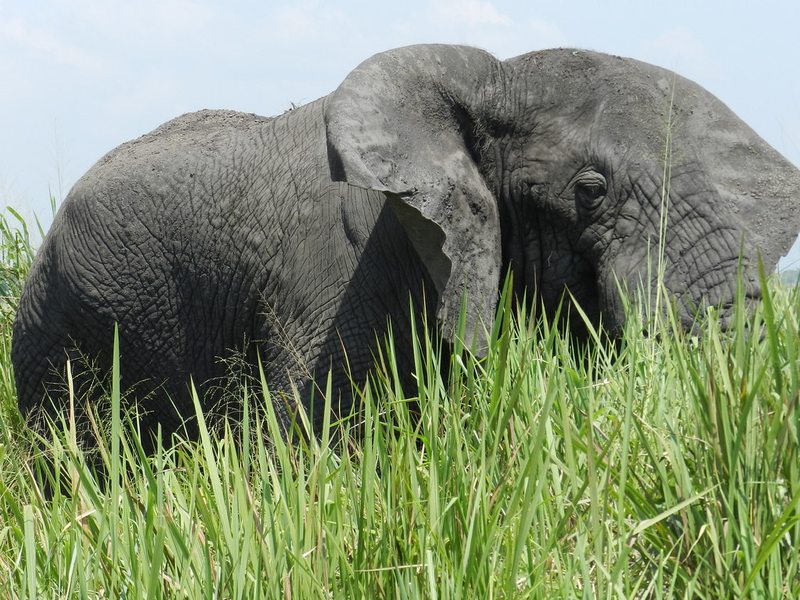
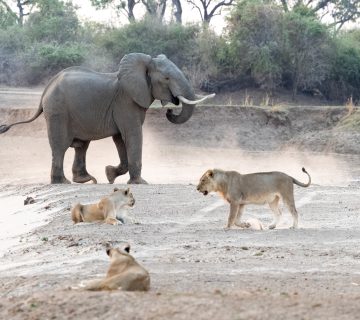
Elephants, among Samburu’s signature species, face particular vulnerability to extended drought given their large size and correspondingly large resource needs, and research conducted in this region has documented how prolonged dry periods affect elephant movement patterns, body condition, and in severe cases, survival rates. This vulnerability makes elephant population monitoring a useful indicator of broader ecosystem climate stress.
Vegetation Changes Across the Reserve
Shifting rainfall patterns affect the composition and health of Samburu’s vegetation, including the doum palms and acacia woodland that define much of the reserve’s characteristic landscape, with some areas showing signs of vegetation stress during increasingly severe dry periods. These vegetation changes ripple through the broader ecosystem, affecting everything from browsing herbivores to the insects and birds dependent on specific plant communities.
Community and Conservation Tensions
Climate pressures affecting water and grazing availability create genuine tension between wildlife conservation needs and the livestock-dependent Samburu pastoralist communities living around and within parts of the broader ecosystem, since both wildlife and community livestock increasingly compete for the same shrinking resource base during severe dry periods. Conservation programs in the region increasingly work to address this tension through community-inclusive approaches rather than treating wildlife and community needs as separate concerns.
Conservation Responses and Adaptation Efforts
Organizations working in and around Samburu have developed various climate adaptation responses, including water point management, community-based conservation programs that align local livelihoods with wildlife protection, and ongoing ecological monitoring to track changing conditions and inform management decisions. These efforts represent genuine, ongoing work rather than a solved problem, and travelers interested in conservation can often learn more about specific current initiatives through their tour operator or lodge.
How This Affects the Travel Experience
For travelers, climate-related changes can mean somewhat less predictable wildlife viewing patterns compared to historical seasonal norms, with animals sometimes concentrating around remaining water sources in ways that differ from traditional dry-season expectations. Working with guides who understand current conditions, rather than relying purely on historical seasonal guidance, increasingly matters for a successful Samburu visit.
Why Responsible Tourism Matters More in This Context
Given the genuine ecological pressures Samburu faces, choosing tour operators and lodges committed to responsible, low-impact tourism practices and genuine support for local conservation efforts contributes meaningfully to the reserve’s long-term resilience, beyond simply enjoying a wildlife-viewing experience. This consideration matters increasingly as climate pressures compound other conservation challenges facing the region.
What Travelers Can Learn From Visiting
A Samburu visit offers travelers a genuine, firsthand window into how climate change manifests in a specific, real ecosystem rather than an abstract global statistic, and many visitors describe this dimension of their trip, understanding the reserve’s climate challenges alongside its remarkable wildlife, as adding meaningful depth to their overall experience.
Ongoing Scientific Monitoring in the Region
Research institutions and conservation organizations maintain ongoing scientific monitoring of Samburu’s ecological conditions, tracking rainfall, vegetation health, and wildlife population dynamics over time, and this data collection remains essential for understanding both the pace of change and the effectiveness of various conservation and adaptation responses being implemented.
A Realistic Outlook Going Forward
While Samburu faces genuine, ongoing climate-related challenges, the reserve’s wildlife populations, conservation partnerships, and community programs continue adapting, and travelers should understand a Samburu visit as supporting an active, evolving conservation effort rather than either an unaffected pristine wilderness or a lost cause. This realistic middle ground reflects the genuine, complex situation on the ground.
Comparing Samburu to Other Climate-Affected East African Ecosystems
Samburu shares climate-related pressures with other arid and semi-arid East African ecosystems, though its specific combination of high aridity, dependence on a single major river, and adjacent pastoralist communities creates a somewhat distinctive set of challenges compared to wetter or more geographically buffered reserves elsewhere in the region.
How Travelers Can Support Ongoing Conservation Efforts
Beyond choosing responsible operators, travelers genuinely interested in supporting Samburu’s climate resilience can research and contribute to specific conservation organizations working in the reserve, ask their guides detailed questions about current initiatives, and share accurate information about these challenges with others after their trip.
The Long-Term Outlook for Samburu’s Ecosystem
While no one can predict Samburu’s ecological future with certainty, the combination of active scientific monitoring, community-inclusive conservation programs, and growing awareness among both travelers and policymakers offers genuine reason for cautious optimism about the reserve’s ability to adapt, even as climate pressures continue evolving.
What This Means for Trip Timing and Flexibility
Given the increasingly unpredictable rainfall patterns discussed here, travelers benefit from building genuine flexibility into their Samburu itinerary timing rather than rigidly assuming historical dry and wet season patterns will hold precisely, and consulting current, on-the-ground guidance closer to your actual travel dates helps set realistic expectations.
Learning More Before and After Your Visit
Travelers genuinely interested in Samburu’s climate and conservation story can find substantial published research and conservation organization reporting on the reserve’s specific ecological conditions, offering a deeper understanding than any single trip-focused article can fully provide.
Balancing Awareness With Genuine Enjoyment
Understanding Samburu’s climate challenges shouldn’t overshadow the genuine wonder of experiencing this remarkable reserve firsthand, and travelers who hold both awareness and appreciation together tend to describe their visit as more meaningful, not less enjoyable, than those who arrive without this deeper context.
A Closing Perspective on Visiting Now
There’s a genuine argument that visiting Samburu now, while actively supporting conservation efforts through responsible tourism spending, matters more than ever given the ecosystem’s current challenges, rather than waiting for some hypothetical future when these pressures might be fully resolved.
Summing Up Samburu’s Current Reality
Samburu remains a genuinely extraordinary wildlife destination navigating real, documented climate pressures, and travelers who understand this fuller picture arrive better equipped to appreciate both the reserve’s remarkable resilience and the ongoing work required to sustain it for future generations.
How Guides Discuss These Issues on Game Drives
Experienced Samburu guides often weave observations about current water levels, recent rainfall, and visible vegetation stress into their standard game drive commentary, and travelers who engage genuinely with these observations, rather than focusing purely on wildlife checklists, tend to come away with a noticeably richer understanding of the reserve.
A Final Thought Worth Carrying Forward
Long after your Samburu safari ends, this kind of grounded understanding of a real, specific ecosystem facing real, specific challenges often proves more lasting and meaningful than the wildlife photos alone, shaping how travelers think about conservation and climate issues well beyond the trip itself.
Where This Leaves Prospective Visitors
For travelers weighing whether to include Samburu in their Kenya itinerary, this fuller picture, remarkable wildlife alongside genuine environmental challenge, should inform rather than deter the decision, since responsible visitation remains one meaningful piece of the reserve’s broader path forward.
Planning Your Samburu National Reserve Visit
Understanding Samburu’s climate challenges adds genuine depth to appreciating this remarkable reserve and the conservation work sustaining it. All in Africa Safaris can arrange a responsible Samburu safari with operators committed to the reserve’s long-term conservation, or you can get in touch to plan the details of your trip.

No comment