Face to Face With a Living Dinosaur in Uganda
Uganda is a place to see mountain gorillas, tree-climbing lions, and powerful waterfalls. It is also home to birds. One bird that really surprises people is the shoebill. The shoebill is very tall. Has a big shoe-shaped bill. It moves slowly and deliberately. When you see a shoebill, it feels like you are looking at a dinosaur.
Watching a shoebill is a special experience. When it stands still and then strikes at its prey, it is something you will never forget. People come from all over the world to see the shoebill. They want to see it because it’s so unique and interesting. The shoebill is one of the birds people want to see in Africa.
Uganda is one of the places to see the shoebill. The country has wetlands where the shoebill lives. Local guides are very helpful. Know where to find the shoebill. People can see the shoebill in its home and help protect it at the same time.
Why Uganda Is the Best Place to See the Shoebill
The shoebill likes to live in wetlands with papyrus and shallow water. Uganda has many of these wetlands. They are connected to Lake Victoria and the Nile River. This makes it a perfect place for the shoebill.
The shoebill is easy to see because it likes to stand in areas. People can watch it without disturbing it. Local people are working hard to protect the shoebill and its home. This makes Uganda a great place to see the shoebill.
Many people come to Uganda to see the shoebill and other animals. They can go on a safari. See gorillas, chimpanzees, and many birds. Uganda is a place to see many different things.
The Bird That Looks Millions of Years Old
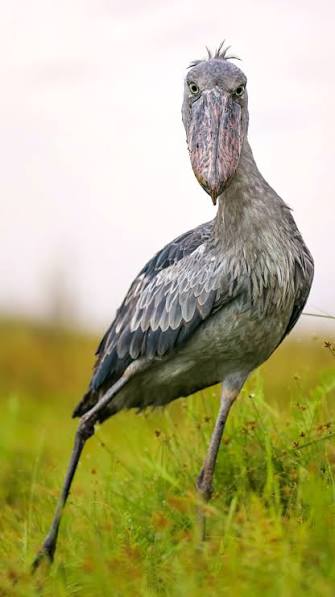
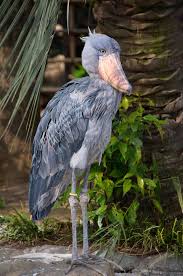
The shoebill looks very old. It is very tall. Has big wings. Its feathers are blue and gray, which helps it blend in with the wetlands. The shoebill has a bill that looks like a wooden shoe. This bill helps it catch fish and other prey.
The shoebill’s eyes are very special. They are big and yellow. Look forward. This helps the shoebill see well when it is hunting. The shoebill is very patient. Moves very slowly. This helps it survive in the wetlands.
Scientists think the shoebill is one of the unusual birds in the world. It looks very different from other birds. The shoebill has not changed much over time, which makes it very interesting to see. is a special bird, and people come from all over to see it. it also is a reason to visit Uganda and see the shoebill in its natural home.
Where to See the Shoebill
The shoebill can be found in Uganda. There are great places to see the shoebill in Uganda.
One of the places to see the shoebill is Mabamba Swamp. It is near Entebbe. You can get to Mabamba Swamp by canoe. The water is calm. The guides are very good. They know where to find the shoebill. If you go early in the morning, you will see the shoebill. It is better to go early because it gets hot later and the birds are not as active.
The Nile Delta is another place to see the shoebill. It is in Murchison Falls National Park. can take a boat trip through the delta, will see the shoebill and many other birds, see fish eagles, kingfishers, herons and many other birds that live in the wetlands.
You can also see the shoebill in Lugogo Swamp and on the Albert Nile. These are in the north of Uganda. The guides are very good. They can help you find the shoebill. You have to be patient and quiet when you are looking for the shoebill. You have to respect the birds and their home.
What the Shoebill Does
The shoebill is an interesting bird. It can stand still for a time. Sometimes it stands still for twenty minutes or more. It looks like a statue.. It is waiting for fish to swim by. Then it attacks fast. It catches the fish with its bill. The shoebill eats lungfish, catfish and other fish.
After the shoebill catches its food, it shakes its bill to get rid of the mud and plants. Then it swallows its food whole. The shoebill is not aggressive. It just wants to eat and live in peace. It spends its day hunting, cleaning its feathers, resting, and watching its surroundings.
If you are quiet, you can see the shoebill doing its things. This is why people love to watch the shoebill.
Why Photographers Like the Shoebill
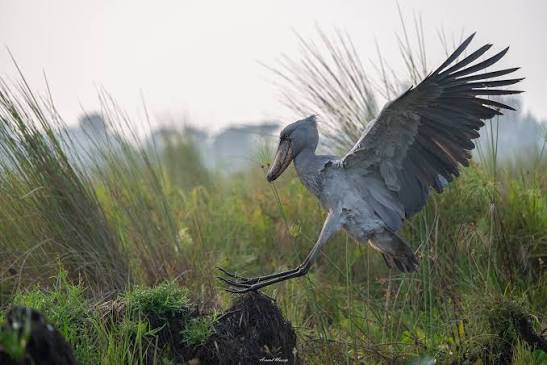
The shoebill is a bird to photograph. It has an interesting shape and beautiful eyes. Its feathers are very textured. It looks like a bird from a long time ago. The photographers like to take pictures of the shoebill in the morning when the light’s soft. They like to capture the moment when the shoebill spreads its wings or catches a fish.
The guides know how to position the boats so the photographers can get pictures. They keep a distance so they do not scare the birds. Many famous photographs of the shoebill have been taken in Uganda. The shoebill is standing quietly among the papyrus reeds. It is a beautiful picture.
More Than Birdwatching
Seeing the shoebill is not just about seeing a bird. It is about experiencing nature. When you are moving quietly through the wetlands, you see things. You see dragonflies flying over the water. hear frogs calling from the reeds. see kingfishers diving into the water and butterflies flying above the flowers.
The wetlands are very peaceful. They make you slow down and appreciate the things. You start to notice the details that you would miss if you were moving fast. The guides can tell you about the importance of the wetlands. They provide water, prevent flooding, and support many species of fish and birds.
The wetlands are important for people too. They provide food and jobs for the communities. When you understand how important the wetlands are, you want to help protect them.
The Shoebill Needs Help
The shoebill is in danger. Its home is being destroyed. The wetlands are being drained for farms and houses. The birds are losing their place to live. The shoebill is also threatened by pollution, people taking its eggs, and climate change.
The government, conservation groups, and local communities are working together to protect the wetlands. They are teaching people about the importance of the wetlands and how to protect them. The tourists can help by being respectful and following the guides’ instructions.
When you visit the shoebill, you are helping to protect it. You are showing that the bird is valuable and worth saving.
Planning Your Trip
If you want to see the shoebill, you should plan. It is better to go in the morning when the weather is calm. Wear clothes that’re light and do not have bright colors. This will help you blend in and not scare the birds.
Bring binoculars so you can see the shoebill close. If you have a camera, bring a telephoto lens so you can take pictures without disturbing the birds. Do not forget to bring insect repellent, sunscreen, and water. If you are going on a canoe trip, bring a waterproof bag to protect your camera.
It is very important to hire a guide who knows the area and the birds. They can help you find the shoebill and make sure you have time.
Wildlife You May See
When you go on a shoebill trip, you will see a lot of other birds too. This is because Uganda is home to more than one thousand different kinds of birds. This makes Uganda a great place for people who like birds.
When you visit the wetlands, you will see birds like the African jacana, the malachite kingfisher and the African fish eagle. You will also see papyrus gonoleks, swamp flycatchers, purple herons, egrets, cormorants and many types of ducks. Sometimes you will see mammals like the sitatunga antelope, otters, monitor lizards and even hippos near the wetlands.
This means that every time you take a boat trip, you will see exciting things besides the shoebill.
A Moment That Stays With You
Seeing animals in the wild is very special because it makes you feel connected to nature. When you stand quietly and watch a shoebill, you feel something hard to explain. The shoebill is not performing for you; it is just living its life. You are seeing it in its home, not in a zoo or a cage.
People often remember the moment before the shoebill catches its prey, the slow movement through the papyrus and the fast action when it catches something. These moments remind us that there are still amazing animals living in the wild and we need to protect them.
Choosing Tourism
If we want to see shoebills in Uganda for a long time, we need to be careful about how we visit them. We should choose tour operators that follow the rules to protect the birds and the wetlands. We should also respect the birds. Not get too close or make too much noise.
We should support guides and communities and help protect the wetlands. This will help the birds and the people who live near the wetlands. We should not do things that might hurt the birds or the wetlands, like getting close or making loud noises.
A Journey Worth Taking
For people, shoebill trip in Uganda is a very special experience. It is a moment that you will always remember. Seeing a shoebill is exciting and interesting. It makes you appreciate the natural world.
If you like birds or if you like taking pictures of animals or if you just like being in nature, Uganda is a place to visit. You can see the shoebill in its home, and it is an experience you will never forget. learn to respect the wetlands and the animals that live there. appreciate the beauty of Uganda.