
Does Photography Safaris Require a Certain Fitness Level?
Photography safaris across East Africa’s national parks generally involve far less physical exertion than trekking-focused activities like gorilla trekking or mountain climbing, but the fitness demands still vary considerably depending on the specific format of your photography safari, and understanding this range helps you choose an itinerary genuinely suited to your physical capabilities.
Vehicle-Based Photography Safaris: Minimal Physical Demand
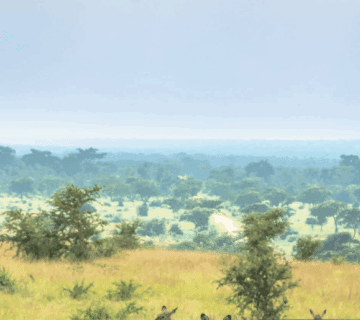
Standard vehicle-based photography safaris, the most common format across savannah parks like the Serengeti, Maasai Mara, and Queen Elizabeth National Park, require minimal physical fitness, since most of your time is spent seated in a safari vehicle with photography happening from within or through the open roof hatch. Travelers with limited mobility or general fitness concerns generally find this format entirely accessible.
Long Days in the Vehicle Still Require Some Stamina
While vehicle-based photography doesn’t demand athletic fitness, full-day game drives, sometimes eight to ten hours with only brief breaks, do require a reasonable tolerance for extended sitting, occasional rough road conditions, and heat, meaning some baseline comfort with long days of travel matters even without strenuous physical activity. Travelers prone to back pain or motion sensitivity should discuss vehicle configuration and route planning with their operator in advance.
Walking Safaris and Photography: A Different Fitness Category
Photography safaris incorporating walking components, common in parks like Lake Mburo or as add-on activities elsewhere, require considerably more physical engagement, including sustained walking over uneven terrain for several hours at a time. Travelers planning to combine photography with walking safaris should have reasonable baseline cardiovascular fitness and comfort walking for extended periods.
Forest-Based Photography Safaris Demand More
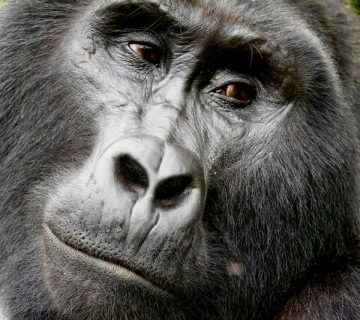
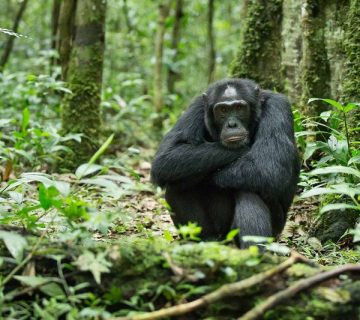
Photography safaris centered on forest environments, such as gorilla or chimpanzee trekking photography in Bwindi or Kibale, require meaningfully higher fitness levels than open savannah photography, given steep, often muddy terrain and treks that can last anywhere from one to several hours depending on where the primates are located that day. This category demands genuine physical preparation rather than casual fitness alone.
Photography Hides and Stationary Setups
Some specialized photography safaris use fixed hides or stationary setups near waterholes or known wildlife crossing points, requiring almost no physical exertion beyond sitting comfortably for extended periods, sometimes several hours at a stretch waiting for the right shot. This format suits photographers prioritizing image quality over general safari variety, and works well for travelers with more limited mobility.
Carrying Photography Equipment Itself
Beyond the safari activity itself, carrying substantial camera gear, particularly long telephoto lenses and multiple camera bodies, adds a physical dimension many photographers underestimate, and building some basic upper body and core strength before a serious photography safari genuinely helps manage this equipment comfortably over long days. A good camera strap system and, where relevant, a monopod or beanbag support reduce this physical burden considerably.
Age and Photography Safari Accessibility
Vehicle-based photography safaris remain genuinely accessible to older travelers and those with mobility limitations, since minimal walking is required and vehicles can typically accommodate mobility aids with advance notice to your operator. Forest-based and walking photography safaris, by contrast, require more careful honest self-assessment about physical capability before booking, given their more demanding terrain.
Heat and Climate as a Fitness Consideration
Beyond pure physical exertion, East Africa’s heat, particularly during midday hours in open savannah environments, represents its own fitness consideration, and travelers with heat sensitivity or cardiovascular conditions should discuss appropriate scheduling and hydration strategies with their tour operator regardless of how physically demanding the specific photography format is. Staying well hydrated and taking breaks during the hottest parts of the day matters for photographers of all fitness levels.
Preparing Physically for a More Demanding Photography Trip
Travelers planning a photography safari that includes walking or forest trekking components benefit from beginning a basic cardiovascular and strength preparation routine several weeks before departure, mirroring the kind of preparation recommended for gorilla trekking or hiking-focused trips. This preparation pays off both in comfort during the trip and in your ability to hold steady, sharp shots after physical exertion.
Communicating Your Fitness Level to Your Operator
Being honest with your tour operator about your actual fitness level and any physical limitations, rather than overstating your capabilities, allows them to recommend and structure an itinerary genuinely suited to what you can comfortably manage. Reputable operators consistently prefer this honesty over discovering a mismatch once you’re already on the ground.
Mixing Formats Within One Photography Trip
Many photography safaris blend formats, vehicle-based game drives combined with a shorter forest walk or a single day of gorilla trekking, and travelers can often structure their itinerary to include a demanding activity or two while keeping the bulk of the trip at the lower-intensity vehicle-based level. This flexible approach lets photographers with limited fitness still access a signature demanding experience without building an entire trip around that intensity.
Photography-Specific Physical Considerations
Beyond general fitness, photographers should consider hand and arm stamina for holding a camera steady over long shooting sessions, and practicing with your actual travel gear before departure helps identify whether you need additional support equipment like a monopod or a more ergonomic strap system. This kind of practical preparation matters as much as general cardiovascular fitness for photography-specific comfort.
Fitness Considerations for Specific Camera Equipment Choices
Photographers with physical limitations that make carrying heavy telephoto lenses difficult should consider lighter, more compact gear options or investing in a well-designed harness system that redistributes weight more comfortably across the body. This equipment-level adjustment can meaningfully expand which photography safari formats remain comfortable and accessible regardless of general fitness level.
How Weather and Terrain Interact With Fitness Demands
Muddy or slippery terrain during rainy season, even on a relatively low-intensity photography safari, adds genuine physical demand beyond what dry-season conditions require, meaning travelers with fitness concerns should factor seasonal timing into their planning alongside the format of the safari itself. This consideration applies particularly to any photography safari with even a modest walking component.
Recovery Time Between Demanding Photography Days
Travelers combining a demanding forest-based photography day, such as gorilla trekking, with subsequent vehicle-based savannah photography benefit from building in at least a partial rest day between the two, allowing physical recovery before the next activity. This pacing consideration matters more for photographers than for typical safari travelers, given the additional gear-carrying burden photography adds to any physical activity.
A Balanced Final Perspective
Photography safaris genuinely accommodate a much wider range of fitness levels than travelers often assume, and the key to a satisfying trip lies less in achieving some universal fitness standard and more in honestly matching your chosen format, vehicle-based, walking, forest trekking, or hide-based, to your actual physical capabilities and preferences. This thoughtful matching consistently produces better outcomes than either overestimating or unnecessarily limiting what you attempt.
Talking to Fellow Photographers About Their Experience
Photography-focused travel communities and forums often include detailed firsthand accounts of specific safari formats’ physical demands, and consulting these alongside your tour operator’s guidance gives a more complete, realistic picture than relying on marketing descriptions alone. This kind of peer insight proves particularly valuable for photographers considering a more demanding format for the first time.
When to Consult a Doctor Before Booking
Travelers with existing cardiovascular conditions, joint issues, or other relevant health concerns should consult their doctor specifically about the physical demands of their intended photography safari format before booking, since a doctor familiar with your specific health history can offer guidance no general travel article can responsibly provide. This step matters most for anyone considering the more demanding forest trekking or walking safari formats.
What Experienced Safari Photographers Wish They’d Known
Photographers who have completed multiple East African photography safaris across different fitness-demand levels often say they wish they’d better understood the format-specific physical demands before their first trip, rather than assuming all photography safaris shared the same general intensity. Learning from this common reflection, rather than repeating the same miscalculation, helps first-time photography safari travelers plan more accurately from the start.
Making the Final Decision With Confidence
Armed with an honest understanding of the fitness demands across different photography safari formats, travelers can approach their booking decision with genuine confidence rather than uncertainty, choosing an itinerary that plays to their physical strengths while still delivering the photographic opportunities they’re most excited about.
One Last Practical Reminder
Whatever format you choose, breaking in any new hiking boots, testing your camera setup with its full weight, and doing at least a few practice walks or workouts before departure remain simple, high-value steps that meaningfully reduce discomfort regardless of your baseline fitness level.
Trusting Your Own Body’s Signals During the Trip
Regardless of how thoroughly you’ve prepared, listening to your body during the actual safari and communicating openly with your guide if a particular activity feels more demanding than expected remains the most important, universally applicable piece of fitness guidance for any photography safari format.
Planning Your Photography Safari
Photography safaris span a genuine range of physical demands, and matching your itinerary to your actual fitness level ensures you can focus on your images rather than physical discomfort. All in Africa Safaris can build a photography safari matched to your fitness level and photography goals, or you can get in touch to plan the details of your trip.

No comment