
Conservation Efforts Protecting Samburu National Reserve
Samburu National Reserve, the arid, semi-desert landscape in northern Kenya centered on the Ewaso Ng’iro River, faces genuine ongoing conservation challenges, and understanding the dedicated efforts protecting this remarkable ecosystem adds meaningful depth to any visit.
Protecting Samburu’s Distinctive Wildlife Species
Samburu hosts several species found in few other Kenyan destinations, including Grevy’s zebra, reticulated giraffe, and the Somali ostrich, and dedicated conservation programs specifically target these distinctive, sometimes vulnerable populations.
Grevy’s Zebra Conservation Specifically
Grevy’s zebra, among the world’s most endangered zebra species, receives particular conservation attention around Samburu, with organizations monitoring population trends and addressing threats to this genuinely rare animal’s survival.
Community-Based Conservation Partnerships
Samburu’s conservation success increasingly depends on genuine partnerships with local Samburu pastoralist communities, aligning their livelihoods with wildlife protection rather than treating conservation and community needs as separate concerns.
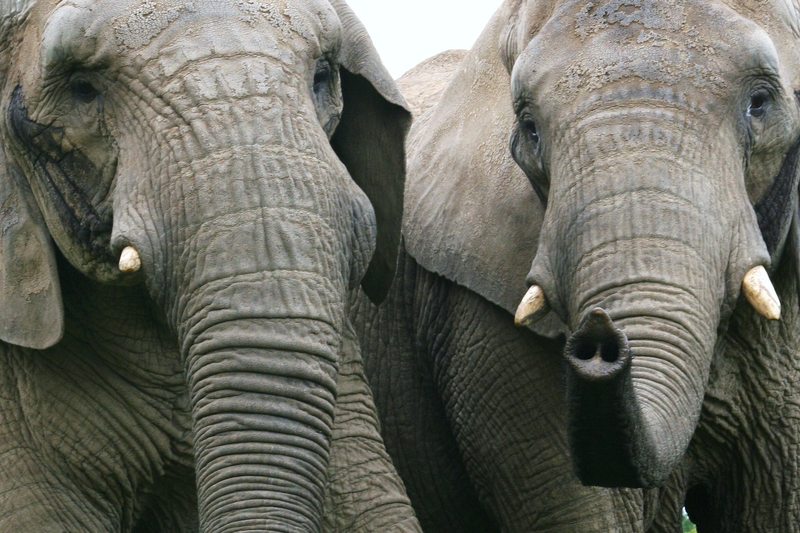
Anti-Poaching Efforts Protecting Elephant Populations
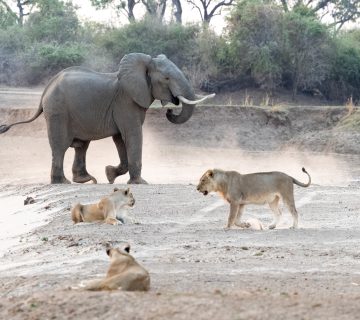
Dedicated ranger patrols and anti-poaching technology protect Samburu’s elephant population, a species particularly vulnerable given the ivory trade’s historical impact on East African elephant numbers.
Water Resource Management Along the Ewaso Ng’iro
Given the Ewaso Ng’iro River’s crucial role as Samburu’s primary water source, conservation efforts increasingly focus on managing water resources sustainably amid growing upstream demand and climate pressures.
Scientific Research Supporting Conservation Decisions
Ongoing scientific research into Samburu’s wildlife populations and ecosystem health provides the evidence base informing genuinely effective, adaptive conservation management across the reserve.
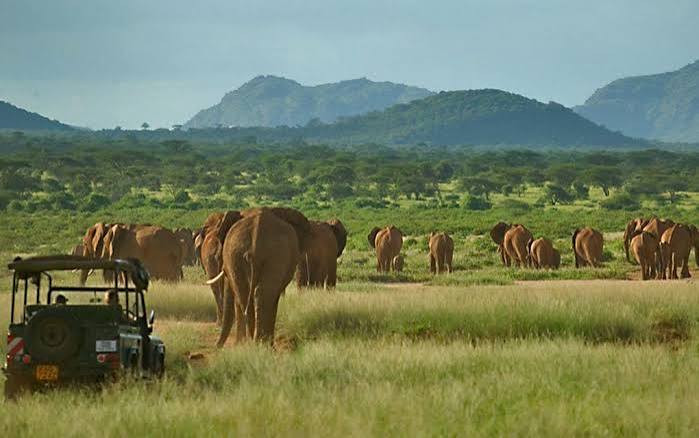
Climate Adaptation Efforts Given Increasing Aridity
Samburu’s conservation planning increasingly incorporates climate adaptation, recognizing shifting rainfall patterns and increasing drought frequency as genuine, ongoing challenges requiring proactive management responses.
How Tourism Revenue Directly Funds Conservation
Park fees and tourism revenue generated through responsible visitor spending directly fund ranger operations, research, and community programs protecting Samburu’s long-term ecological health.
Predator Conservation and Human-Wildlife Conflict Management
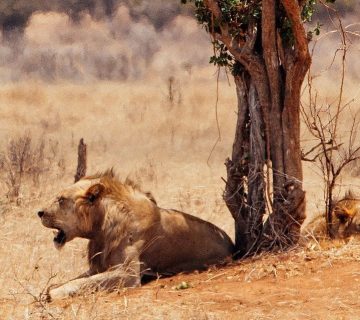
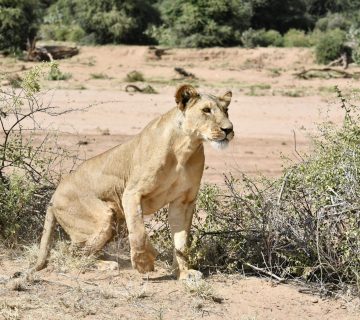
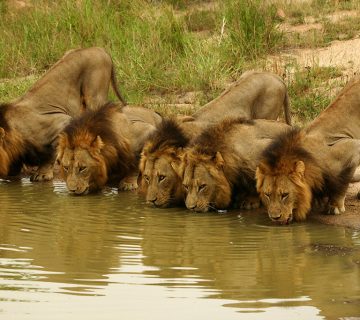
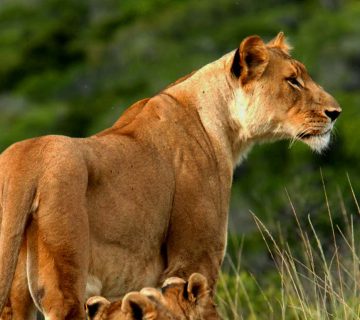
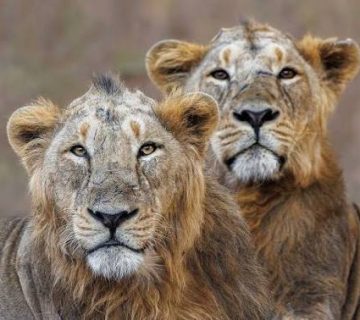
Samburu’s lion and other predator populations require careful conservation management balanced against genuine human-wildlife conflict concerns affecting neighboring pastoralist communities and their livestock.
Vegetation Restoration and Habitat Protection
Conservation programs addressing vegetation stress and habitat degradation, particularly during increasingly severe drought periods, work to protect the broader ecosystem supporting Samburu’s diverse wildlife.
Educational Programs Building Local Conservation Support
Conservation education initiatives targeting Samburu-area youth build long-term community support for wildlife protection, recognizing that sustained conservation success requires genuine local investment.
Cross-Border and Regional Conservation Collaboration
Samburu’s conservation efforts increasingly connect with broader northern Kenya conservation initiatives, recognizing that wildlife populations and habitat pressures extend well beyond the reserve’s formal boundaries.
The Role of Private Conservancies Around Samburu
Private and community conservancies bordering Samburu extend effective wildlife habitat beyond the reserve’s official boundaries, creating meaningfully larger protected landscape for wide-ranging species.
How Travelers Can Support Ongoing Conservation Work
Beyond standard park fees, travelers genuinely interested in supporting Samburu’s conservation efforts can research and contribute to specific verified organizations working in the reserve, and choose operators with demonstrated conservation commitments.
Monitoring Programs Tracking Population Health
Continuous wildlife population monitoring across Samburu allows conservation managers to detect emerging challenges early and adapt strategies before problems become severe.
Addressing Genuine Tension Between Conservation and Pastoralism
Climate pressures affecting water and grazing availability create genuine tension between wildlife conservation and Samburu’s livestock-dependent communities, tension conservation programs increasingly address through inclusive rather than exclusionary approaches.
What Makes Samburu’s Conservation Story Distinctive
Samburu’s specific combination of high aridity, unique wildlife species, and adjacent pastoralist communities creates conservation challenges genuinely distinct from wetter or more geographically buffered Kenyan reserves.
Ongoing Challenges Facing Current Conservation Efforts
Despite genuine progress, Samburu’s conservation efforts continue facing real challenges, including climate pressure, resource competition, and balancing development needs against habitat protection.
How Your Visit Connects to This Broader Conservation Story
Every responsible visitor to Samburu becomes part of this ongoing conservation story, with tourism revenue directly supporting the continued protection this remarkable ecosystem requires.
Working With Conservation-Committed Operators
Choosing tour operators and lodges with demonstrated conservation partnerships and community engagement channels your Samburu visit spending toward businesses genuinely supporting the reserve’s ecological future.
Learning More During Your Visit
Asking your guide specific, genuine questions about current conservation challenges and initiatives during your Samburu visit often reveals insight transforming a standard game drive into something more substantive.
What Long-Term Success Will Require Going Forward
Sustaining Samburu’s conservation gains over coming decades will require continued balancing of climate adaptation, community partnership, and habitat protection, ongoing work rather than a solved problem.
Why Understanding This Context Enriches Your Visit
Travelers who arrive with genuine understanding of Samburu’s conservation efforts consistently describe their safari experience as carrying deeper meaning than wildlife viewing alone would provide.
Final Thoughts on Samburu’s Conservation Journey
Understanding Samburu’s conservation achievements and ongoing challenges adds genuine depth to any visit, transforming a wildlife-viewing trip into meaningful engagement with this remarkable reserve’s future.
How International Partnerships Support Samburu’s Efforts
Samburu’s conservation work benefits from ongoing partnerships with international conservation organizations and research institutions, bringing additional expertise and resources to complement local conservation capacity.
The Role of Former Poachers in Current Protection Efforts
Some conservation programs around Samburu specifically employ former poachers as rangers and trackers, leveraging their intimate landscape knowledge for protection work while providing genuine alternative livelihoods.
What Visitors Consistently Say About This Dimension of Their Trip
Travelers who take time to learn about Samburu’s conservation story before or during their visit frequently describe it as adding genuine emotional resonance beyond wildlife photographs alone.
How Data Collection Shapes Ongoing Management Decisions
Continuous ecological monitoring across Samburu allows conservation managers to detect emerging challenges early and adapt strategies proactively rather than reactively.
A Closing Perspective on Samburu’s Ongoing Work
Samburu’s conservation achievements represent genuine, hard-won progress rather than a finished project, and travelers who understand this nuance arrive better equipped to appreciate both what has been accomplished and what remains ongoing.
How to Ask Meaningful Questions During Your Visit
Asking your guide specific questions about current Grevy’s zebra population trends or recent anti-poaching successes, rather than only wildlife identification questions, often reveals genuine passion and insight.
Bringing This Awareness Into Your Trip Planning
Choosing operators and lodges that demonstrably support Samburu’s conservation infrastructure, rather than competing purely on price, aligns your trip spending with the reserve’s genuine future.
Why Every Responsible Visit Contributes Something Real
Even a single well-planned, responsibly booked trip contributes genuinely to Samburu’s conservation funding and community programs, meaning your individual visit carries more real impact than it might initially seem.
Summing Up an Ongoing, Genuine Effort
Samburu’s conservation story reflects genuine, ongoing work across science, community partnership, and dedicated protection, and every responsible visitor becomes a real part of sustaining this effort into the future.
A Final Thought Worth Carrying With You
Long after your Samburu safari ends, understanding it as part of a genuine, ongoing conservation effort often proves more lasting than the wildlife photographs alone, shaping how travelers think about conservation well beyond the trip.
How Samburu’s Story Compares to Other Kenyan Reserves
While neighboring reserves pursue their own conservation strategies, Samburu’s specific combination of aridity, distinctive endemic species, and pastoralist community proximity creates a genuinely distinct conservation context worth understanding on its own terms.
What Long-Term Success Requires From Multiple Stakeholders
Sustaining Samburu’s conservation gains requires continued collaboration between government agencies, conservation organizations, local communities, and responsible tourism operators, a genuinely multi-stakeholder effort rather than any single actor’s responsibility.
How Climate Projections Shape Future Conservation Planning
Current climate projections for northern Kenya inform Samburu’s forward-looking conservation strategy, helping managers anticipate rather than merely react to continued environmental change affecting the reserve.
Why This Story Deserves Attention Beyond Dedicated Conservationists
Samburu’s conservation achievements and challenges offer genuine lessons relevant well beyond wildlife enthusiasts, illustrating broader principles about balancing human livelihoods against environmental protection under climate pressure.
A Closing Invitation to Engage More Deeply
Beyond simply reading about Samburu’s conservation story, travelers with genuine interest are encouraged to seek direct conversations with rangers and researchers during their visit, deepening understanding well beyond what any single article can offer.
Bringing This Story to a Close
Samburu’s remarkable wildlife exists today because of genuine, sustained conservation commitment, and travelers who understand this story leave with something more lasting than photographs alone.
Final Reflection on Choosing Samburu
Choosing Samburu means choosing to witness both extraordinary wildlife and the genuine, ongoing work required to protect it, a combination that gives this reserve real, lasting significance.
Why This Matters for the Reserve’s Next Generation
Every conservation gain protected today matters most for what it preserves for the next generation of both wildlife and the communities whose futures remain genuinely intertwined with Samburu’s health.
A Concluding Thought Worth Remembering
Samburu’s story ultimately demonstrates that genuine conservation success requires patience, partnership, and sustained commitment, lessons visitors carry with them long after departure.
Planning Your Samburu National Reserve Safari
Understanding Samburu’s conservation story adds genuine depth to experiencing its remarkable wildlife firsthand. All in Africa Safaris can connect you with conservation-focused Samburu safari experiences, or you can get in touch to plan the details of your trip.

No comment