

Cargo and Passenger Boats on Lake Kivu: Gisenyi to Kibuye and Beyond
Understanding Boat Transport on Lake Kivu
Lake Kivu is one of the most distinctive travel destinations in Rwanda, known for its deep blue water, green hills, fishing communities and towns spread along a scenic shoreline. Located along the border between Rwanda and the Democratic Republic of the Congo, the lake supports local fishing, trade, passenger transport and tourism. Boats are an important part of life for communities that depend on the water for their livelihoods and connections between settlements.
For visitors, travelling by boat offers a different perspective on western Rwanda. Instead of following winding roads through the hills, passengers can experience the lake from the water, passing small islands, lakeside villages and steep green slopes. Depending on the route and service available, boat travel may also provide a connection between lakeside communities.
Gisenyi, also known as Rubavu, lies at the northern end of Lake Kivu, close to the Congolese city of Goma. Kibuye, commonly associated with Karongi District, is farther south along the Rwandan shore. Both are popular destinations for visitors seeking lakeside scenery, relaxation and access to local activities. Other communities and landing points around the lake serve residents, fishers and travellers moving between different parts of the shoreline.
However, not every boat on Lake Kivu is a passenger ferry, and not every vessel follows a fixed public timetable. The lake has a mixture of fishing boats, cargo vessels, private boats, tourism operators and passenger services. The availability of a direct scheduled boat between Gisenyi and Kibuye should therefore be confirmed before building a journey around it.
Travellers should understand the difference between public transport, private boat hire and organised lake excursions. Each option serves a different purpose, and the most suitable choice depends on the destination, budget, schedule and reason for travelling.
Gisenyi to Kibuye by Boat
The journey between Gisenyi and Kibuye is one of the most interesting lake travel options for visitors exploring western Rwanda. Gisenyi, officially known as Rubavu in many administrative and transport contexts, is a lively lakeside town near the border with the Democratic Republic of the Congo. Kibuye, commonly used to refer to the town of Karongi, offers a quieter atmosphere, with wooded hills, small islands and hotels overlooking the lake.
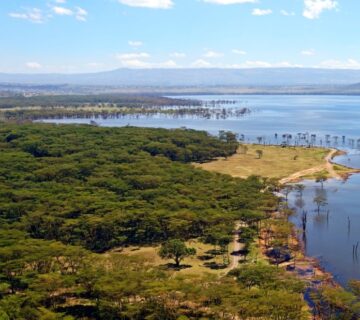
Travelling between these destinations by water can provide a scenic alternative to the road journey. The shoreline is characterised by steep hills, green vegetation, scattered settlements and bays that are not always visible from the main road. A boat journey allows passengers to experience these features directly while crossing the lake.
The important consideration is the type of service available. Travellers should not assume that a public passenger ferry operates daily between Gisenyi and Kibuye at a fixed time. Scheduled services, private boat transfers and sightseeing excursions are different arrangements, and availability can change. Private operators advertise transfers between Rubavu and Karongi, with journey times depending on the boat, route, weather and stops.
A private transfer may suit visitors who want to travel directly between accommodation areas or include a lakeside stop along the way. The operator can explain the departure point, estimated journey duration, passenger capacity and whether the service is direct or includes sightseeing. Travellers should confirm these details before paying a deposit.
The water route can also be part of a wider journey along the Congo Nile Trail, a well-known travel corridor that follows sections of Lake Kivu’s eastern shore. Some visitors hike or cycle portions of the trail and use a boat for selected transfers. This combination can reduce the need to retrace the same road while adding a different perspective on the landscape.
For anyone planning to use a boat as essential transport, it is wise to keep a road alternative available. A private excursion can be rearranged more easily than a fixed onward connection, but weather or operational changes can still affect departure times.
Passenger Boats and Public Transport Services
Passenger boats on Lake Kivu serve different needs, from local movement between communities to private tourism and longer-distance transport. Some vessels are designed to carry people between established landing points, while smaller boats may operate on demand. The availability of a service depends on the route, operator, season and current transport arrangements.
Public passenger transport should be distinguished from a private boat excursion. A public service generally follows a defined route and may operate according to a timetable, while a private charter is arranged for a particular group and can offer more flexibility. A sightseeing trip may visit islands or selected shoreline locations before returning to the original departure point.
Rwanda has been developing its inland water transport infrastructure to improve the movement of people and goods around Lake Kivu. Rubavu Port became operational in December 2024, strengthening the northern end of the lake’s transport network. Other port developments are intended to support more organised passenger services, cargo handling and regional trade.
These improvements are part of a wider effort to make water transport a more useful alternative to road travel. However, the existence of a port does not mean every route has a frequent passenger service. Travellers should confirm the actual operating schedule, boarding arrangements and ticket availability rather than relying on infrastructure announcements alone.
When asking about a public boat, establish the exact departure port, destination, departure day and arrival point. Also ask whether passengers need to book in advance, whether luggage is included in the fare and whether the service stops at intermediate ports.
If the boat is not operating on the day you intend to travel, a private charter may be possible, but the price can be substantially different from a public transport fare. Road transfers between Gisenyi and Kibuye remain an alternative for visitors who need more predictable timing.
Cargo Boats on Lake Kivu
Cargo boats play an important role in the economic life of Lake Kivu. Communities around the lake exchange agricultural produce, commercial goods, building materials and other supplies. Water transport can help move some of these goods between shoreline settlements and trading centres, reducing the need for every load to travel entirely by road.
The type of cargo vessel varies according to the operation. Some boats carry goods alongside passengers, while larger vessels are designed mainly for commercial freight. Their loading arrangements, capacity and operating requirements differ from those of small boats used for fishing or tourism.
Cargo transport can be particularly useful where roads are winding, travel distances are long or goods need to move between lakeside trading centres. For businesses, a vessel with suitable capacity may provide an alternative for moving bulky or heavy items. The actual cost advantage depends on the cargo, loading facilities, route, handling charges and final road transfer required.
Lake Kivu’s port development is intended to improve the organisation of freight and passenger movement. Modern port facilities can support cargo handling, vessel access and more structured transport operations. As these services develop, the lake may become increasingly important for domestic trade and connections with communities across the border in the Democratic Republic of the Congo.
Nevertheless, cargo boats are not automatically available for public passenger travel. A freight vessel may have limited or no facilities for carrying ordinary passengers, and a commercial cargo service should not be treated as a tourist boat. Travellers who want to cross the lake should use an operator that specifically accepts passengers and follows the relevant requirements.
Businesses planning to transport goods should confirm the type of cargo accepted, loading and unloading locations, permitted weight, packaging requirements, transit time and insurance arrangements. Perishable products may require particular handling, while oversized or heavy items may need specialised loading equipment. Any cross-border movement also requires attention to customs and other applicable procedures.
Rubavu Port and Its Role in Lake Transport
Rubavu Port is an important development for transport at the northern end of Lake Kivu. Located in the Rubavu area, it supports the broader goal of improving the movement of passengers and cargo while strengthening commercial links between Rwanda and the Democratic Republic of the Congo.
The port provides a more organised setting for maritime transport than informal landing points alone. Its development is intended to support cargo handling, passenger movement and regional trade, helping to make lake transport more practical for commercial operators.
For travellers, the distinction between a formal port and a small boat landing point matters. A port may have designated boarding areas and facilities associated with passenger or cargo operations. A private boat operator may use a different approved departure point depending on the service being offered.
Before travelling to Rubavu Port, confirm that your boat departs from there. Do not assume that every sightseeing trip, hotel transfer or private charter uses the main port. Some tourism services arrange collection from other locations along the shoreline.
If you are travelling with substantial luggage, ask about baggage handling and whether the boat has adequate storage. For a cargo shipment, confirm the required loading procedures and documentation directly with the transport company.
Port infrastructure is only one part of the transport system. A useful journey also depends on vessels being available, crews being prepared, routes being authorised and schedules matching passengers’ needs. As services develop, travellers should rely on current operating information rather than assuming that planned routes are already running regularly.
Kibuye and Karongi as Lake Transport Destinations
Karongi, widely known by the older name Kibuye, is one of the most attractive places to explore Lake Kivu. The town sits among green hills overlooking the water, with islands scattered across the lake and accommodation ranging from modest guesthouses to lakeside hotels.
For visitors, Kibuye can serve as a destination in its own right or as a stop between Rubavu and the southern part of Rwanda. Boat trips from the area may include island visits, shoreline sightseeing and transfers to selected lakeside properties. The exact options depend on local operators and the conditions at the time of travel.
Passenger transport around Karongi is particularly useful for reaching places that are easier to access from the water than by road. However, not every island or property has a regular public boat connection. Some journeys require a private arrangement, and visitors should confirm the landing point before setting out.
The town is also important to the future development of organised lake transport. Plans for improved port facilities around Karongi are intended to strengthen connections for passengers and freight. These developments could make water transport more practical for residents, businesses and visitors, although the availability of individual services will depend on actual operations.
Travellers staying in Kibuye should ask their accommodation provider about reputable boat operators, approved departure points and current trip options. Hotels may be able to help arrange a private transfer or a shorter excursion, but passengers should still confirm the full cost, route and safety arrangements with the service provider.
Travelling Beyond Kibuye Towards Rusizi
Lake Kivu extends south from Karongi towards Rusizi District, where the town of Kamembe serves as an important regional centre. This part of the lake offers a different travel experience, with quieter shoreline settlements, rural landscapes and access to southwestern Rwanda.
A journey between the northern and southern ends of Lake Kivu is a much larger undertaking than a short sightseeing trip. Travellers should not assume that a direct boat service is available every day or that every vessel serving one section of the lake continues to Rusizi.
Longer journeys may require a scheduled ferry, a private charter or a combination of boat and road transport. Depending on the service, a boat may stop at intermediate locations or follow a route designed around commercial and passenger demand. The total journey time can therefore differ significantly from a direct crossing.
Before arranging a long-distance trip, confirm the complete route and whether passengers can board and disembark at each intended stop. Ask about overnight arrangements if the service does not complete the journey within the same day. Also establish whether the operator will provide updates if weather or operational issues affect departure.
Rusizi is relevant to Rwanda’s broader plans for lake transport infrastructure. Improved port facilities are intended to support cargo and passenger movement in the southern part of the lake, including connections with regional trading centres. As these facilities and services develop, they may expand the practical options for travelling along Lake Kivu.
For visitors planning to continue to Nyungwe National Park, a road transfer from the Karongi or Rusizi area may be more straightforward than relying entirely on a boat. The best route depends on where the safari begins and ends, the available transport services and the amount of time allocated to the lake.
Boats Between Rwanda and the Democratic Republic of the Congo
Lake Kivu forms part of the boundary between Rwanda and the Democratic Republic of the Congo. Towns on opposite sides of the lake have longstanding social and commercial connections, and boats contribute to the movement of goods and people across this border region.
Rubavu and Goma are major urban centres near the northern end of the lake. Water transport has the potential to provide a practical connection between them, while other routes link communities and trading points farther along the shoreline. However, international boat travel involves different requirements from a domestic sightseeing excursion.
Passengers crossing an international border must follow the relevant immigration, customs and entry requirements. A boat operator’s willingness to carry passengers does not replace the need for appropriate travel documents or official clearance.
Before booking a cross-border trip, confirm whether the vessel is authorised to carry international passengers, which port handles immigration formalities and what documents are required for your nationality. Ask whether the fare includes any applicable port charges and whether the boat arrives at an official border-processing location.
Travellers should also check current border conditions and official travel advice before departure. Services may be affected by administrative requirements, security conditions, weather or changes to the operator’s schedule. A domestic boat excursion should never be assumed to provide permission to enter the neighbouring country.
Cargo transport across the lake also requires appropriate documentation. Commercial shipments may be subject to customs declarations, inspection, taxes and other procedures. Businesses should work with an operator familiar with the route and the relevant border requirements.
For visitors who simply want to enjoy the scenery, a domestic boat trip on the Rwandan side may be easier to organise than an international crossing. It can provide a memorable experience without the additional arrangements involved in travelling between countries.
Private Boat Charters and Scenic Lake Trips
Private boat charters are often the most flexible option for visitors who want to explore Lake Kivu at their own pace. Depending on the operator, a charter may be arranged for a short scenic trip, an island visit, a transfer between selected shoreline locations or a longer journey between Rubavu and Karongi.
The main advantage is flexibility. Travellers can discuss their preferred departure time, destination and possible stops with the operator. This is useful for families, couples, small groups and photographers who want to spend more time enjoying the lake rather than following a fixed excursion schedule.
However, flexibility does not mean that every request can be accommodated. The operator must consider the vessel’s range, passenger capacity, fuel, weather, landing permissions and the time required to return safely. A longer journey may require a different boat from one used for a short sightseeing trip.
Private charters are usually more expensive than public passenger transport because the customer is paying for a dedicated service. The cost may depend on the boat type, number of passengers, route length, fuel requirements, waiting time and whether the operator needs to travel from another departure point to collect the group.
When comparing quotations, confirm whether the price covers the full journey or only a one-way trip. Ask whether the operator charges extra for waiting, additional stops, island visits or a return journey. It is also important to establish what happens if weather prevents the trip from operating as planned.
For a longer private transfer, request the estimated duration and agree on the intended arrival point before paying. A transfer advertised as a few hours can take longer if conditions require a slower crossing or a change of route.
What to Expect During a Boat Journey on Lake Kivu
A boat journey on Lake Kivu can be peaceful and scenic, but the experience varies according to the vessel, route and weather. Some boats are designed for comfortable private excursions, while others are practical transport vessels with basic seating and limited facilities.
Passengers may see fishing boats, small settlements, forested slopes and islands along the way. Depending on the route, they may also pass near bays, beaches and lakeside accommodation. The landscape changes as the shoreline curves around hills and opens into broader stretches of water.
The lake can appear calm, particularly during favourable weather, but conditions can change. Wind, rain and reduced visibility may affect travel, so passengers should follow the operator’s advice and accept delays when necessary.
Facilities may be limited on smaller vessels. Toilets, covered seating, refreshments and secure luggage storage are not guaranteed. Ask what is available before booking, particularly if the journey will take several hours or includes children and older travellers.
Arrive at the agreed departure point early enough to complete boarding arrangements. Keep your travel documents, phone and essential medication accessible, and protect electronic equipment from water. If you are travelling with a suitcase or bulky luggage, confirm that the boat has sufficient storage space.
Do not board an overloaded vessel or travel with an operator who cannot explain the safety arrangements. The boat should have suitable life-saving equipment, and passengers should receive clear instructions about where to sit and what to do during the journey.
Safety Rules for Passenger Boats
Safety is important on every boat journey, whether it involves a short excursion or a longer transfer across Lake Kivu. Travellers should use a reputable operator that understands the route, follows applicable requirements and provides suitable equipment for the vessel and passengers.
Life jackets should be available in appropriate sizes and accessible to passengers. Ask how they are fitted and follow the crew’s instructions. If you are travelling with children, confirm that suitable child-sized equipment is available before boarding.
Pay attention to passenger capacity. A small boat should not carry more people than it is designed or permitted to accommodate. Excess passengers and poorly distributed cargo can affect stability and increase risk, especially when conditions deteriorate.
Weather should also be considered before departure. If the operator postpones a journey because of strong winds, rain or other concerns, do not pressure the crew to continue. A delayed boat trip is preferable to a journey undertaken in unsuitable conditions.
Passengers should remain seated when instructed, avoid leaning over the sides and keep their hands clear of moving equipment. Follow directions when boarding and disembarking, particularly where there is no large pier or formal terminal.
Keep valuables secure and avoid carrying unnecessary items onto a small vessel. If you are unfamiliar with the route, tell the operator if you have concerns about the duration, facilities or accessibility of the boat.
How Much Does Boat Travel on Lake Kivu Cost?
The cost of travelling by boat depends on whether you are using public transport, hiring a private boat or booking an organised sightseeing excursion. There is no single fare that applies to every route around Lake Kivu.
A public passenger service, where available, may charge according to the route and ticket category. A private charter is usually priced according to the boat, journey length, number of passengers and operating costs. A short island excursion is not directly comparable with a transfer between Rubavu and Karongi.
Cargo charges follow a different structure. Businesses may pay according to the weight, volume, type of goods and distance travelled. Loading, unloading, storage and documentation can also affect the final cost.
Travellers should request a current quotation rather than relying on prices reported by other visitors. If the service is a public ferry, confirm the ticket price and departure schedule directly with the operator or port. If it is a private charter, ask for a written breakdown of what the quoted price includes.
For group travel, compare the total charter cost with the cost of individual tickets on an available public service. A private boat may provide greater flexibility, but it is not always the cheapest option.
Also consider the cost of reaching the departure point. A boat journey may require a hotel transfer or a road journey to a particular port. These expenses can influence whether travelling by water offers a genuine saving compared with using a vehicle for the entire trip.
Planning a Lake Kivu Journey Around Your Rwanda Itinerary
Boat travel works best when it is planned as part of a wider itinerary rather than treated as an automatic substitute for road transport. Visitors often combine Lake Kivu with Kigali, Volcanoes National Park, Nyungwe National Park or other destinations in western Rwanda.
A traveller arriving from Kigali might visit Rubavu before arranging a boat excursion or private transfer towards Karongi. Another itinerary might begin in Karongi and continue south towards Nyungwe. The most practical arrangement depends on the direction of travel, available services and the amount of time available.
If you intend to travel between Rubavu and Karongi by boat, confirm the service before booking accommodation around a particular arrival time. Do not schedule an essential activity immediately after an uncertain departure. Allow enough flexibility for changes caused by weather or vessel availability.
For visitors with limited time, travelling by road may be easier to coordinate because road transfers can generally be arranged independently of boat schedules. Boat travel is particularly appealing when the lake experience itself is part of the holiday, or when a confirmed service provides a convenient connection between destinations.
Travellers should also consider their luggage. A private sightseeing boat may be suitable for a small day bag but less convenient for several large suitcases. If you are changing hotels, ask whether the operator can carry your luggage safely and whether a separate road transfer would be more appropriate.
For longer trips, confirm the arrival point carefully. A boat may arrive at a port or landing site that is some distance from your hotel or next destination. Arrange onward transport in advance if taxis or other vehicles may be limited at the landing point.
The Future of Cargo and Passenger Transport on Lake Kivu
Lake Kivu’s transport system is developing as Rwanda invests in ports and seeks to improve connections between lakeside communities. Better facilities can help organise passenger boarding, cargo handling and the movement of vessels between designated locations.
These developments may create more opportunities for residents, traders and visitors. Businesses could benefit from additional options for transporting goods, while passengers may gain access to services that reduce dependence on road travel. Tourism operators may also be able to combine boat transfers with walking, cycling and other experiences along the lake.
However, infrastructure development and the availability of regular services are not the same thing. Ports must be supported by operating vessels, trained crews, clear regulations, reliable schedules and demand from passengers and cargo customers. Routes may develop at different speeds, and some services may remain occasional or dependent on private arrangements.
For travellers, the practical lesson is to confirm what is operating rather than assuming that a planned ferry route is already available. Ask about the exact vessel, route, departure time and arrival location. For cargo customers, confirm the operator’s capacity and handling arrangements before committing to a shipment.
Lake Kivu has considerable potential as both a transport corridor and a tourism destination. Its combination of commercial activity, lakeside communities and dramatic scenery makes boat travel an interesting part of exploring western Rwanda. With proper planning, travellers can choose between public services where available, private transfers and scenic excursions while understanding the practical differences between them.






No comment