
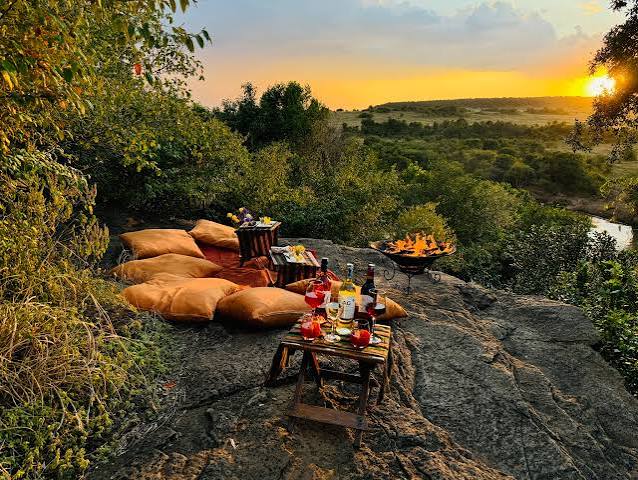
Camping Near the Mara River: Hearing a Crossing at Dawn
Camping near the Mara River offers one of the most memorable ways to experience Africa’s Great Wildebeest Migration. As the first light appears over the savannah, the sounds of thousands of wildebeest calling, moving through the grass and gathering near the river can create an extraordinary start to the day. For travellers staying in safari camps around Kenya’s Maasai Mara or Tanzania’s northern Serengeti, these early morning moments provide an opportunity to experience the migration beyond ordinary game drives.
The Mara River is famous for dramatic wildebeest crossings, where enormous herds enter crocodile-inhabited waters while travelling between seasonal grazing areas. However, the animals do not cross according to a predictable schedule. Some herds gather at dawn, others cross later in the day, and many approach the water before retreating without entering.
Staying close to the river allows safari visitors to begin their wildlife excursions early and spend more time observing migration activity. Although hearing wildebeest calling near your camp does not guarantee a crossing, the atmosphere, surrounding wildlife and access to important viewing locations make a northern Serengeti or Maasai Mara camping safari particularly rewarding.
What Makes Camping Near the Mara River Special?
The Mara River flows through the Serengeti–Mara ecosystem, connecting important wildlife habitats in Kenya and Tanzania.
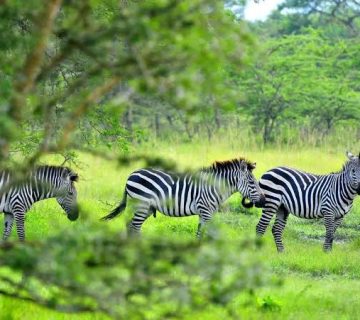
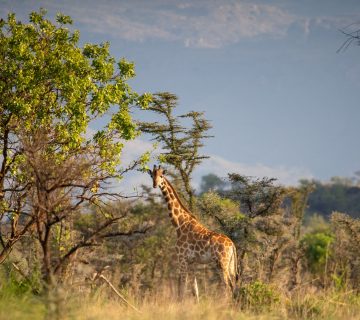
Its surrounding grasslands support migrating wildebeest, plains zebras, gazelles, elephants, giraffes and numerous predators.
During the main migration season, large herds may gather near different sections of the river, creating impressive wildlife encounters.
Safari camps situated within suitable parts of the ecosystem provide opportunities to experience these surroundings early in the morning and after returning from afternoon game drives.
Unlike a short visit from a distant lodge, staying nearby can reduce the amount of time spent travelling to migration viewing areas.
Quick Facts About Mara River Camping Safaris
| Feature | Description |
|---|---|
| Main destinations | Maasai Mara, Kenya, and northern Serengeti, Tanzania |
| Famous river | Mara River |
| Main migration period | July to October |
| Often favourable months | August and September |
| Main migrating animals | Wildebeest and plains zebras |
| Common predators | Lions, spotted hyenas and Nile crocodiles |
| Accommodation | Seasonal tented camps, permanent safari camps and lodges |
| Recommended stay | 3–4 nights |
| Main experience | Early wildlife sounds, game drives and possible river crossings |
Why Dawn Is an Interesting Time Near the Mara River
Dawn is one of the most atmospheric periods of a safari.
As darkness begins to disappear, bird calls increase, grazing animals become easier to see and the surrounding landscape gradually becomes visible.
Wildebeest are highly vocal animals. Their repeated grunting calls can carry across nearby grasslands, especially when large herds are gathered.
Zebras may also produce distinctive barking calls while moving between feeding areas.
From a properly located safari camp, visitors may hear these animals without seeing them immediately.
However, sound travels differently depending on wind direction, terrain and the distance between wildlife and the camp.
Can You Hear a Wildebeest Crossing From Camp?
It is possible to hear substantial wildlife movement when animals are close enough, but this depends on the exact camp location.
A crossing may involve loud calls, splashing water and considerable movement around the riverbanks.
However, many safari camps described as being near the Mara River are several kilometres from the main crossing locations.
Some camps overlook the river, while others are positioned within surrounding woodland or grassland.
Travellers should therefore avoid assuming that every Mara River camp provides an audible or visible crossing experience.
The most reliable way to observe a crossing is through an authorised guided game drive.
What Does a Wildebeest Crossing Sound Like?
Large wildebeest crossings involve several different sounds.
Before entering the river, animals may gather closely together, producing repeated grunts and other vocalisations.
When the crossing begins, the movement of many animals into the water can create loud splashing.
Hooves striking rocky ground and muddy riverbanks may also contribute to the surrounding noise.
Some wildebeest call while swimming or attempting to reach the opposite bank.
Sounds You May Hear
Deep grunting calls from gathering wildebeest.
Zebra calls from nearby grazing groups.
Water splashing as animals enter the river.
Hooves moving over rocky or muddy ground.
Birds calling from riverine trees.
Hippos vocalising in suitable river sections.
Lions or hyenas calling in the surrounding savannah.
These sounds vary considerably between locations and wildlife encounters.
A quiet morning can be equally interesting, particularly when bird calls and distant animal movements are the main sounds around camp.
Why Wildebeest Sometimes Cross at Dawn
Wildebeest crossings can occur at different times during daylight hours.
Some herds approach the river early in the morning after moving or grazing nearby.
Others remain along the banks until later in the day.
The decision to enter the river is influenced by changing herd movements, river conditions and potential dangers.
Crocodiles, strong currents and steep banks create additional challenges.
However, scientists have not identified a single time of day when all major crossings take place.
Dawn is attractive for safari viewing because temperatures are generally cooler and the morning light is favourable for photography.
It should not be treated as a guaranteed crossing period.
Where to Camp Near the Mara River
Both Kenya and Tanzania offer accommodation within reach of important migration areas.
Your choice should depend on the time of year, the expected location of migrating herds and the distance between camp and authorised river viewing areas.
Northern Serengeti: Kogatende
Kogatende is among the most important areas for travellers visiting the northern Serengeti during the Mara River crossing season.
The region contains seasonal tented camps and permanent accommodation facilities that provide access to surrounding migration habitats.
Staying in Kogatende can reduce driving distances compared with accommodation in central Serengeti.
However, actual transfer times depend on camp location, road conditions and the crossing site being used.
Lamai Wedge
The Lamai Wedge lies within northern Serengeti, close to the Kenyan border.
Its grasslands support migrating wildebeest and other wildlife during suitable seasonal conditions.
Accommodation in this area can provide a quieter safari experience, depending on the camp and travel dates.
Some river crossing locations may require longer drives because access routes vary.
Maasai Mara National Reserve
Kenya’s Maasai Mara contains safari camps and lodges offering access to the migration landscape.
Accommodation may be located within the reserve, neighbouring conservancies or surrounding areas.
Before booking, confirm whether the camp provides convenient access to the Mara River.
A camp with a river-related name is not necessarily close to an active crossing point.
Mara Triangle
The Mara Triangle occupies the western part of the Maasai Mara ecosystem.
It provides access to grasslands and river sections associated with migration activity.
Accommodation in suitable locations can allow early departures for authorised wildlife excursions.
Seasonal Tented Camps vs Permanent Safari Camps
Travellers can choose between different accommodation styles.
Seasonal migration camps operate during particular periods and may relocate between regions as the migration changes. They often use furnished canvas tents with comfortable beds, private washing facilities and shared dining areas.
Permanent safari camps remain in established locations throughout the year or for extended seasons. These may provide more substantial facilities while retaining a close connection with the surrounding landscape.
Both options can offer excellent wildlife experiences.
The most important consideration is how well the camp’s location matches your safari dates and interests.
Best Time to Camp Near the Mara River
The main river-crossing season generally occurs between July and October.
August and September are often particularly attractive months because substantial numbers of migrating wildebeest may gather in northern Serengeti and the Maasai Mara.
However, rainfall and grazing conditions determine where the herds move.
Mara River Camping Season
| Month | Typical migration conditions |
|---|---|
| July | Migrating herds may reach northern Serengeti and the river |
| August | Often favourable for crossing activity |
| September | Large herds may remain around the Mara River |
| October | Crossings may continue depending on rainfall |
| November | Many herds begin moving towards southern grazing areas |
These seasonal patterns are approximate.
Travellers should confirm recent herd movements before finalising their safari itinerary.
What to Expect During an Early Morning Safari
A typical early morning in a northern Serengeti or Maasai Mara camp begins with preparations for a guided game drive.
Depending on camp arrangements, guests may receive an early wake-up call and enjoy tea or coffee before departure.
The guide then selects a route based on recent wildlife activity and authorised access.
If large wildebeest herds are gathering near the Mara River, the vehicle may travel towards a suitable viewing location.
However, game-drive schedules depend on protected-area operating hours. Visitors should not expect to drive through the national park before permitted departure times.
Watching Herds Approach the River
Wildebeest may gather along riverbanks for considerable periods.
Some animals move towards the edge while others remain farther away.
A herd can begin crossing suddenly, but it may also retreat without entering the water.
Patient observation is therefore essential.
A knowledgeable guide can explain animal behaviour and select suitable viewing positions without interfering with the herd.
Wildlife You May Hear Around Camp at Night
The Mara River ecosystem supports numerous animals that become active after sunset.
Lions may roar from distant grasslands, while spotted hyenas communicate through calls that carry across open country.
Hippos may leave the water to graze at night, particularly around suitable river habitats.
Birds, insects and amphibians also contribute to the natural sounds surrounding safari camps.
However, wildlife activity varies, and guests should never leave their tents to investigate unfamiliar sounds.
Are Safari Camps Near the Mara River Safe?
Established safari camps operate with safety procedures designed for environments where wild animals may be present.
Many camps have trained staff who accompany guests between tents and shared facilities after dark.
Visitors should follow all safety instructions, remain inside their accommodation when advised and never approach wildlife.
Avoid keeping food outside your tent because it may attract animals.
A tented safari provides a close connection with nature, but it remains a managed wildlife experience rather than unrestricted camping in the bush.
Photography Tips for a Dawn Migration Safari
Early morning light can create excellent conditions for photographing wildebeest and surrounding landscapes.
A telephoto lens of approximately 100–400 mm provides flexibility for capturing individual animals and larger herds.
For running or swimming wildebeest, use a shutter speed around 1/1000–1/2000 second when sufficient light is available.
Wider photographs can capture the size of a gathering herd and the landscape around the Mara River.
Because crossings happen unpredictably, keep your camera equipment accessible during authorised game drives.
Avoid asking guides to drive too close to riverbanks or obstruct migrating animals.
How Many Nights Should You Camp Near the Mara River?
Travellers interested primarily in observing crossings should consider staying at least three or four nights in the northern Serengeti or Maasai Mara.
This provides several opportunities to search for migrating herds.
A longer stay also allows flexibility when crossing activity is limited by changing animal movements.
However, even a week near the river cannot guarantee that a crossing will occur.
The best safari itinerary combines migration viewing with other wildlife experiences, including game drives across surrounding grasslands.
Suggested Four-Day Mara River Camping Safari
Day 1: Arrival and Afternoon Game Drive
Arrive at your selected safari camp in northern Serengeti or the Maasai Mara.
Enjoy an afternoon game drive, searching for wildebeest, zebras and resident predators.
Return to camp for dinner and an evening surrounded by the natural sounds of the savannah.
Day 2: Early Morning Migration Viewing
Begin with an early morning departure at the permitted time.
Travel towards suitable Mara River viewing locations.
If wildebeest are gathering nearby, spend time observing their movements.
Continue searching for wildlife during the afternoon before returning to camp.
Day 3: Explore Different Crossing Areas
Use recent sightings to guide the day’s activities.
Explore suitable grassland and river habitats while looking for migrating herds.
Possible wildlife encounters include lions, elephants, crocodiles, giraffes and numerous bird species.
Day 4: Final Game Drive and Departure
Enjoy a final morning wildlife excursion before leaving camp.
Depending on your itinerary, continue towards another safari destination or transfer to a nearby airstrip.
Responsible Camping and Wildlife Viewing
Safari camps and visitors have an important responsibility to protect the Mara River ecosystem.
In Serengeti National Park, official river-crossing guidelines require vehicles to remain in designated viewing areas and avoid blocking migrating animals.
Visitors must remain inside their vehicles at crossing locations, and picnics are not permitted along the designated riverbanks.
Responsible travellers should also avoid littering, excessive noise and unnecessary disturbance around wildlife.
Camping must take place at authorised facilities or permitted campsites.
These practices help conserve migration routes and maintain suitable conditions for future wildlife viewing.
Why Camping Near the Mara River Is Worth Experiencing
Camping near the Mara River provides an opportunity to experience the Great Migration beyond the brief moments when wildebeest enter the water.
The early morning calls of grazing herds, changing light across the grasslands and movement of wildlife around the river create a memorable safari atmosphere.
Staying close to suitable migration habitats can also reduce travel time and provide more opportunities for patient wildlife observation.
However, no camp can guarantee that visitors will hear or witness a crossing at dawn.
For travellers visiting Kenya’s Maasai Mara or Tanzania’s northern Serengeti, choosing a well-located camp, spending several nights in the region and travelling with an experienced guide can make the safari more rewarding.
Whether you witness thousands of wildebeest crossing the river or simply hear distant herds calling as morning approaches, the experience provides a fascinating introduction to one of Africa’s most remarkable wildlife landscapes.


No comment