
Botswana’s Okavango Delta: Mokoro Safaris Through a Water Wilderness
Rivers normally flow toward the ocean. The Okavango does something stranger: it flows directly into the middle of the Kalahari Desert and simply stops, fanning out into a vast inland delta that never reaches the sea at all. Botswana’s Okavango Delta, a UNESCO World Heritage Site since 2014, offers a genuinely unique way to experience African wildlife, gliding silently through flooded channels by traditional mokoro canoe rather than bouncing along a dusty game-drive track.
Key Highlights
- The Okavango Delta is a vast inland river delta in northern Botswana, uniquely flowing into the Kalahari Desert rather than the ocean
- Designated a UNESCO World Heritage Site in 2014 for its ecological significance and unique hydrology
- Floodwaters originate from seasonal rains in the Angolan highlands, travelling through Namibia before reaching Botswana
- Annual flooding begins around April, with water levels typically peaking between June and August
- Mokoro, traditional dugout canoes used by the local Bayei people, offer the delta’s signature silent wildlife-viewing experience
- Flood season, roughly May through October, offers the strongest mokoro access and wildlife concentration
A River That Flows the Wrong Way
Unlike virtually every other major river system, which eventually drains into an ocean, the Okavango River empties directly into the Kalahari Desert’s flat sands, creating an enormous inland delta rather than a conventional river mouth. This genuinely unusual hydrology means the delta’s water doesn’t originate locally in Botswana at all; instead, it travels an extraordinary journey from seasonal rains falling in Angola’s distant highlands, flowing southeast through Namibia before finally fanning out across Botswana’s delta floodplain months later.
Why the Flood Arrives Months After the Rain
The delay between rainfall in Angola and peak flooding in Botswana, often several months, reflects the sheer distance and gradual pace at which water travels through this river system before reaching the delta itself, meaning the Okavango’s flood season actually arrives during Botswana’s own dry season, a genuinely counterintuitive timing that shapes the entire visitor experience here.
UNESCO Recognition for a Genuinely Unique Ecosystem
The Okavango Delta’s 2014 UNESCO World Heritage Site designation recognised both its exceptional hydrology and the rich biodiversity this unusual inland delta system supports, a genuinely rare ecological phenomenon found in only a handful of comparable locations anywhere on Earth. This recognition reflects the delta’s significance well beyond simple tourism appeal, acknowledging a genuinely distinctive natural system that functions unlike almost any other major wetland on the planet.
The Mokoro: A Traditional Way to Experience the Delta
The mokoro, a traditional dugout canoe used for generations by the local Bayei people, remains the delta’s signature way to experience its flooded channels, offering a silent, low-impact glide through papyrus-lined waterways that no motorised vessel or vehicle could replicate. Gliding past grazing elephants, wading birds and the delta’s abundant other wildlife from water level, propelled by a skilled local poler rather than an engine, delivers a genuinely intimate connection to the landscape unlike any standard game drive.
What a Mokoro Excursion Actually Involves
A typical mokoro trip combines quiet water travel with guided walks on the delta’s numerous small islands, giving visitors both the water-based silent approach and standard on-foot wildlife tracking within a single excursion, a genuinely varied activity format unique to this specific wetland ecosystem.
Flood Season: When to Experience the Delta at Its Fullest
The delta’s flood season, roughly May through October, offers the strongest mokoro access and the most dramatic wildlife concentration, as the rising waters expand navigable channels into areas inaccessible during lower water periods while simultaneously drawing wildlife toward the delta’s expanding water resources. Some years bring exceptionally strong floods, opening up considerably more of the delta’s channel network to mokoro access than a typical season allows, a detail worth confirming with your operator given how meaningfully flood intensity varies year to year.
Timing Your Visit Around the Flood
Because the flood’s exact timing and intensity shifts annually depending on conditions far upstream in Angola, confirming current delta conditions with a knowledgeable local operator closer to your travel dates gives a considerably more reliable guide to what you’ll actually experience than relying on a fixed seasonal calendar alone.
Wildlife Within the Delta
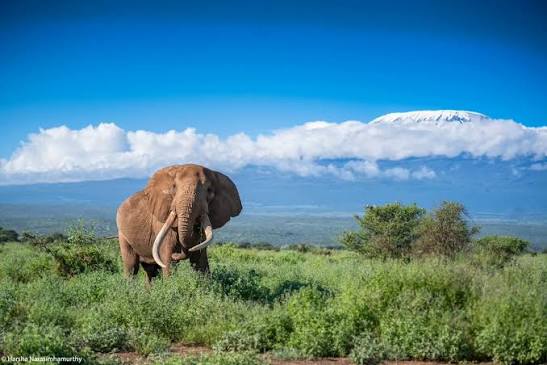
The Okavango Delta supports genuinely exceptional wildlife density, including one of Africa’s largest elephant populations, alongside lion, leopard, buffalo, and a wide range of antelope species adapted to this unique combination of permanent water channels, seasonal floodplain and drier island terrain. This habitat diversity within a single ecosystem gives the delta real wildlife-viewing substance well beyond its mokoro novelty alone, a genuine Big Five destination layered on top of its unique hydrological character.
Planning Your Visit
Getting There
Most Okavango Delta visits begin with a flight into Maun, Botswana’s safari gateway town, followed by a short light aircraft transfer directly to a delta-based camp, reflecting the delta’s genuinely remote, water-based geography that standard road access simply can’t reach.
Combining Mokoro With Other Activities
Beyond mokoro excursions, most delta camps also offer standard game drives and walking safaris on the delta’s drier islands, giving visitors a genuinely well-rounded combination of water-based and land-based wildlife viewing within a single stay.
The Bayei People and Mokoro Tradition
The mokoro’s history runs considerably deeper than tourism, originally developed and refined by the Bayei people as a genuinely practical means of transport and fishing across the delta’s flooded channels, a tradition passed down through generations long before the delta became an international safari destination. Modern mokoro polers typically come from communities with direct historical connection to this tradition, giving the experience genuine cultural authenticity rather than a tourism-invented novelty activity.
Traditional Craftsmanship Meeting Modern Conservation
While historically carved from single large tree trunks, many modern mokoro are now built from fibreglass specifically to reduce pressure on the delta’s hardwood tree populations, a deliberate conservation adaptation that preserves the traditional canoe’s form and function while addressing genuine environmental sustainability concerns around sourcing enough suitable trees to meet tourism demand.
A Delta Shaped by Its Many Islands
Beyond its flooded channels, the Okavango Delta contains thousands of small islands, ranging from tiny termite-mound-anchored patches of dry ground to considerably larger islands supporting their own distinct woodland habitat, each created and shaped by the delta’s unique hydrological processes over time. These islands serve as genuine refuges for wildlife during flood season, concentrating animals onto drier ground in ways that considerably improve game-viewing predictability precisely when water levels are highest.
How Termites Shape the Delta’s Landscape
Remarkably, many of the delta’s smaller islands originate from termite mounds, which provide just enough elevated, stable ground for vegetation to eventually establish itself and gradually expand into a genuine island over time, a fascinating ecological process directly shaping the delta’s distinctive island-studded landscape.
Where to Stay in the Delta
Okavango Delta camps range from more accessible tented properties to genuinely ultra-luxury lodges, almost all positioned to maximise direct access to water channels for mokoro excursions alongside standard game-drive terrain on the larger islands. Given the delta’s remote, aircraft-access-only geography, accommodation here generally commands a premium over standard road-accessible safari destinations elsewhere in Southern Africa, reflecting both the exclusivity of the setting and the genuine logistical complexity of supplying and running a camp in such a remote wetland environment.
Water Camps vs Land Camps
Some delta properties sit directly on permanent water channels, offering mokoro access right from camp, while others sit on larger, drier islands better suited to vehicle-based game drives, a distinction worth discussing with your operator depending on whether water-based or land-based activities matter more to your specific priorities.
Combining the Delta With a Wider Botswana Safari
Many travellers pair an Okavango Delta stay with time in nearby Moremi Game Reserve or the Chobe National Park area further north, building a broader Botswana itinerary that combines the delta’s unique water-based wildlife viewing with more conventional game-drive-focused destinations. This combination lets visitors experience Botswana’s genuine range, from the delta’s singular wetland ecosystem to drier savanna terrain, within a single, well-structured trip.
Why the Delta Rewards a Slower Pace
Unlike a conventional savanna safari built around covering ground to find wildlife, an Okavango Delta stay genuinely rewards slowing down, drifting silently through a channel, waiting patiently for an elephant to cross ahead, or simply absorbing the sounds and light of a landscape unlike anywhere else in Africa. Travellers who approach the delta with this unhurried mindset, rather than treating mokoro excursions as a brief novelty activity squeezed between standard game drives, consistently describe their time here as among the most genuinely memorable of an entire African trip.
Frequently Asked Questions
Why does the Okavango Delta flood during Botswana’s dry season?
The floodwater originates from rains falling months earlier in Angola, travelling a long distance downstream before reaching the delta, creating a delay that puts peak flooding during what would otherwise be Botswana’s dry season.
Is a mokoro safari safe?
Yes, when guided by experienced local polers familiar with the specific channels and wildlife patterns, mokoro excursions are a well-established, safe way to experience the delta.
What’s the best time of year to visit for mokoro access?
Flood season, roughly May through October, offers the strongest water levels and widest channel access for mokoro excursions.
How do I actually get into the Okavango Delta?
Most visits route through Maun, Botswana’s safari hub, followed by a light aircraft transfer directly to a delta camp.
Does the delta offer standard Big Five game viewing too?
Yes, alongside its unique mokoro experience, the delta supports strong populations of elephant, lion, leopard and buffalo.
Recommended Safaris
The Okavango Delta offers one of Africa’s most genuinely distinctive safari experiences. Ready to glide through this unique inland wilderness by mokoro? Reach our team through our Book Now page and we’ll plan it around your dates.

No comment