
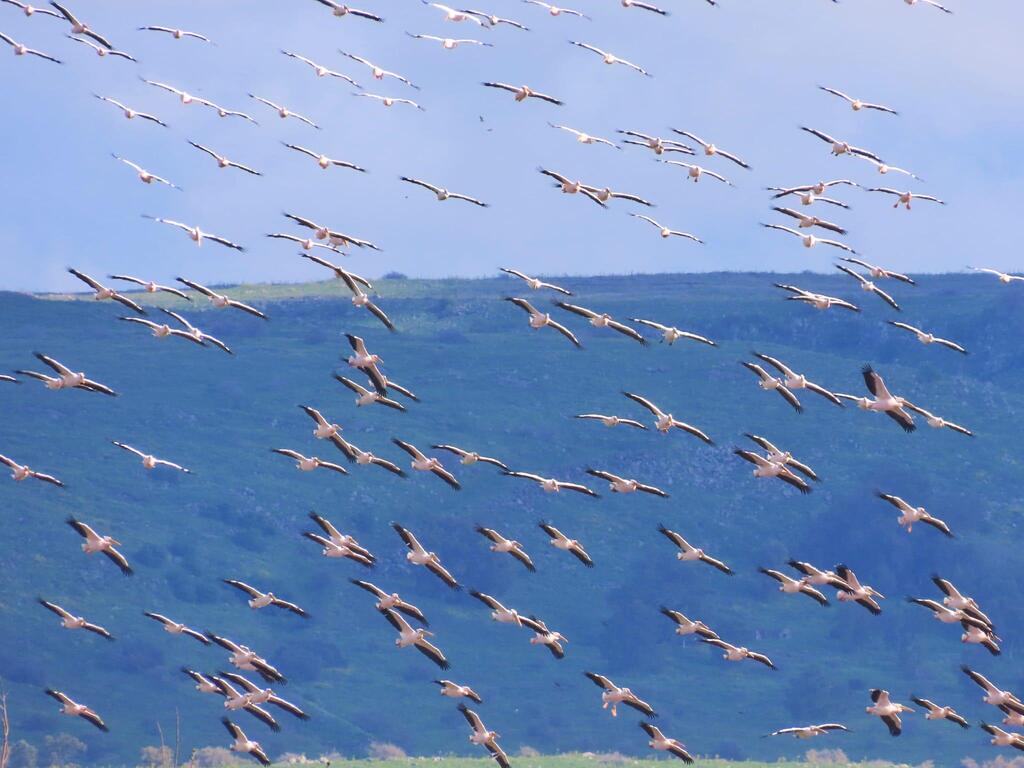
Birding During the Great Migration
Birding During the Great Migration: Serengeti and Maasai Mara
Birding During the Great Migration: Discovering the Birds Behind Africa’s Greatest Wildlife Spectacle
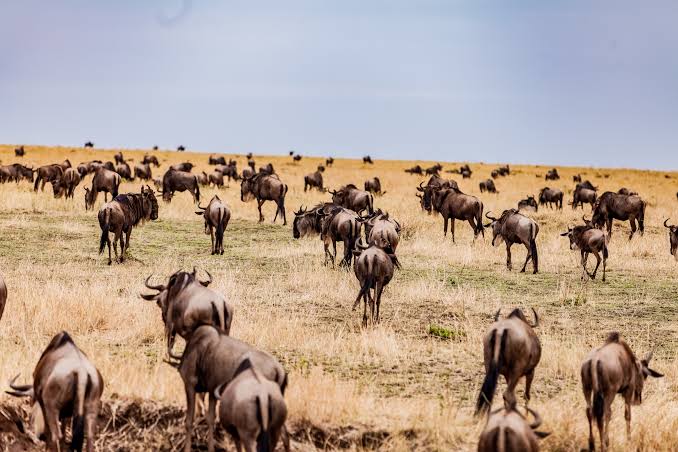
The Great Migration is one of Africa’s famous wildlife events. It draws crowds with its herds of wildebeest and zebra. These animals move across the plains in search of grazing and water.. Beneath the drama of hooves, dust, rivers and predators there is another story. A story that deserves as much attention. Thousands of birds live, breed, hunt and move through the landscapes. This creates opportunities for anyone who loves African birdlife. Birding During the Great Migration adds a dimension to a safari. It allows you to experience the Serengeti and Maasai Mara as living ecosystems. Not just as places to watch mammals.
The migration usually moves through Tanzania’s Serengeti ecosystem and Kenya’s Maasai Mara.. Its exact location changes each year. It depends on rainfall and grazing conditions. This movement of animals transforms the landscape throughout the year. Fresh grass attracts herbivores. Herbivores attract predators.. The abundance of wildlife creates feeding opportunities for many birds. From soaring raptors scanning the plains to ground-dwelling species walking among grazing herds birds are always responding to the changes.
For people the migration begins with the hope of seeing a dramatic river crossing.. A massive herd stretching toward the horizon. These moments can be unforgettable.. Looking beyond the main spectacle can reveal equally rewarding experiences. A crowned crane standing quietly beside a wetland. A secretarybird walking through grass.. A flock of vultures circling above a distant carcass. These can become some of the memorable sightings of the entire journey.
Why the Great Migration Is Excellent for Birdwatching
The migration creates a changing environment.. Birds benefit from the abundance of food linked to large concentrations of mammals. Grazing animals disturb insects as they move through grasslands. This gives insect-eating birds opportunities to feed. Predators and scavengers benefit from carcasses.. Birds of prey take advantage of small mammals and reptiles across the plains.
Birding During the Great Migration also provides an opportunity to observe how different bird species interact with mammals. Oxpeckers may feed on parasites found on the bodies of herbivores. Cattle egrets and other opportunistic birds search the grass for insects. Storks and vultures may gather around areas where predators have made a kill. These relationships show how closely connected the wildlife of the savanna really is.
The diversity of habitats adds another layer to the experience. The Serengeti is not simply grassland. It includes woodland, rocky kopjes, rivers, seasonal pools, marshes, open plains and acacia-dominated areas. Each habitat supports its collection of species. A short drive from a migration route can produce a completely different birding experience.
Birds You May Encounter on the Plains
The species you encounter will depend heavily on the season, location, habitat and weather.. Several birds are particularly well suited to the Serengeti and Maasai Mara landscapes.
Secretarybirds are, among the impressive possibilities. Their long legs allow them to stride through grasslands while searching for snakes, insects, lizards and other prey. Their unusual appearance makes a sighting especially memorable. Especially when one is walking across a plain in the early morning.
Kori bustards are another prized encounter. As one of the world’s flying birds the kori bustard has an imposing presence. It often moves slowly across grasslands. This makes it possible to watch its behavior without needing to follow it through vegetation.
Raptors are also a part of the experience. Tawny eagles, bateleurs, eagles, lappet-faced vultures and other birds of prey may be seen scanning the landscape. They use trees, rocky outcrops or the sky as lookout points. Their presence becomes particularly interesting when large herds and predator activity create feeding opportunities.
The savanna also supports species that can easily be overlooked. When attention is focused on animals these birds are often missed. Lilac-breasted rollers, superb starlings, red-and-yellow barbets, hornbills and various weavers can add flashes of color to a game drive.
The Best Places to Combine Migration and Birding
Tanzania’s Serengeti National Park is one of the places to combine Migration and Birding. The park covers an area and holds many habitats from open grasslands to wooded areas and riverine environments. The western central, northern and southern sections can give experiences depending on the time of year.
The northern Serengeti is especially known for Migration around the Mara River. During the season many animals gather and attract many scavengers and predators. A careful approach to the river area can let you see vultures, storks, eagles and other birds that respond to the animals.
Kenya’s Maasai Mara National Reserve is another setting. Its open grasslands, riverine forests and scattered trees support a bird list. When migratory herds come into the reserve the mix of animals and Birding can make every game drive unpredictable.
Look Beyond the Main Migration Routes
One of the ways to enjoy Birding during the Great Migration is to avoid focusing only on the places where the biggest herds gather. The quieter corners of a park can give chances to observe birds because there is less vehicle activity.
A woodland edge can bring hornbills, rollers, barbets and starlings. A wet area may bring herons, egrets, lapwings and storks. Rocky kopjes can give views for raptors while riverbanks may show kingfishers and other water birds.
This approach also changes the rhythm of a safari. Of rushing from one big animal sighting to another you start noticing small details. A bird calling from a tree can lead to an unexpected sighting. A group of antelope moving through grass may reveal insects being blown into the air. A distant raptor can become a reason to pause and look at the sky.
When to Plan Your Birding Safari
Timing is important when planning a Migration-focused Birding trip. The Great Migration moves all year. There is no single week when everything happens. The animals respond to rainfall, water and grazing. Their movements can change each year.
For visitors who want to see river crossings the northern Serengeti and Maasai Mara usually have Migration activity from about July to October. Exact timing is unpredictable. These months can also give chances to see scavengers and birds of prey around many animals.
Earlier in the year the southern Serengeti becomes important as wildebeest gather near places where calves are born. The many young animals can raise predator activity. Give chances for scavengers. Birding remains rewarding during this time with species active, across grasslands and woodlands.
Make Early Mornings Count
Bird activity is often strongest during the hours of the morning. An early start gives you chances of finding active songbirds, raptors, rollers, starlings and ground-feeding species before temperatures rise.
Morning light also makes wildlife observation more enjoyable. Soft sunlight can reveal colors in plumage while birds are often easier to observe when they are actively feeding. If your main goal is to appreciate birdlife discuss this with your guide so that your daily schedule allows enough time for slower observation.
Practical Tips for a Bird-Focused Migration Safari
A pair of binoculars is essential. Even large birds can remain distant and smaller species may disappear into vegetation before you can identify them. A lightweight pair with around 8x or 10x magnification is generally practical for conditions.
A field guide or reliable bird identification app can also make the experience more rewarding. You do not need to identify every species. Start by learning a few birds and gradually build your knowledge as you travel.
A camera with a telephoto lens can be useful but photography should not become the only objective. Sometimes the best response to a bird is simply to watch it. Pay attention to behavior calls, feeding patterns, flight and interactions with animals.
Patience is equally valuable. A bird may appear for a few seconds before disappearing behind grass or branches. Than becoming frustrated use the opportunity to learn its habitat and behavior. With time you will begin recognizing locations before your guide points them out.
A Different Way to Experience Africa
Birding During the Great Migration reveals a side of East Africa that can be missed when attention remains fixed on the animals. The migration is a reminder that the savanna functions as one interconnected system. Every movement affects something from insects disturbed by grazing herds to vultures responding to a predator’s meal.
The experience can also deepen your appreciation for the landscape itself. You begin noticing wetlands, flowering plants, isolated trees, rocky ridges and distant river channels because each feature may hold a different species. The journey becomes less about collecting a list of sightings and more about understanding the living environment.
Let the Birds Complete the Story
When you stand on an African plain and watch thousands of wildebeest moving across the horizon it is easy to focus entirely on the spectacle. Then a raptor rises on a thermal a roller crosses the road. A secretarybird begins walking through the grass. Suddenly the scene becomes larger than the migration itself.
That is the beauty of Birding During the Great Migration. You experience the event while also discovering the quieter lives unfolding around it. The birds may not always command the attention of a safari vehicle but they are essential parts of the story.
A migration safari can therefore become much more than a search for crossings. It can be a journey through changing habitats, seasonal rhythms, bird behavior and extraordinary wildlife relationships. Whether you are watching vultures circle above the plains listening to hornbills calling from woodland or quietly observing a roller at sunrise every sighting adds another piece to your understanding of East Africa.
The time you plan a safari around the migration leave room, for the birds. Birding During the Great Migration can transform landscapes into places of constant discovery, where every game drive offers another reason to stop look carefully and appreciate the remarkable diversity of life moving across the African wilderness.



No comment